Tag

Organ Shortage

All articles tagged with #organ shortage

Pig Kidney Serves as 271-Day Bridge to Human Transplant
health12 hours ago

Pig Kidney Serves as 271-Day Bridge to Human Transplant

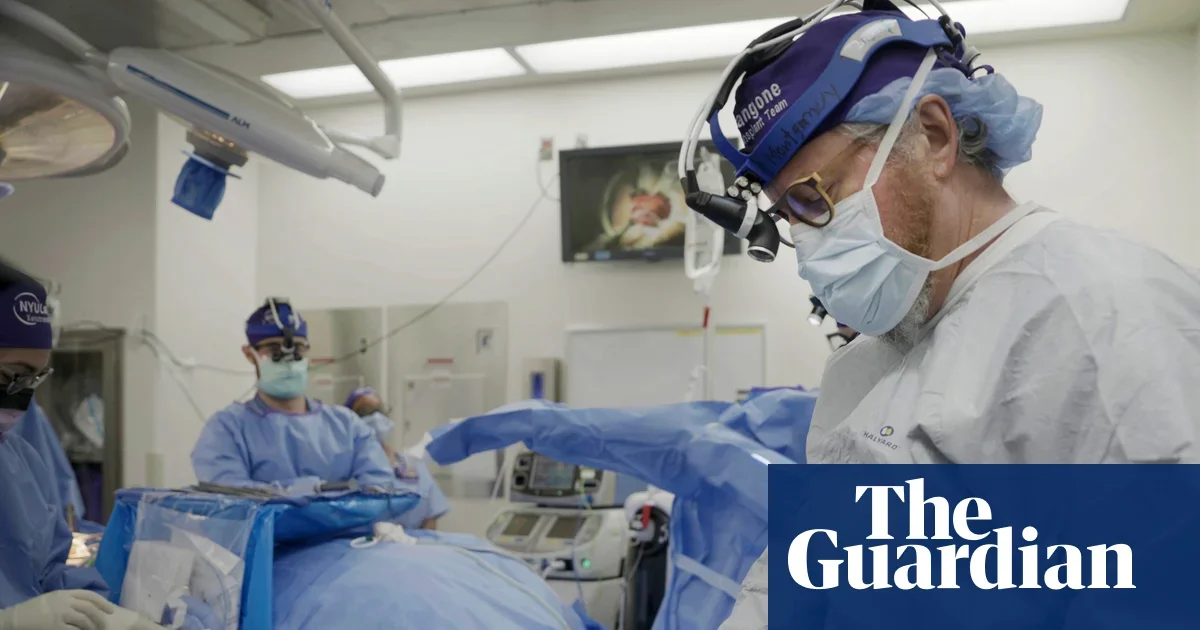
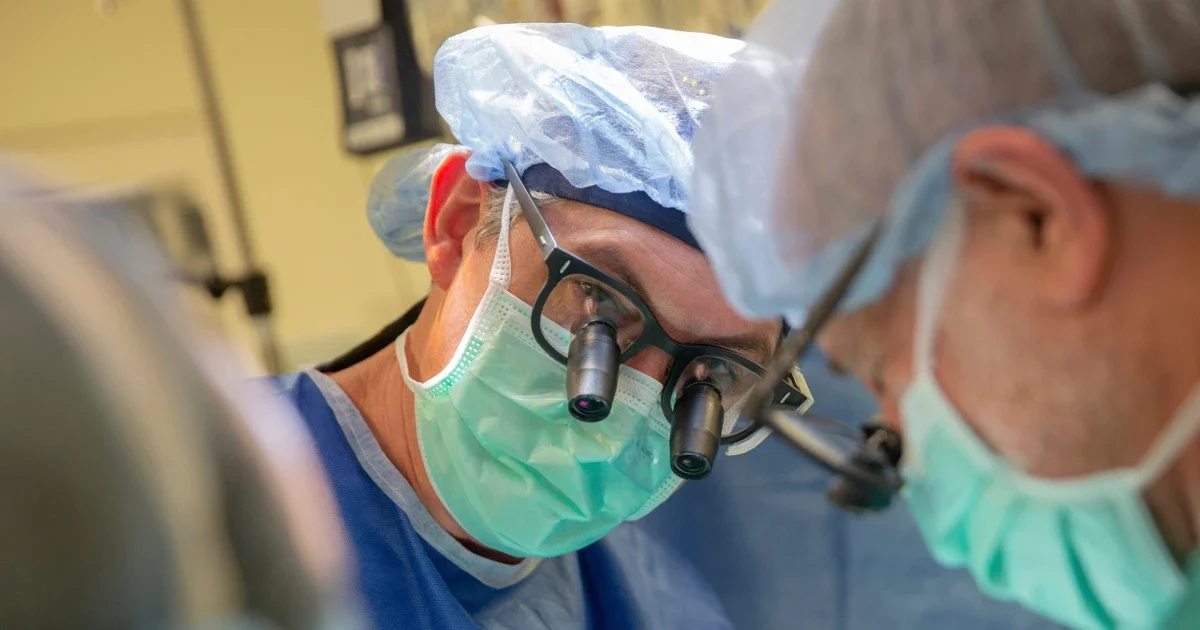
An American patient, Tim Andrews, lived 271 days with a transplanted pig kidney that maintained renal function without dialysis before receiving a human kidney transplant earlier this year, marking the longest dialysis-free survival after porcine kidney xenotransplantation and highlighting xenotransplantation as a potential way to address organ shortages by serving as a bridge or destination therapy.

Genetically Edited Pig Kidney Acts as Nine-Month Bridge to Human Transplant
science1 day ago

Genetically Edited Pig Kidney Acts as Nine-Month Bridge to Human Transplant

Doctors used a genetically engineered pig kidney (Wilma) to keep a 66-year-old man alive for 271 days—nine months—without dialysis, serving as a bridge to a human kidney transplant; the pig had 69 genome edits to reduce rejection and virus risk, and no pig pathogens were detected, but the kidney eventually failed and he later received a human donor kidney; this world-first case suggests xenotransplantation could alleviate the organ shortage but requires more trials.

Genetically engineered pig kidney sustains patient for 271 days as transplant bridge
health1 day ago

Genetically engineered pig kidney sustains patient for 271 days as transplant bridge

A kidney from a genetically engineered pig kept Tim Andrews alive and functioning for 271 days—the longest xenotransplant on record—before it was removed. He then needed dialysis for 82 days until a human donor kidney was found. Published in Lancet, the case demonstrates xenotransplantation as a potential bridge to transplantation amid organ shortages, while also highlighting immune and vascular challenges that must be overcome.

First pig liver and kidneys transplanted into a person shows early success and rejection signals
science3 months ago

First pig liver and kidneys transplanted into a person shows early success and rejection signals

A 53-year-old brain-dead man received a genetically modified pig liver and two pig kidneys. The organs functioned for about five days; the liver started bile production within 19 hours and kidney function normalized, suggesting feasibility. However, within 36 hours signs of rejection appeared as pig cells were replaced by human cells and inflammatory markers rose, indicating the need for immune-targeted therapies. The pig had six genome edits (three human genes added, three pig genes removed) to reduce rejection, marking a major step toward addressing organ shortages while highlighting ongoing challenges in long-term compatibility.

Pioneering pig-kidney recipient receives human kidney, signaling xenotransplant progress
health7 months ago

Pioneering pig-kidney recipient receives human kidney, signaling xenotransplant progress

Tim Andrews, one of the first recipients of a genetically modified pig kidney, has now received a human kidney after the pig organ failed, marking a historic step in xenotransplantation and illustrating its potential to address organ shortages and reduce dialysis. Researchers are refining immunosuppressive regimens and planning additional xenotransplants as trials move forward.

Pioneering pig kidney recipient receives human transplant, marking xenotransplant milestone
health7 months ago

Pioneering pig kidney recipient receives human transplant, marking xenotransplant milestone

Tim Andrews—one of the first recipients of a genetically modified pig kidney—has now received a human kidney, becoming the first in that small group to cross from animal to human organ. The pig kidney lasted 271 days before rejection, after which he returned to dialysis; days later he underwent a near-perfectly matched human kidney transplant. The case highlights xenotransplantation as a potential bridge to address the organ shortage, with ongoing research to refine immunosuppression and improve graft survival and plans for additional trials.

Breakthrough in Organ Transplants: First Successful Pig Liver Transplant in a Living Patient
health10 months ago

Breakthrough in Organ Transplants: First Successful Pig Liver Transplant in a Living Patient

A 71-year-old man in China received the first successful genetically modified pig liver transplant, marking a significant milestone in xenotransplantation. Although the patient passed away after 171 days due to complications, the procedure demonstrated the potential of animal organs in human medicine, highlighting both progress and ongoing challenges in the field.

"Humanized Porcine Kidney Transplant: A Glimpse into the Future of Transplants"
health2 years ago

"Humanized Porcine Kidney Transplant: A Glimpse into the Future of Transplants"

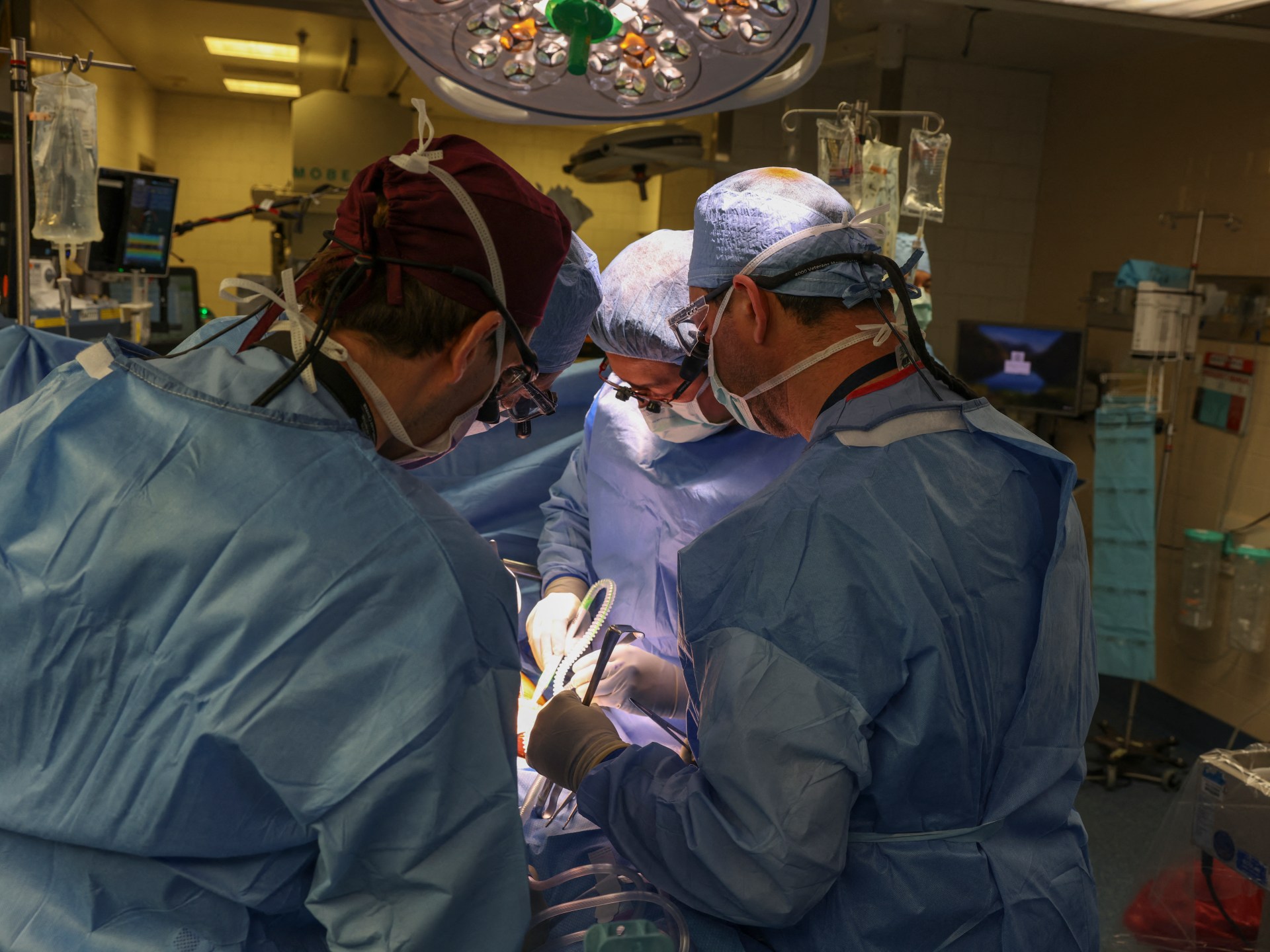
A 62-year-old man, Richard Slayman, has become the first person to receive a genetically modified pig kidney transplant, marking a significant milestone in xenotransplantation. The successful procedure, conducted at Massachusetts General Hospital, offers hope for addressing the organ shortage crisis. While more research is needed before interspecies organ transplants become widely available, this breakthrough represents a promising solution to the shortage of organs for transplantation.

"First Recipient of Pig Kidney Transplant Discharged from Hospital"
health2 years ago

"First Recipient of Pig Kidney Transplant Discharged from Hospital"

Rick Slayman, the first living recipient of a genetically edited pig kidney transplant, has been discharged from the hospital and is recovering well at home. This marks the third xenotransplant of a pig organ into a living human, with Slayman's doctors expressing hope that the new kidney could last for years. The surgery comes as a response to the critical shortage of organ donors, with thousands of people on waitlists for transplants. Slayman expressed gratitude for the support and hopes his successful surgery will bring hope to others in need of organ transplants.

"Pioneering Pig Kidney Transplant: A Glimpse into the Future of Organ Transplants"
science-and-technology2 years ago

"Pioneering Pig Kidney Transplant: A Glimpse into the Future of Organ Transplants"

The world's first successful transplant of a gene-edited pig kidney into a living human has sparked hope for addressing organ shortages, but concerns remain about organ rejection and the transmission of animal viruses. The use of CRISPR technology to edit 69 genes in the donor pig aims to mitigate these issues. While recent trials show caution is warranted, the potential for xenotransplantation using CRISPR is still in its early stages, and regulatory approval for off-the-shelf xenotransplantation organs, including gene-edited kidneys, may be some way off.