Tag

Pancreatitis

All articles tagged with #pancreatitis

Lawrence Taylor Discharged From Hospital to Continue Pancreatitis Recovery
sports24 days ago

Lawrence Taylor Discharged From Hospital to Continue Pancreatitis Recovery

Lawrence Taylor has been discharged from a New Jersey hospital and sent home to continue recovery from pancreatitis. The Giants legend was hospitalized on April 23 for a non-life-threatening stomach issue that was later identified as pancreatitis; he helped the Giants win two Super Bowls, had his No. 56 retired, and was inducted into the Pro Football Hall of Fame in 1999.

Lawrence Taylor Hospitalized with Pancreatitis, Improving
sports1 month ago

Lawrence Taylor Hospitalized with Pancreatitis, Improving

Hall of Fame Giants linebacker Lawrence Taylor is hospitalized in New Jersey with pancreatitis; the 67-year-old was transported to the ER last week, listed as non-life-threatening and showing signs of improvement, with no discharge date yet, per TMZ Sports. Taylor played for the Giants from 1981-1993, won two Super Bowls, and was inducted into the Pro Football Hall of Fame in 1999.

Two Northern Ireland deaths flagged in safety monitoring of GLP-1 weight‑loss drugs
health2 months ago

Two Northern Ireland deaths flagged in safety monitoring of GLP-1 weight‑loss drugs

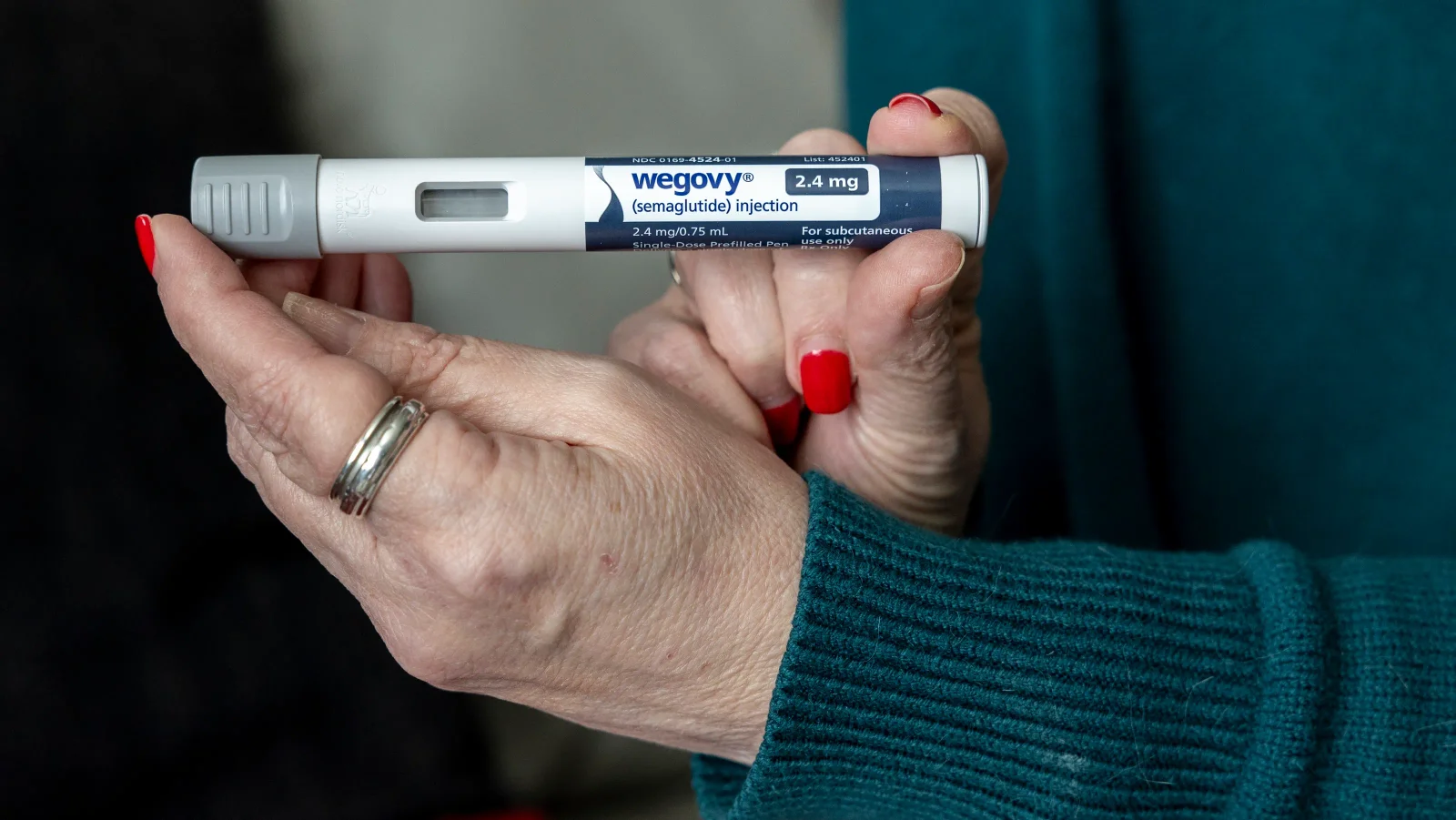
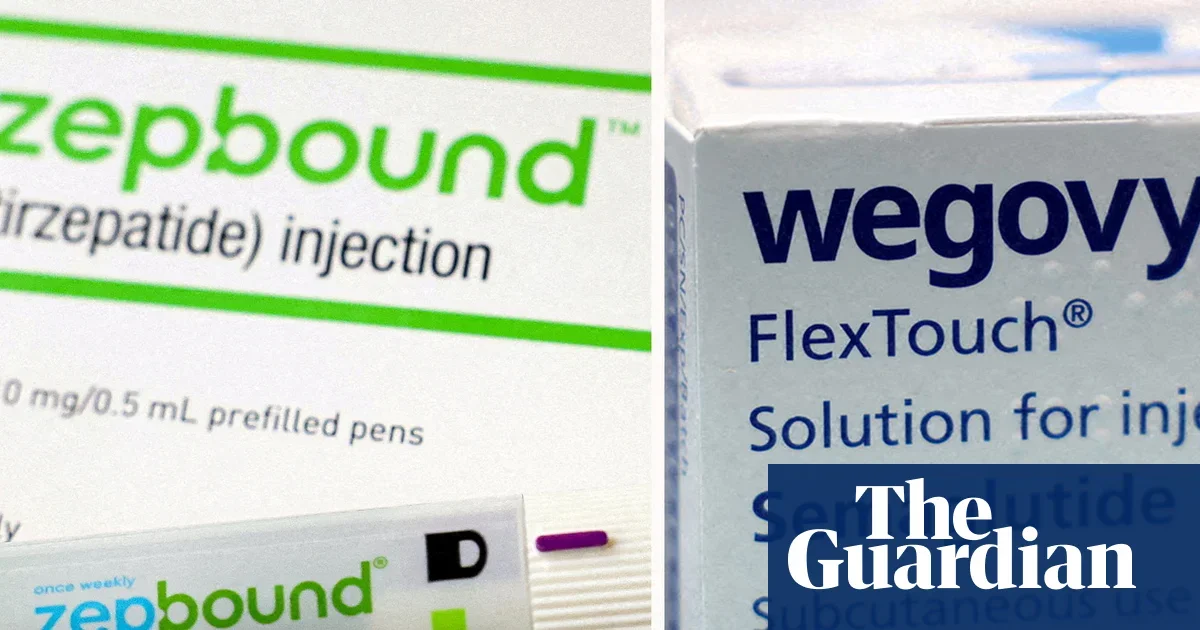
Two deaths in Northern Ireland were reported to the MHRA as potential adverse reactions to GLP-1 weight‑loss drugs (Mounjaro and Wegovy), part of more than 500 suspected adverse drug reactions in NI over the last two years. The MHRA cautions that such reports do not prove causation and could involve underlying conditions or coincidences; the fatalities were a man in his 40s and a woman in her 60s, with six pancreatitis cases recorded in 2024–25. Most reports came from healthcare professionals; regulators and drugmakers emphasise ongoing monitoring and safety.

GLP-1 obesity drugs and pancreatitis: what the science actually shows
health3 months ago

GLP-1 obesity drugs and pancreatitis: what the science actually shows

Regulators in the UK and Brazil warned of a possible link between GLP-1 weight‑loss drugs and pancreatitis, but causality remains unclear. With millions using GLP-1 therapies for obesity and related conditions, reported pancreatitis cases and deaths are very rare relative to use (UK: 19 pancreatitis deaths since 2007 and about 1,300 related reports among ~1.6 million users; Brazil: 6 deaths and 145 pancreatitis cases since 2020). Meta-analyses yield mixed results—some show a small risk, others none—while a large real‑world study found no difference in pancreatitis between GLP‑1 users and non‑users with similar risk factors. Ongoing pharmacovigilance and rigorous studies are needed to distinguish true signals from background risk.

UK warns of pancreatitis risk tied to Wegovy and Mounjaro GLP-1 drugs
health3 months ago

UK warns of pancreatitis risk tied to Wegovy and Mounjaro GLP-1 drugs

UK regulators have strengthened warnings that rare but severe pancreatitis, including necrotizing cases, has been reported in users of GLP-1/GIP obesity and diabetes drugs Wegovy and Mounjaro. The MHRA cites about 1,300 reports from 2007–Oct 2025, including 19 deaths and 24 necrotizing pancreatitis, across roughly 25 million packs dispensed. Doctors are advised to monitor patients and patients with severe persistent abdominal pain should seek medical care; clinicians should check for drug use, especially if purchased privately. Novo Nordisk and Eli Lilly say the overall benefit-risk remains positive and safety is being monitored.

UK cautions on rare pancreatitis risk from GLP-1 weight-loss injections
health3 months ago

UK cautions on rare pancreatitis risk from GLP-1 weight-loss injections

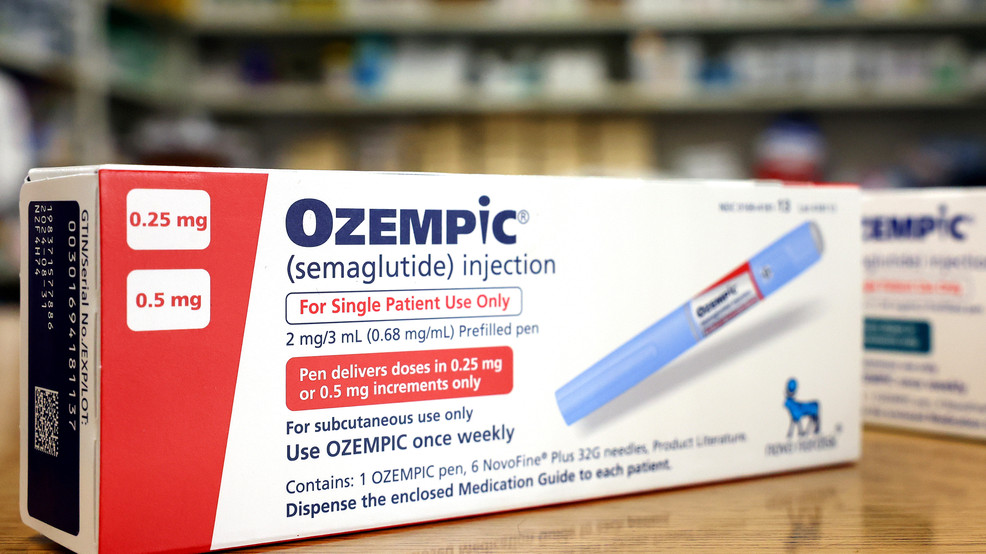
The UK MHRA warns that GLP-1 obesity drugs like Wegovy, Mounjaro, and Ozempic carry a very small but real risk of acute pancreatitis. Users should seek immediate medical attention for severe, persistent stomach pain that may radiate to the back, especially with nausea or vomiting. While hundreds of pancreatitis reports exist, none are confirmed as caused by these medicines. About 1.6 million adults in the UK are estimated to have used GLP-1 products recently. Most patients benefit and are safe, but patients should discuss benefits and risks with their prescriber and report any suspected adverse effects.

MHRA Flags Rare Pancreatitis Risk From GLP-1 Weight-Loss Injectables
health3 months ago

MHRA Flags Rare Pancreatitis Risk From GLP-1 Weight-Loss Injectables

Britain’s MHRA warns that GLP-1 weight‑loss injections (semaglutide, tirzepatide) carry a small risk of pancreatitis. With about 1.6 million users in 2024–25, the Yellow Card scheme has logged 1,143 cases of pancreatitis (acute and chronic) and 17 deaths among GLP-1 users, most in 2025 (807 tirzepatide, 166 semaglutide). Fewer reports exist for liraglutide and dulaglutide. Patients should watch for severe, persistent abdominal pain with nausea and report suspected adverse reactions, while researchers use the Yellow Card Biobank to study genetic risk. Manufacturers reiterate safety and supervised use.

health10 months ago

Investigation into Fatal Side Effects of Weight Loss Drugs and Jabs

A UK investigation has been launched into potentially fatal side effects of GLP-1 weight loss drugs, such as Mounjaro and Ozempic, after nearly 400 reports of serious pancreatic issues and 10 deaths linked to pancreatitis. While these drugs are effective for weight loss and managing blood sugar, concerns about their safety, particularly regarding pancreatitis, are prompting regulatory scrutiny. Companies like Lilly and Novo Nordisk emphasize ongoing safety monitoring and the benefits of their medications.

UK investigates pancreas risks linked to weight loss and diabetes jabs
health11 months ago

UK investigates pancreas risks linked to weight loss and diabetes jabs

A study has been launched to investigate serious side effects, including pancreatitis, linked to weight loss drugs like Mounjaro, Ozempic, and Wegovy, after reports of hospitalizations and deaths. The research aims to identify genetic risk factors to improve safety and reduce adverse reactions, with data collection through the MHRA's Yellow Card scheme and saliva samples from affected patients.