A study links a distinctive gut microbiome signature to Parkinson’s risk, even among people with a genetic predisposition but no symptoms, suggesting potential for early detection and possibly prevention or delay through dietary changes or microbiome-targeted therapies, though causality remains unclear and more research is needed.
Dr Philippa Kaye explains that tremors are common in older adults and usually benign, but they can signal different conditions. A quick 30-second test—hold your hands up to check for a tremor and then rest them in your lap—can help decide if you need an urgent GP visit. Causes range from meds and hyperthyroidism to low blood sugar; Parkinson’s tremor has resting-pattern clues, while essential tremor is often action-related and hereditary. If tremors accompany other symptoms, or if Parkinson’s is suspected, see a GP. Treatments include lifestyle tweaks (less caffeine and alcohol, good sleep, stress management) and, in some cases, medications like beta-blockers; many people rely on adaptive strategies (weighted cups, heavier cutlery) to manage daily tasks.
A review of 100+ studies links microplastics and nanoplastics to brain pathways involved in Parkinson's disease, suggesting these pollutants can enter the body via ingestion, inhalation, or skin contact and reach the brain to promote alpha-synuclein clumps and neuroinflammation, as well as disrupt gut-brain communication and ferry metals; however, most evidence comes from animal/cell studies and human data are limited, so more research is needed alongside reducing plastic pollution and improving waste management.
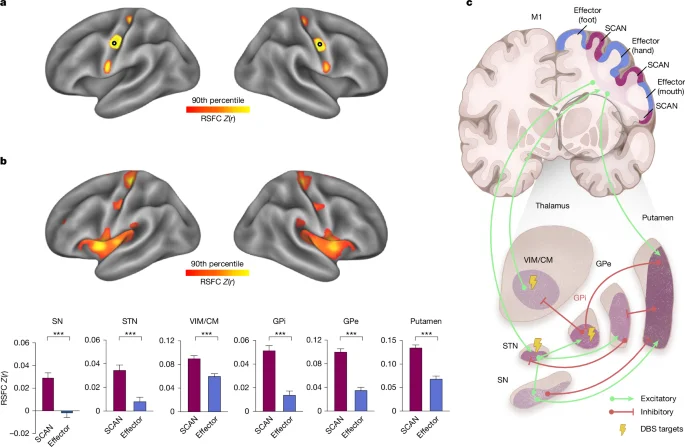
A large, multi-modal study proposes Parkinson’s disease as a somato-cognitive action network (SCAN) disorder, showing PD features SCAN-to-subcortex hyperconnectivity that is reduced by dopaminergic therapy and various neuromodulation methods (DBS, MRgFUS, TMS, adaptive DBS). Targeting SCAN nodes—especially cortical SCAN regions—yields greater symptom relief than conventional effector-area targets, suggesting a circuit-based pathophysiology and treatment strategy, with SCAN connectivity serving as a potential biomarker and guide for personalized therapy.