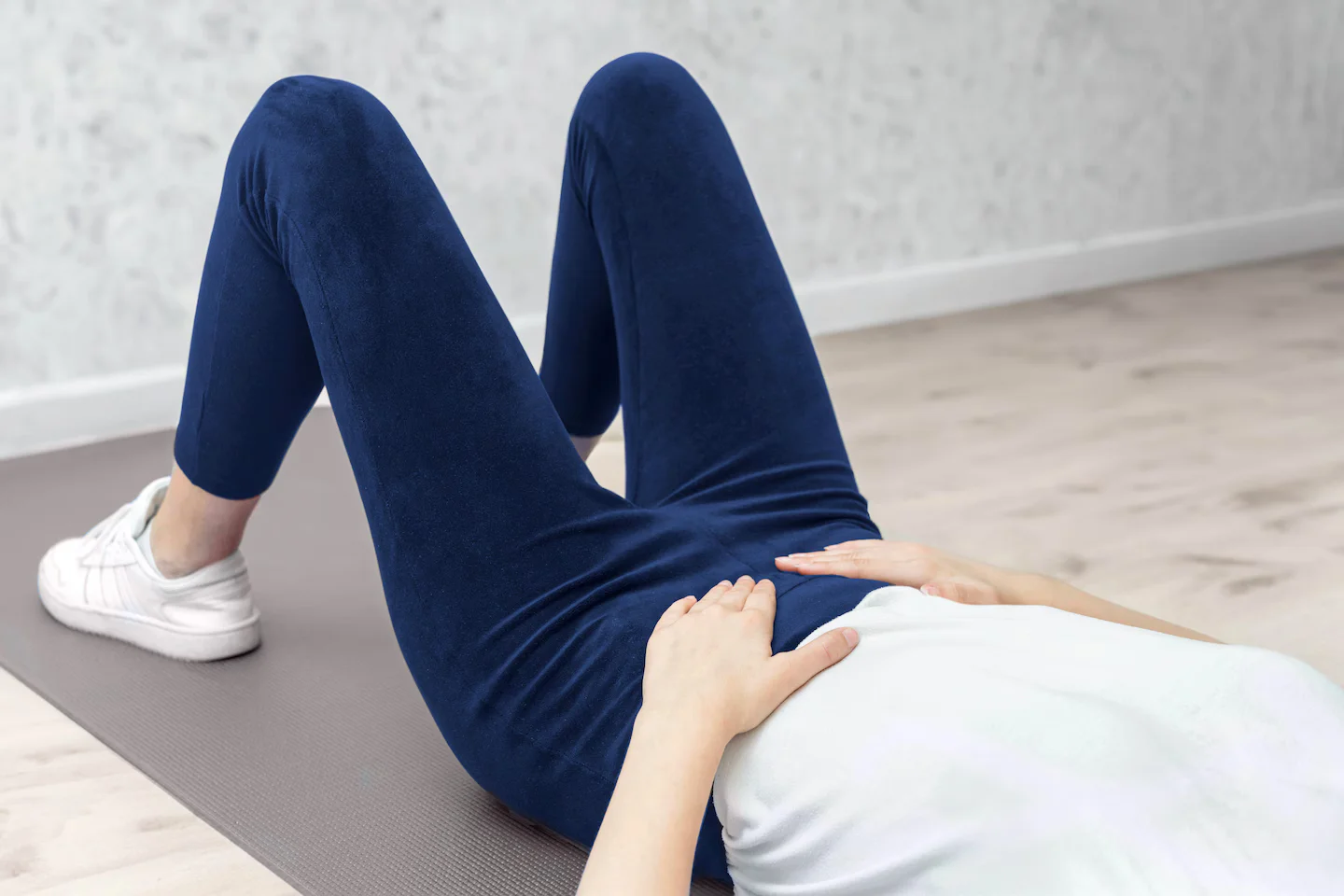
Relaxed approach to pelvic health: the value of reverse Kegels
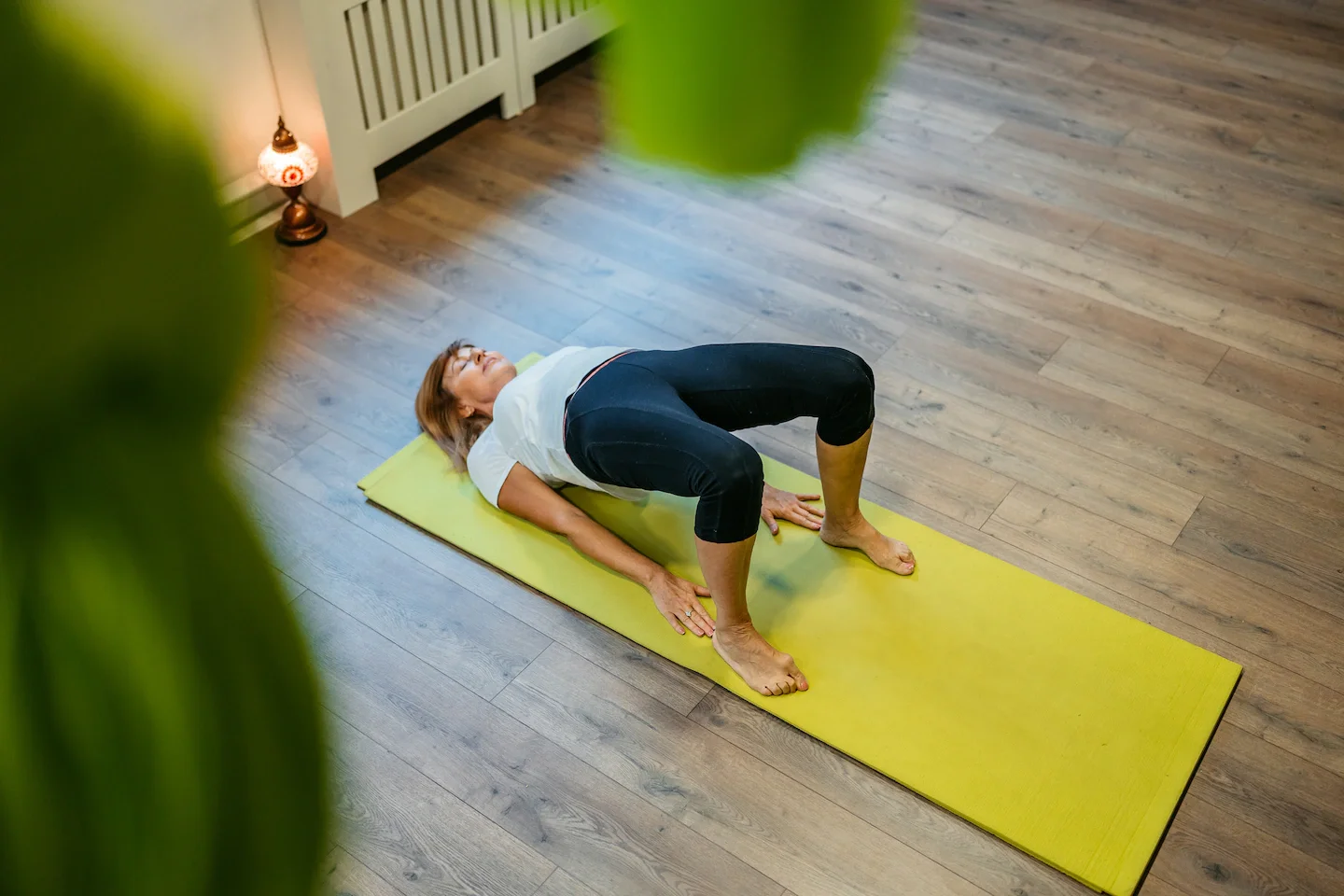
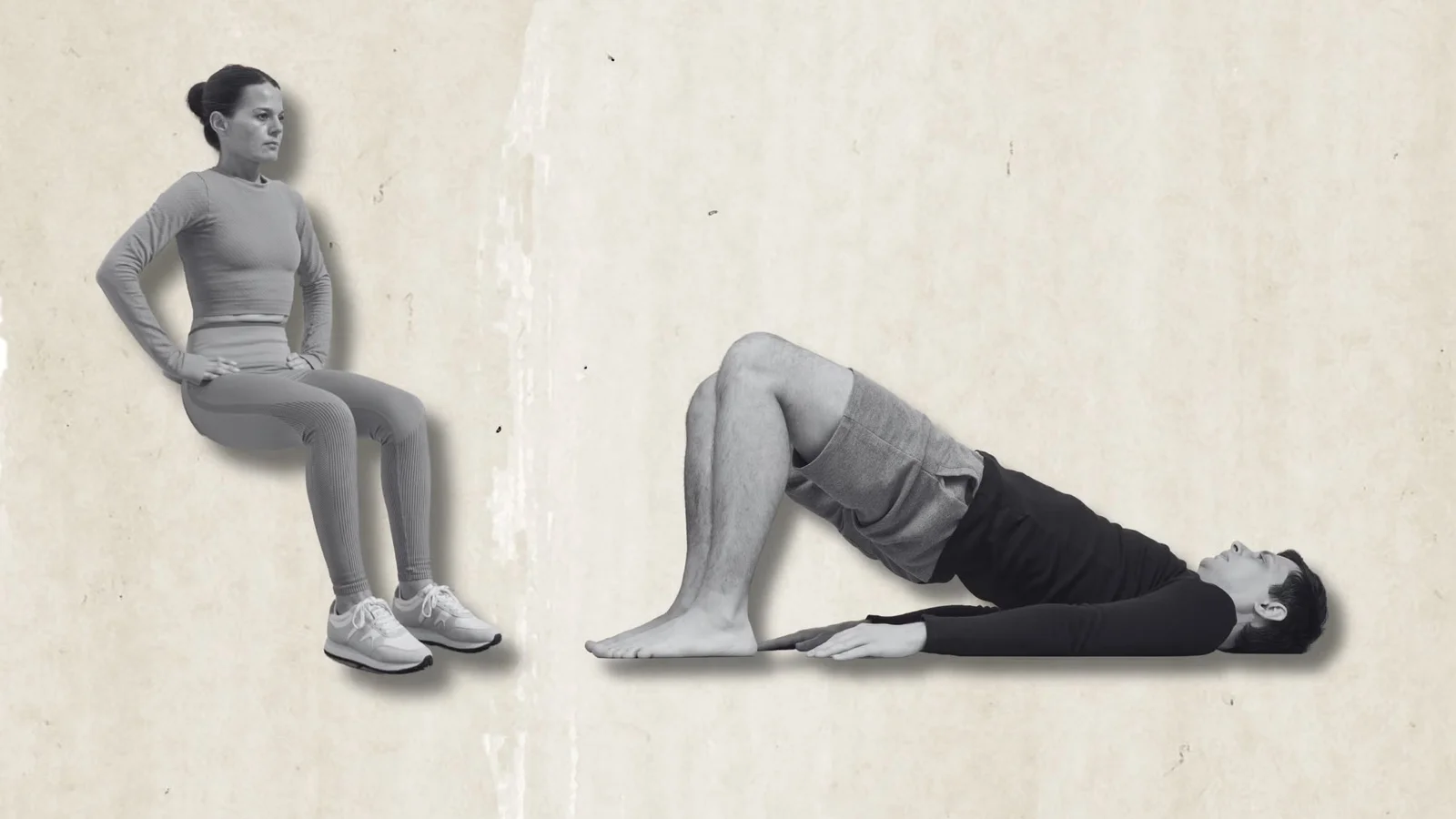
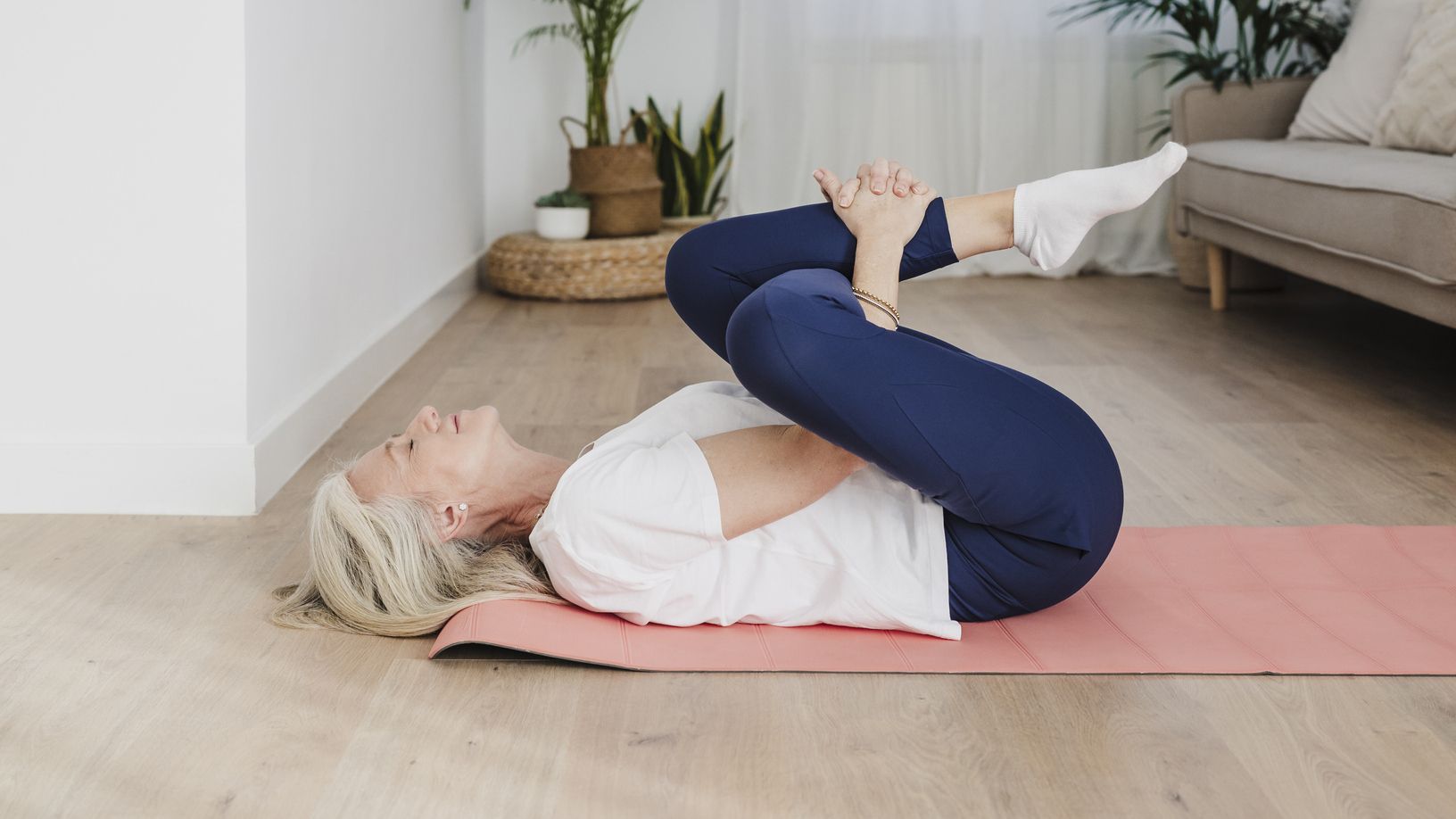
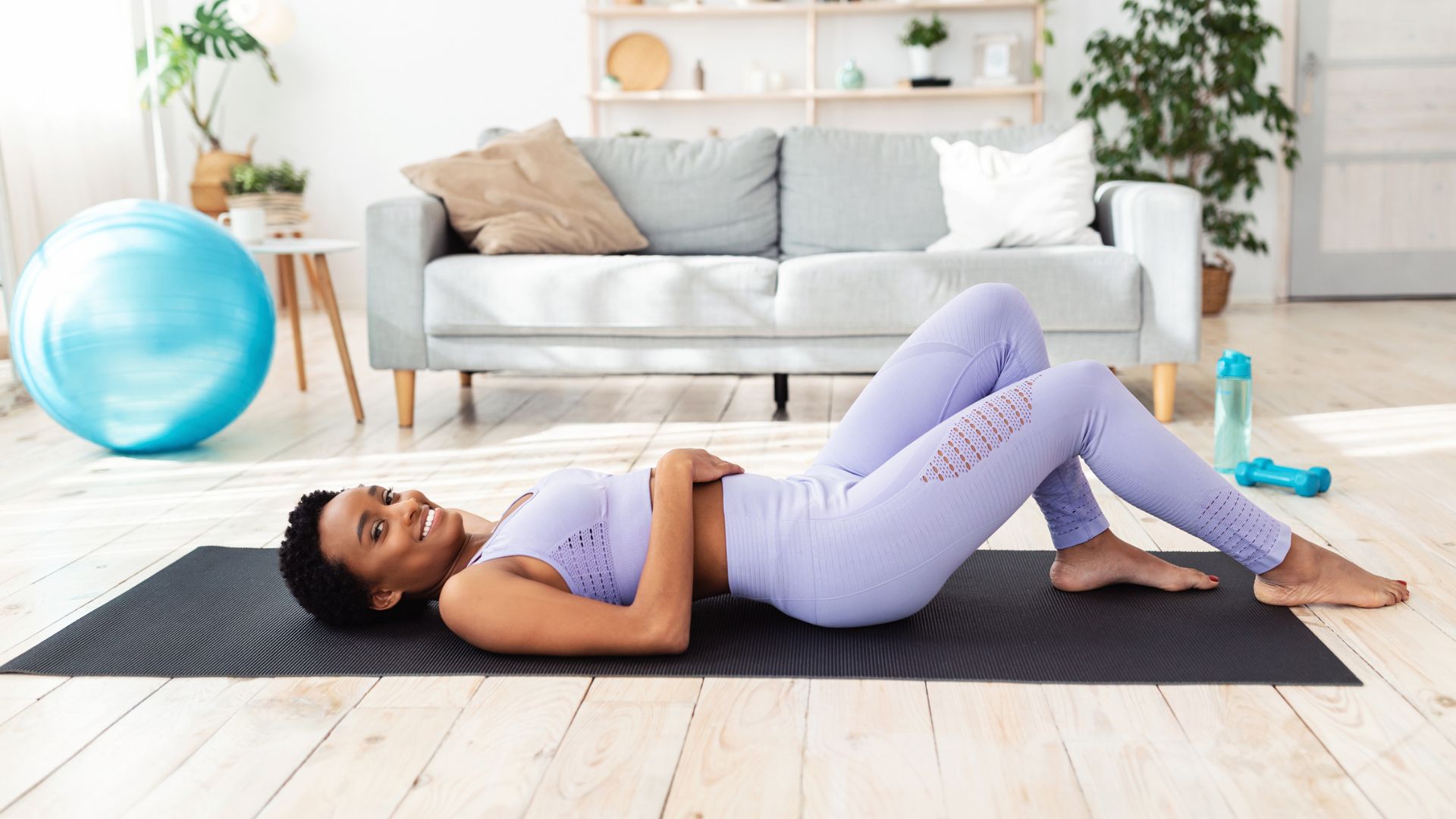
The article argues pelvic-floor health hinges on balancing strength with relaxation, introducing reverse Kegels (pelvic-floor relaxation) for hypertonic floors. It lists signs of tightness (pain with urination or sex, constipation, pelvic or low back pain, frequent urination) and notes limited but encouraging research on down-training after Kegels. It provides a four-step method: find a relaxed position, squeeze lightly to prime the release, let go slowly, and repeat about 10 slow reps daily, ideally as part of a wind-down routine. It also suggests yoga or meditation to reduce tension and recommends seeing a pelvic-floor physical therapist for assessment if unsure.