
wellbeing20.465 min read
Six simple swaps to boost your fiber intake
20 days ago•Source: The Washington Post

The latest wellbeing stories, each synthesized from multiple sources with added background and context.
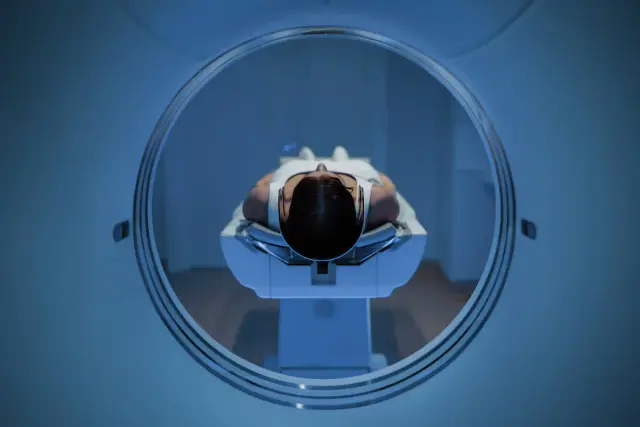
A doctor argues against elective whole-body MRI scans for average‑risk individuals, noting they’re costly, lack evidence of saving lives, may miss critical findings, and can trigger false positives and unnecessary follow-up procedures. Guidelines from the American College of Radiology advise against routine screening without symptoms or risk factors; instead, focus on evidence-based screening and overall health.

The Washington Post•29 days ago
The Washington Post•1 month ago

The Washington Post’s Well+Being piece recommends three simple ways to support long-term brain health: play fast-paced video games to accelerate learning on new cognitive tasks, read fiction to potentially reduce cognitive decline and broaden social understanding, and learn a new language to keep the brain actively monitoring speech and improving efficiency.

Neal Tomita, 79, who has Parkinson’s, finds his voice again through harmonica lessons in the Harmonica Parkinson’s Project; early pilots suggest this music-therapy approach can improve speech intelligibility and vocal loudness, offering a promising noninvasive aid for Parkinson’s speech, though more research is needed.

A Washington Post Well+Being report suggests that a brief, easy 10‑minute run can improve thinking skills and mood, indicating that short, low‑effort workouts may still benefit brain health without feeling taxing.

Lipoprotein(a) is a genetically driven particle not included in standard lipid panels; checking its level can uncover additional cardiovascular risk beyond LDL, HDL, and triglycerides, highlighting why Lp(a) testing matters for a fuller view of heart health.

Research summarized by The Washington Post suggests that even low levels of alcohol can harm the brain, but quitting or cutting back can allow the brain to recover to some extent, with potential cognitive improvements and a lower dementia risk over time.

Dermatologists warn that tanning—whether outdoors or in beds—causes UV skin damage and raises the risk of skin cancer, even as influencers glamorize bronzed skin; experts advocate sun protection, sunscreen, shade, protective clothing, and safer alternatives like self-tanners.

A Washington Post Well+Being piece explains how microplastics and related chemicals can enter everyday foods via plastic packaging and canned goods, and offers six practical swaps—such as avoiding plastic containers and cans, using glass or metal alternatives, and prioritizing fresh, minimally processed foods—to lower exposure and protect health.

As you approach 60, focus on diet shifts (more calcium and vitamin D), take simple daily balance steps to reduce fall risk, and watch for early dementia signs such as mood changes, reduced sense of smell, and sleep problems—then talk with your doctor about steps to reduce risk.
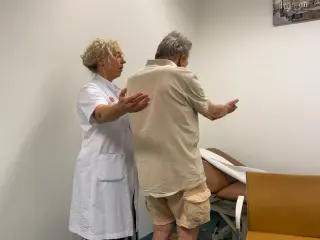
A geriatric expert says falls prevention starts years before they happen: stay active, review medications, and make homes safer, with fall-risk assessments advised before age 65.

Nikki Arellano’s minor leg scratch led to a life-threatening tetanus infection—rare but possible in unvaccinated people or those overdue for Td boosters. The disease can cause severe muscle spasms and required intensive care, underscoring the importance of staying up to date with tetanus vaccination.