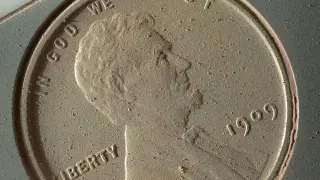
NASA's Curiosity rover photographed a real penny on Mars with its MAHLI camera. The coin, which traveled to Mars with the rover, sits dusty on the Martian surface, and its true purpose is to provide a known-size reference for scale in geology photos, helping scientists gauge rock features. The penny was minted in 1909 and has accumulated dust during the mission's time on Mars.
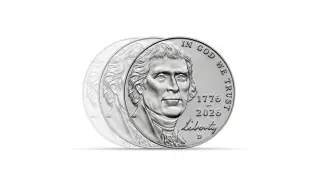
The penny’s retirement has coin experts wondering if the nickel could be the next to go, since minting nickels costs far more than their face value (about 13.78 cents per coin in 2024 versus a 5-cent value, with roughly $85 million lost on nickels and $18 million on pennies that year). The U.S. Treasury has no formal plan to eliminate the nickel, and Americans still actively use nickels, but inflation and rising production costs keep the debate alive. Some lawmakers have floated rounding cash transactions to the nearest five cents as a potential workaround, which could shift how retailers handle small-change trades if the nickel disappears. Experts expect the nickel’s demise, if it happens, to be gradual—likely over ten to fifteen years—though it’s not imminent, and the coin could instead stay in circulation longer if policy or consumer behavior changes differently than anticipated.
Penny, a four-year-old Doberman Pinscher trained by Andy Linton, won Best in Show at Westminster's 150th show, defeating seven finalists including reserve winner Cota; the milestone edition also honored Catherine O’Hara, and Penny’s victory gives the breed its fifth Westminster Best in Show.
Penny the Doberman pinscher won Best in Show at the 150th Westminster Kennel Club Dog Show in Madison Square Garden, beating seven finalists after two days and more than 2,500 dogs representing about 200 breeds.
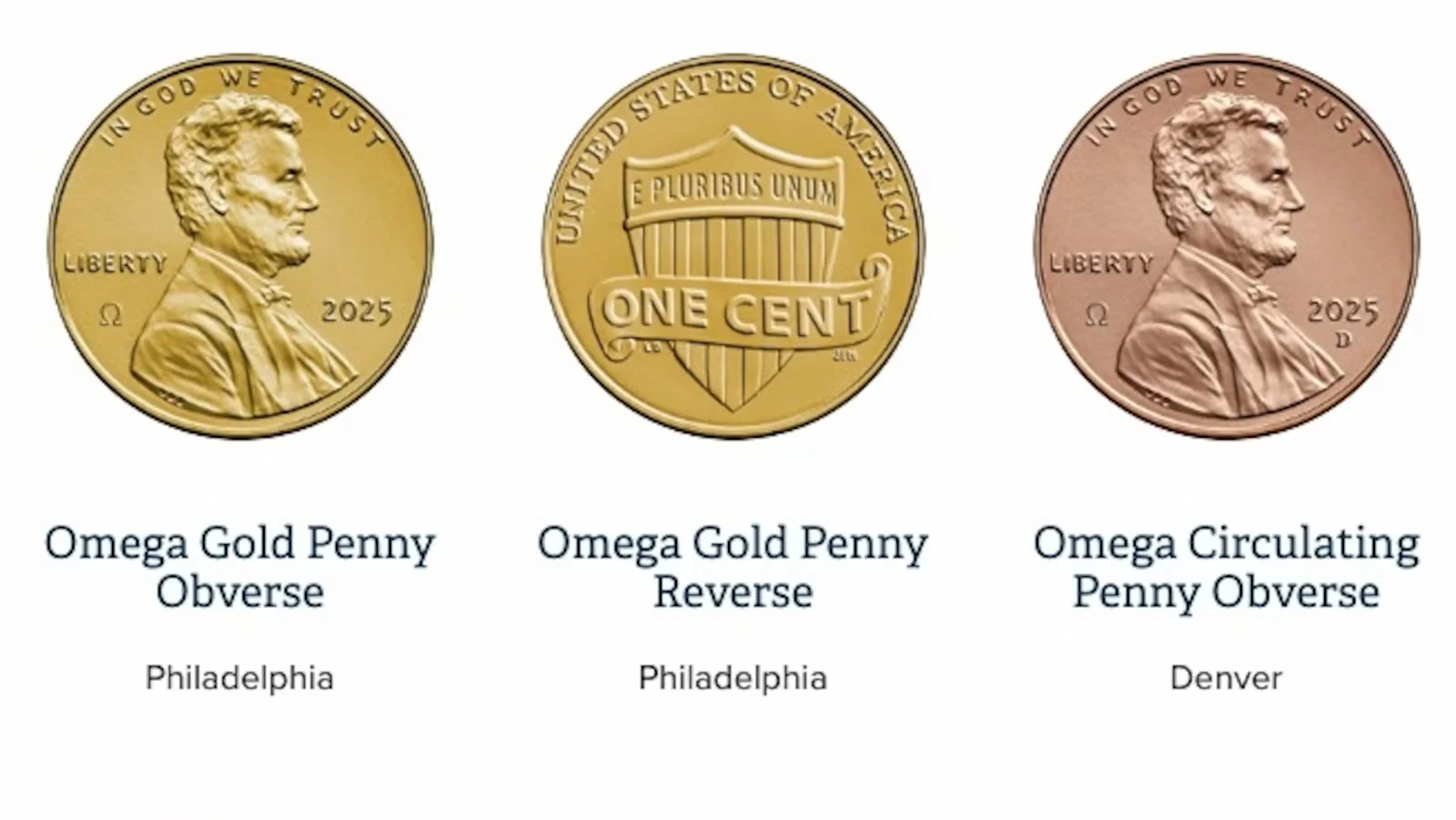
The last US pennies minted in 2025, featuring a Greek omega symbol, sold for over $16.76 million at auction, with the final set fetching $800,000, marking a significant numismatic event amid the halt in penny production due to cost concerns.
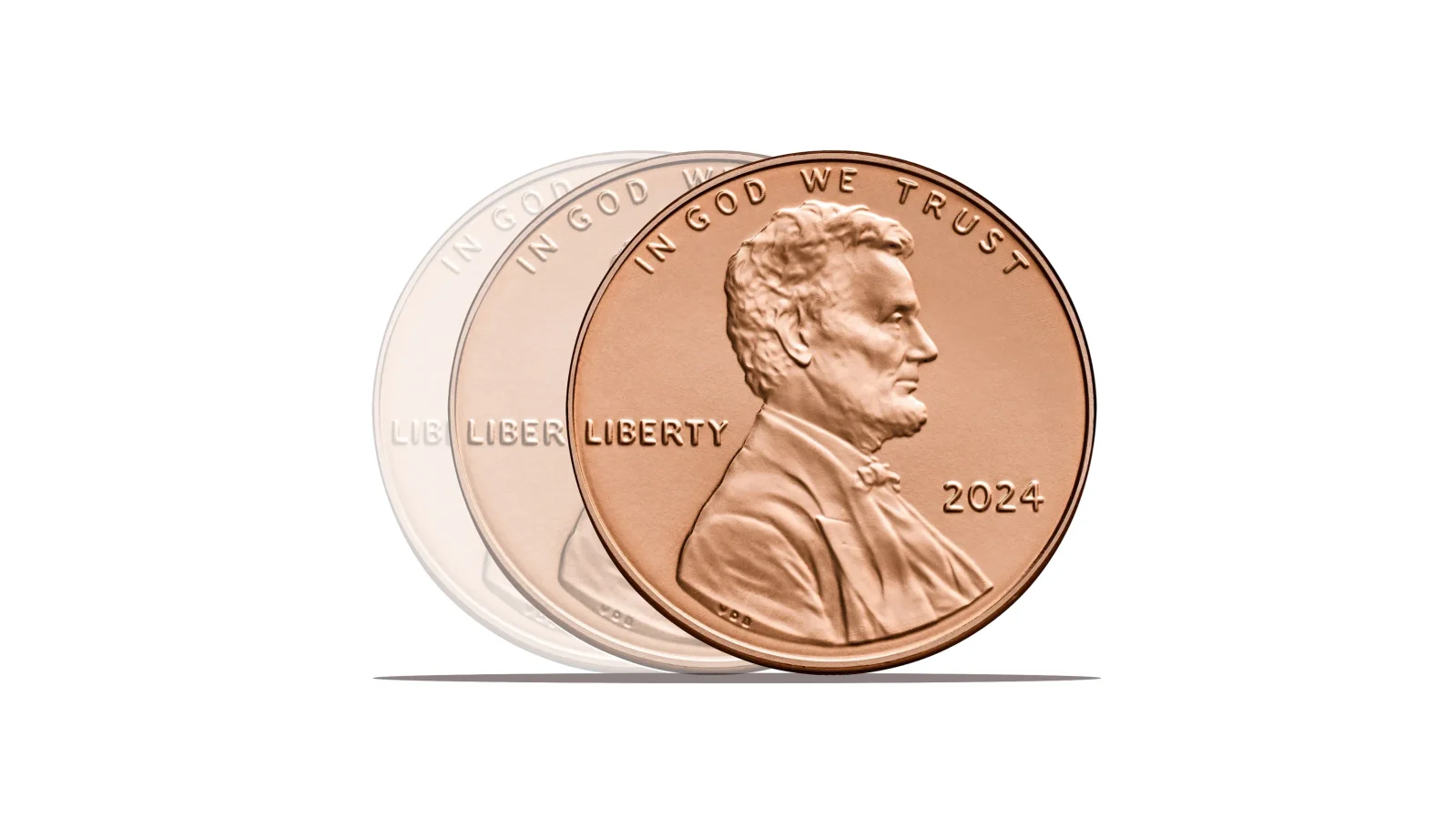
The US Mint has stopped producing the 1-cent coin after over 230 years, citing financial inefficiency and modernization, with the final coins minted in 2025 and set to be auctioned off, marking the end of an era for the penny.
The US has officially stopped minting pennies after a production that began in 1793, citing cost inefficiencies as pennies cost more to produce than their face value. While still legal tender, pennies will no longer be produced, and transactions may be rounded to the nearest five cents. Other countries have also phased out low-denomination coins, citing similar reasons.
The US Mint has stopped producing the penny as legal tender, citing its high production costs exceeding its value, with the final coin struck and set for auction, though pennies remain legal tender and in circulation.
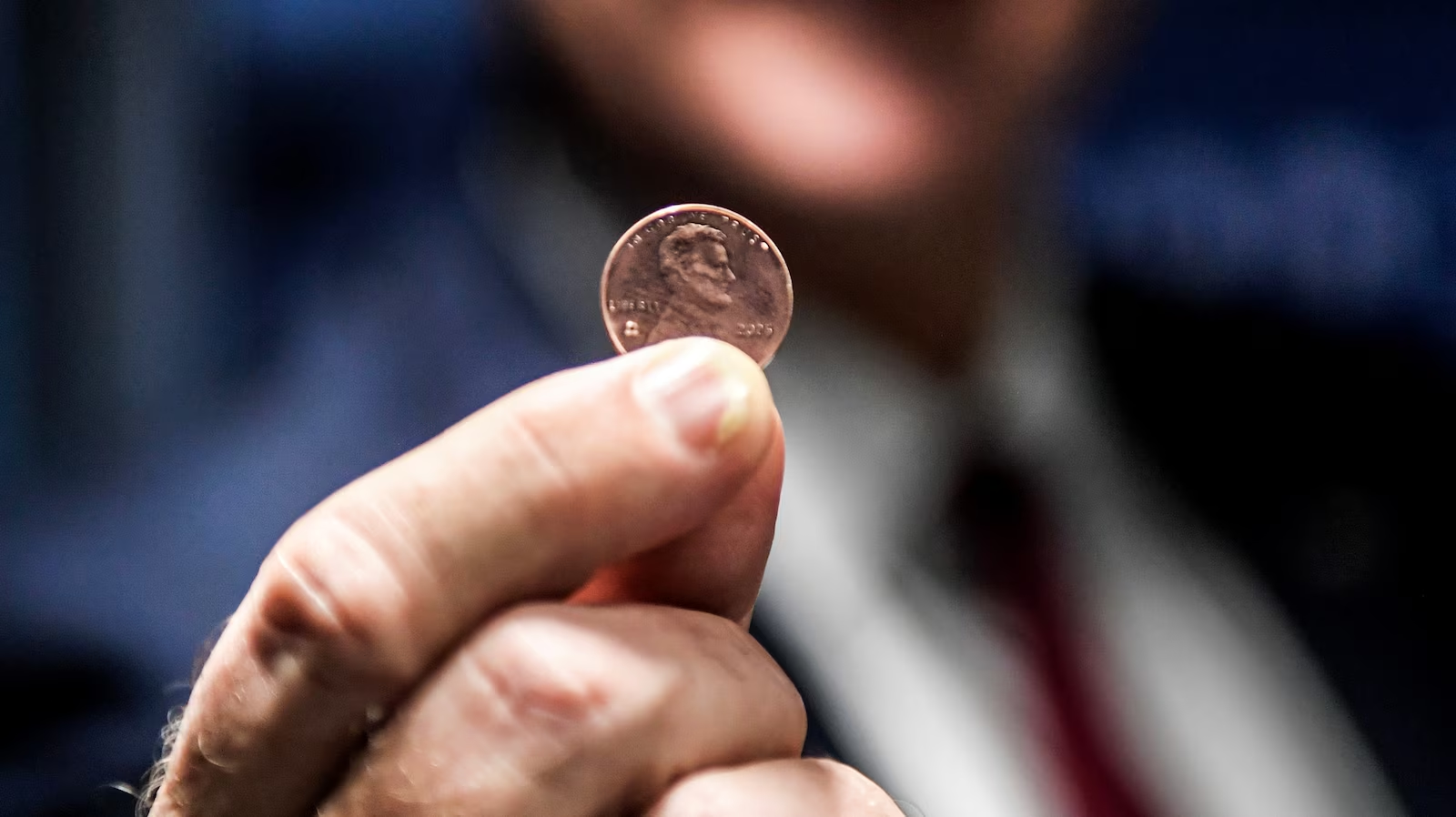
The US Mint in Philadelphia is set to produce its last circulating penny as President Trump ordered its discontinuation due to high production costs exceeding its value, leading to a phase-out that has caused some logistical challenges and nostalgic sentiments.
The US Mint will stop producing pennies due to rising costs and a legal conclusion that the coin is no longer necessary, while ongoing legislative and logistical issues, including a government shutdown, complicate the transition and impact coin circulation and banking practices.
The US Mint in Philadelphia is producing its last circulating penny due to the cost of production exceeding its value, with the phase-out expected to save the government $56 million annually, reflecting changing economic and technological landscapes.
The US Mint has stopped producing pennies after 238 years, with the last coins minted in Philadelphia, leading to challenges in retail rounding practices and legal considerations, though the coin remains legal tender and its removal has sparked debate about the future of low-denomination coins in the US.
The US is ending penny production due to high costs and declining demand, marking the end of a coin that has been part of American history since the 1790s. Despite its diminishing practical use, the penny remains a cultural symbol of thrift and has played a significant role in pricing, charity, and collecting. The transition to rounding cash transactions to the nearest nickel aims to save money and streamline commerce, while digital payments continue unaffected.