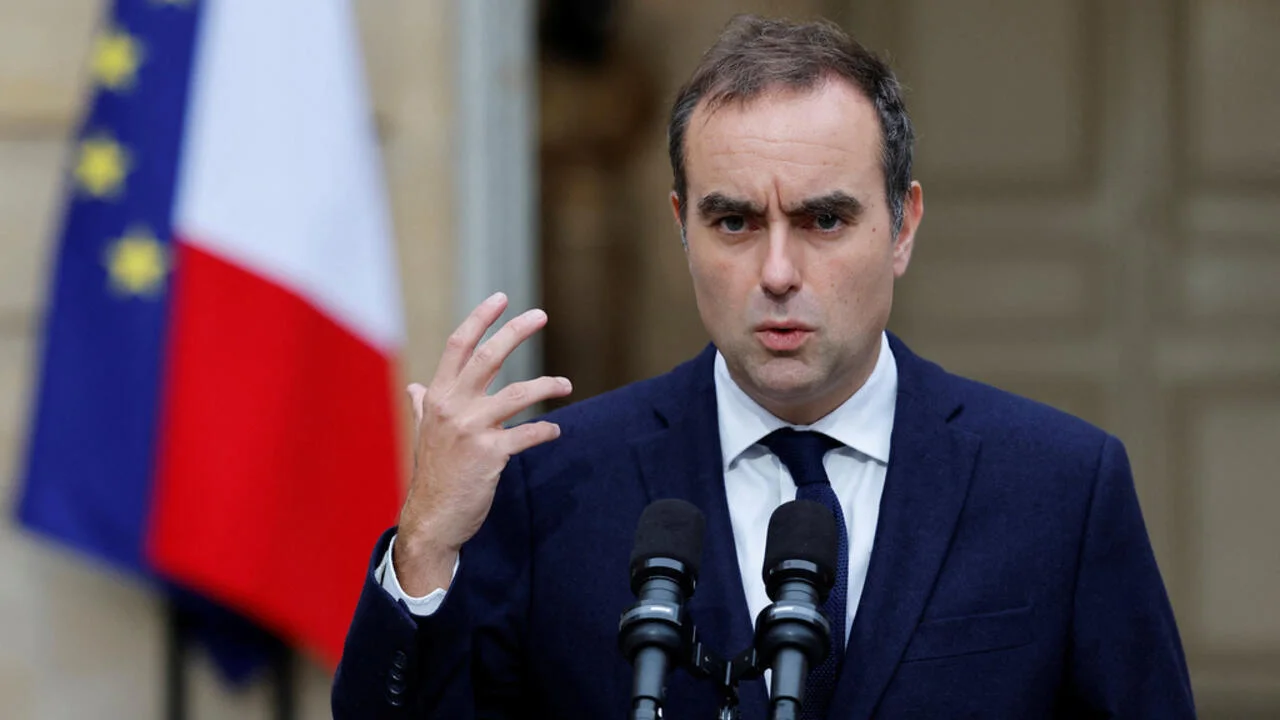
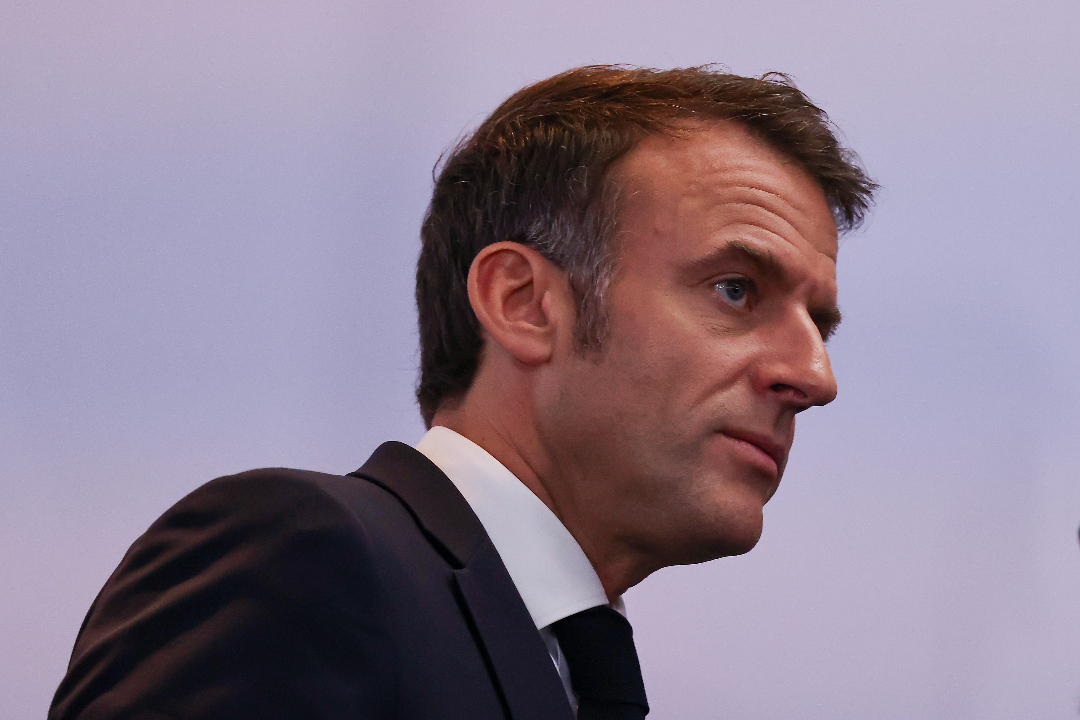
Marine Le Pen has proposed lowering the French retirement age to between 60 and 62 and creating a new €900 billion investment fund. While the plan aims to appease working-class voters, critics argue it is fiscally irresponsible given France’s high deficit and aging population.
Prime Minister Andy Burnham delivered his first Labour conference speech in Liverpool, outlining a shift toward public ownership and fiscal restructuring. Key announcements include a plan to end the state pension triple lock by 2030 to fund a National Care Service, legislation to repeal bans on public water ownership, and a national commission on electoral reform. The speech emphasized breaking with 40 years of neoliberal policy, receiving 11 standing ovations, while avoiding direct confrontation with opposition leaders.
Marine Le Pen is prioritizing her core base over centrist appeal by reaffirming her promise to lower the retirement age to 62, despite warnings that this move conflicts with her pledge to cut the budget deficit. While she proposes €125 billion in savings and a 'golden rule' for fiscal discipline, the departure of key economic adviser François Durvye signals internal tension between populist and liberal factions within the National Rally. Polls show Le Pen leads the first round but faces skepticism from business leaders and centrists regarding her ability to manage France’s high debt, creating a strategic dilemma as she prepares her detailed platform for the upcoming election.
Jordan Bardella, 30, could become the National Rally’s presidential candidate if Marine Le Pen is barred from running after her legal appeal, potentially propelling him from upstart to front-runner amid internal party tensions and questions about experience and policy positions, even as polls show him often leading in various runoff scenarios.
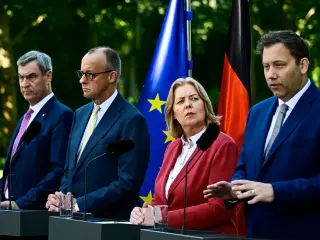
Germany’s ruling CDU/CSU–SPD coalition unveiled a broad reform package called the Programme for Revival and Employment, including about €10 billion in annual income tax relief for low- and middle-income earners from 2027, a major pension overhaul linked to life expectancy after 2031 (potentially reaching 70 by the 2090s), tighter sick-leave rules, longer fixed-term contracts, and reduced bureaucracy. The plan is funded mainly by shifting more tax burden onto top earners and aims to boost growth while countering far-right pressure, but still requires Bundestag and Bundesrat approval. Analysts say it could improve sentiment and lift growth later in the year.
Germany plans to overhaul its aging pension system, with a commission recommending raising the minimum retirement age from 63 to 64 and ending the 63-year early-retirement provision, while also raising the age for phased retirement from 55 to 58. The government says it will push the package through quickly, but unions oppose it and the coalition’s slim majority could complicate passage.
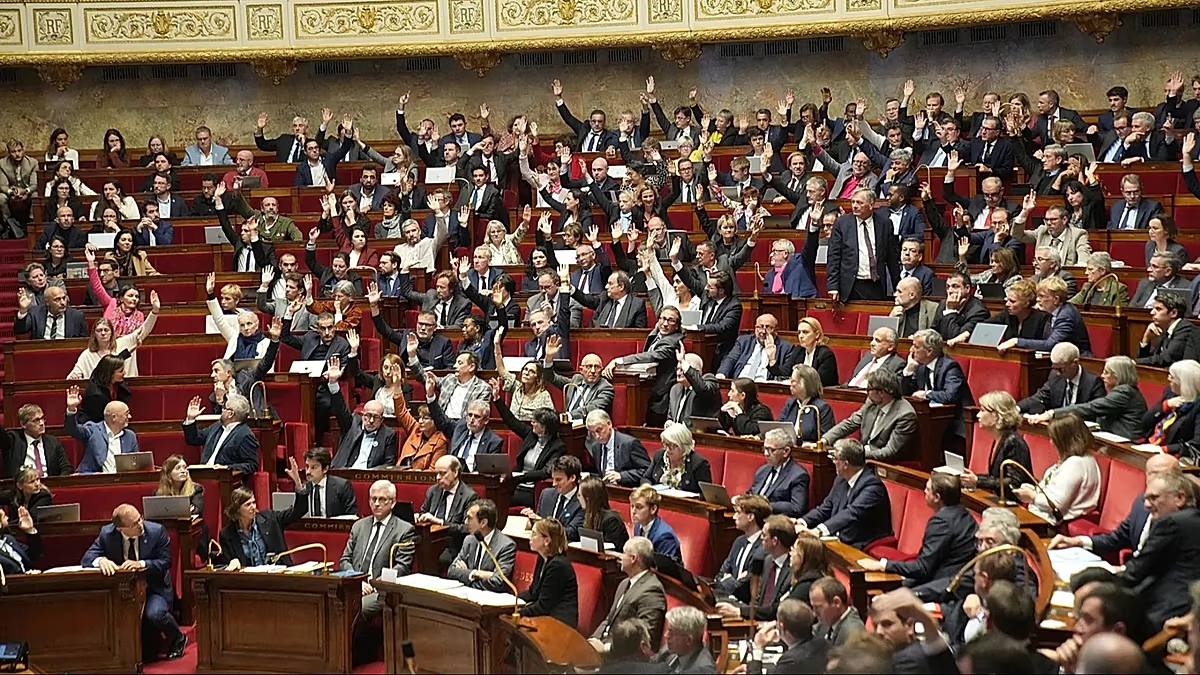
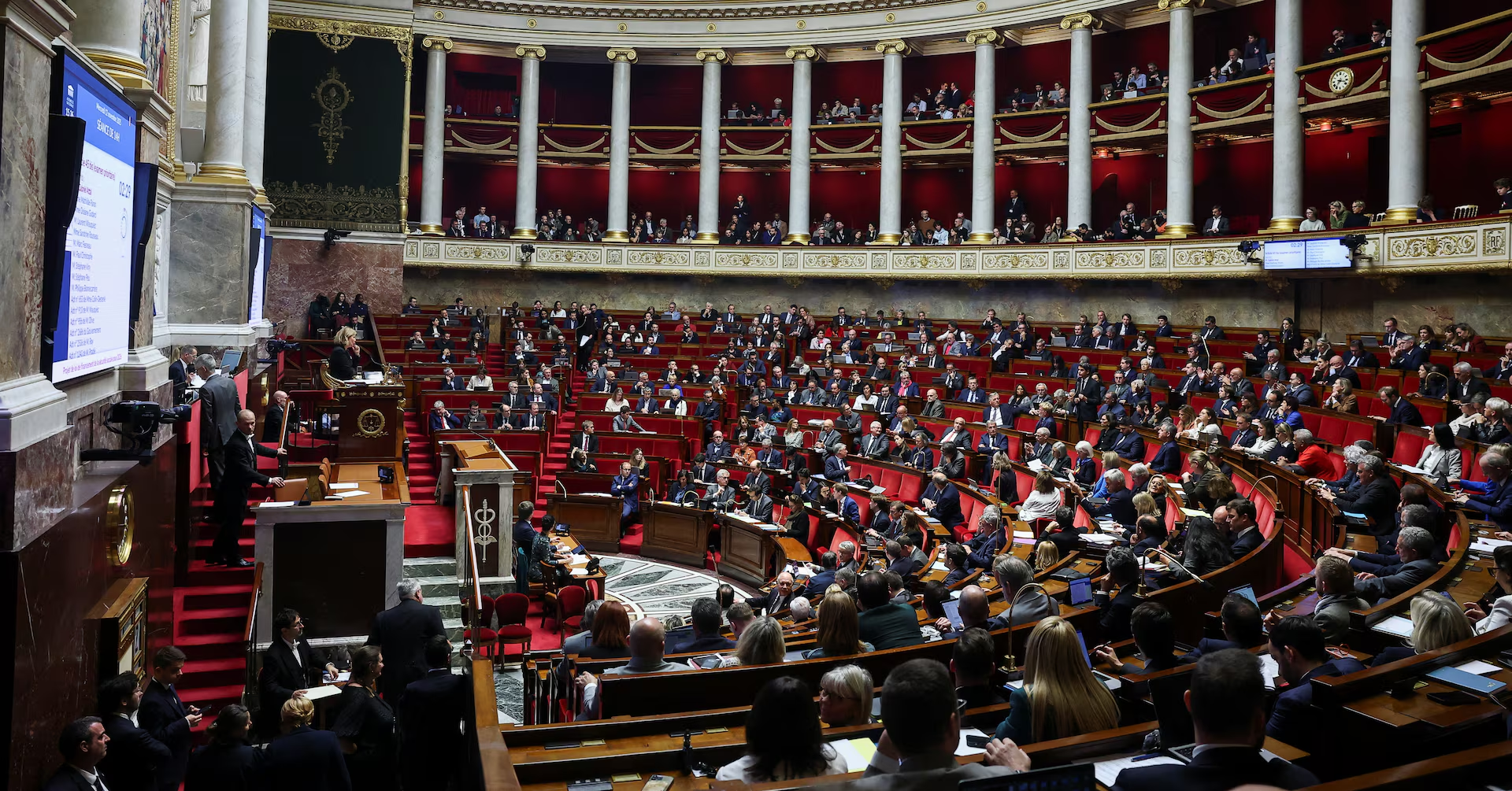
France's National Assembly approved a measure to suspend controversial pension reforms, including a plan to raise the retirement age, as part of broader budget negotiations amid political turmoil and economic challenges, such as a high public deficit and government instability.
French lawmakers voted to suspend a controversial pension reform, including a freeze on raising the pension age, as part of broader budget negotiations amid political instability and economic concerns, with the move seen as a temporary measure to maintain government stability and address fiscal challenges.
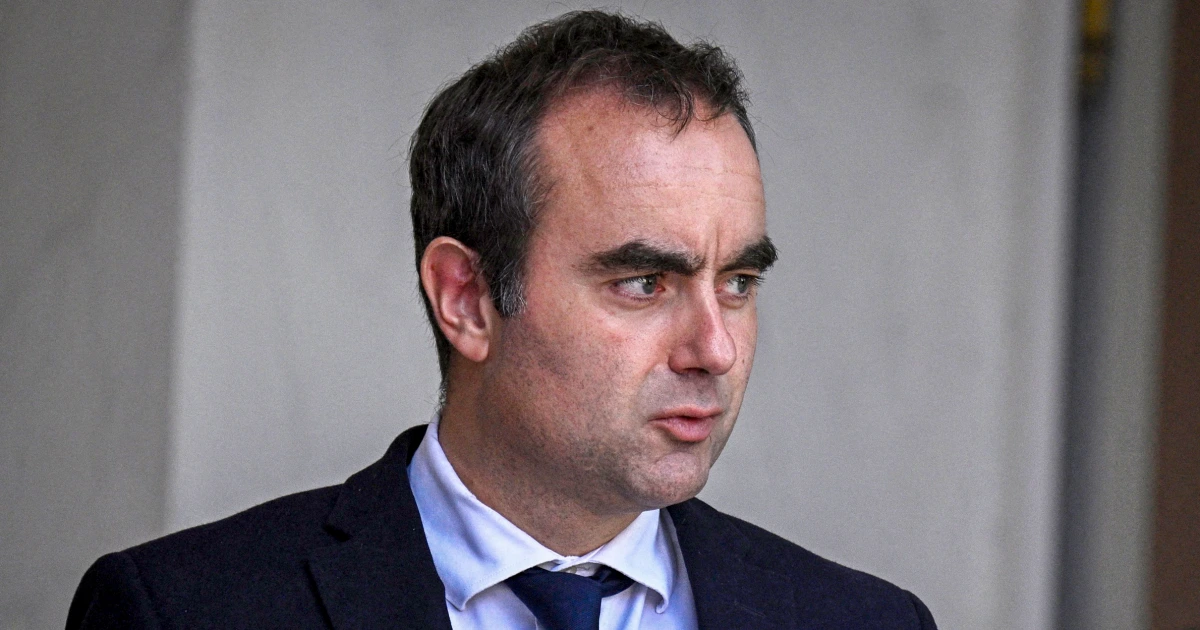
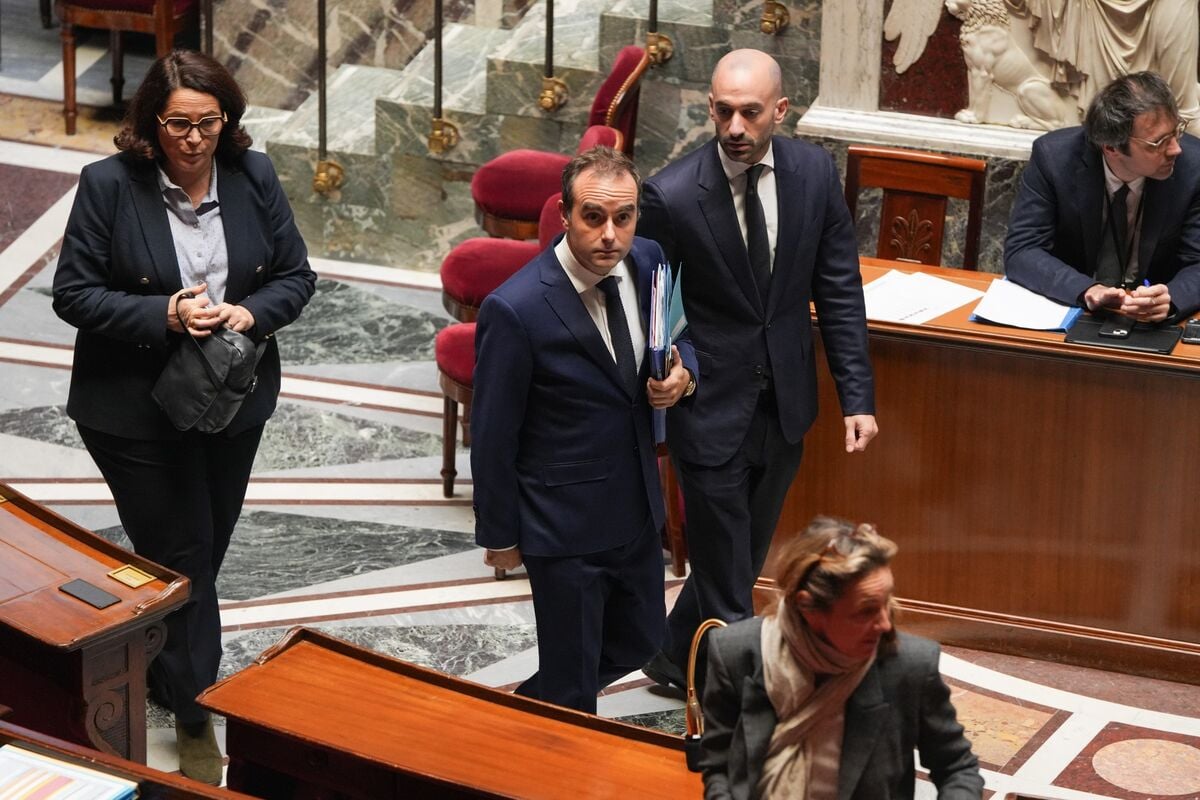
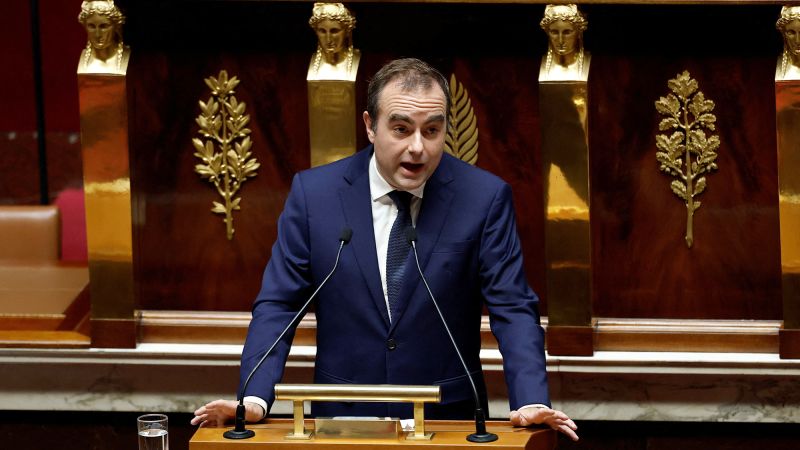
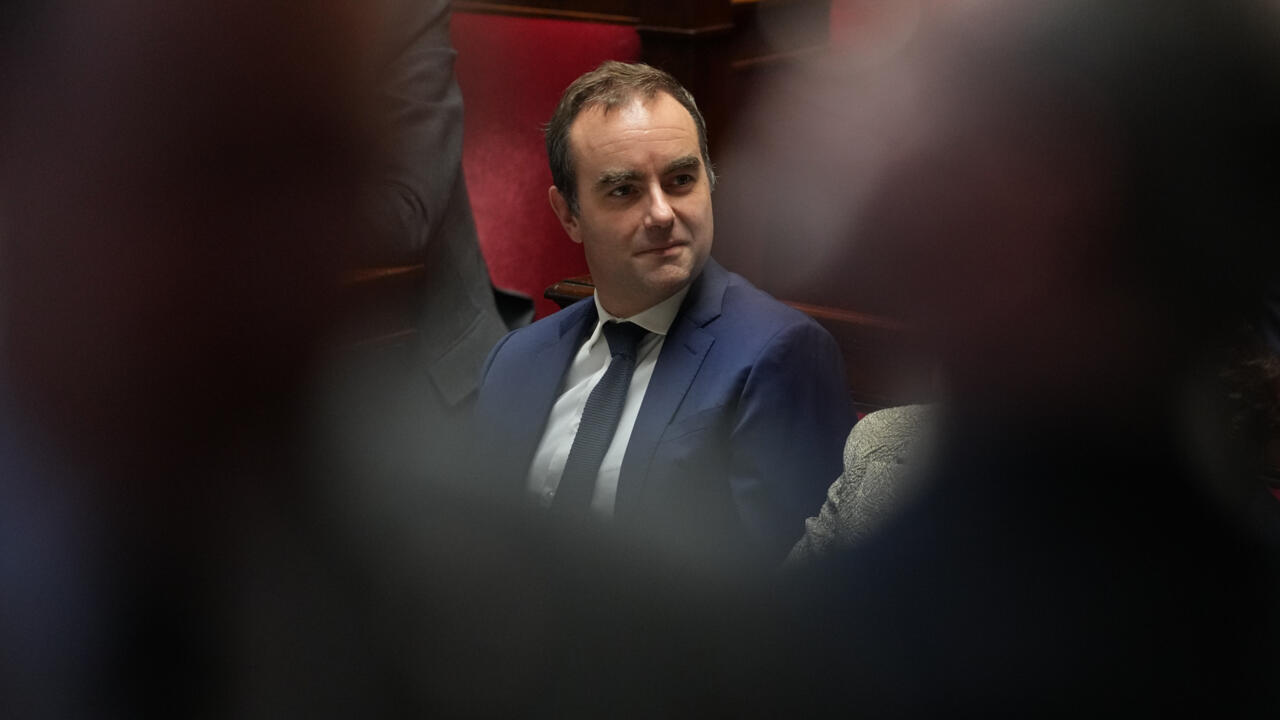
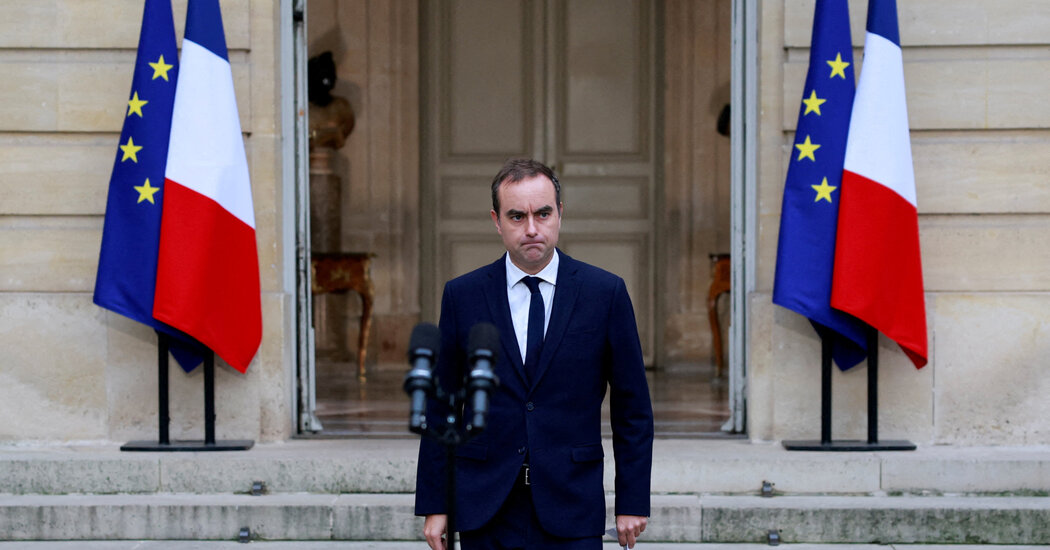
French Prime Minister Sebastien Lecornu survived two no-confidence votes after promising to suspend President Macron’s pension reform, which helped him secure crucial parliamentary support amid France's ongoing political crisis and economic challenges.
French Prime Minister Sebastien Lecornu survived two no-confidence votes, allowing for a contentious debate on the budget and pension reforms amid political instability, with implications for France's economic outlook and government stability.
French Prime Minister Sebastien Lecornu survived two no-confidence votes after promising to suspend pension reform, securing crucial support from the Socialists, but the government remains fragile amid ongoing political crisis and negotiations over the budget.
French Prime Minister Sébastien Lecornu narrowly survived two no-confidence votes in the National Assembly after securing support from the Socialist Party by pledging to suspend President Macron's pension reform, amid ongoing political turmoil.
French President Emmanuel Macron will appoint a new prime minister within 48 hours to stabilize the government amid a political crisis, avoiding snap elections despite opposition from various parties and disagreements over pension reforms.
French Socialist Party leader Olivier Faure stated that there are no guarantees that the suspension of France's controversial pension reform will proceed, amid ongoing political discussions and efforts to form a budget by the end of 2025.
Emmanuel Macron's presidency faces significant challenges as his government struggles to maintain authority following a no-confidence vote that brought down Prime Minister Michel Barnier's minority government. Macron's pension reform, which raised the retirement age, remains deeply unpopular, and his reliance on a coalition with conservative and far-right elements has faltered. Marine Le Pen's Rassemblement National, despite its contradictions, has gained ground, while the left-wing Nouveau Front Populaire alliance remains a formidable opposition. Macron's political future is uncertain, with calls for his resignation and limited options for regaining a parliamentary majority.