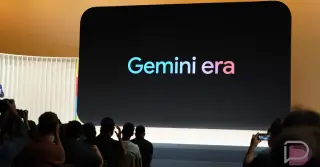
Google is testing Remy, a Gemini-powered 24/7 AI agent that can learn your preferences, act across apps, share documents, and even make purchases on your behalf, signaling a push toward proactive, oversight-enabled AI.
Google is reimagining Gmail as a proactive, relationship-aware AI assistant that can triage and surface what’s important, draft replies, and act on your behalf while you work. It’s exploring an AI Inbox in a separate tab to protect current workflows, but the plan is early, not promised, and centers on trust and privacy as it scales to billions of users.
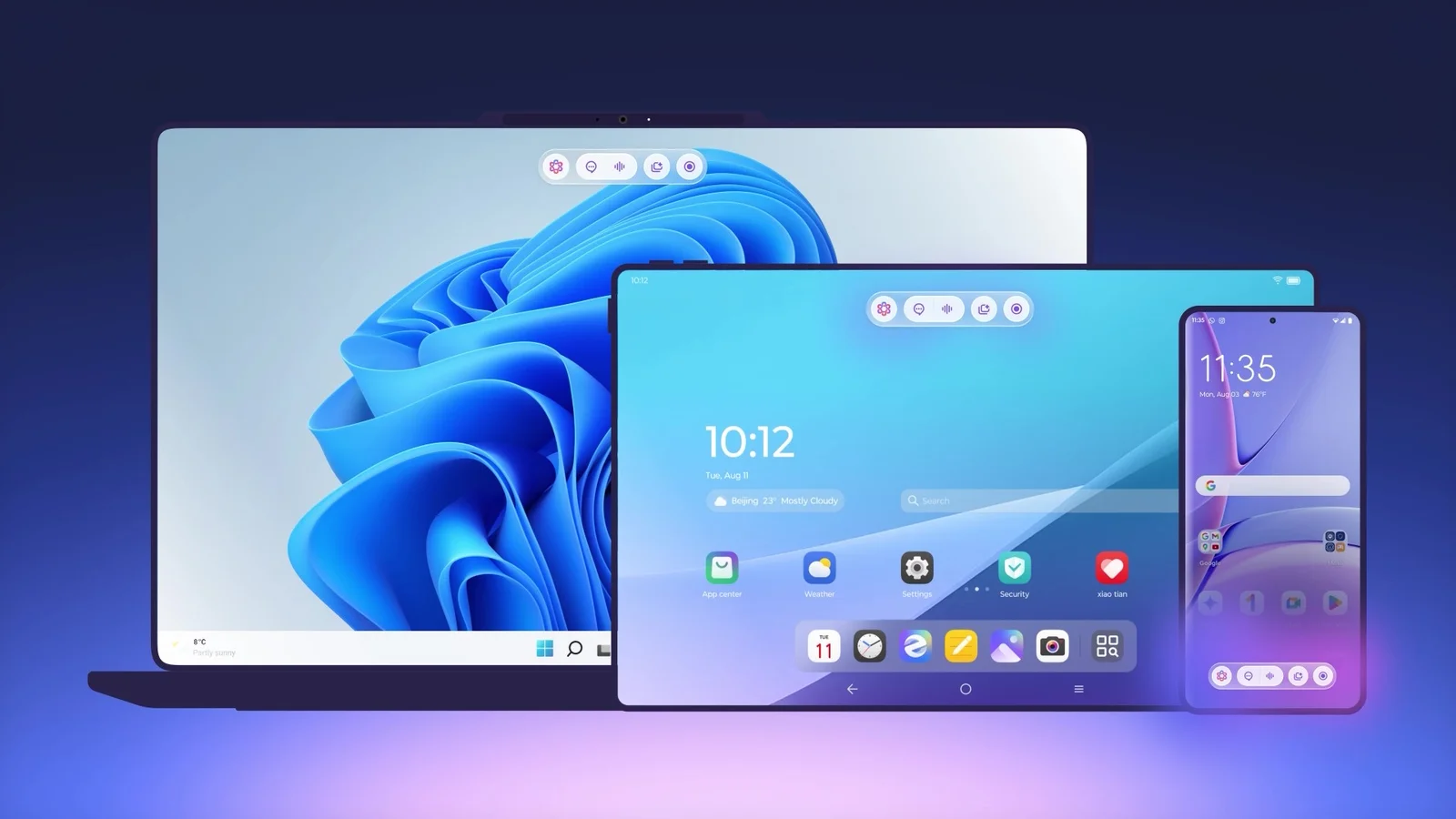
Lenovo and Motorola announced Qira, a seamless, system-level ambient intelligence that works across devices to enhance user interaction through proactive suggestions, actions, and perception, prioritizing privacy and integrating with a growing ecosystem of partners, launching in early 2026.
The article highlights a new AI feature in ChatGPT that can automatically cancel online subscriptions, showcasing the potential of AI agents in managing personal tasks, though it also discusses its limitations.
The article outlines seven strategies to optimize ChatGPT as a personal productivity tool, including creating master prompts, customizing system prompts, organizing project folders, using canvases for editing, setting custom instructions, building specialized GPTs, and integrating ChatGPT into daily routines to automate tasks, improve content quality, and enhance workflow efficiency.
The author experimented with using ChatGPT to manage his social life for a week, including planning outings, responding to messages, and choosing outfits. While initially strange, the AI helped reduce stress and increased his awareness of his habits, ultimately highlighting the human aspects of social interactions. The experience was both useful and revealing, though not without some humorous missteps.
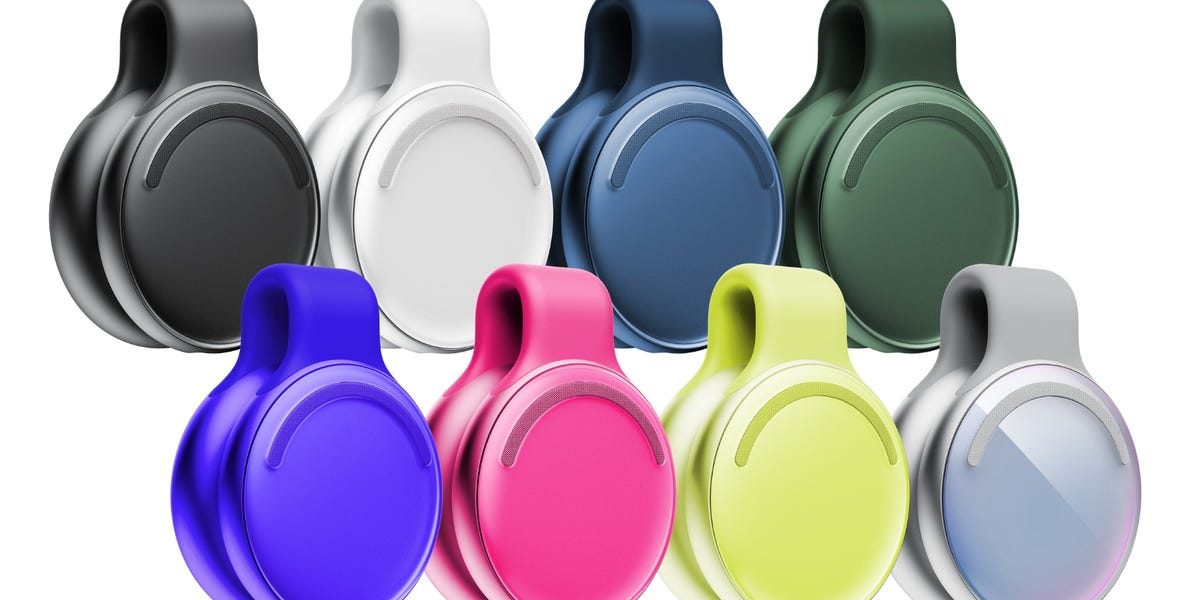
The new AI-powered Limitless pendant, available for pre-order at $99, clips onto clothing and records conversations throughout the day, serving as a memory aid and personal assistant. It features a "Consent Mode" to only capture the voices of those who have given consent, but questions remain about how it handles multiple voices and the legality of recording in different states. The pendant offers unlimited audio storage and AI functionality for $20 a month, with the first units expected to ship in August.
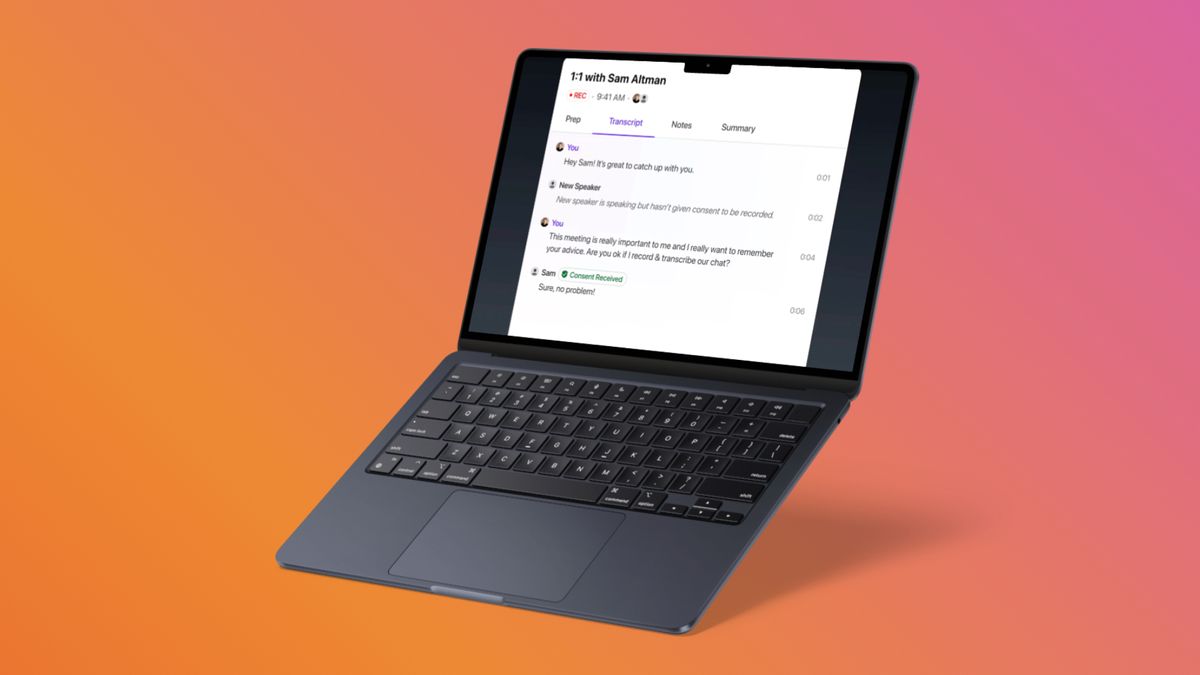
Limitless, an AI-powered Mac app, aims to be a personal assistant by listening in on meetings, making notes, and allowing users to ask questions about previous meetings. It securely saves information to the cloud and offers a free plan with limited AI interactions or a $20/month subscription for more. The app plans to integrate with notes apps and introduce a wearable pendant device to record and eventually listen to conversations. This comes ahead of Apple's expected AI upgrades at WWDC 2024.
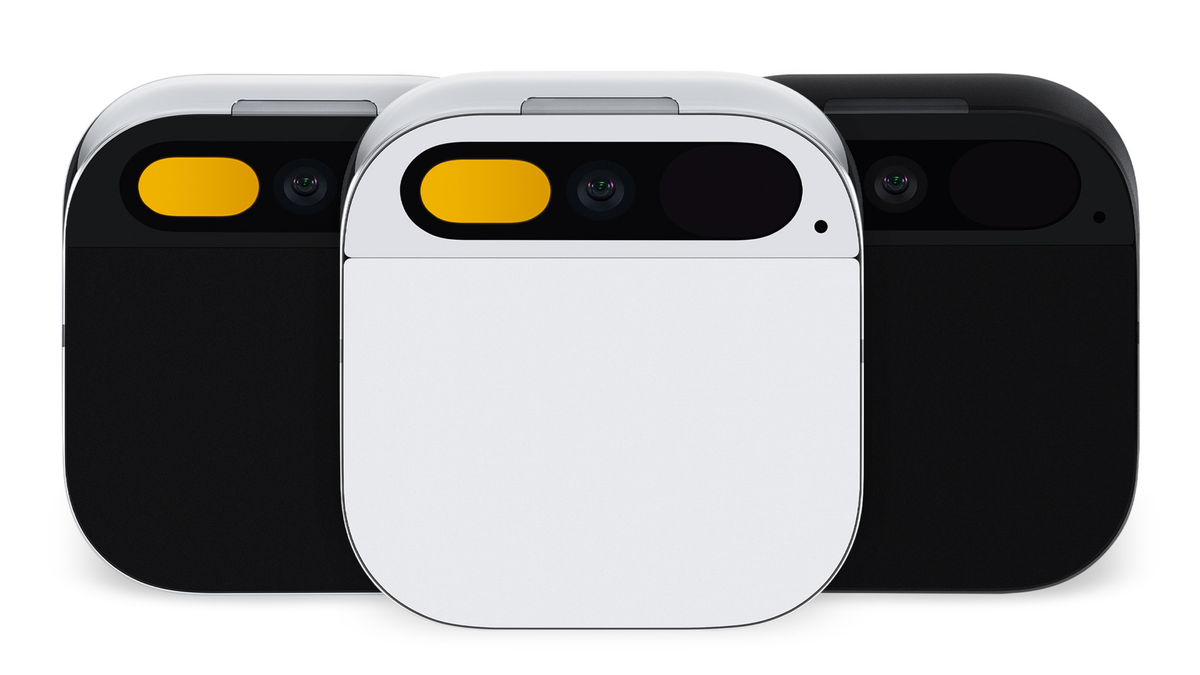
The Humane AI Pin, a divisive new wearable device, has received lukewarm reviews due to its buggy performance, slow speed, and lack of expected features. Priced at $699 for the base model, plus additional costs for data and music services, the device offers touch, voice, and projection interfaces for control, but struggles with battery life and outdoor visibility. While it can handle texts, calls, notes, and media capture, it lacks features like reminders, calendar events, and accurate visual recognition. Despite ongoing development, the device's speed and accuracy remain concerns for potential buyers.
Google Maps is integrating generative AI and large language models to provide personalized recommendations for places to visit and activities to do based on user input. The AI will leverage data from millions of places and user contributors, allowing users to ask follow-up questions and receive tailored suggestions. This update aims to simplify decision-making and improve user experience, with a trial set to begin with "Local Guides" in the U.S. before a wider rollout.
A leaked demo of "Google Assistant with Bard" reveals its integration with Google's AI-powered chatbot, offering a proactive and contextual understanding of user needs. The demo showcases how the assistant can provide tips and videos based on uploaded photos, such as offering plant care advice. Rumors suggest a potential release date in March 2024, coinciding with a planned Pixel feature drop, and the integration may be exclusive to devices powered by Google's Tensor chip.
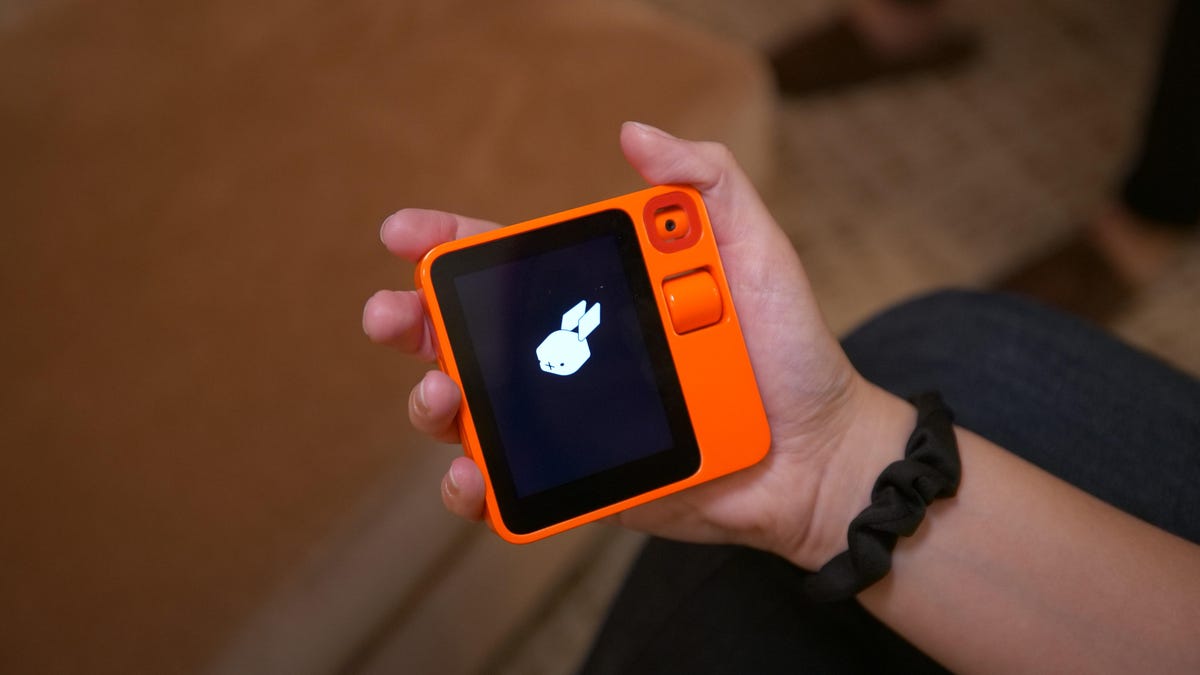
The Rabbit R1 is a small orange box designed to simplify app usage with AI assistance, allowing users to perform tasks like ordering takeout or requesting an Uber by pressing a button and speaking a command. Despite similarities to existing virtual assistants, the R1 aims to provide a less distracting and more focused experience separate from smartphones. With a retro look and compact size, the device uses AI models to learn and automate app functions, although it requires manual linking of services. While the R1 has garnered initial interest with 10,000 units sold on its first day of preorders, its success will depend on delivering a compelling software experience in a market already saturated with AI-powered devices.
Rabbit's r1 AI device, unveiled at CES 2024, combines a large language model voice assistant with a breakthrough innovation called the Large Action Model (LAM), allowing it to understand natural language requests and perform complex tasks. Priced at $199 with no ongoing subscription fees, the retro orange device has garnered attention for its ability to streamline tasks and its potential to outperform smartphones in certain areas. It is available for pre-order in the U.S. and is expected to ship globally in the coming months.
The Rabbit R1 AI personal assistant, unveiled at CES, has sold out its first two batches of 10,000 units and is now available for pre-order. Priced at $199, the device is designed in collaboration with Teenage Engineering and features a 2.3GHz MediaTek Helio P35 SoC, 4GB RAM, and 128GB storage. It relies on third-party app and web-app APIs for processing and can be connected via Wi-Fi or cellular.
Rabbit R1 is a pocket-sized device that aims to reduce smartphone usage by offering a physical AI assistant at an affordable price of $199. It features a push-to-talk button, a 2.28-inch display, and a camera for visual queries, powered by a MediaTek Helios P35 processor. While not intended to replace smartphones, it provides an app-less environment and can be connected to applications via an online portal called Rabbit Hole. The device represents an alternate future for smartphones, but its luxury price tag and limited functionality may deter some potential buyers.