BlackBerry’s QNX software, embedded in about 275 million vehicles with a $950 million backlog, is expanding into robotics and other physical AI applications such as medical devices and industrial automation, aided by a Nvidia partnership to deploy AI-enabled systems.
ON Semiconductor’s stock dropped about 24% after announcing its largest acquisition ever: an all-stock deal to buy Synaptics to expand into edge and physical AI with Synaptics’ Astra platform. The move would broaden its addressable market by roughly $30 billion to about $243 billion by 2030 and establish a new AI compute platform for edge devices and autonomous systems. Management says there is no product overlap and the core business remains strong; the deal is expected to close in mid-2027 with around $200 million in annual synergies within 18 months of close. The company also noted its data center business is performing well.
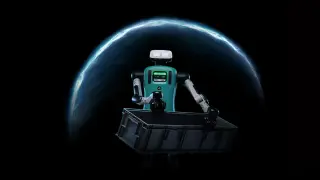
NVIDIA launches Halos for Robotics, the industry’s first full-stack safety system for robotics and physical AI, unifying AI compute, software, sensor data and third-party certification through the Halos AI Systems Inspection Lab; Agility is the first partner to integrate Halos for Robotics into its humanoid Digit for safer operation in factories, warehouses and logistics, with certification pathways through ANAB and other major bodies.
Bezos and Vik Bajaj's Prometheus has raised $12 billion in a new funding round (valued at about $41 billion) to build 'physical AI'—an effort to equip engineers with advanced computational tools to speed up invention, aiming for an 'artificial general engineer' that could drive broad technological breakthroughs. The round includes major institutional backers and Bezos’s own investment, with around 150 employees and a focus on large compute investments; while no specific products are announced yet, Prometheus is positioning itself for a potentially broader $100 billion portfolio fund to back related ventures.
OpenAI CEO Sam Altman is backing Alfred, a stealthy Hawthorne, California–based robotics software startup founded by ex-Tesla designer Ankit Ukil and ex-Meta Reality Labs engineer Dömötör Gulyas. Backed by Hydrazine Capital and other investors, Alfred aims to raise about $40 million and is building a software platform to help engineers design and deploy machines faster, with talks reportedly underway with automakers, defense, and robotics firms. Altman has framed robotics as OpenAI’s next frontier, and Alfred’s team includes alumni from Tesla, Ford, and Honda, reflecting the broader surge of investment in physical AI and the robotics arms race.
NVIDIA unveiled Cosmos 3, a fully open omnimodel designed for physical AI that combines a reasoning transformer with an expert generation transformer to understand object interactions, simulate environments, and generate actions across text, images, video, ambient sound and motion. Marketed as the first open omnimodel of its kind, it supports synthetic data generation and serves as a vision-language model, a world/simulation model, and an action-policy backbone for robotics and autonomous vehicles. The rollout includes the Cosmos Coalition with partners like Agile Robots, Black Forest Labs, Generalist, LTX, Runway and Skild AI, and Cosmos 3 is available in Super and Nano now, with Edge coming soon; access is via NVIDIA and collaborators such as Hugging Face and Azure.
Intel announced two leadership appointments to strengthen its core client computing business and advance its AI agenda: Alex Katouzian will become EVP and GM of the Client Computing & Physical AI Group, aligning client computing with edge AI, robotics and autonomous machines; Pushkar Ranade is appointed CTO, directing technology strategy across quantum computing, neuromorphic computing, photonics and novel materials. Both report to CEO Lip-Bu Tan, underscoring Intel’s push to accelerate AI-enabled computing across devices and future technologies.
Bezos-cofounded Project Prometheus is seeking roughly $10 billion in fresh funding at a post-money valuation around $38 billion to develop 'physical AI' for real-world industrial processes; the secretive startup, led by Vik Bajaj and hiring from OpenAI and Google DeepMind, has a 50-200 person team in San Francisco and could be venturing into its first major round since last year’s $6.2 billion launch raise.
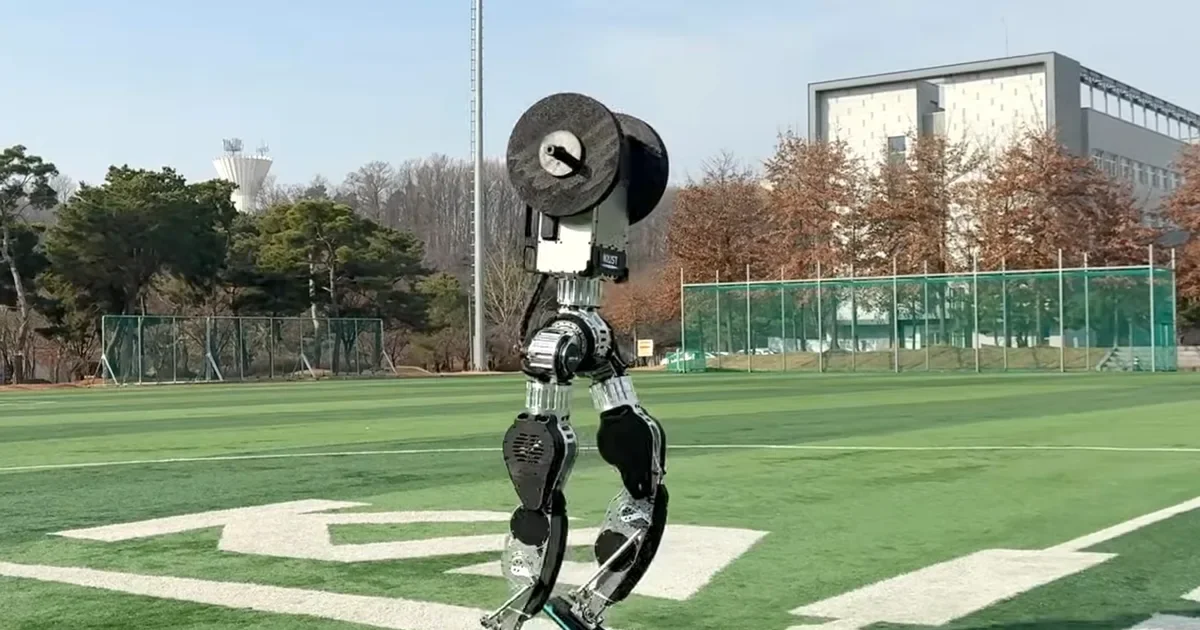
KAIST's Humanoid v0.7 demonstrates human-like movement—walking, jogging, jumping, kicking a ball—and a flawless moonwalk in field tests, powered by Physical AI that tightly integrates software with hardware for real-time interaction and continuous learning.
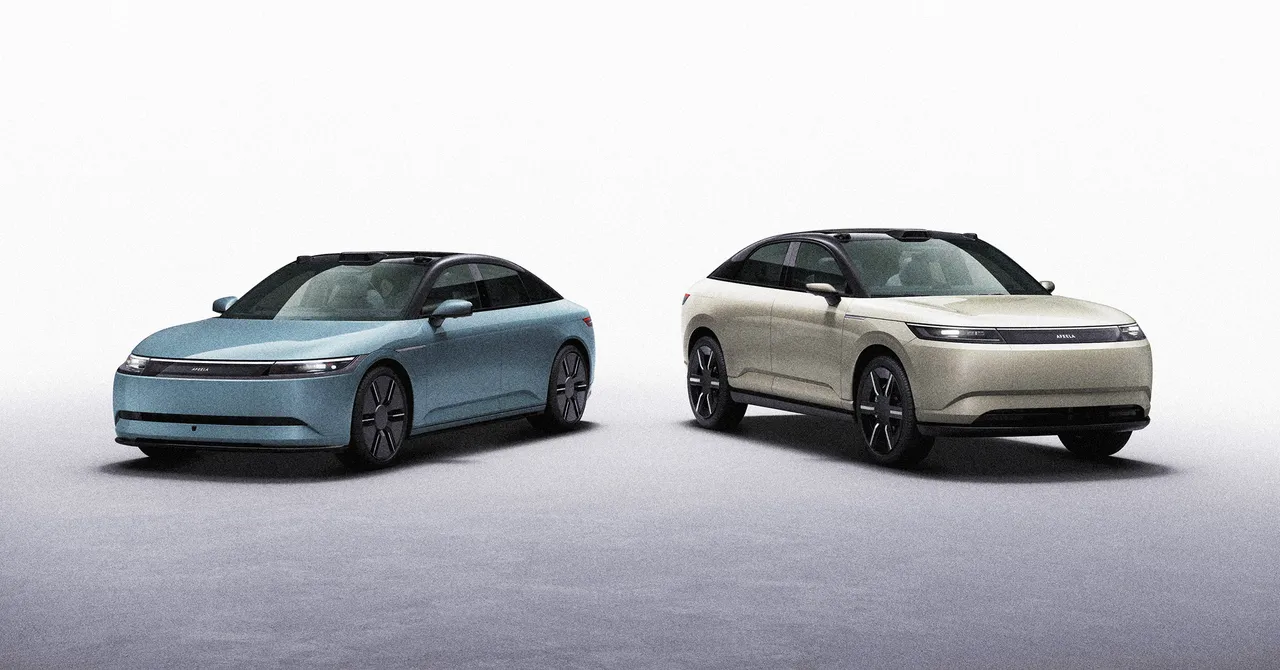
The article discusses the emerging concept of 'Physical AI,' which refers to autonomous systems like self-driving cars and robots that interact with the real world using sensors and AI, highlighting the automotive industry's push towards advanced autonomous technology and the significant role of chipmakers like Nvidia and ARM in this trend.
Alibaba is integrating Nvidia's physical AI development tools into its cloud platform, enabling developers to build AI for physical applications like robots and autonomous vehicles, as part of a broader AI investment boost.