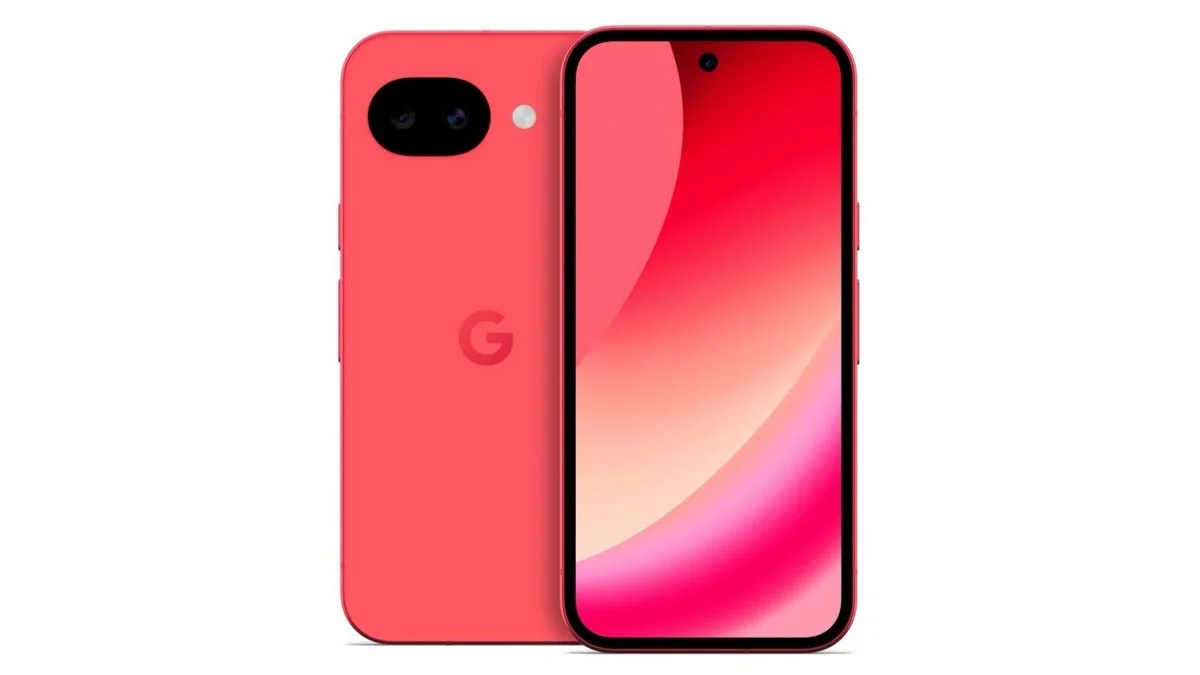
Google plans dynamic Pixel pricing in response to memory-cost spikes, with Pixel 11 likely starting higher than Pixel 10 and the Pixel 10a potentially seeing price increases as well; the company hints at RAM-efficient Android to cushion the impact and will continue offering trade-ins and promos to preserve value.
Google’s Android 17 upgrade brings app bubbles to Pixel, rolling out to the stable release. You can turn up to five apps into floating bubbles with a long-press in the app drawer, manually add more via the bubbles panel, and automatically group them. The feature is designed to streamline daily multitasking across work and personal apps like Slack, Gmail, YouTube, and WhatsApp.
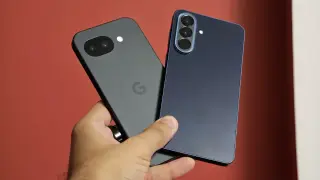
Google’s Pixel 10A and Samsung’s Galaxy A57 go head-to-head in the midrange segment. The Pixel 10A is compact and affordable at $499 with a 6.3-inch display, plastic back, Tensor G4, 5,100 mAh battery, 30W charging, IP68, and seven years of OS updates, while the Galaxy A57 offers a larger 6.7-inch, slimmer-bezeled design, glass back, Exynos 1680, 5,000 mAh battery with 45W charging, a triple camera setup, and six years of OS updates. Both run Android 16 with AI photo features, but differ in design, charging speed, and camera versatility. If you want a small, long-update device, the Pixel 10A is the pick; if you prefer a big screen, fast charging and a more versatile camera setup, the A57 has the edge.
Verge’s budget-phone guide highlights the iPhone 17E as the best cheap iPhone and points to the Google Pixel 10A (with Nothing Phone 4A Pro as a strong Android alternative) as standout options, delivering solid performance, long software support, MagSafe on the iPhone, and good value for under $600.
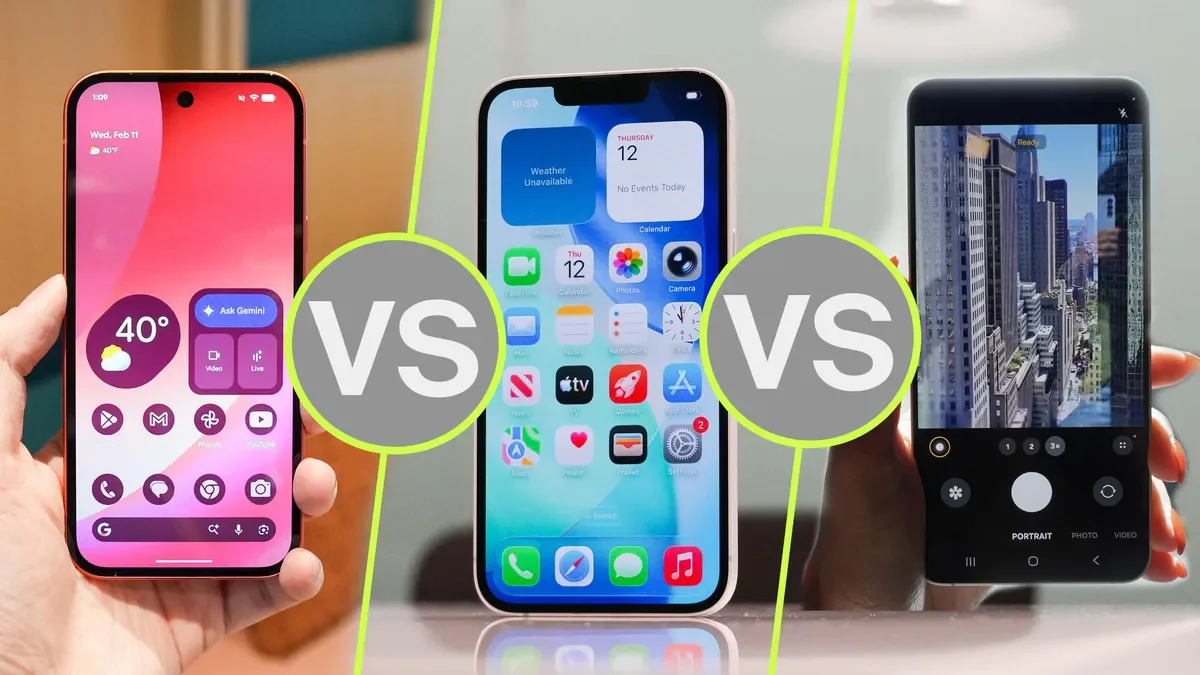
Three midrange smartphones—iPhone 17e, Pixel 10a, and Galaxy A56—are compared for value, display, performance, and ecosystem. Pixel 10a offers the best bang for the buck and a sharp display, iPhone 17e delivers top performance and MagSafe compatibility, and Galaxy A56 provides a strong camera and highly customizable software. The writer’s pick is the iPhone 17e, though all are solid choices; prices span roughly $499–$799.
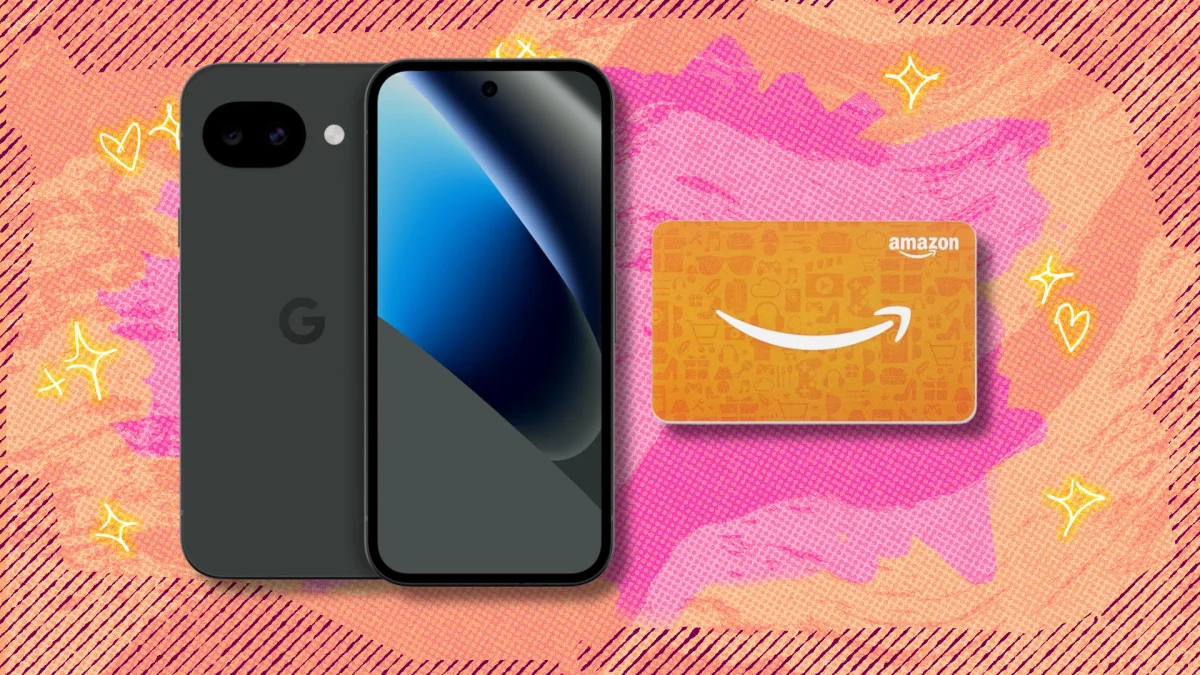
The Verge rounds up preorder deals for Apple’s upcoming MacBooks and other launches (shipping March 11), highlighting gift-card promos: Best Buy offers $25 with the MacBook Neo, $50 with the MacBook Air, and $100 with the MacBook Pro; Samsung Galaxy S26 models land $100–$200 gift cards on Amazon, and Google’s Pixel 10A comes with a $100 gift card through Best Buy/Amazon. The piece also flags other deals (Birdbuddy feeder, Marathon on Steam) in this week’s tech bargains.
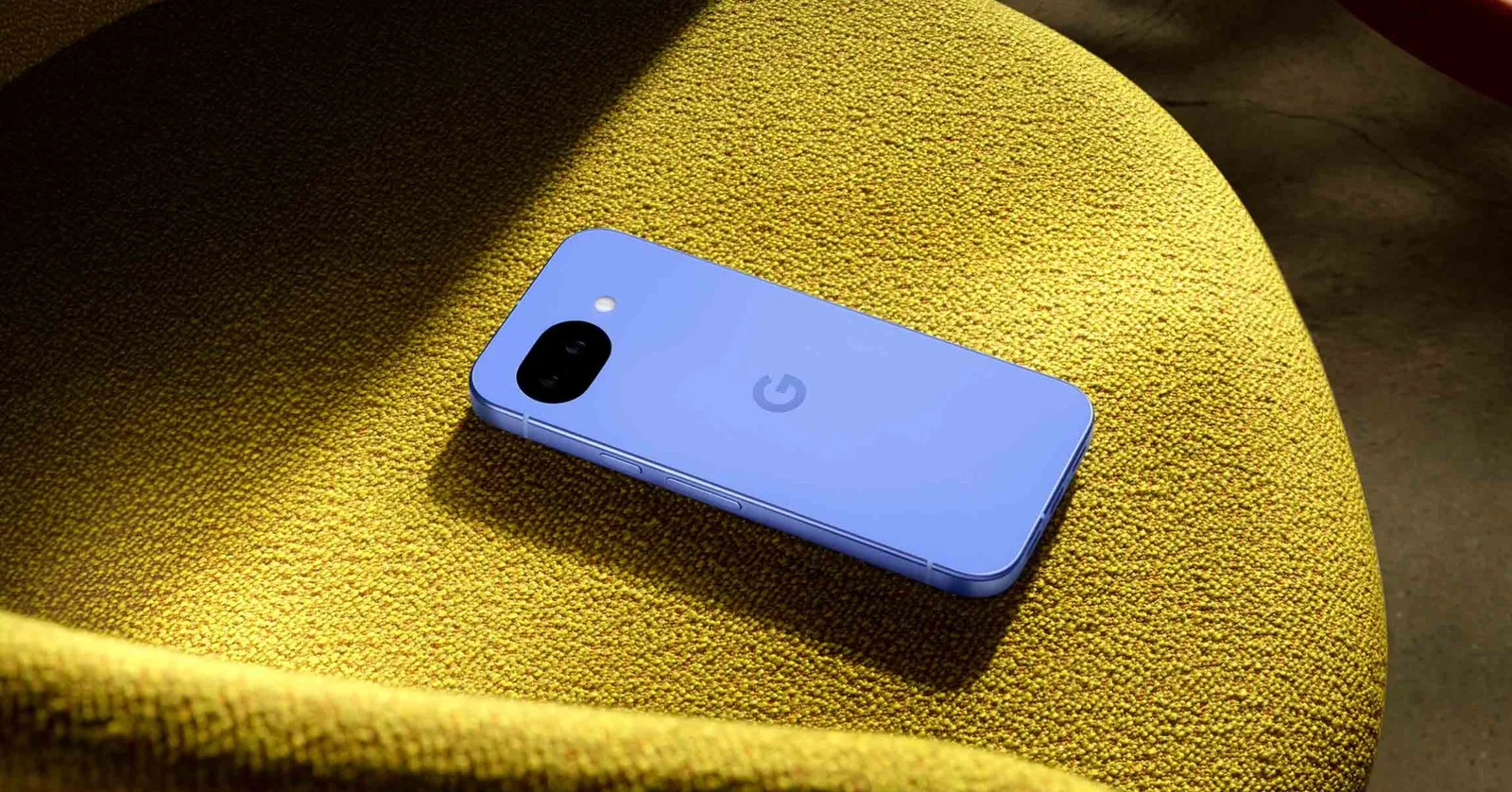
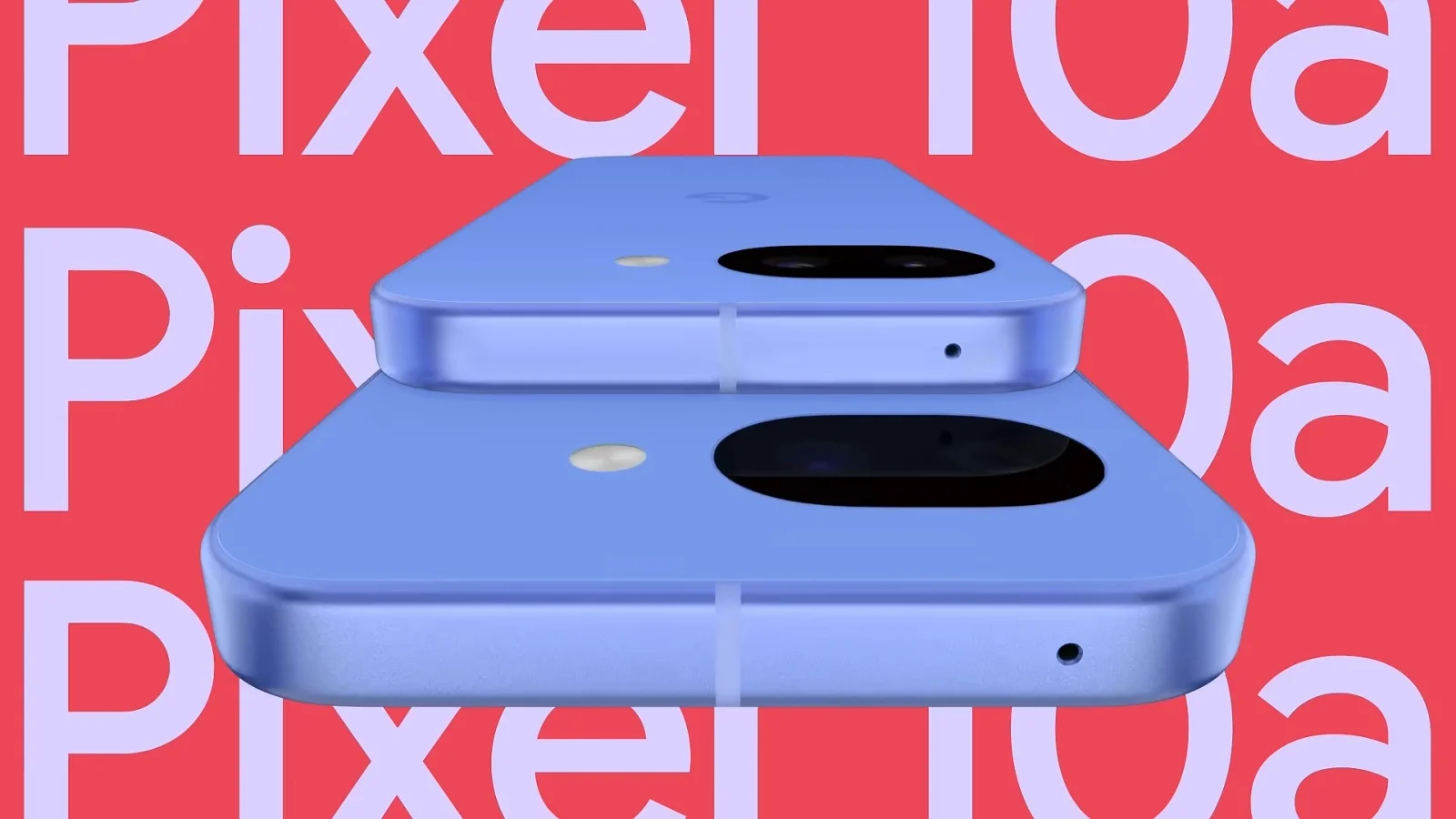
Android Central’s Pixel 10a review argues it’s largely a Pixel 9a recycled but still a strong value: it sticks with the Tensor G4, 8GB RAM, and the same camera system, adds a flush, redesigned camera bump and Satellite SOS thanks to a new modem, and offers faster charging and a brighter 6.3-inch display with Android 16 and seven years of updates; at $499–$599 it remains the best $500 Android option, though it lacks Qi2, Pixelsnap, and on‑device AI improvements due to RAM constraints.
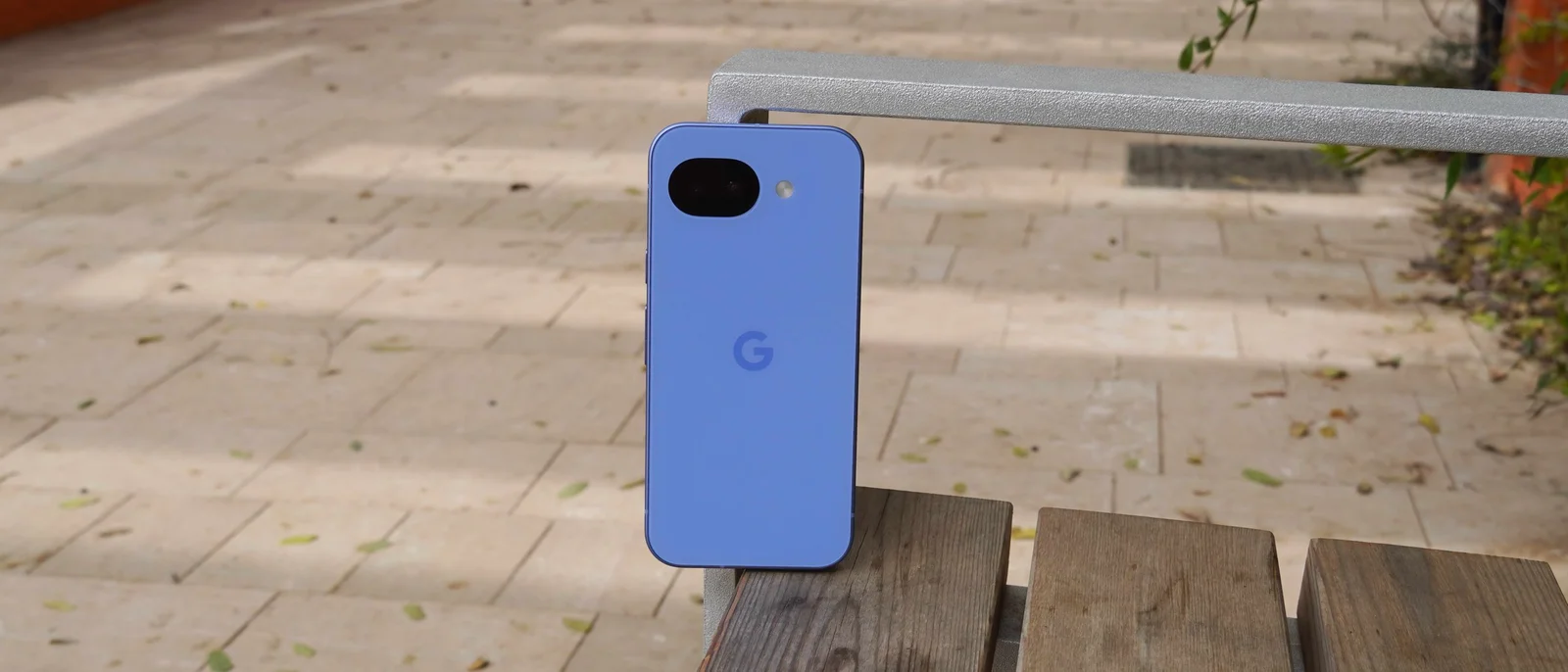
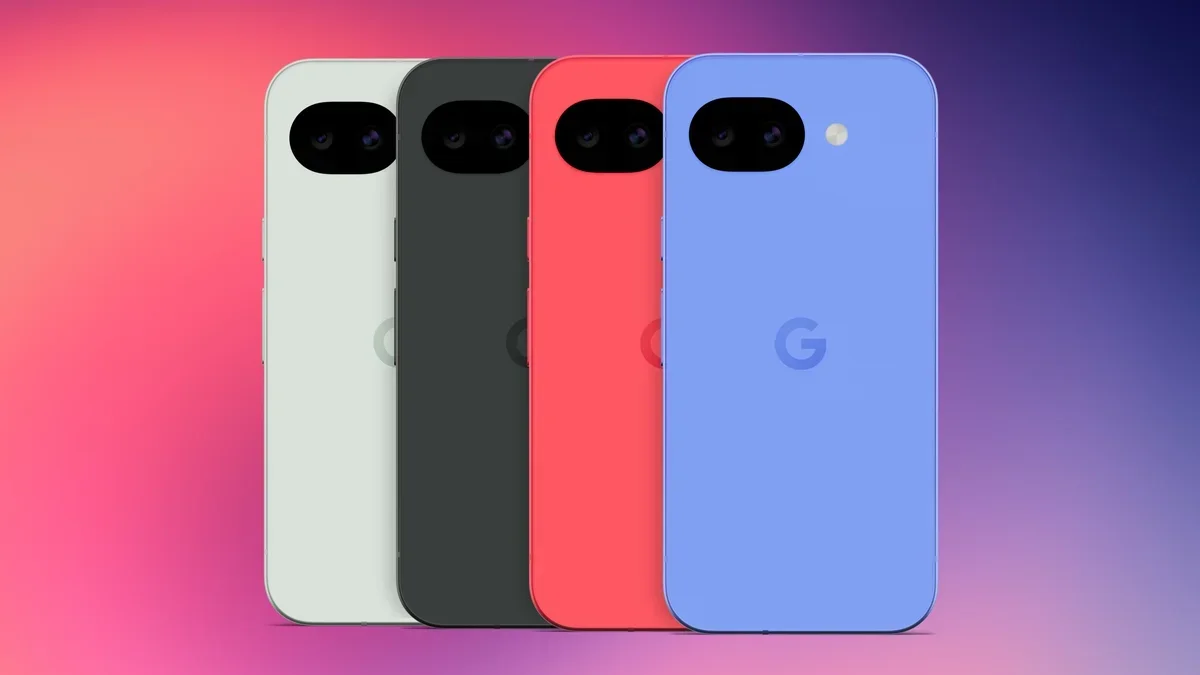
Amazon is taking preorders for the Google Pixel 10a at $499, bundling a physical $100 Amazon gift card with the phone; the budget device launches March 5 and features a 6.3-inch 1080x2424 display with 60-120Hz adaptive refresh, Google Tensor G4, 8GB RAM, 128/256GB storage, a 48MP/13MP rear camera setup and a 13MP selfie camera, in Lavender, Berry, Fog, and Obsidian.
Google’s Pixel 10a lands as a largely incremental upgrade over the Pixel 9a Plus, sharing the Tensor G4, design, and camera setup but adding a brighter display (up to 3000 nits), Gorilla Glass 7i, Satellite SOS, and faster 45W charging on a 5100 mAh battery. At $499, the upgrade is modest and keeps the 9a as a strong value, with many hoping for a true leap like a telephoto camera in a future release.
Google Store now applies instant trade-in credits at checkout for Pixel devices, mirroring Samsung’s upfront discount model; pricing pages show the trade-in credit applied immediately (e.g., trading in a Pixel 8a could drop a Pixel 10a 128GB to about $284). Final value can change based on actual device condition, with potential extra charges or refunds, and the program appears to extend to other Pixels like the Pixel 10 Pro, signaling a broader shift for future launches.
The Pixel 10a is largely a Pixel 9a with a flatter back, brighter 6.3-inch OLED display, and a tougher Gorilla Glass 7i, plus two AI camera features. It also adds a satellite-based emergency SOS modem and Bluetooth 6.0 with faster charging. Core specs (Tensor G4, 8GB RAM, 128/256GB) remain the same, so performance is similar; battery life is also comparable, though updates extend longer on the 10a (through 2033 vs 2032). With identical pricing, the upgrade is modest—worth it mainly for the SOS capability and longer software support; otherwise, the 9a may drop in price and remain a strong option.
Google reportedly sent launch-day coupons for the Pixel 10a that cut prices by $50–$100, potentially dropping the price to about $399 from a $499 starting point. The codes may be tied to sign-ups or eligibility with existing Pixel owners, as Google opened a Pixel 10a teaser and users prepare for the February 18 pre-orders.
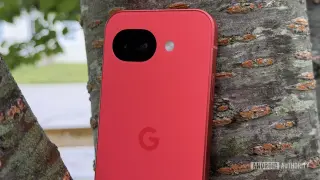
Google teases the Pixel 10a with a redesigned flush dual-camera rear and confirms pre-orders begin February 18 (7 AM Pacific / 10 AM Eastern). A Tracfone leak fills in specs: 5,100 mAh battery, 128GB base storage, IP68 durability, a 48MP/13MP rear dual-camera setup with a 13MP front camera, and Android 16, with official details on chipset and RAM still forthcoming. A Berry red color image was shown in the leak, and full details are expected at the February launch.
A leaked spec sheet claims the Pixel 10a will feature 45W wired charging matching the Pixel 10 Pro XL, while retaining a Pixel 9a–sized battery and using the Tensor G4 instead of a newer processor, delivering a fast-charging upgrade but a processor downgrade ahead of the February 18 pre-orders.
Leaked Pixel 10a specs outline a 6.3-inch 1080p OLED with 120Hz, 8GB RAM, and 128/256GB storage, powered by the Tensor G4 and a 5,100mAh battery that supports 45W wired charging. The phone retains IP68, Gorilla Glass 7i protection, and a triple-camera setup (48MP main + 13MP ultrawide; 13MP selfie) and runs Android 16 with seven years of updates. Expected to start around €499 in Europe and $499 in the US for the base variant, with subtle design tweaks and Bluetooth 6.0; wireless charging availability remains unconfirmed in current reports.