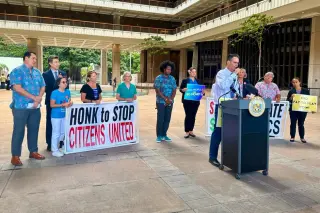
Hawaii lawmakers introduced a bill to limit corporate spending in political campaigns, aiming to reduce corporate influence in elections in response to the Citizens United ruling.
Hong Kong’s largest pro-democracy party has voted to disband after over 30 years of activism, citing the regression of democratic freedoms under Beijing’s influence and electoral reforms that exclude pro-democracy politicians. The party’s leadership expressed hope for a future where Hong Kong might regain more openness and democracy, depending on the will of its people.
Young protesters in Madagascar, part of the Gen Z movement, are demanding the president's resignation and systemic reforms, continuing their fight despite violence and casualties, inspired by youth-led protests in other countries and rejecting government negotiations they see as insincere.
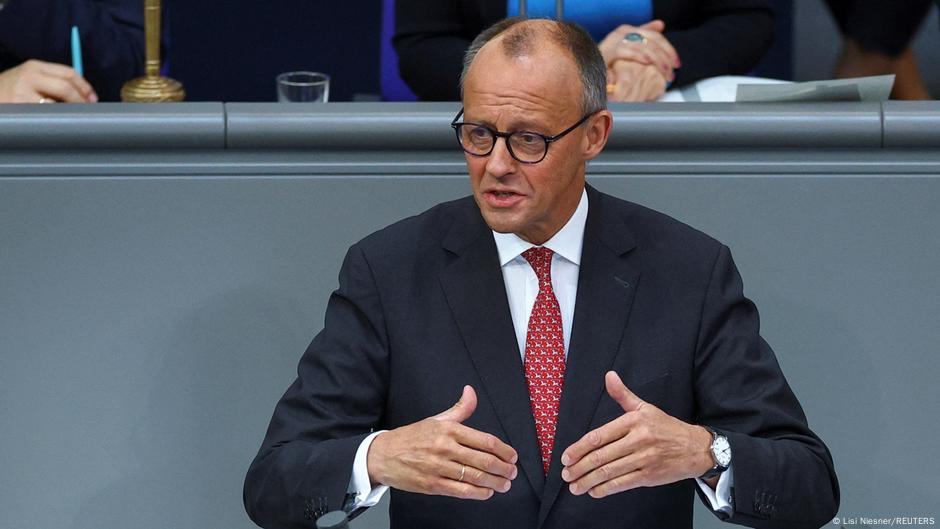
Germany faces significant challenges including far-right extremist threats within its military, political debates over reforms and migration policies, and rising support for the far-right AfD party, while also dealing with a tragic chemical accident and the ongoing Madeleine McCann case. Chancellor Merz calls for major reforms amid geopolitical and economic pressures, as political tensions and security concerns intensify.
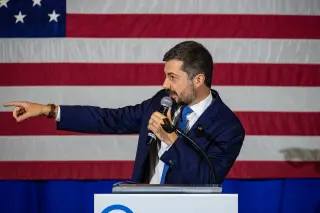
A Texas state representative, James Talarico, announces his bid for the U.S. Senate seat held by GOP Sen. John Cornyn, emphasizing a need for a political 'reset' and appealing to voters seeking change, while criticizing his party's national leadership and advocating for transformation over preservation.
A WSJ-NORC poll reveals Americans' declining faith in the idea that hard work leads to economic success, highlighting issues like high wealth inequality, tax system biases favoring capital over labor, and a lack of effective political representation, which collectively erode trust in the American Dream and the fairness of the economic system.
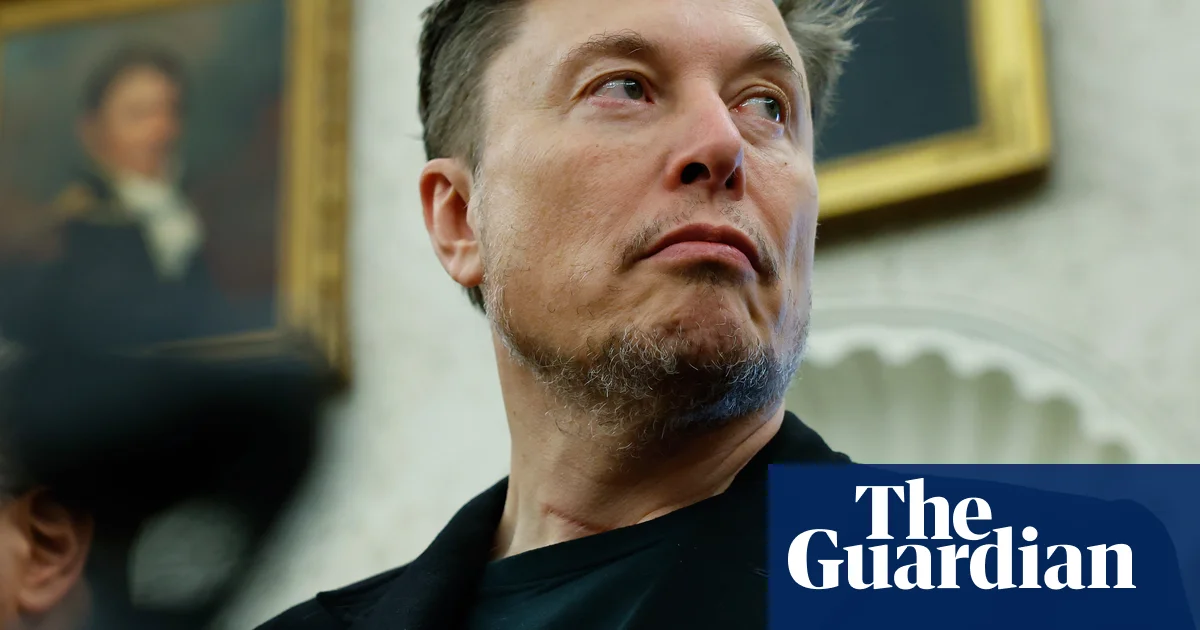
Elon Musk announced the formation of a new political party called the America Party, aiming to challenge the two-party system in the US, which has drawn criticism from political figures including Trump's treasury secretary, Scott Bessent, who advised Musk to focus on his business interests. The move has intensified tensions between Musk and Trump, with Musk criticizing recent legislation and questioning the current political system.
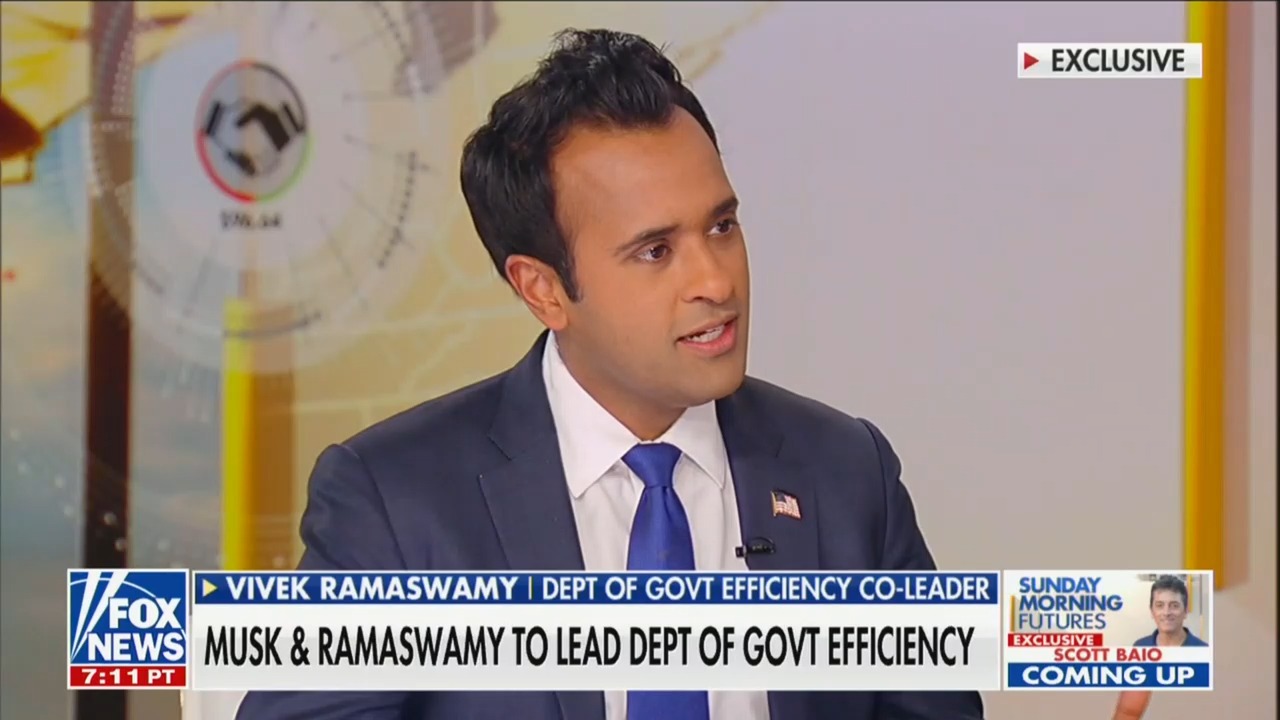
Vivek Ramaswamy, speaking on Fox News, stated his intention to "delete" certain government agencies as part of his political reform agenda. He emphasized the need for significant changes in the structure and function of federal agencies to improve efficiency and accountability.
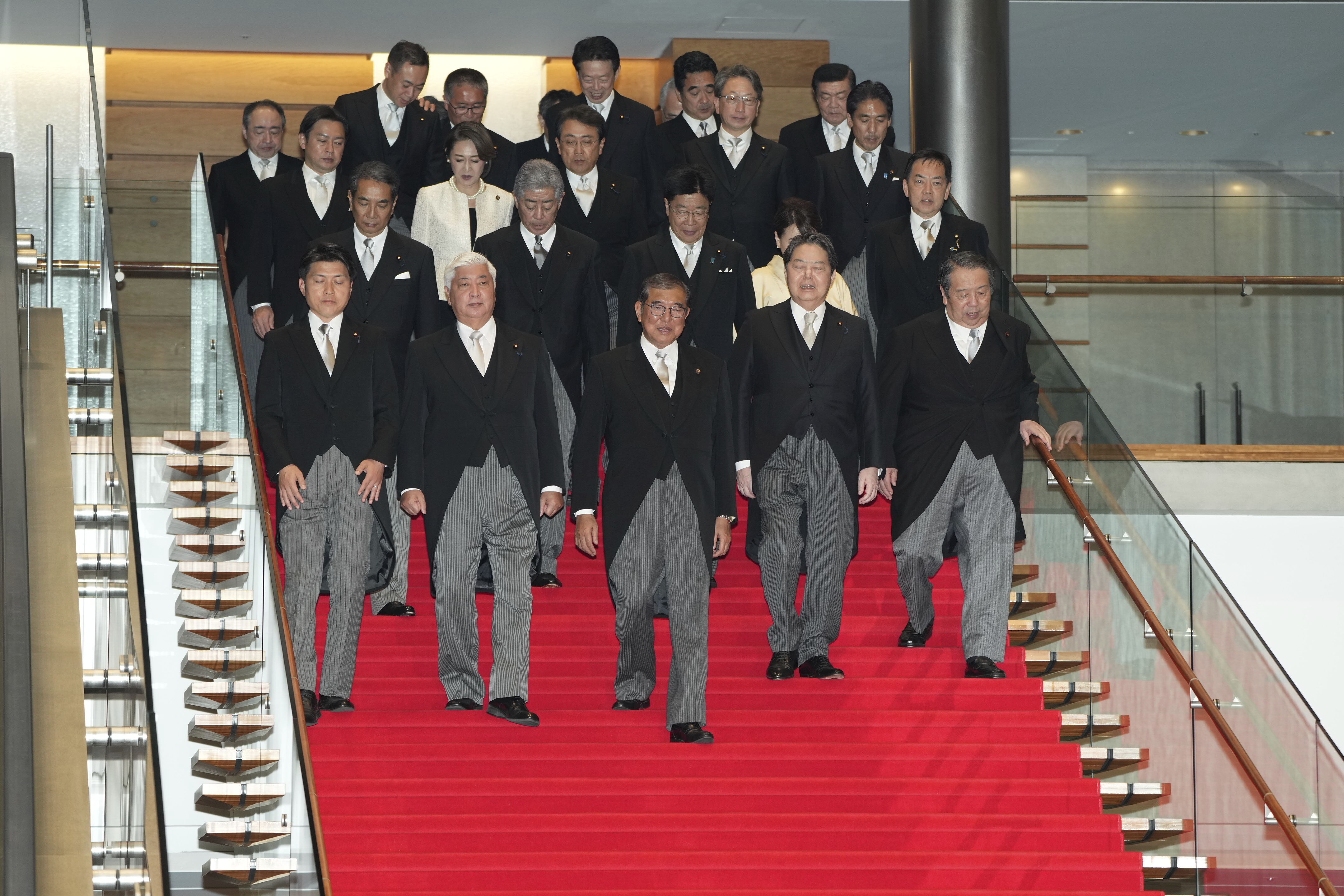
Japanese Prime Minister Shigeru Ishiba has vowed to implement stricter reforms against political fund misuse after his coalition suffered significant losses in the recent elections. Despite losing a majority in the Lower House, Ishiba was re-elected by parliament and plans to strengthen Japan's defense and international partnerships. He aims to work more closely with opposition parties and smaller conservative groups to stabilize his government and pursue policy goals, while addressing public discontent over financial misconduct within his party.
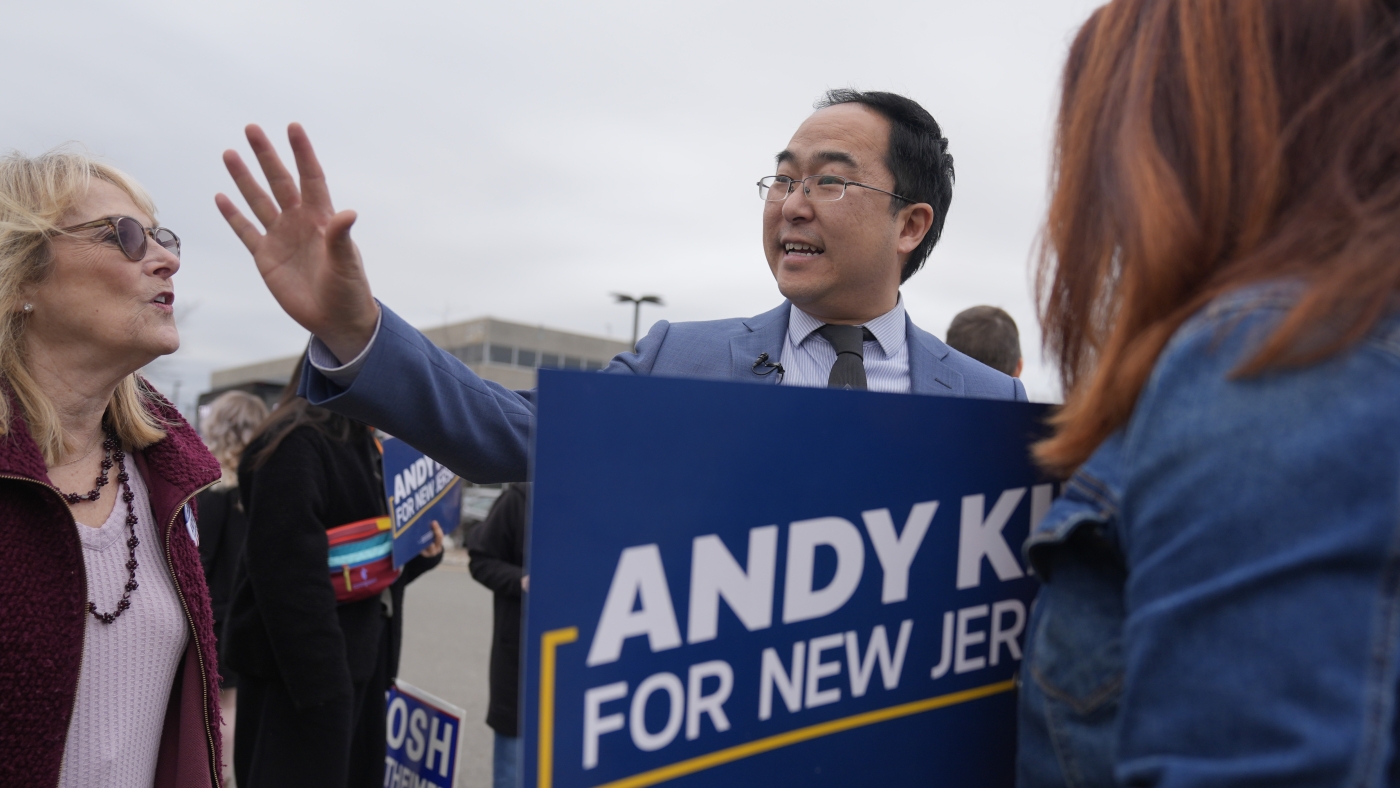
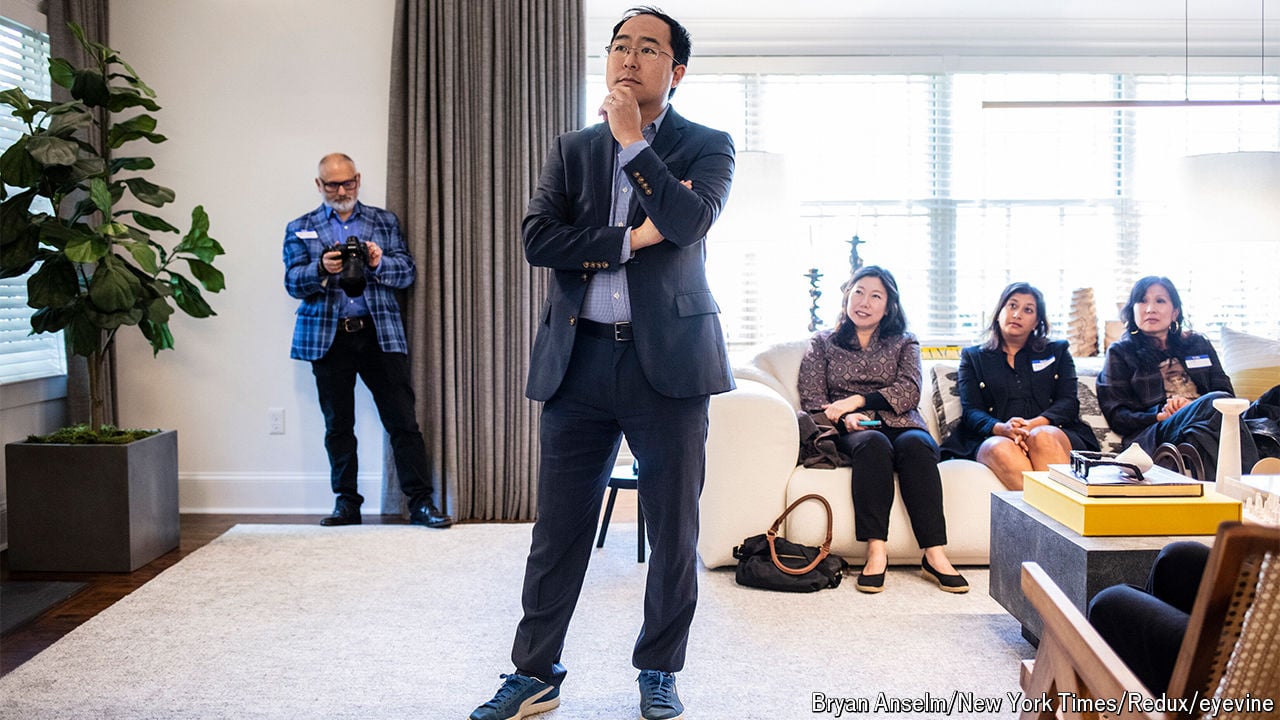
Rep. Andy Kim, D-NJ, has emerged as a frontrunner in the New Jersey U.S. Senate race after challenging the state's century-old ballot system and calling for Sen. Bob Menendez's resignation amid corruption charges. Kim's campaign gained traction despite opposition from the Democratic political machine, leading to a court ruling that barred the discriminatory ballot system. With Menendez running as an independent and no Republican winning a Senate seat in New Jersey for over 50 years, Kim is now heavily favored to win in November.
Congressman Andy Kim challenged the archaic county line system in New Jersey's electoral process, which gives preferential placement to candidates endorsed by county party chairs. Kim filed a federal lawsuit asserting the system was unconstitutional, leading to the demise of the county lines system. This could significantly impact the upcoming Senate race and next year's governor's race, marking a major change in New Jersey politics.
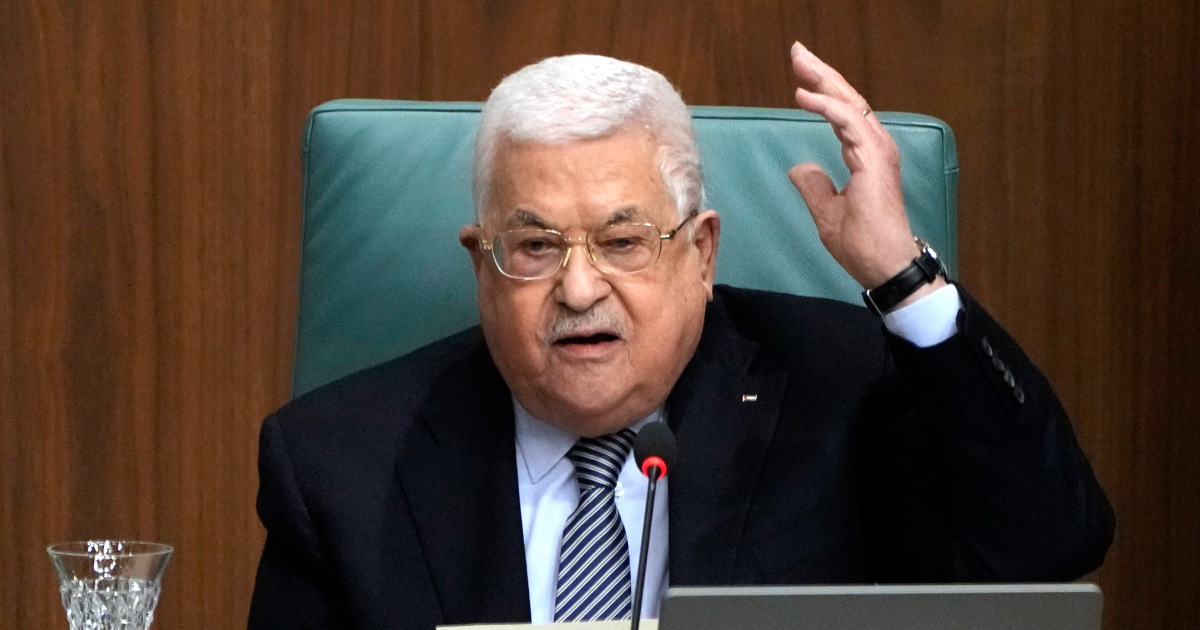
The United States has welcomed the formation of a new Palestinian autonomy government as a step toward political reform, expressing hope that it can administer the Gaza Strip post-war. The Palestinian Authority, led by President Mahmoud Abbas, has named a new lineup of ministers, including U.S.-educated economist Mohammad Mustafa as prime minister. However, the authority faces challenges in gaining popular support and legitimacy, particularly in Gaza, where Hamas holds power and has rejected the new government. The U.S. envisions a reformed Palestinian Authority administering Gaza, but reconstruction and security control remain significant hurdles amidst the aftermath of the Israel-Hamas war.
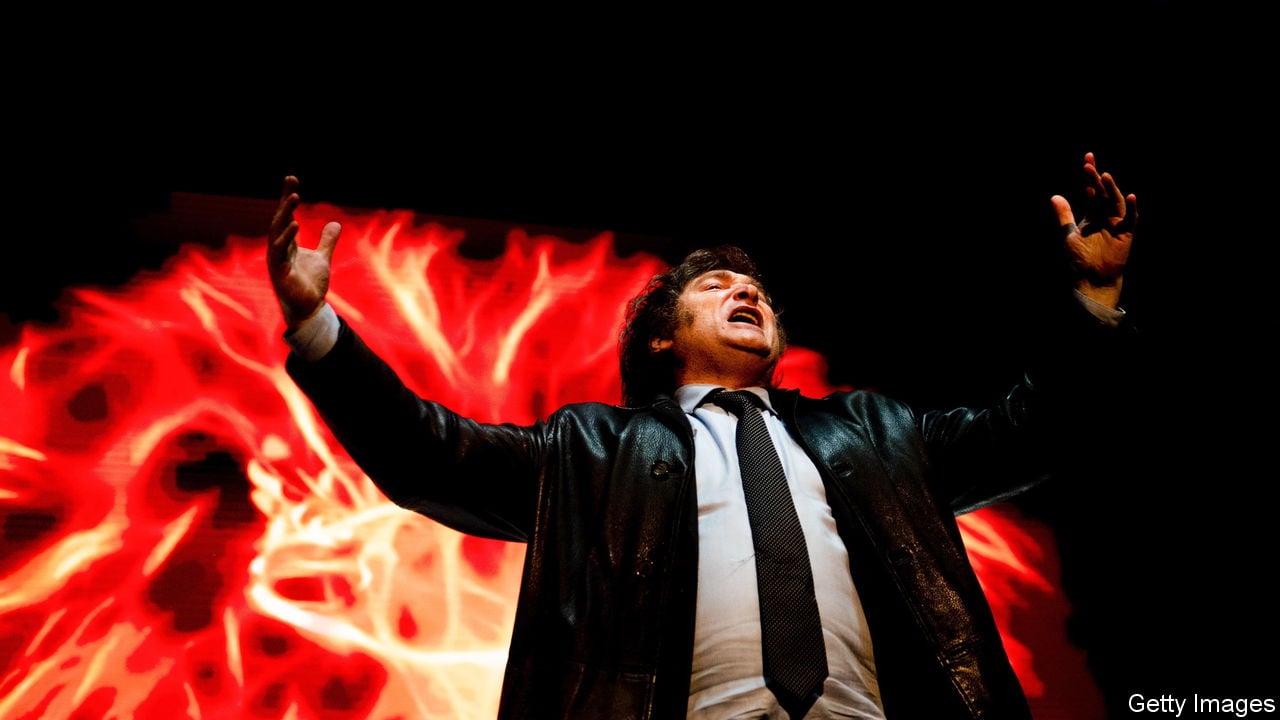
After 100 days in office, Argentine President Javier Milei has made significant economic strides by achieving monthly fiscal surpluses, reducing inflation, and stabilizing the country's currency. However, these successes have come at a high cost, with an estimated 50% of Argentines living in poverty and the economy expected to shrink by 4% this year. Milei's popularity remains high, but his lack of support in Congress poses a challenge to enacting deep reforms. The next 100 days will be crucial as he seeks to navigate the intertwined challenges of economic recovery and political support.
Mexican President proposes a radical constitutional overhaul, aiming to centralize power and implement political reforms. The proposed changes include extending the president's term and allowing for re-election, as well as reducing the number of lawmakers and restructuring the judiciary. This move has sparked controversy and raised concerns about potential authoritarianism.
Ukrainian President Volodymyr Zelenskyy has promised to overhaul the country's leadership, aiming to bring in new faces and fresh ideas. This move comes as part of his efforts to implement political reform and combat corruption within the government.