Tag

Population Study

All articles tagged with #population study

Elusive Humboldt marten resurfaces in California forests with about 500 individuals remaining
environment2 months ago

Elusive Humboldt marten resurfaces in California forests with about 500 individuals remaining

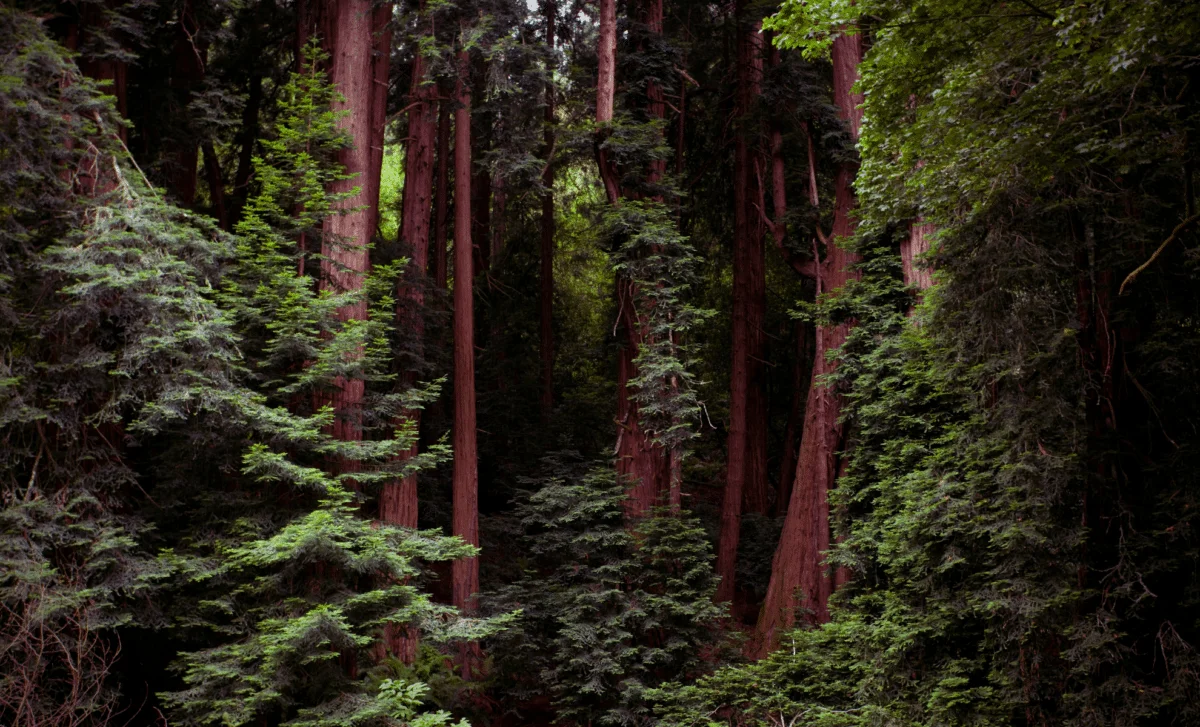
A rediscovered coastal marten (Humboldt marten) in northern California is estimated to number about 500 individuals, occupying roughly 5% of its historic range. Researchers used 135 remote cameras and 285 hair snares over 400 square kilometers to gather data, finding 28 males and 18 females and a density of about one marten per three square kilometers. The species favors complex, high-canopy forests with large trees, snags, and hollow logs. Habitat loss, climate change, and logging threaten its survival, underscoring the need for forest protection and continued monitoring.

"Unraveling the Enigma of Shark-Bitten Orcas in Deep-Sea Canyons"
biology2 years ago

"Unraveling the Enigma of Shark-Bitten Orcas in Deep-Sea Canyons"

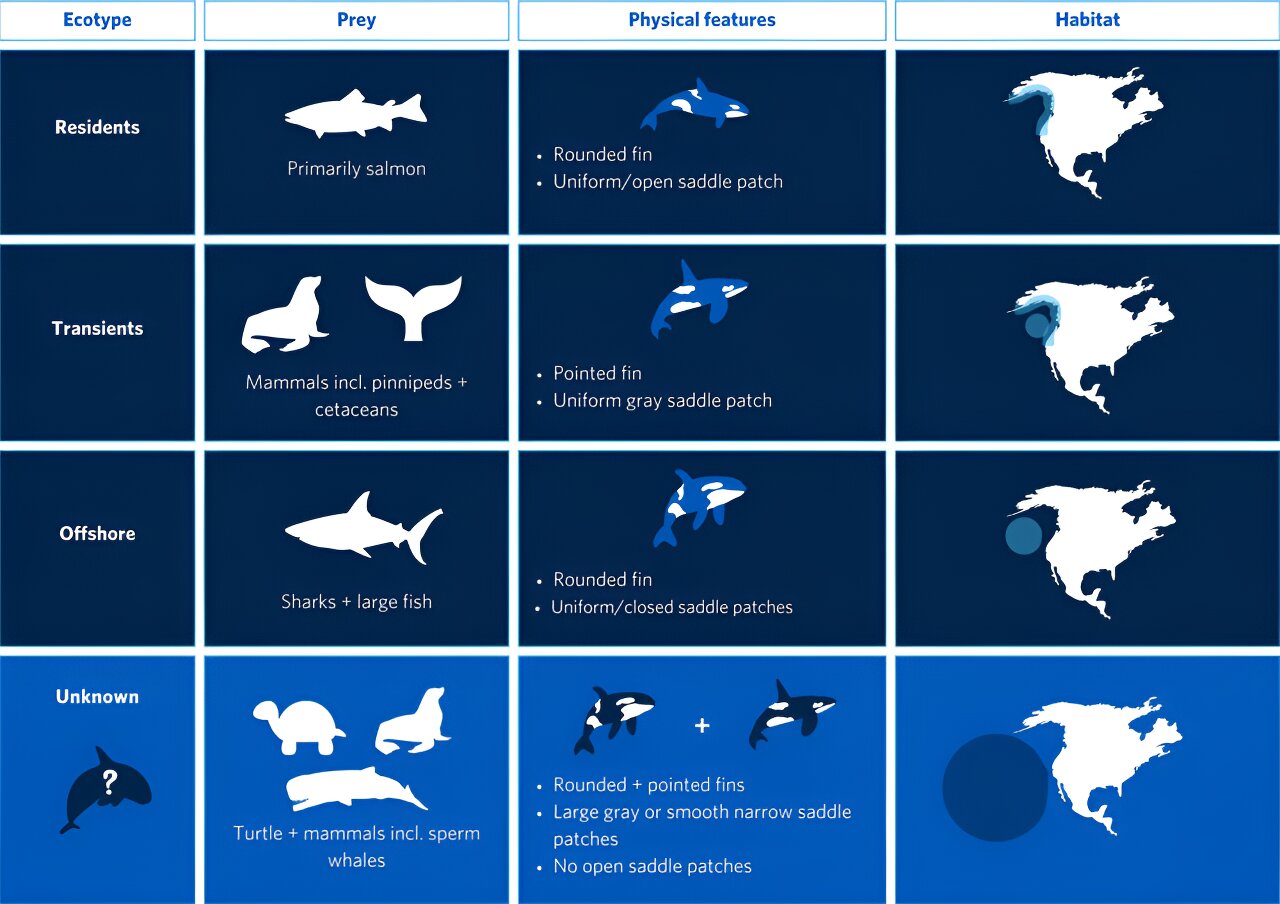
A new study suggests that a group of killer whales spotted off the coast of California and Oregon over two decades may represent a previously uncategorized population of orcas. These orcas exhibit unique behavior and ecology, including deep-sea habitat preferences and distinctive scarring from encounters with cookiecutter sharks. The study's findings shed light on the presence of a distinct oceanic population of killer whales and highlight the importance of further research and observation to understand their behavior and ecological significance.

"Discovery of New Population of Shark-Hunting Orcas in Northeastern Pacific"
biology-and-ecology2 years ago

"Discovery of New Population of Shark-Hunting Orcas in Northeastern Pacific"

Researchers from the UBC Institute for the Oceans and Fisheries suggest that a group of 49 orcas observed hunting marine mammals in the open ocean off California and Oregon could represent a new population of killer whales. These orcas, distinguishable by cookie-cutter shark bite scars and physical differences from known ecotypes, have been encountered multiple times from 1997 to 2021. The researchers hope to gather more data, including acoustic and genetic information, to further investigate the unique characteristics of this potential new population.