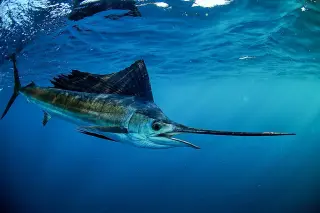
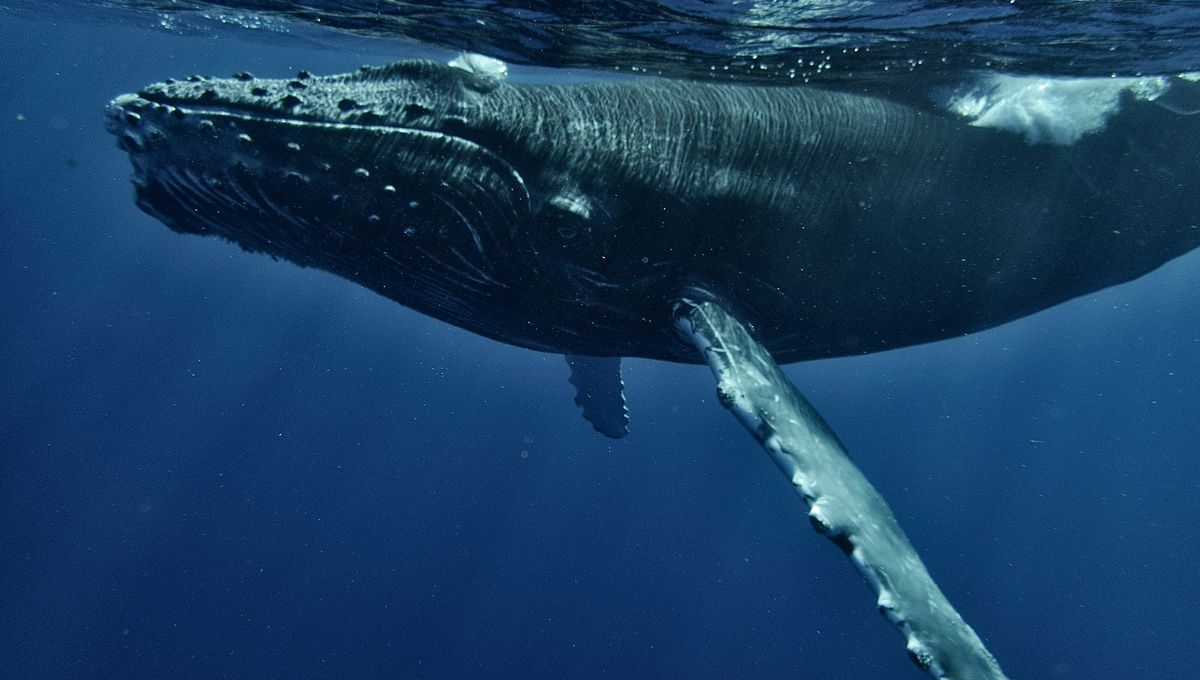
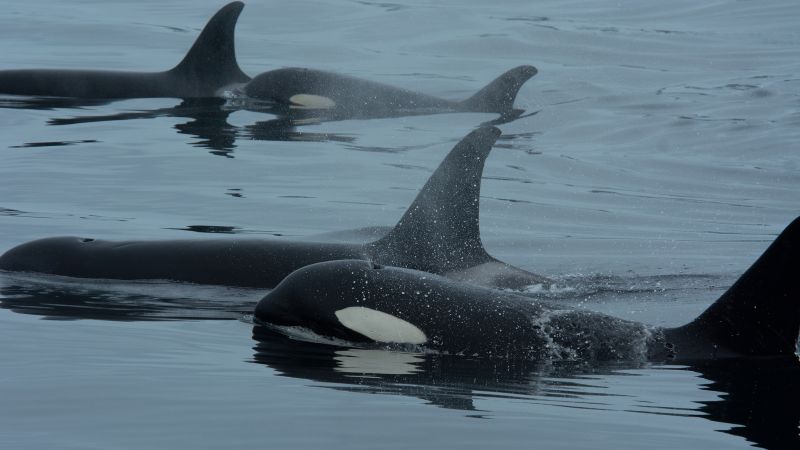
NOAA identifies sailfish, swordfish, and marlin as the fastest fish, reaching 70 mph. Shortfin mako sharks top shark speeds at 40+ mph, while killer whales and Dall's porpoises lead marine mammals at roughly 34-35 mph.
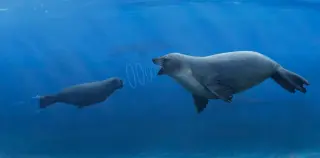
3D ear scans reveal that seals have cavernous, blood-filled ear tissue that expands during dives to conduct underwater sound into the middle ear, enabling true amphibious hearing (air and water). Fossil and comparative data show freshwater ancestors like Puijila heard only in air, while early marine seals such as Enaliarctos developed underwater hearing about 26 million years ago; later true seals refined middle-ear structures for acute underwater hearing. Seals also sing underwater and excel at rhythm, but rising ocean noise threatens their communication, underscoring the need to reduce acoustic pollution in marine environments.
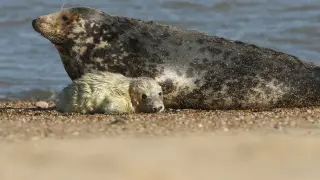
Researchers determined that corkscrew-shaped injuries found on gray seal pups at Sable Island, Nova Scotia, are caused by cannibalistic adult male gray seals rather than sharks or propellers. The 2024–2025 breeding seasons saw hundreds of pups with these markings (765 in 2024; 359 in a single day in 2025), with a first-hand attack observed in 2024. While cannibalism appears to be a natural behavior among males and is not expected to drastically reduce the ~75,000 pup production at the colony, it may have implications for other nearby seal populations such as harbor seals. The study, published in Marine Mammal Science (2026), notes that the exact cause of this behavior remains unknown.
Scientists confirmed the first live sighting of the ginkgo-toothed beaked whale (Mesoplodon ginkgodens) off Baja California in 2024 after a five-year search tracking a distinctive BW43 call. Using hydrophones aboard the Pacific Storm, researchers observed a young whale with an adult male, collected a skin biopsy that DNA analysis confirmed the species, and concluded the whales likely inhabit California and northern Baja waters year‑round, prompting a reassessment of the species’ range and highlighting beaked whales’ sensitivity to sonar.
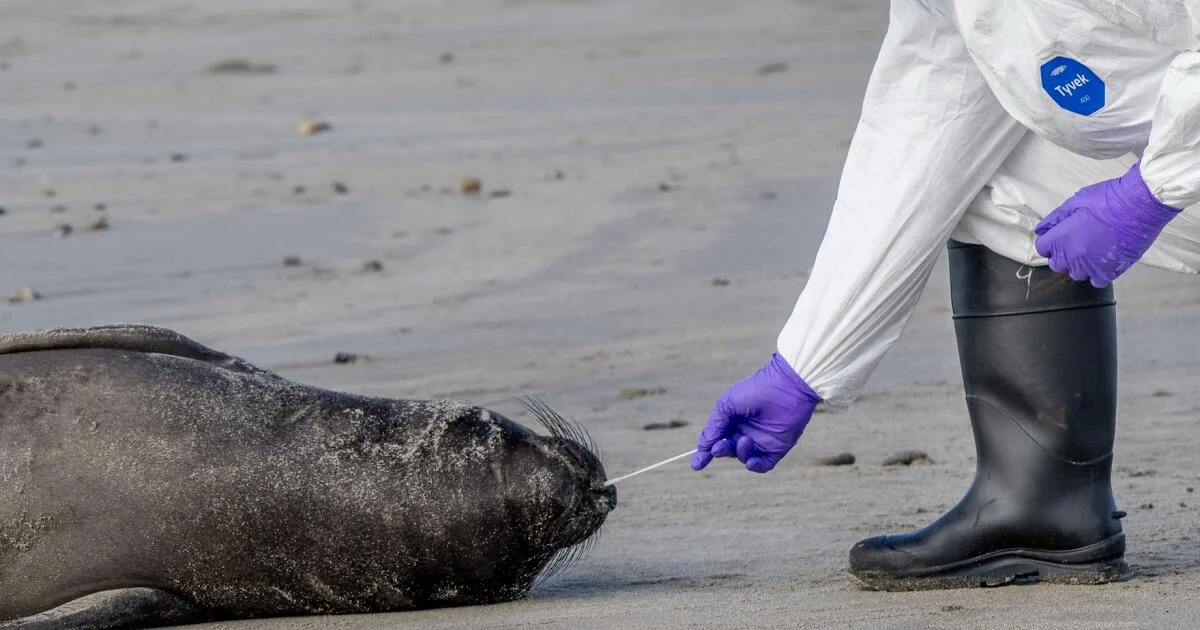
Researchers confirm H5N1 bird flu in California elephant seals at Año Nuevo, marking the first known infection in the state’s elephant seals; seven of the dead pups tested positive as part of ongoing surveillance that has counted about 30 seal deaths since the outbreak began. Officials say the outbreak likely stems from sick seabirds, with mammal-to-mammal transmission under investigation; the park remains closed and beachgoers are urged to avoid wildlife.
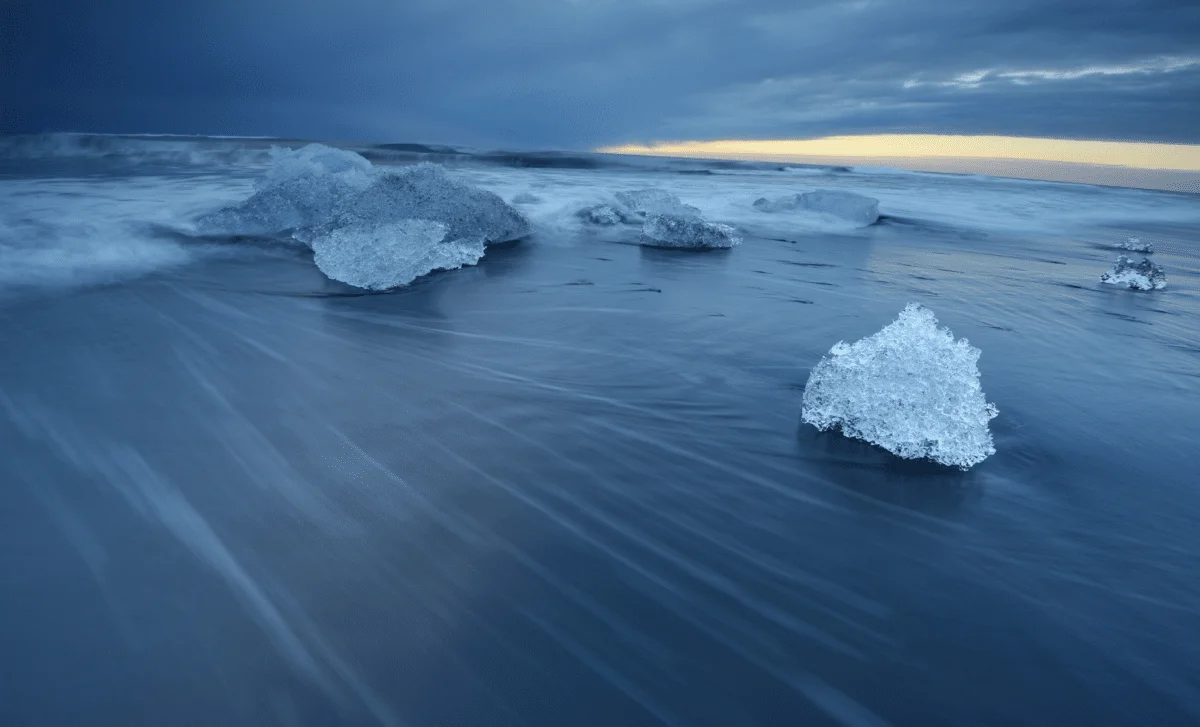
A peer-reviewed study in npj Acoustics finds that melting sea ice and expanding human activity are making the Arctic ocean noisier, with sound propagating farther in cold waters and potentially masking marine mammals' communication; sources include shipping, icebreakers, seismic surveys, and offshore drilling. The authors urge targeted management to limit disruptive noises during sensitive periods, while acknowledging that not all noise is harmful and that indigenous livelihoods can be affected by acoustic changes.
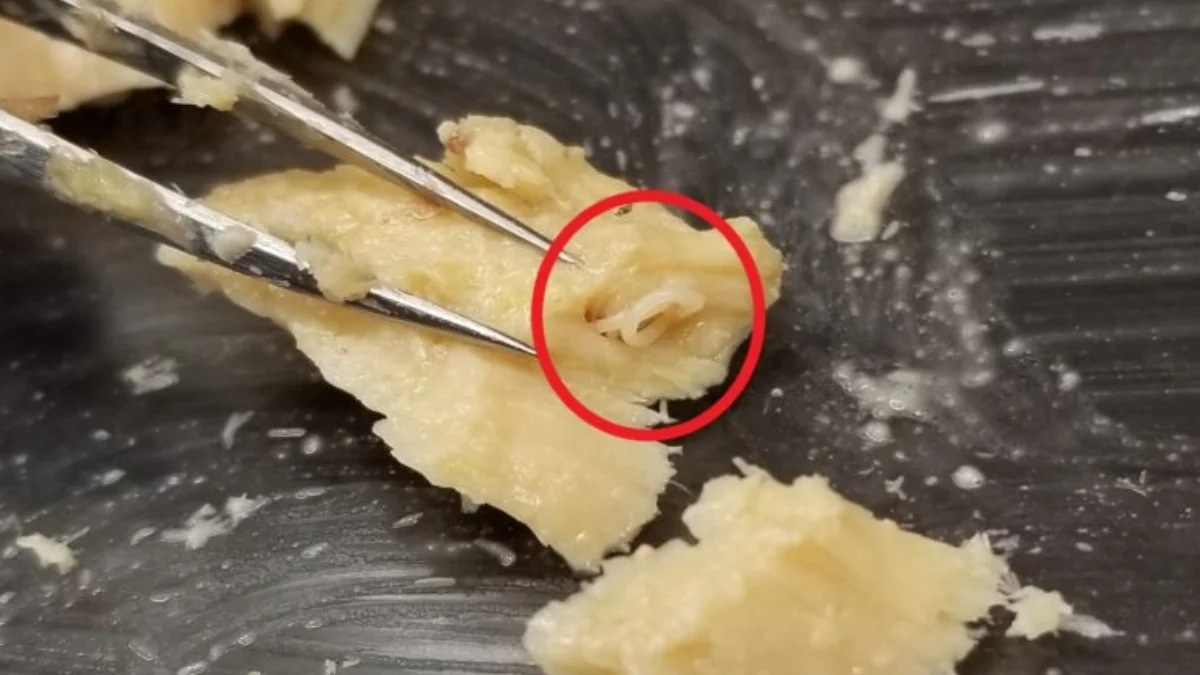
Researchers opened decades-old Alaska salmon cans (1979–2021) and found anisakid worms; the parasites’ increasing numbers in pink and chum salmon trace a healthy, functioning marine food web and ecosystem recovery, with humans kept safe by the canning process.
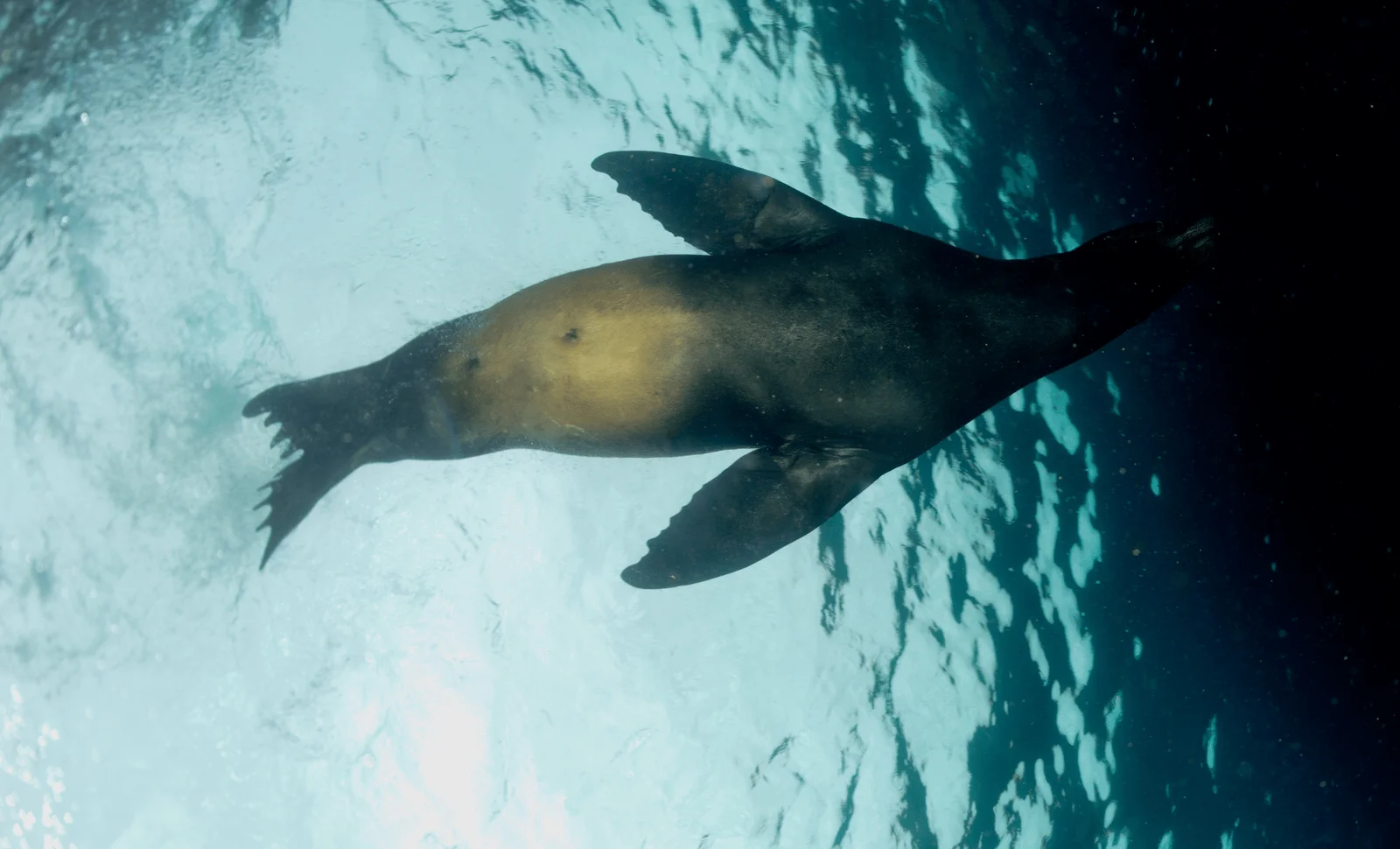
A rare underwater photograph of a Ross seal, one of the least studied Antarctic marine mammals, was captured by Justin Hofman during an expedition, providing new insights into the species' behavior and anatomy in its natural habitat for the first time.
A highly contagious virus, cetacean morbillivirus (CeMV), has been detected in Arctic whale populations for the first time using drone-based breath sampling, raising concerns about disease spread in warming ocean environments and highlighting the need for ongoing monitoring of marine mammal health amid climate change.
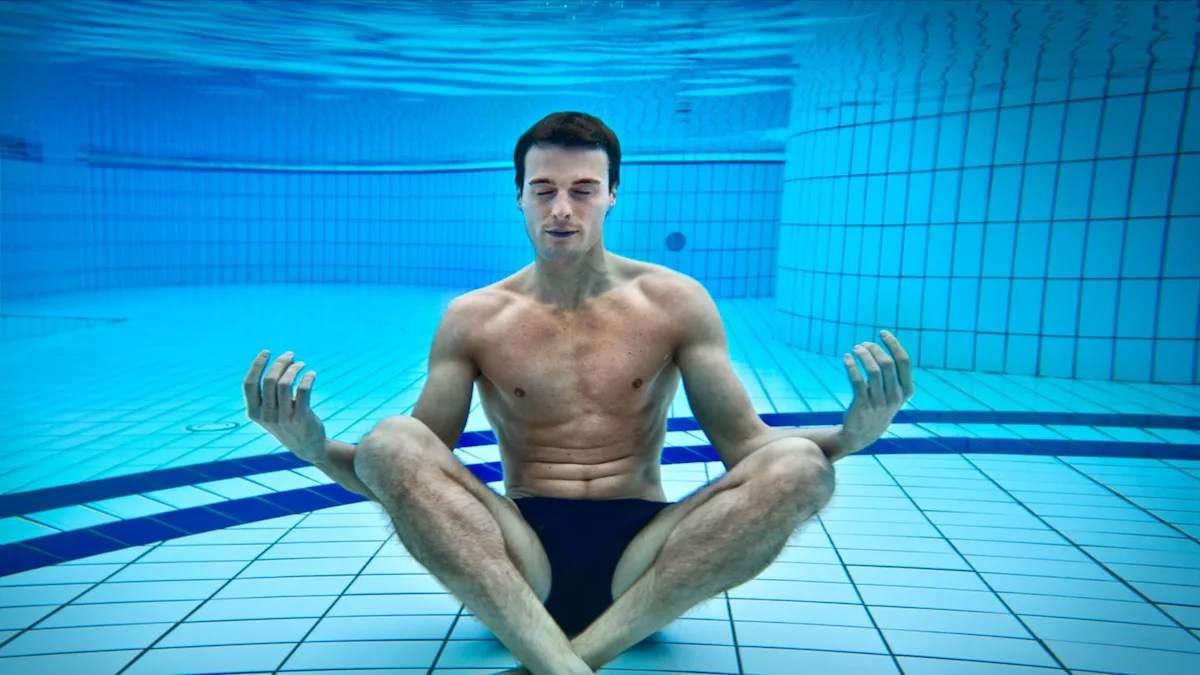
Croatian freediver Vitomir Maričić set a new world record by holding his breath for 29 minutes and 3 seconds in an oxygen-assisted attempt, nearly five minutes longer than the previous record, highlighting extraordinary human breath-holding capabilities and raising awareness for ocean conservation.
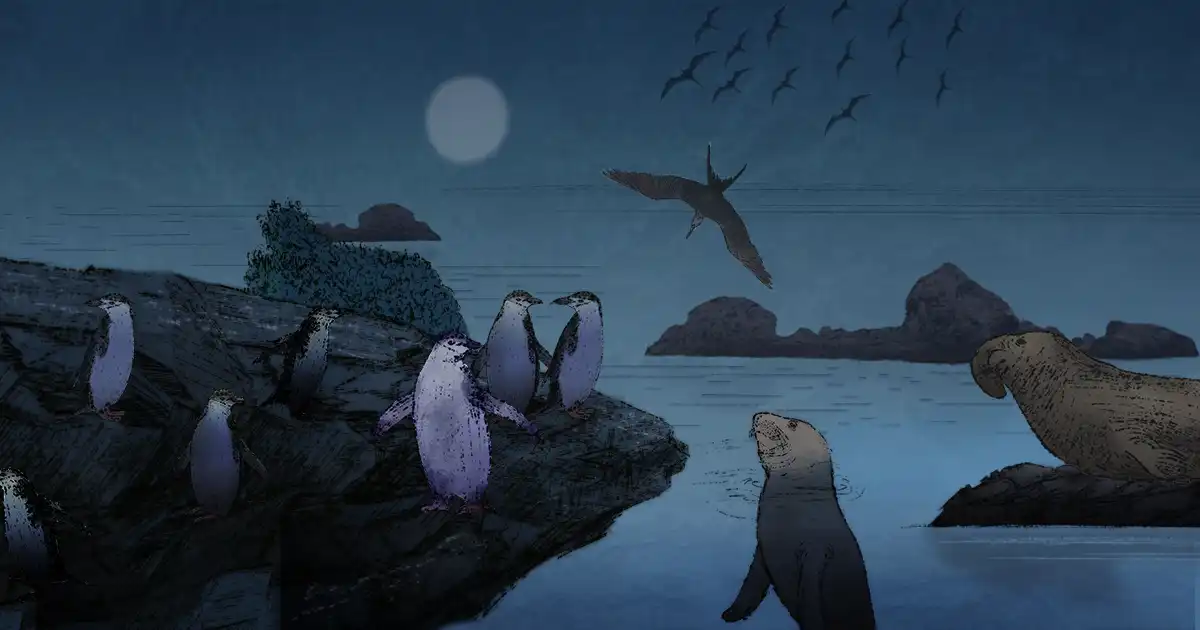
Animals have evolved remarkable sleep strategies to cope with extreme environments, such as penguins taking micro-naps during parenting, seabirds sleeping with one brain hemisphere while flying, and seals sleeping during deep dives, demonstrating the incredible flexibility and adaptation of sleep in the animal kingdom.
Scientists detected a potentially deadly whale virus in the Arctic for the first time using drone-based breath sampling, highlighting new disease risks for marine mammals amid rapid environmental changes in northern ecosystems.
Scientists used GoPro cameras attached to wild dolphins trained by the US Navy to observe their hunting behavior, revealing that dolphins use suction feeding and can consume dangerous prey like venomous sea snakes, challenging the perception of dolphins as solely cute and friendly creatures.
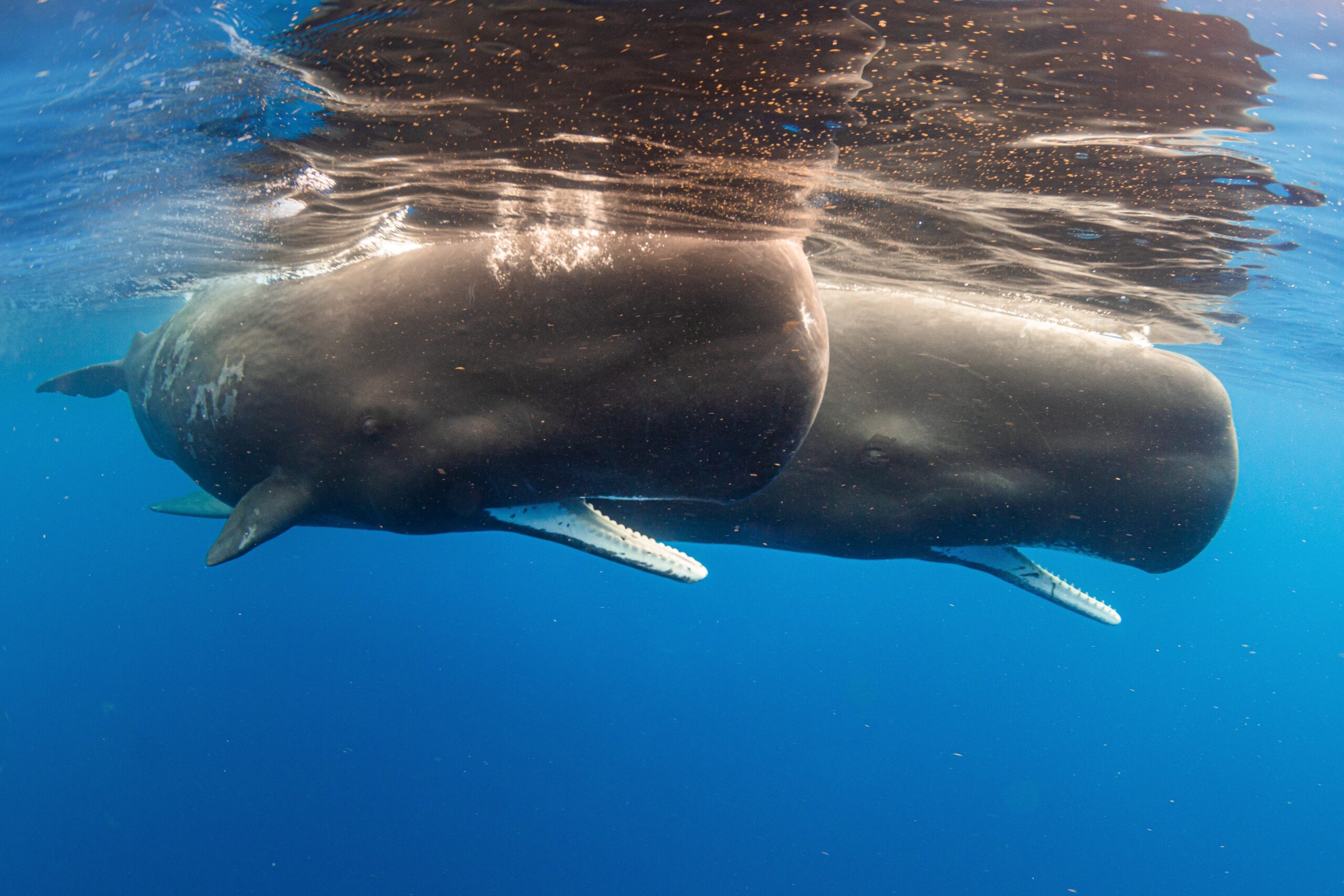
While blue whales and baleen whales cannot swallow humans due to their throat size and diet, toothed whales like sperm whales could theoretically swallow a human, but such incidents are extremely rare and usually accidental. Historical stories of humans being swallowed are likely false, and recent encounters tend to involve whales accidentally engulfing humans before releasing them. These incidents highlight the dangers of human encroachment on whale habitats.
Scientists documented a rare cooperative hunting behavior between Pacific white-sided dolphins and Northern Resident orcas off British Columbia, where dolphins act as scouts to help orcas locate salmon, benefiting both species and challenging previous assumptions about their interactions.