Tag

Powassan Virus

All articles tagged with #powassan virus

Powassan Virus Surges in the U.S.; Tick Bites Can Transmit in Minutes
science10 days ago

Powassan Virus Surges in the U.S.; Tick Bites Can Transmit in Minutes

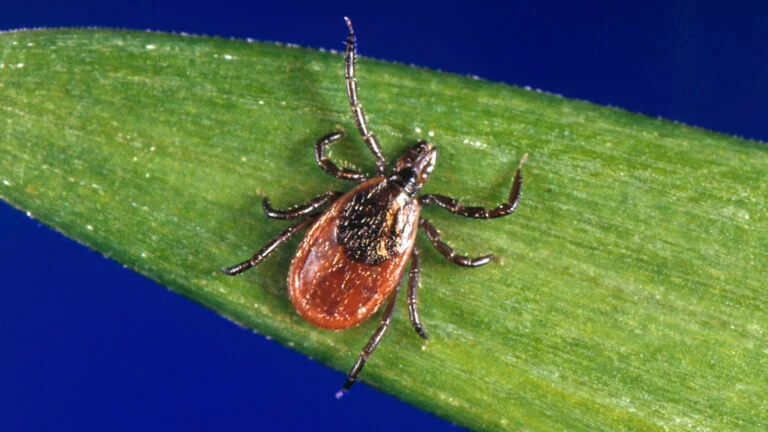
A tick-borne Powassan virus is rising in the United States, especially in the Northeast and Great Lakes. It can be transmitted to humans in as little as 15 minutes after a bite, and there are no vaccines or proven medicines to prevent or treat it. Carried by groundhog, squirrel, and deer ticks, the virus can cause severe illness like encephalitis or meningitis in some cases. Prevention centers on avoiding ticks through repellents, permethrin-treated clothing, checking for ticks after outdoor exposure, and reducing tick habitats around homes.

Powassan Tick Virus Is Rising in the U.S., with Transmission Possible in Minutes
science11 days ago

Powassan Tick Virus Is Rising in the U.S., with Transmission Possible in Minutes

Powassan virus, carried by ticks such as the groundhog tick, squirrel tick, and blacklegged (deer) tick, is on the rise in the United States, especially in the Northeast and Great Lakes regions. There are no vaccines or medicines to prevent or treat the infection, and the virus can be transmitted to humans in as little as 15 minutes after a tick bite. Most cases may not show symptoms, but serious outcomes can include encephalitis or meningitis. Prevention hinges on avoiding ticks, using repellents, checking for ticks after outdoor activities, and treating clothing with permethrin.

Powassan virus spikes to record US cases, with rapid transmission and no vaccine
health14 days ago

Powassan virus spikes to record US cases, with rapid transmission and no vaccine

Powassan virus, a rare tick-borne illness with no vaccine, has surged to a record high in the United States (76 diagnosed in 2025). The virus can be transmitted in as little as 15 minutes after a tick bite, can cause severe neurological complications, and currently has no specific treatment or vaccine, making prevention (tick bite avoidance) crucial—especially for children, older adults, and immunocompromised individuals.

Powassan virus spreads rapidly in US with record case count
health15 days ago

Powassan virus spreads rapidly in US with record case count

A rare tick-borne illness, Powassan virus, is spreading across the United States with a record 76 cases diagnosed in 2025. The virus can be transmitted in as little as 15 minutes after a tick bite and can progress to severe neurological disease such as encephalitis or meningitis, with about 10% of severe cases resulting in death. There are no vaccines or targeted treatments, and risk is highest for children, older adults, and immunocompromised individuals. Prevention focuses on avoiding tick bites and promptly removing ticks, especially during peak tick season.

Powassan virus resurges in New England, traced to a 1958 Ontario case
science16 days ago

Powassan virus resurges in New England, traced to a 1958 Ontario case

Powassan virus, a rare tick‑borne illness, is being diagnosed more often in the northeastern U.S., especially New England, carried by blacklegged (deer) ticks and can cause neuroinvasive disease. Its roots trace to a 4-year-old boy’s fatal illness near Powassan, Ontario, in 1958, linking the virus to ticks on a farm. In 2025, 76 Americans were diagnosed—a record—primarily in New England and the Upper Midwest. Prevention centers on tick checks, protective clothing, prompt tick removal, and deer-management efforts, though there is no simple fix for the growing tick problem.

Powassan Case Signals Spike in Maine Tick Activity
health19 days ago

Powassan Case Signals Spike in Maine Tick Activity

Powassan virus, a rare tick-borne illness transmitted by deer ticks, has been detected in a Maine resident in Penobscot County—the state’s first case this year—as tick activity rises to its highest levels in about a decade. Powassan remains rare and has no vaccine; severe infections can inflame the brain or spinal cord and cause long-term problems, with roughly 40 Maine cases recorded since 2000.

Illinois Reports First Cases of Rare Tick-Borne Powassan Virus
health9 months ago

Illinois Reports First Cases of Rare Tick-Borne Powassan Virus

An Illinois resident has been diagnosed with the rare Powassan virus, marking the first confirmed case in the state. Health officials are investigating the source and testing ticks in the area. The Illinois Department of Public Health urges residents to take precautions against tick bites, as the virus can cause severe illness and has no current vaccine or treatment. The risk remains low but precautions are advised, especially in wooded areas.

Rare Powassan Virus Outbreak Raises Concerns on Martha’s Vineyard and Connecticut
local11 months ago

Rare Powassan Virus Outbreak Raises Concerns on Martha’s Vineyard and Connecticut

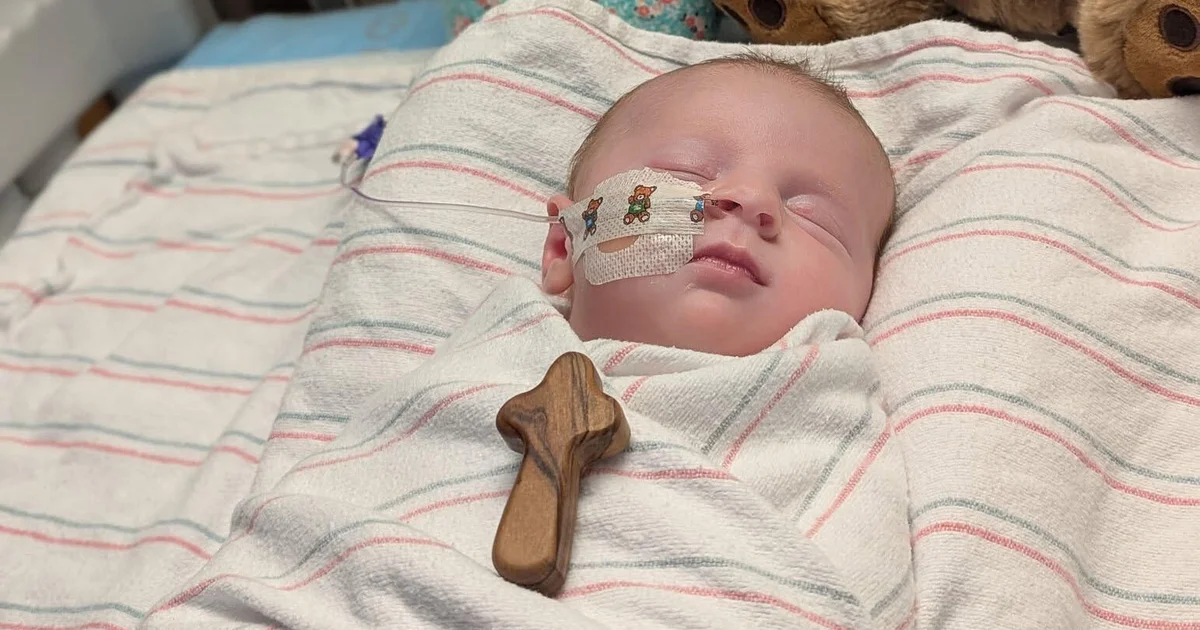
A 1-month-old infant on Martha’s Vineyard contracted a rare but serious tick-borne Powassan virus, which can cause severe neurological diseases. The virus, transmitted by deer ticks, is increasingly detected in the area, with a small percentage of ticks infected. The infant suffered brain damage from meningitis and encephalitis caused by the virus, highlighting the rising risk of tick-borne illnesses during the season.

Health Officials Investigate Powassan Virus Cases on Martha's Vineyard
health11 months ago

Health Officials Investigate Powassan Virus Cases on Martha's Vineyard

Public health officials are investigating a potential case of Powassan virus on Martha's Vineyard, a rare but serious tick-borne disease with no specific treatment, which has seen a slight increase in cases nationally and in Massachusetts. Preventative measures include treating clothing with permethrin, wearing tick-smart clothing, and performing thorough tick checks.

Martha’s Vineyard and Cape Cod Investigate Rare Tick-Borne Virus Cases
health11 months ago

Martha’s Vineyard and Cape Cod Investigate Rare Tick-Borne Virus Cases

A rare case of Powassan virus has been diagnosed in a one-month-old infant on Martha's Vineyard, making her the youngest known patient to contract the virus. The virus was transmitted through a tick bite, leading to severe health issues including brain damage and seizures. The family is urging caution and tick prevention, as there is no cure or vaccine for Powassan, which can be transmitted within 15 minutes of a tick bite. The community has rallied to support the family financially and emotionally.

Vineyard Health Officials Probe Powassan Virus Case
health11 months ago

Vineyard Health Officials Probe Powassan Virus Case

Vineyard health officials are investigating a rare case of Powassan virus, a potentially deadly tick-borne disease that can cause severe neurological issues, with only one previous case on the Island in the past 20 years. The virus is transmitted quickly by deer ticks, which are active from May to July, and there is no specific treatment. Preventative measures such as protective clothing and tick checks are strongly recommended, especially during peak tick activity.