Bloomberg’s Mark Gurman reports Apple plans to launch over 15 new products in 2027, including AI smart glasses, multiple iPhones, and M7 Macs. The glasses, code-named N50, will debut at WWDC 2027 and rely on Siri and a paired iPhone, lacking augmented reality features. While hardware prototypes are ready, software delays pose a risk to the timeline.
Apple is skipping the M6 Pro, Max, and Ultra chip tiers to focus on M7 development. The upcoming OLED MacBook Pro will use existing M5 chips, with M7 upgrades arriving only in late 2027.
Apple is compressing its MacBook Pro redesign timeline, bringing the new OLED touchscreen design to the entry-level model by spring 2027, just six months after its high-end debut.
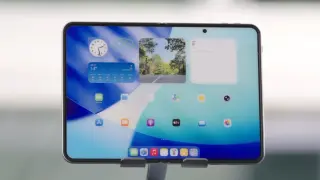
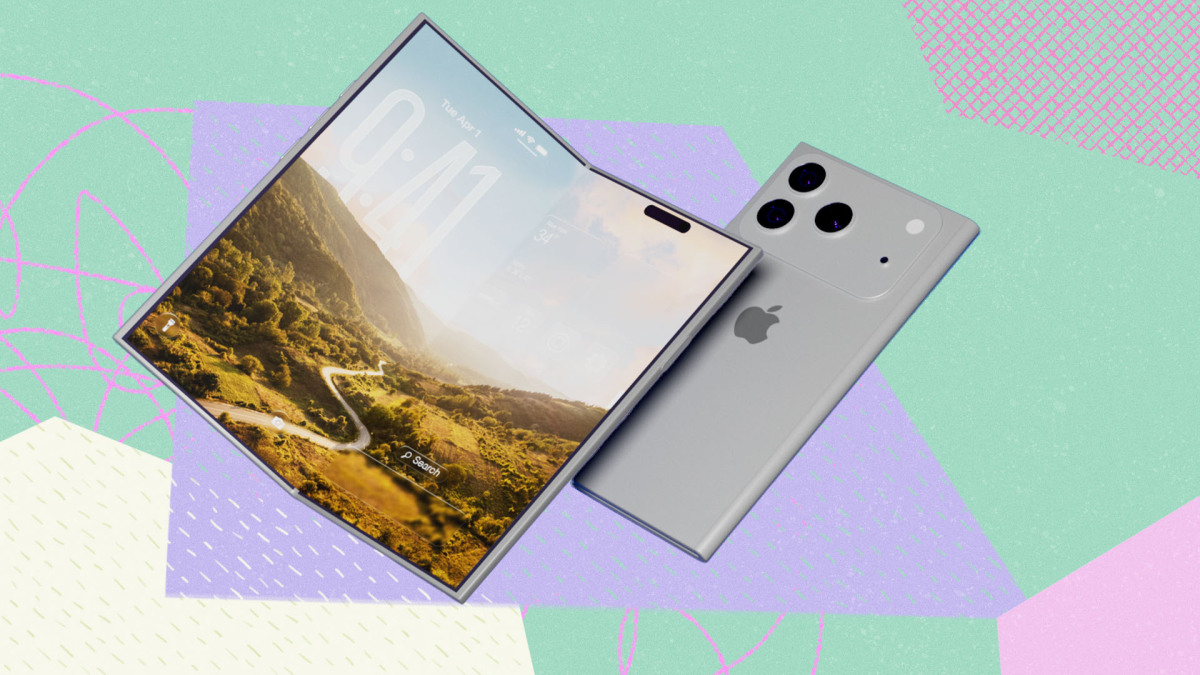
Bloomberg analyst Mark Gurman suggests Apple plans to release an 'iPhone Duo Max' with a larger display, alongside potential 'Duo SE' and 'Duo Mini' models. This follows the September 2026 launch of the first foldable iPhone Duo, which Gurman expects to become the market-leading foldable due to its software integration and durability.
Research firm Omdia reports Apple has canceled a foldable MacBook and is developing a new 13.8-inch OLED model for 2029 to sit between the Air and Pro lines.
Apple has canceled development of a foldable MacBook and a mid-sized OLED MacBook Pro, according to research firm Omdia. Instead, the company is planning a new 13.8-inch OLED MacBook positioned between the MacBook Air and MacBook Pro. The existing mini-LED MacBook Pro models will remain in the lineup alongside the new OLED 'MacBook Ultra' until at least 2028.
Microsoft has officially renamed the Microsoft 365 Roadmap to the 'AI at Work Roadmap' to consolidate upcoming innovations across its productivity and business application suites. The change, which took effect in August 2026, aims to provide a single destination for tracking AI-powered features, Copilot updates, and agent capabilities. Starting in September 2026, roadmap data for Dynamics 365, Power Platform, and Dataverse will also be integrated into this new hub. Microsoft is simultaneously shifting from a twice-yearly release wave model to continuous publishing, allowing administrators to see updates as soon as plans are committed. While Microsoft frames this as a practical improvement for cross-product planning, critics argue the rebrand is a marketing tactic to push AI adoption, especially given recent lawsuits alleging insufficient conversion of users to paid Copilot subscriptions. The transition will be complete by November 15, 2026, with the old Release Planner retiring.
Apple has confirmed its annual September 9 event, which will feature a split iPhone launch including the iPhone 18 Pro and the foldable iPhone Ultra. The company is also preparing price increases for its smartphone lineup, potentially raising the base Pro model to $1,199, while delaying standard and budget models until spring 2027.
Apple released the third public beta of iOS 27 and iPadOS 27 on August 11, 2026, introducing refined Liquid Glass design and performance boosts. While MacRumors highlights the stability of the update, Macworld and AppleInsider report that the latest developer beta contains code referencing six unreleased iPhone models, including the iPhone 18 family and a foldable 'iPhone Ultra.' 9to5Mac notes new AI-driven Lock Screen customization features. The final release is expected in September 2026.
Apple is already developing a third-generation foldable iPhone, the 'iPhone Ultra 3,' for a potential 2028 release. According to Bloomberg's Mark Gurman, this future model will feature larger internal and external displays compared to the initial launch device. While the first iPhone Ultra is expected to debut in September 2026 with 5.5-inch and 7.8-inch screens, the 2028 version aims to address size concerns. Meanwhile, new leaks suggest the initial model will launch in silver and dark blue, though some third-party sources claim different color options and specifications.
Apple is already developing a third-generation foldable iPhone, expected to launch in 2028 with larger displays, even though its first foldable model, the iPhone Ultra, has not yet been released. The second-generation model is slated for 2027 and will likely retain the original design. The first iPhone Ultra is expected to debut in September 2026 with a 5.5-inch cover screen and a 7.8-inch inner display, priced around $2,000, and will feature Touch ID, an A20 chip, and a C2 modem. Leaks suggest the iPhone Ultra will be available in silver and dark blue, though some users are concerned about its external display design, which resembles the Google Pixel Fold and does not extend to the edges of the chassis. Apple's long-term planning reflects its standard practice of developing multiple product generations simultaneously to manage supply chain and development timelines.
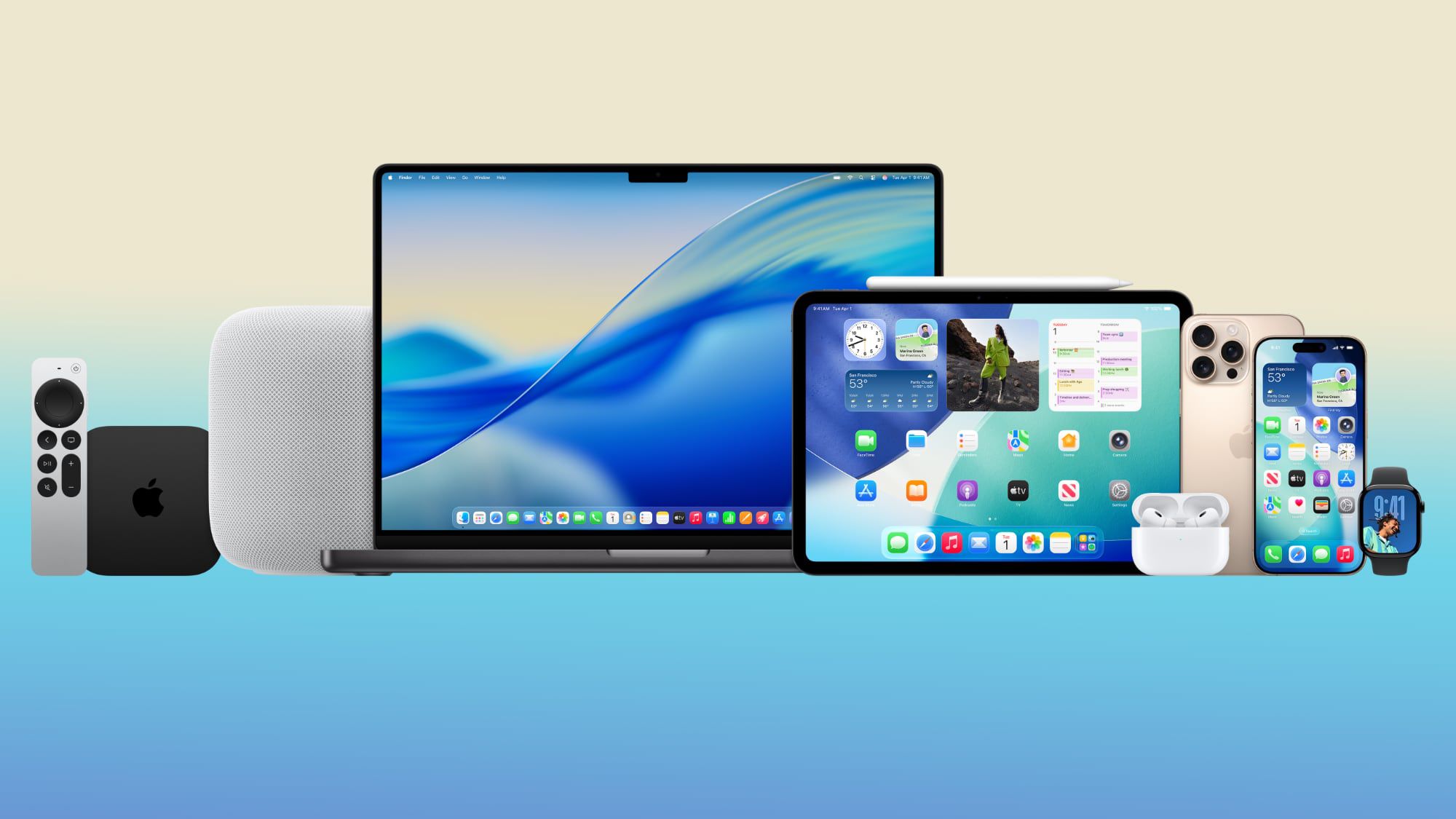
Apple's 2026-2027 product roadmap includes a foldable iPhone, iPhone 18 Pro, M5 Macs, and other devices, with significant updates and new form factors planned, though some products may be delayed or canceled.
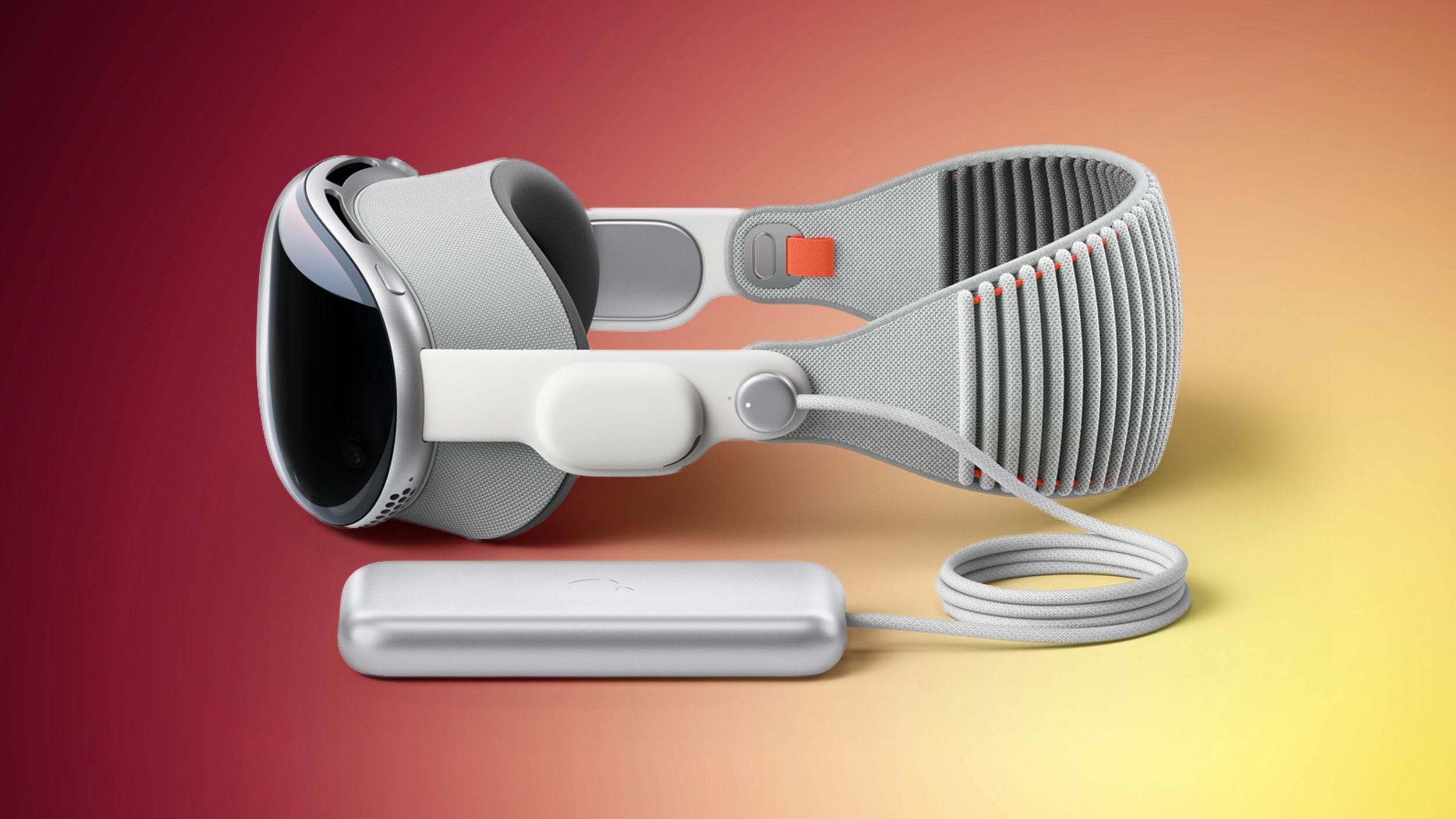
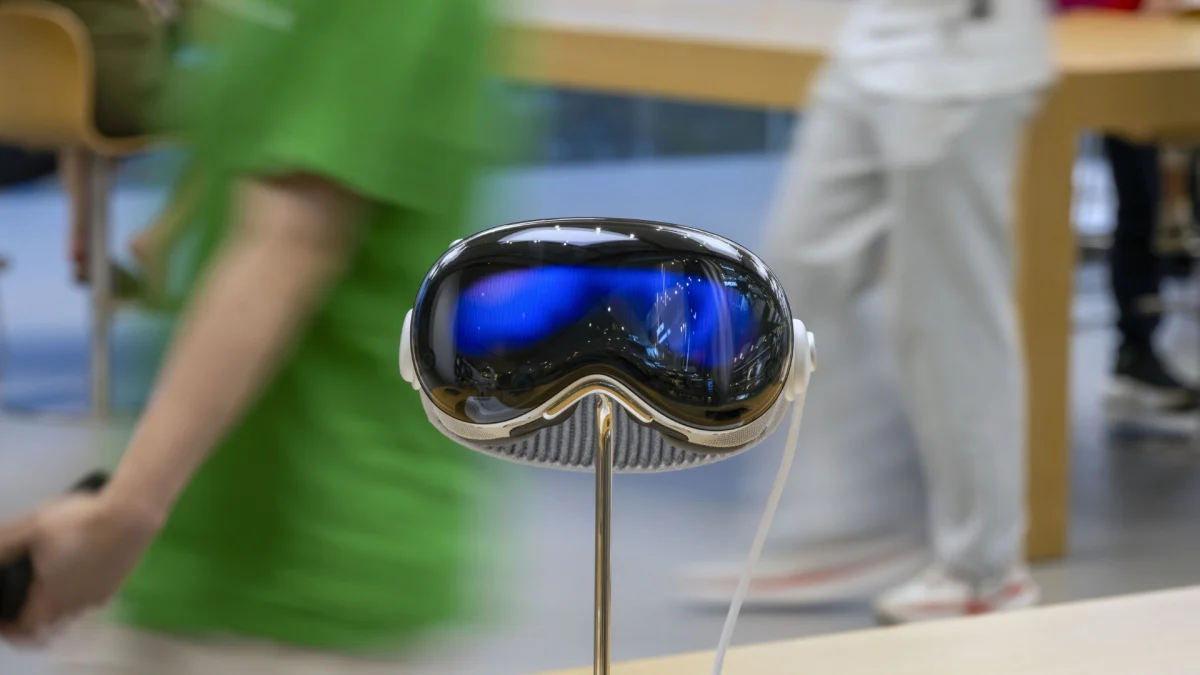
Recent reports indicate that Apple has paused development of its Vision Pro headset and the upcoming Vision Air, shifting focus towards smart glasses, with no active headset projects in development, signaling a significant change in Apple's mixed reality strategy.
Bloomberg reports that Apple has a three-year plan to significantly update the iPhone lineup, including a thinner iPhone Air in 2025, a foldable iPhone in 2026, and a major redesign with curved glass edges for the iPhone 20 in 2027, along with potential updates to other Apple products. These changes are part of Apple's broader product roadmap, which also hints at new Apple Watches, iPads, Macs, and possibly innovative devices like smart glasses and home robots in the future.
Apple has an ambitious plan for head-mounted devices, including multiple versions of the Vision Pro headset and smart glasses, with new models expected to launch between 2025 and 2028, aiming to expand its ecosystem in this emerging market.