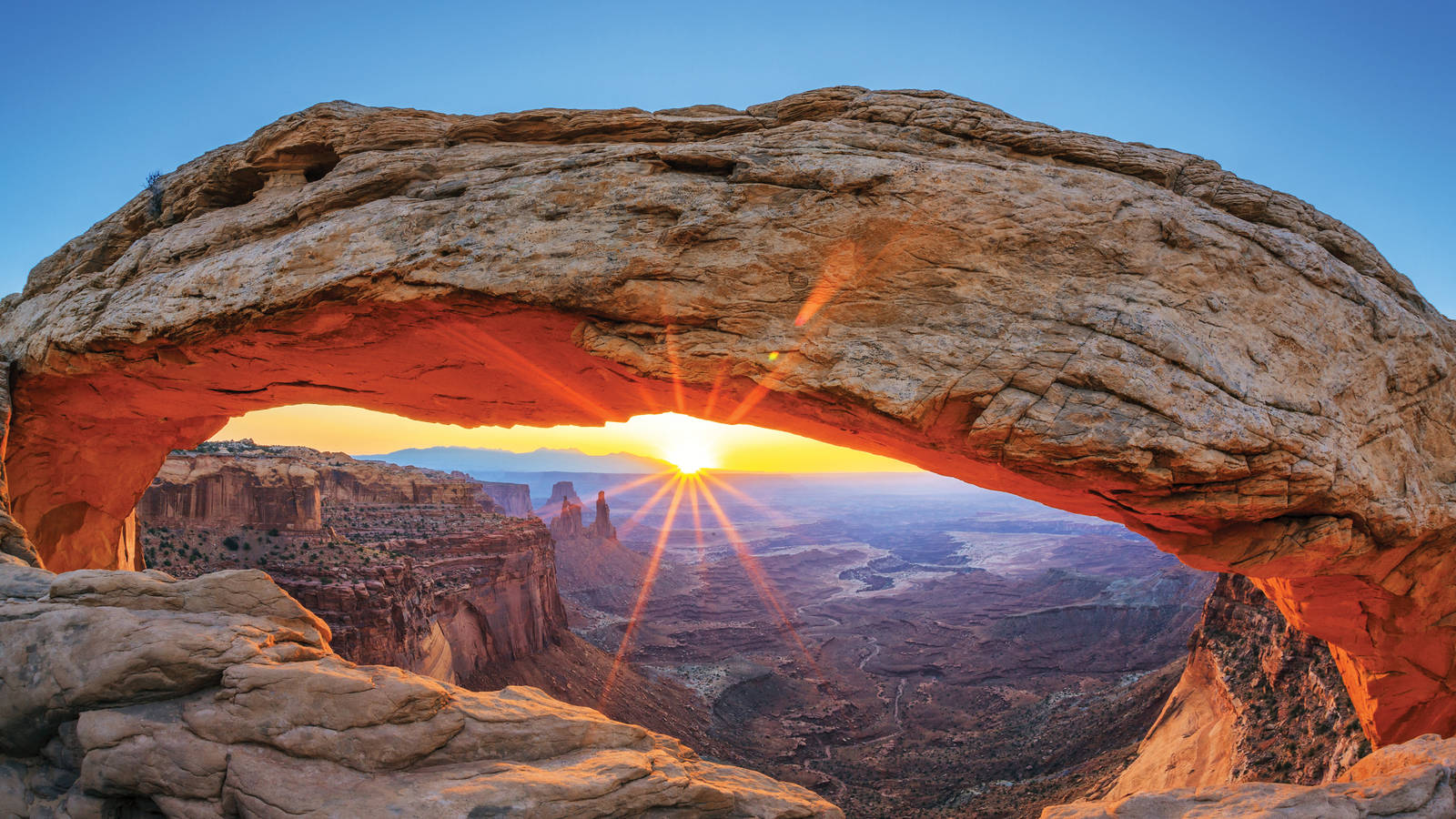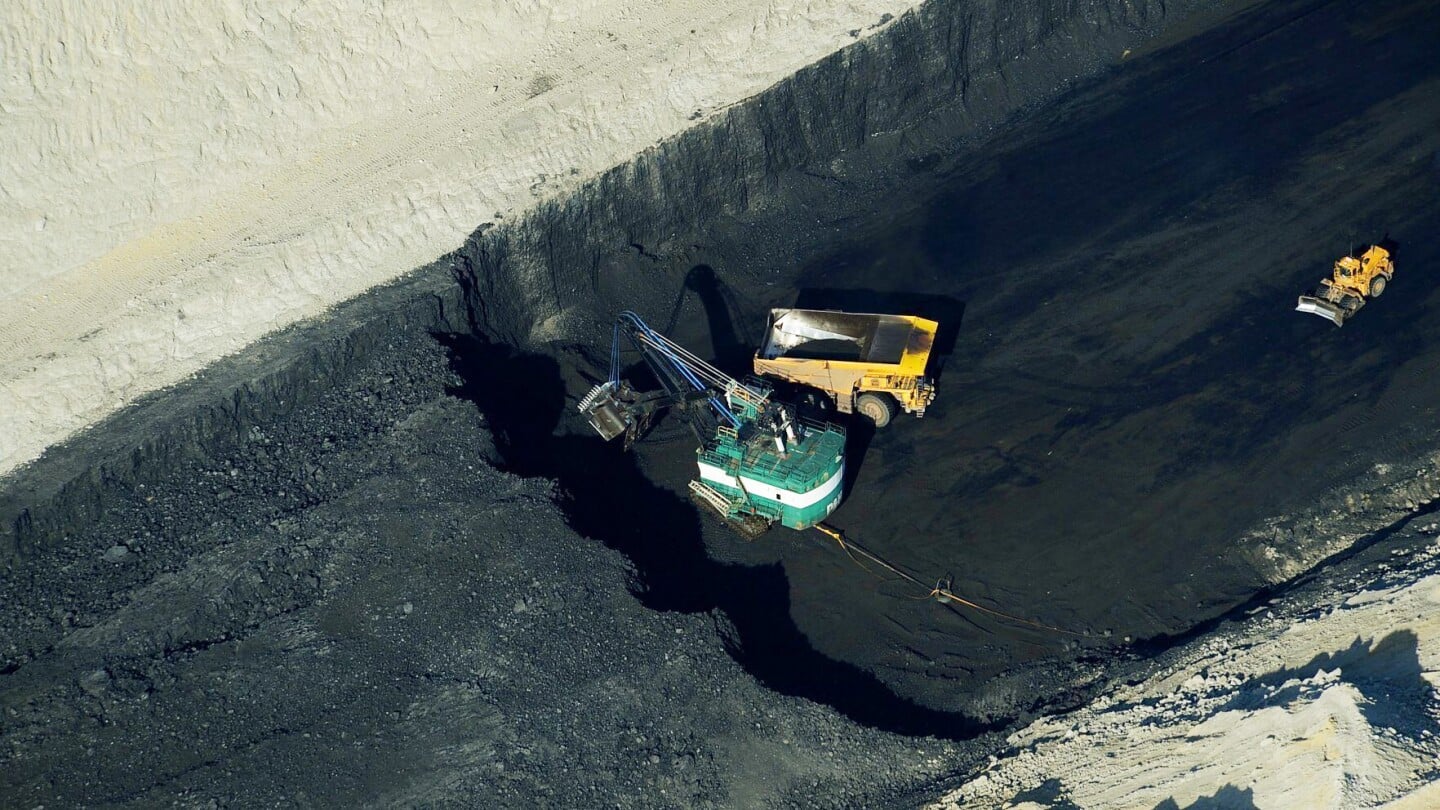
The Interior Department canceled a rule that had designated conservation as a use of public lands, reversing a conservation-first policy and signaling a shift in federal land management under the current administration.
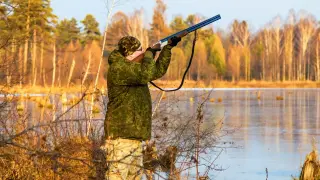
President Trump's Interior Department has issued an order directing agencies to remove what it calls unnecessary barriers to hunting and fishing on 55 sites in the lower 48, expanding where hunters may operate within national parks, refuges and wilderness areas. Supporters say the move broadens public access, supports rural economies and conservation, while critics warn of safety risks and wildlife impacts and note the changes came with limited public discussion; some sites have already relaxed rules, including proposals to lift restrictions on tree stands and hunting along trails.
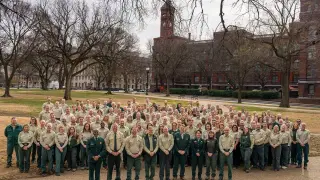
Trump-era plans to overhaul the US Forest Service would move the headquarters to Salt Lake City, consolidate research in Colorado, and shutter regional offices in favor of state directors, prompting unions to call the change illegal and warning it could force staff to relocate or resign and endanger public lands management amid prior staffing cuts and reduced wildfire mitigation.
An opinion piece argues the Trump administration is dismantling the U.S. Forest Service to advance privatization of public lands: relocating HQ to Salt Lake City, expanding state-level coordination, boosting timber production and funding for sawmills, and scaling back research—actions the author says threaten long-term forest health for short-term timber gains.
An opinion piece argues the Trump administration is conducting a coordinated dismantling of the US Forest Service by relocating its headquarters to Utah, shuttering all regional offices, consolidating decades of research facilities, and replacing career staff with political appointees, effectively paving the way for transferring federal lands to the states and eroding scientific capacity; it urges Congress to immediately block relocation and funding until full oversight and debate are possible.
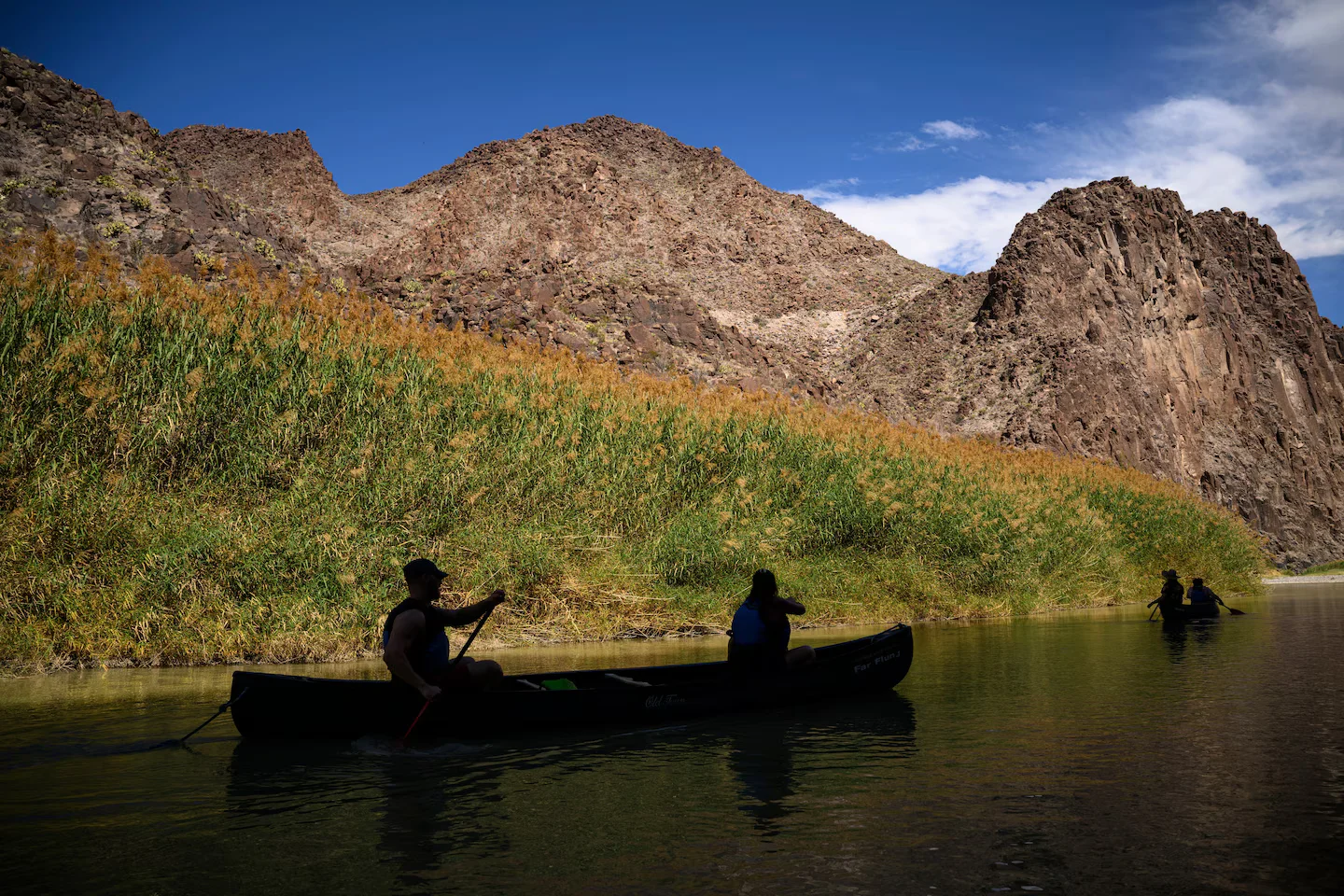
Washington Post reporters document hundreds of miles of border wall being built through ecologically sensitive lands along the Rio Grande in West Texas, funded by $46.5 billion from the One Big Beautiful Bill and aided by a 2005 law waiving environmental rules; advocates warn the expansion would destroy pristine habitat, threaten endangered species, and sever access to sacred Indigenous and archaeological sites.
At Steve Pearce’s confirmation hearing for the Bureau of Land Management, Sen. Jim Risch pressed him on whether he or President Trump could sell public lands, asserting there is no authority to do so. Pearce said he would follow the law and defer to states, but did not fully renounce past views. Idahoans and conservation groups oppose land sales, citing a poll and describing public lands as sacred, while critics point to Pearce’s past support for land disposal and ties to oil/gas interests. A Senate vote date has not yet been scheduled.
ProPublica and High Country News document a taxpayer-supported public-lands grazing system where 2024 fees run ~93% below private-market rates, subsidies exceed $2.5 billion, and wealth is concentrated among a small group of permittees, even as tens of millions of acres show environmental degradation and oversight has weakened amid political influence and a push to expand subsidies.
Senator Mike Lee has proposed an amendment that could lead to the sale of U.S. national parks, threatening their preservation, local economies, and American heritage. The article urges citizens to call their senators to oppose this amendment and protect national parks from being sold or privatized.
The US Interior Department rejected a bid for coal leasing in Utah, marking the third failed coal sale in the West this month, highlighting the decline of coal industry amid market shifts and environmental concerns.
The Trump administration proposes canceling a Biden-era public lands rule that balanced conservation with development, aiming to open more federal lands for drilling, logging, and mining, amidst industry support and environmental criticism.
The Department of the Interior proposes to rescind the 2024 Public Lands Rule, which prioritized conservation over other land uses, in order to restore balanced, multiple-use management of federal lands, supporting local communities, energy development, and recreation.
A proposed plan by Senator Mike Lee to sell hundreds of thousands of acres of public land in Western states was removed from a Republican bill after bipartisan opposition and concerns over privatization, with conservationists celebrating the victory and warning against future threats to public lands.
Senator Mike Lee withdrew his proposal to sell public lands from a major policy bill after facing strong opposition within his party and from Western states, as well as pushback from hunters and outdoorsmen.
The Senate removed a controversial provision from a major bill that would have allowed the sale of hundreds of thousands of acres of public lands, after opposition from both parties and concerns over foreign interests, with some lawmakers celebrating the preservation of public lands.