AMD says FSR 4.1 will arrive on older Radeon RX GPUs, starting with RDNA 3 this July and extending to RX 7000-series and older cards with optimized memory use and fewer artifacts, aiming for 300+ supported games at launch; RDNA 2 GPUs will get it in early 2027.
AMD will bring its FSR 4.1 AI upscaling to older GPUs, with RDNA3 cards getting the upgrade in July and RDNA2 support arriving in early 2027. The expansion covers 300+ games (including Cyberpunk 2077, Battlefield 6, and Assassin’s Creed Shadows) and will extend to devices like the Steam Deck, after AMD tuned and tested the model across hundreds of PC configurations to run on older hardware.
AMD stock slipped about 1.23% as gamers pressed the company to add FSR 4 support for RDNA 2/3 GPUs; AMD has not extended FSR 4 to older GPUs, despite leaks suggesting compatibility, arguing the focus remains on newer processors and the AI boom, a move that could affect consumer sentiment even with solid year‑to‑date performance.
PSU manufacturer Seasonic has listed several unreleased AMD Radeon RX 7000 GPUs, including the 7990 XTX, 7950 XTX, and 7950 XT, on its Wattage Calculator webpage. This has sparked speculation about a potential high-end refresh of AMD's RDNA 3 lineup, especially given rumors of the next-gen RDNA 4 being delayed to 2025. While these listings could be placeholders, they suggest possible upcoming models with higher clock speeds, power ratings, and faster memory.
AMD has launched its Ryzen 8000G "Hawk Point" APUs for AM5 Desktop PCs, featuring Zen 4 CPU and RDNA 3 GPU cores. The lineup includes four SKUs, with the top Ryzen 7 8700G offering 8 cores, 16 threads, and Radeon 780M iGPU with 12 compute units clocked at 2900 MHz. The APUs promise significant gaming performance, with a 4x uplift over Intel iGPU solutions and over 100 FPS in eSports titles at 1080p. The top two APUs also feature the XDNA "Ryzen AI" NPU, offering 39 TOPS of AI processing power. The Ryzen 8000G "Hawk Point" APUs will be available starting January 31st.
Insider Kepler corrects the leaked specifications of the rumored PlayStation 5 Pro, stating that it will use 60 out of the 64 available CUs, resulting in a GPU with 3840 Stream Processors. Additionally, the AI architecture XDNA2 will not be used in the custom AMD chip called Viola. The updated spec sheet for the PlayStation 5 Pro includes an 8-core AMD Zen 2 CPU, a 60CU AMD RDNA GPU, and 16GB of GDDR6 RAM. Sony is reportedly preparing for more PS5 Pro spec leaks as third-party game developers receive devkits.
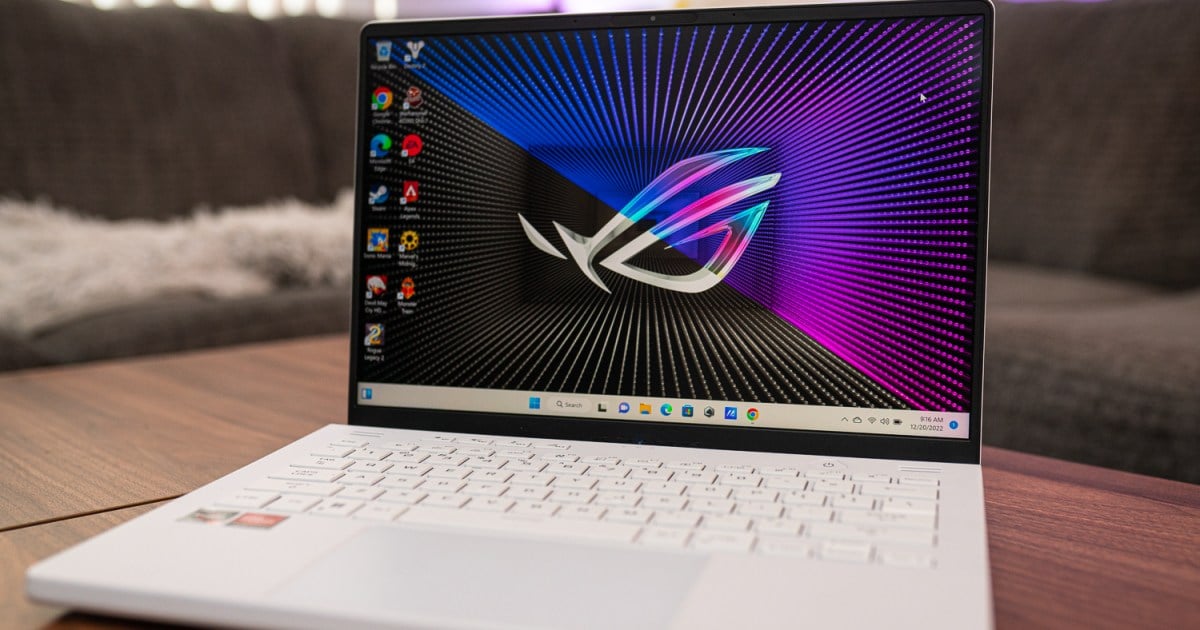
AMD's next-gen RDNA 3 laptop graphics cards, announced earlier this year, have been notably absent from the market. Despite claims of competitive performance, there are only a few laptops available with these GPUs, such as the Asus Tuf Gaming A16 and Alienware m16/m18. Even among these options, it can be difficult to find laptops configured with AMD GPUs. Nvidia continues to dominate the gaming laptop market, and it remains unclear why AMD's next-gen GPUs have not seen wider availability. Rumors suggest that AMD may be working on higher-end options, but for now, the company's laptop offerings have fallen flat.
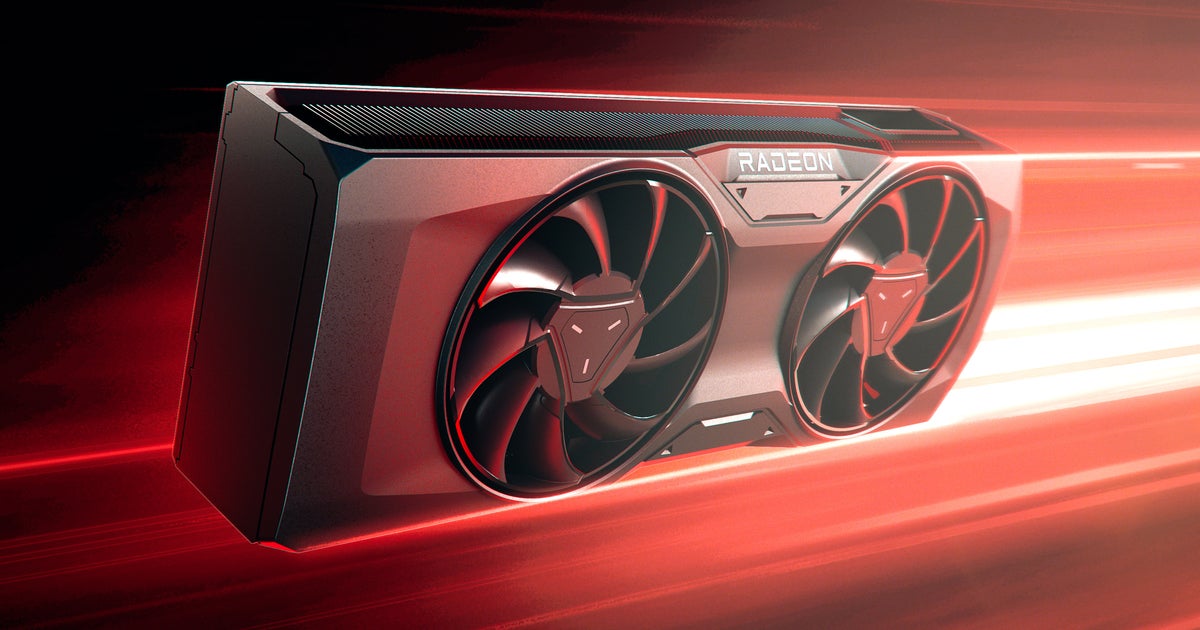
AMD has unveiled its RX 7800 XT and RX 7700 XT graphics cards, completing its RDNA 3 lineup. Both cards target 1440p displays and offer impressive performance, including ray tracing, above 60fps. The RX 7800 XT competes with the RTX 4070, while the RX 7700 XT competes with the RTX 4060 Ti. Both cards exceed 60fps at max settings in AAA games. They feature the new Navi 32 GPU, with the 7800 XT having 16GB of GDDR6 memory and the 7700 XT having 12GB. The cards will be available from September 6th.
A comparison test between AMD's Radeon RX 7900 XTX and Nvidia's RTX 4080 reveals that the AMD card draws an average of 150 W more power than its Nvidia counterpart. Despite both GPUs being built on the TSMC 4 nm nodes, AMD has not yet resolved the power efficiency issues with its RDNA 3 cards. The power draw difference is evident across various games, with the AMD card consistently drawing more power. Nvidia's RTX 4080 also runs cooler and has less noticeable coil whine. AMD will need to address these power issues to compete with Nvidia's high-end offerings.
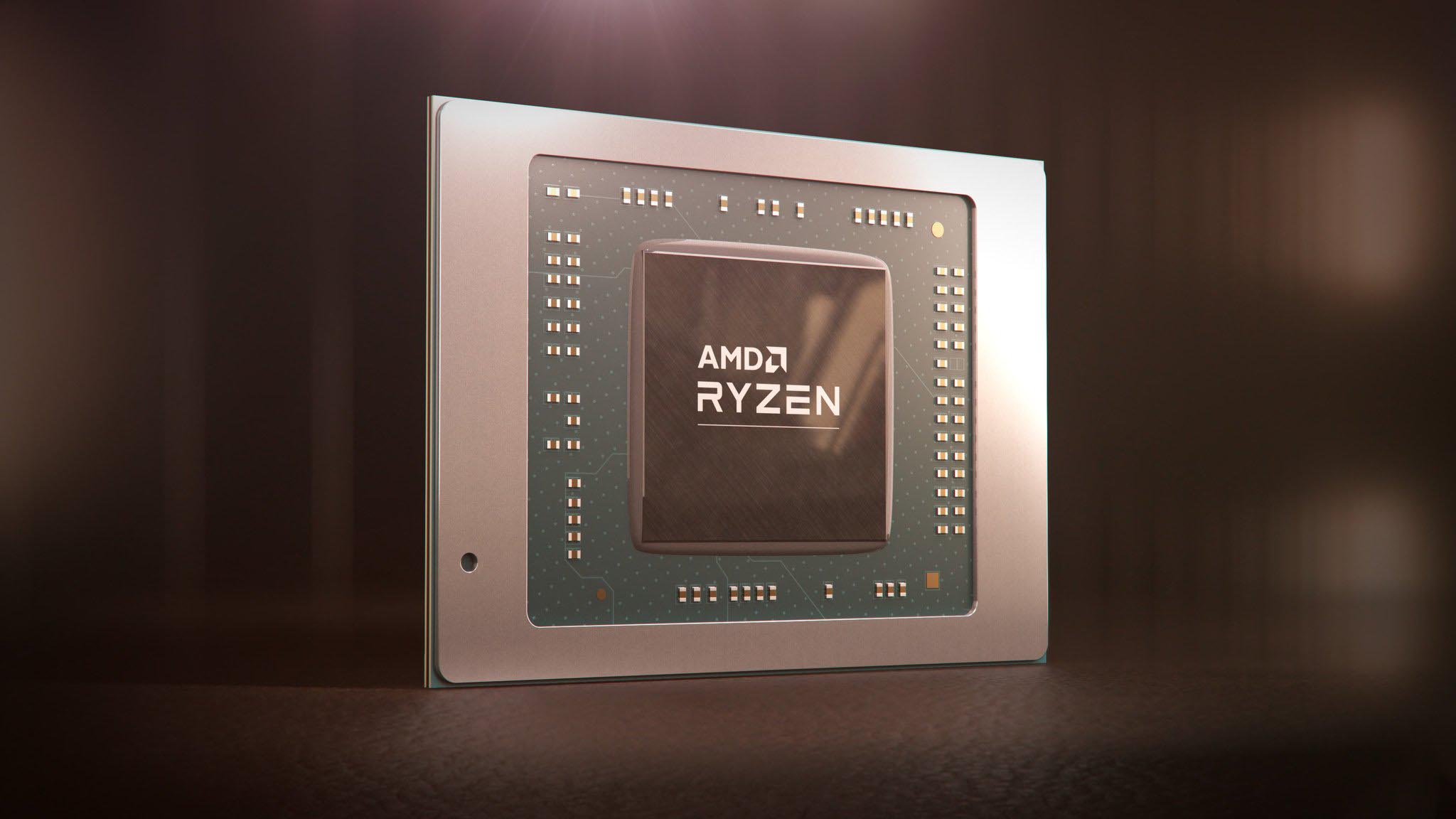
AMD's Ryzen 9 7840HS with Radeon 780M RDNA 3 GPU is faster than the GTX 1650 Max-Q and 35% faster than the Radeon 680M RDNA 3 at 15W. The chip is set to release this month and will target the laptop, handheld console, and mini PC segments. The APU is built on the 4nm process node with Zen 4 core architecture, consisting of 8 cores and 16 threads, with a base clock of 3.8 GHz and a boost of 5.1 GHz. The Radeon 780M integrated graphics on the chip is based on the RDNA 3 architecture with 12 Compute Units available.
AMD has announced the Ryzen Mobile 7040U series for ultraportable notebooks, bringing its latest generation technologies to the thin and light laptop market. The 7040U series is based on AMD's Phoenix silicon, which uses TSMC's 4 nm process node to mix Zen 4 CPU cores with AMD's RDNA 3 graphics compute units all in a single, monolithic die. The series includes four SKUs, ranging from 8-core parts down to 4-cores, all of which include AMD's RDNA 3 integrated graphics. The top two SKUs, the Ryzen 7 7840U and Ryzen 5 7640U, also feature AMD's Ryzen AI technology, an FPGA-based AI engine developed by Xilinx. AMD has not announced a release date for the Ryzen Mobile 7040U series yet.
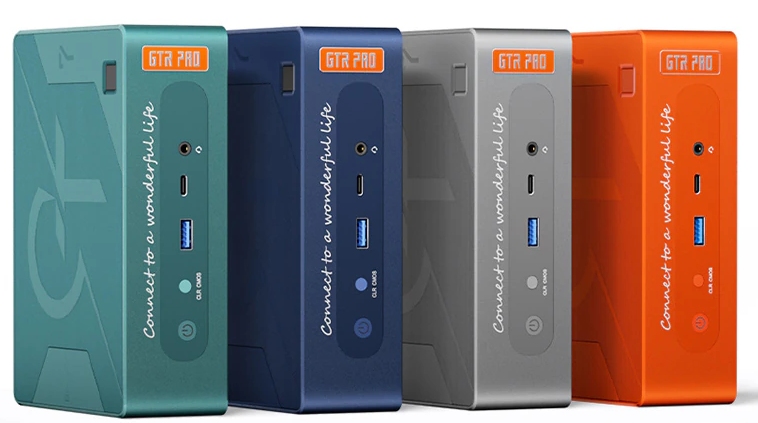
Beelink has launched the GTR7 and GTR7 Pro mini PCs, which are among the first compact desktop computers with AMD Ryzen 7040 “Phoenix” chips. The processors support up to 8 of AMD’s Zen 4 CPU cores, up to 12 RDNA 3 compute units, and up to 24MB of cache. The mini PCs feature 8-core, 16-thread chips with Radeon 780M integrated graphics as well as support for up to 64GB of DDR5-5600 memory and up to 8TB of PCIe 4.0 NVMe storage. The Ryzen 9 7940HS chip is only slightly faster than the Ryzen 7 7840HS, but the mini PCs are powerful with support for up to four displays and integrated graphics that rival entry-level discrete GPUs.
AYA NEO has announced the launch of two new gaming handhelds, the AYA NEO 2S and AYA NEO GEEK 1S, both featuring new AMD Ryzen 7000 APUs with RDNA 3 iGPUs. The company plans to launch the devices on Indiegogo in mid-May, with shipping set to begin a month later. The devices share most features with their predecessors, but AYA NEO claims to have improved cooling. Pricing details have not yet been announced.
AMD has released the Ryzen Z1 series of high-performance processors for handheld gaming consoles, featuring Zen 4 cores and RDNA 3 graphics. The Ryzen Z1 series is being introduced with two SKUs, the top-tier Ryzen Z1 Extreme has eight Zen 4 CPU cores and 12 RDNA 3 architecture compute units, while the vanilla Ryzen Z1 cuts that down to six CPU cores and four CUs enabled. The Ryzen Z1 series chips will support a maximum TDP of 30 Watts and will be used in Asus' upcoming ROG Alloy handheld gaming console.
AMD has introduced the Ryzen Z1 Series processors, which are designed for handheld PC gaming consoles. The Ryzen Z1 and Ryzen Z1 Extreme processors offer up to 8 cores and 16 threads, AMD RDNA 3 architecture-based graphics, and USB4 connectivity. The processors are optimized for gaming with features such as AMD Radeon Super Resolution, Radeon Chill, and Radeon Image Sharpening. The first device to feature the Ryzen Z1 Series will be the Asus ROG Ally, which will be available soon.