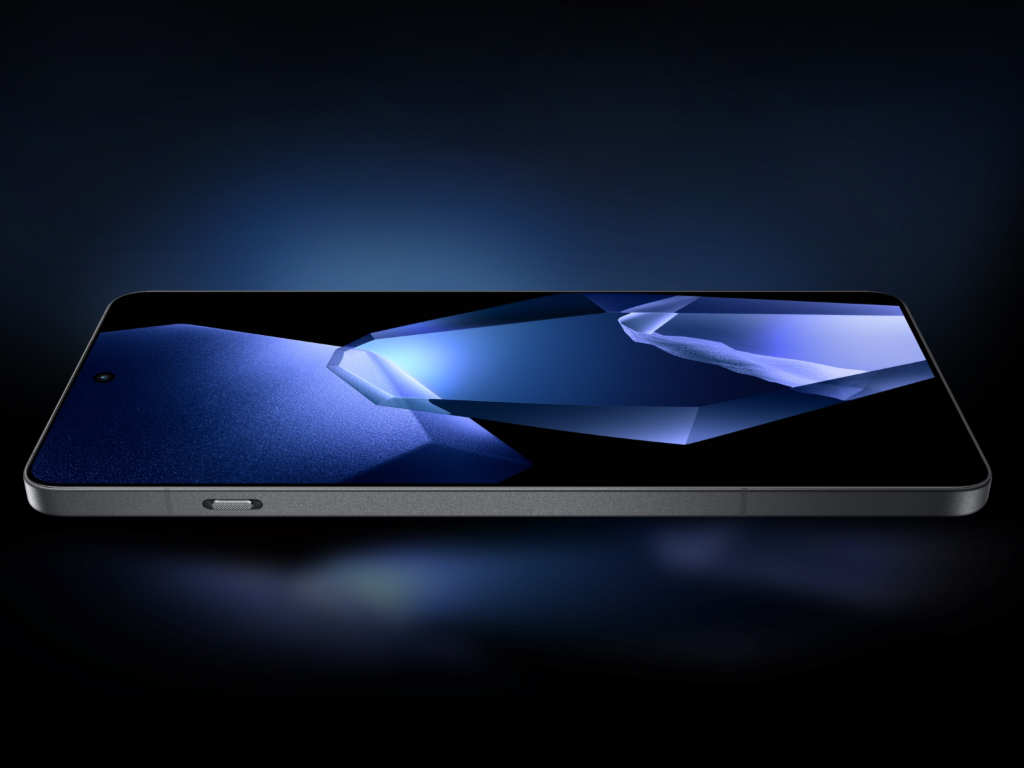
A leak claims OnePlus 16 is in engineering-sample testing around a Snapdragon 8 Elite Gen 6 Pro, with an 185Hz display and sub-1mm bezels, though no official specs or release date are confirmed yet.
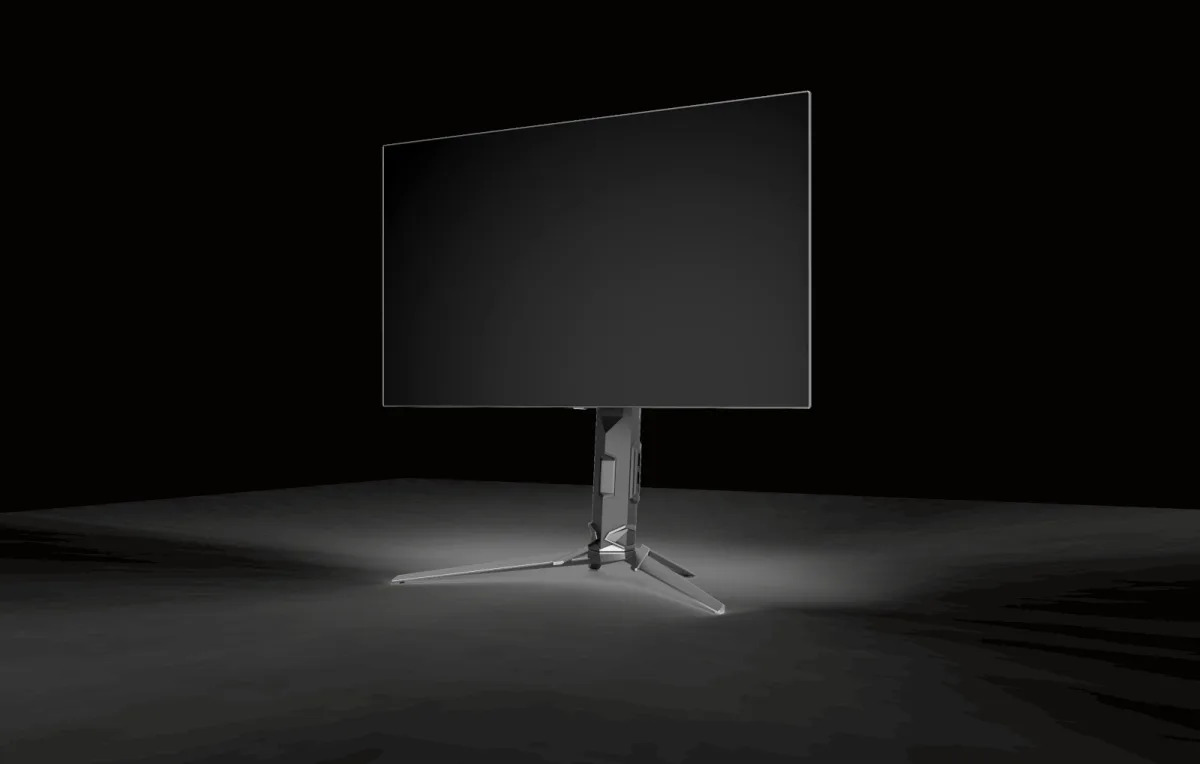
LG has announced the UltraGear 25G590B, a 24.5-inch Full HD monitor with a native 1000 Hz refresh rate, marketed for esports and twitch-based FPS players. It can run at 1080p natively without dual-mode rebooting, and research suggests extreme Hz can reduce motion blur, but returns diminish on smaller screens and the price is expected to be premium. Pricing and market demand remain unclear, with potential buyers weighing the extra cost against established 240–360 Hz options.
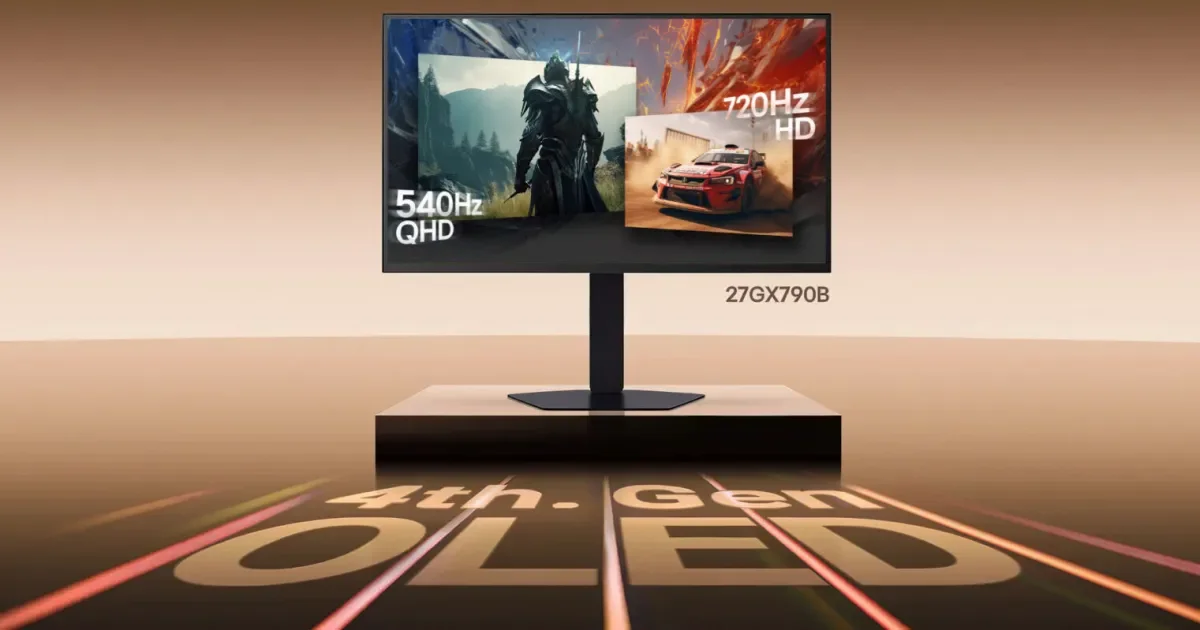
LG has announced its GX7 OLED gaming monitor in the US, featuring a 26.5-inch display with dual mode refresh rates of up to 720Hz in 720p and 540Hz in 1440p, priced at $999.99. It boasts the brightest OLED panel from LG so far, with 335 nits brightness, fast response times, and support for G-Sync, FreeSync, and DisplayHDR True Black 500. Preorders start now, with a bonus 27-inch IPS display included for early buyers.
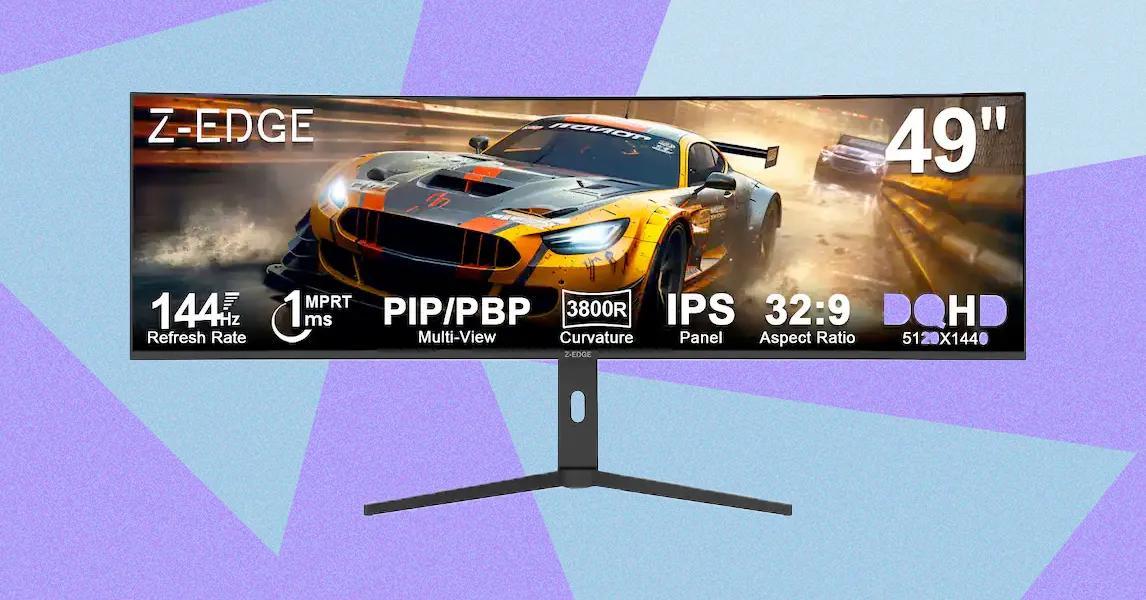
The article provides a comprehensive guide to choosing a computer monitor in 2025, covering panel types like LED, OLED, and Mini-LED, as well as important features such as resolution, refresh rate, aspect ratio, adjustability, and ports, helping consumers make informed decisions based on their needs and budget.
OnePlus teases the upcoming OnePlus 15 with an 'ultra-high' refresh rate display, expected to be 165 Hz, marking a significant upgrade and potentially setting a new industry trend, alongside other enhancements like a new Snapdragon chip and a larger battery.
Google's Pixel 10 base model ships with a default 60Hz refresh rate, disabling the 120Hz mode to potentially improve battery life, but users can enable the higher refresh rate manually if desired. The Pro models feature LTPO screens allowing dynamic refresh rate adjustments for better power efficiency.
The upcoming iPhone 17 lineup's key mystery is whether all models will feature ProMotion technology with 120Hz refresh rate, which could significantly influence consumer upgrade choices, especially for those considering the iPhone 17 Air, as the inclusion or exclusion of ProMotion remains uncertain.
The Nintendo Switch 2 features an LCD screen with a 120Hz refresh rate but has a slower response time compared to other gaming displays, leading to concerns about motion blur and 'ghosting.' Its HDR capabilities are limited, falling short of true HDR standards, but the overall display quality remains satisfactory for most users. Despite technical shortcomings, the console offers a vibrant gaming experience, and subjective enjoyment outweighs technical critiques.
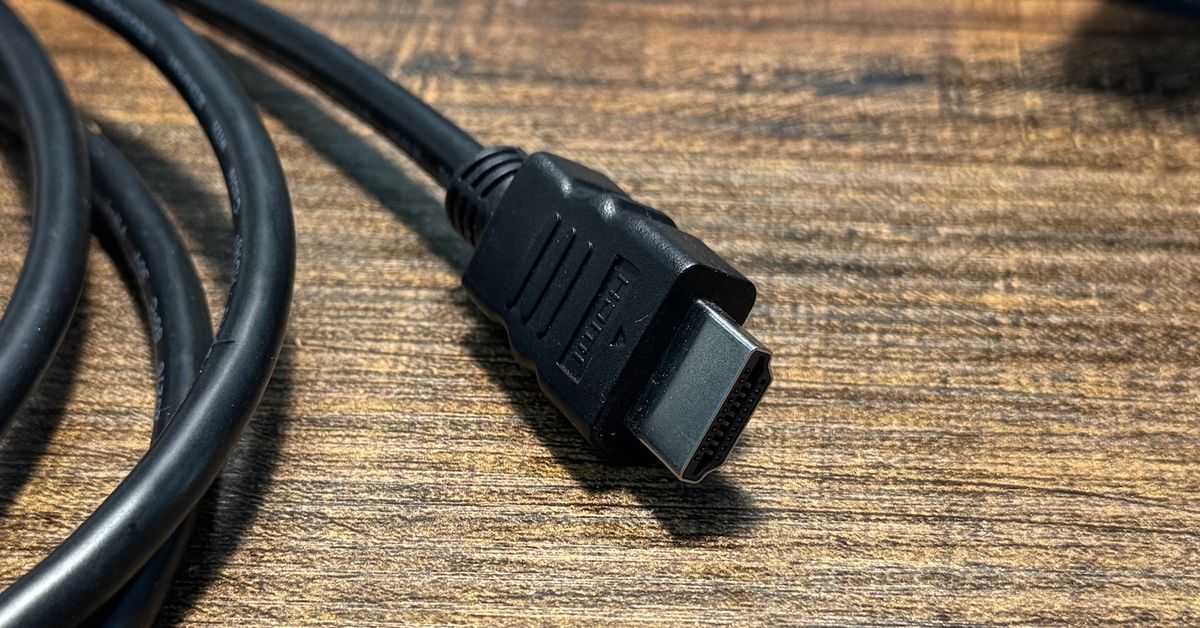
The HDMI Forum is set to announce HDMI 2.2, a new specification that will support higher resolutions and refresh rates, potentially requiring a new cable. The announcement will be made on January 6th, and while the new spec may not necessitate a change in the HDMI port itself, new cables might be needed to fully utilize the enhanced capabilities.
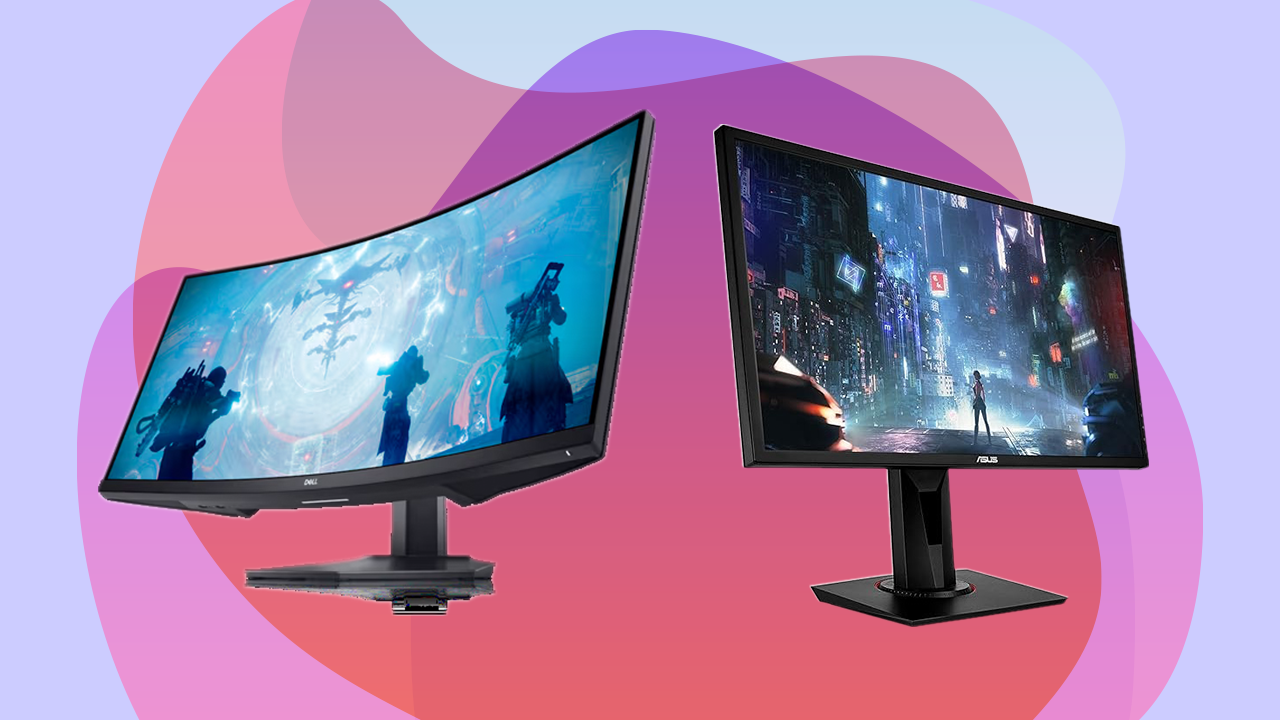
Amazon Prime Day is offering significant discounts on a variety of gaming monitors, including models from Dell, MSI, Asus, Gigabyte, and Samsung. Deals include high refresh rate monitors, 4K displays, and even OLED options, with prices slashed by up to 33%. Prime membership is required to access these deals.
Acer has introduced three new Predator gaming monitors with OLED displays and high refresh rates. The Predator X27U F3 is a 27-inch monitor with a 480 Hz refresh rate, available in Q3 for $1,200. The Predator X32 X3 is a 31.5-inch 4K UHD monitor with a 240 Hz refresh rate, upgradable to 480 Hz in Full HD, available in Q4 for $1,200+. The Predator X34 X5 is a 34-inch curved monitor with a 240 Hz refresh rate, available in Q4 for $1,100+. All models support NVIDIA G-SYNC and AMD FreeSync Premium Pro, feature 10-bit color depth, and come with adjustable stands and built-in speakers.
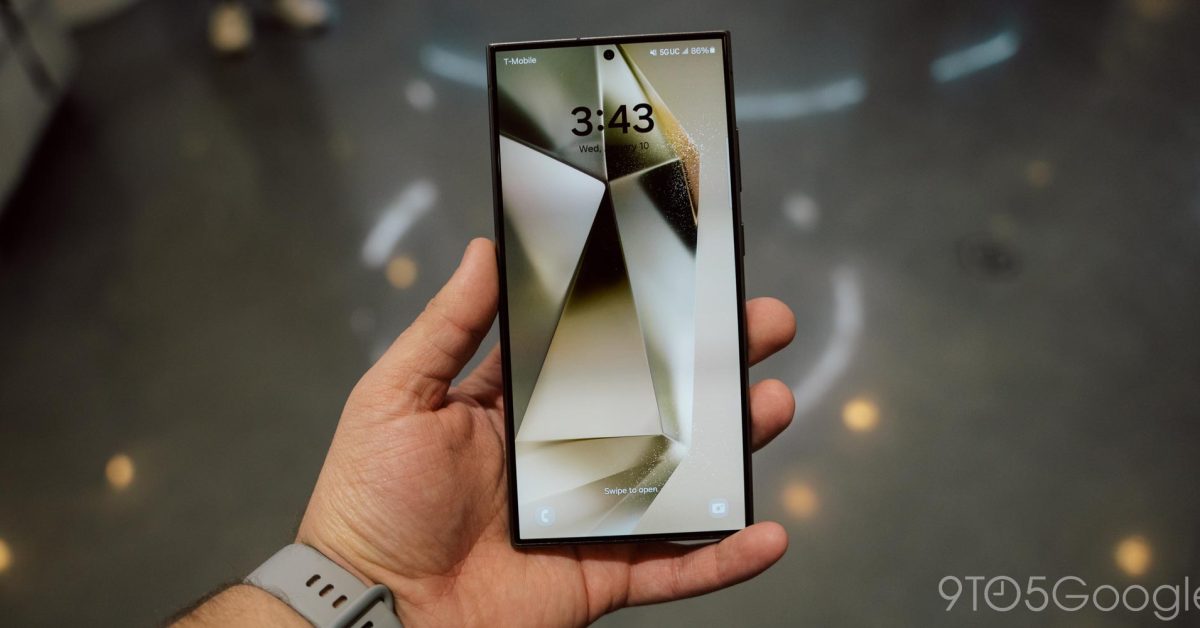
Samsung has increased the PWM refresh rate of its Galaxy S24 series, addressing a lesser-known but important aspect of display technology. The pulse width modulation (PWM) refresh rate affects how the eye perceives brightness on OLED displays, and a higher refresh rate can help reduce eye strain for some users. The Galaxy S24 Ultra now boasts a PWM refresh rate of 492Hz, a significant improvement over its predecessor and higher than the iPhone's 480Hz rate. While this change may not be noticeable for most users, it represents a step in the right direction for those sensitive to PWM effects.
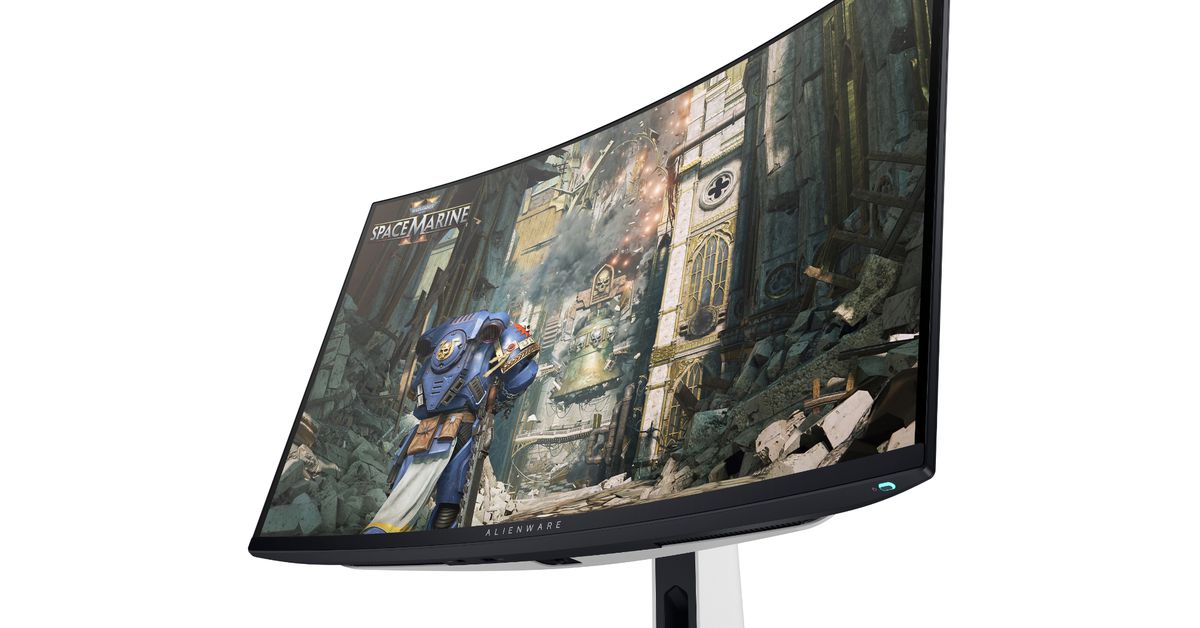
Alienware has released two new QD-OLED gaming monitors, a 27-inch flat 1440p panel with a 360 Hz refresh rate and a 32-inch 4K curved model with a 240 Hz refresh rate, both featuring anti-glare coatings. The 27-inch monitor is priced at $899.99 and supports up to 144 Hz refresh rate at 1440p via HDMI 2.1, while the 32-inch monitor costs $1,199.99 and supports 4K resolution at up to 240 Hz refresh rate, with Dolby Vision HDR support and eARC for high-bandwidth audio passthrough.
Nvidia introduces G-Sync Pulsar, a new monitor technology aimed at reducing motion blur and pixel ghosting by synchronizing variable refresh smoothing and monitor pulsing. This technology requires Nvidia's own chips built into the monitor and will only be available on monitors with a G-Sync Ultimate badge. The Asus ROG Swift PG27 Series G-Sync with 360 Hz refresh rate is set to release later this year. Nvidia also announced that its GeForce Now game streaming service will offer G-Sync capabilities to Ultimate or Priority members, aiming to make cloud gaming experiences nearly indistinguishable from local ones.
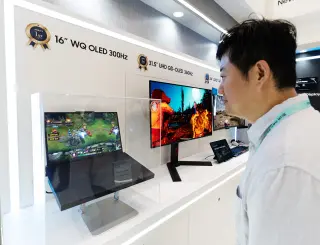
LG has unveiled its upcoming pro gamer monitors, including a 4K OLED display that can switch from 4K resolution at 240Hz to 1080p resolution at a blistering 480Hz refresh rate with the flick of a switch. The monitor is designed for fast-paced action titles and shooting games, while the 240Hz option is for visually rich story-driven games. LG also showcased curved UltraGear OLED monitors with a 240Hz refresh rate, including ultra-wide options. The new monitors offer high refresh rates for gamers seeking an edge, but their astronomical refresh rates may be seen as a gimmick by some. Pricing details have not been revealed yet.