Bruce Springsteen announced in a video at the Pan-Mass Challenge that Patti Scialfa, his wife and longtime E Street Band member, is in remission from multiple myeloma, marking a hopeful turn in her battle with cancer that became public in 2018.
Bruce Springsteen announced that Patti Scialfa's blood cancer, multiple myeloma, is in remission and shared the update during a Pan-Mass Challenge fundraiser, praising her strength, the support of her medical team at Dana-Farber, and the importance of ongoing cancer research.
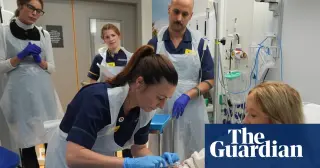
A UK trial at University College London Hospital using CAR T-cell therapy to treat lupus nephritis showed remission in five of nine patients within three months, with remissions lasting through an 11-month follow-up, including a patient who fulfilled a skiing dream—an advance that researchers say could herald a lupus cure if confirmed in larger studies.
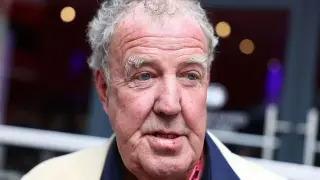
Jeremy Clarkson disclosed that his aggressive prostate cancer, diagnosed during Season 5 of Clarkson’s Farm, is in remission after ultrasound treatment. He described complications during therapy, including a catheter and a later incident involving blood-thinning medication, and urged men to get tested. He noted a recent prostate check found no cancer indicators and will continue regular blood tests to monitor his condition.
British TV presenter Jeremy Clarkson says he is in remission from an aggressive prostate cancer diagnosed in 2025, after follow-up tests showed no evidence of cancer. He credits early detection through regular testing, urges men to get screened, and notes he previously had part of his prostate removed and a heart procedure in 2024; he remains under regular monitoring with hopes of no recurrence.
Nine patients with severe lupus in London took part in an NHS-led CAR-T cell therapy trial; five of the lower-dose recipients went into remission within months, with kidney function stabilization and notable quality-of-life gains (including skiing and dancing for one patient). Higher-dose patients are still being followed. If confirmed in larger studies, this immune‑reset approach could offer a potential cure and reduce lifelong medications.
Dave Coulier revealed that extensive radiation for throat cancer and a subsequent lymphoma have changed his speech and appearance, caused him to lose about 45 pounds and struggle with solid food, but he’s in remission with a positive prognosis.
Dave Coulier told fans on Instagram that extensive radiation for throat cancer and treatments for tongue cancer and stage 3 non-Hodgkin lymphoma have left him unable to eat solid food for months, causing a 45-pound loss and a changed voice, but he’s in remission with a hopeful prognosis and is encouraging others to get medical screenings.
Princess Kate marked Earth Day 2026 with a personal Instagram post about nature and wellbeing, signaling her continued focus on healing after a 2024 cancer diagnosis and remission by 2025. Insiders say she’s leaned into nature and spiritual wellness as part of her ongoing 'Mother Nature' video project with Prince William, framing recovery and survival through rituals of calm and renewal.
A 47-year-old Catford woman with incurable myeloma, diagnosed in 2017, has reached remission for the first time in nearly a decade after starting the newly approved drug elranatamab in February 2025, following years of chemotherapy. Doctors at King's College Hospital NHS Foundation Trust praised the treatment’s impact, giving her renewed hope and allowing her to regain activities she loves.
An Oslo man with HIV and bone marrow cancer underwent an allogeneic stem cell transplant from his CCR5Δ32/Δ32 brother. The donor’s double mutation disabled a key HIV entry protein, enabling his new immune system to replace the patient’s. Two years post-transplant, the patient’s HIV is undetectable and he has stopped antiretroviral therapy without viral rebound, indicating a likely cure or sustained remission. The approach is rare, carries significant risks, and findings may guide future cures, but it is not scalable for general HIV treatment and requires further study.
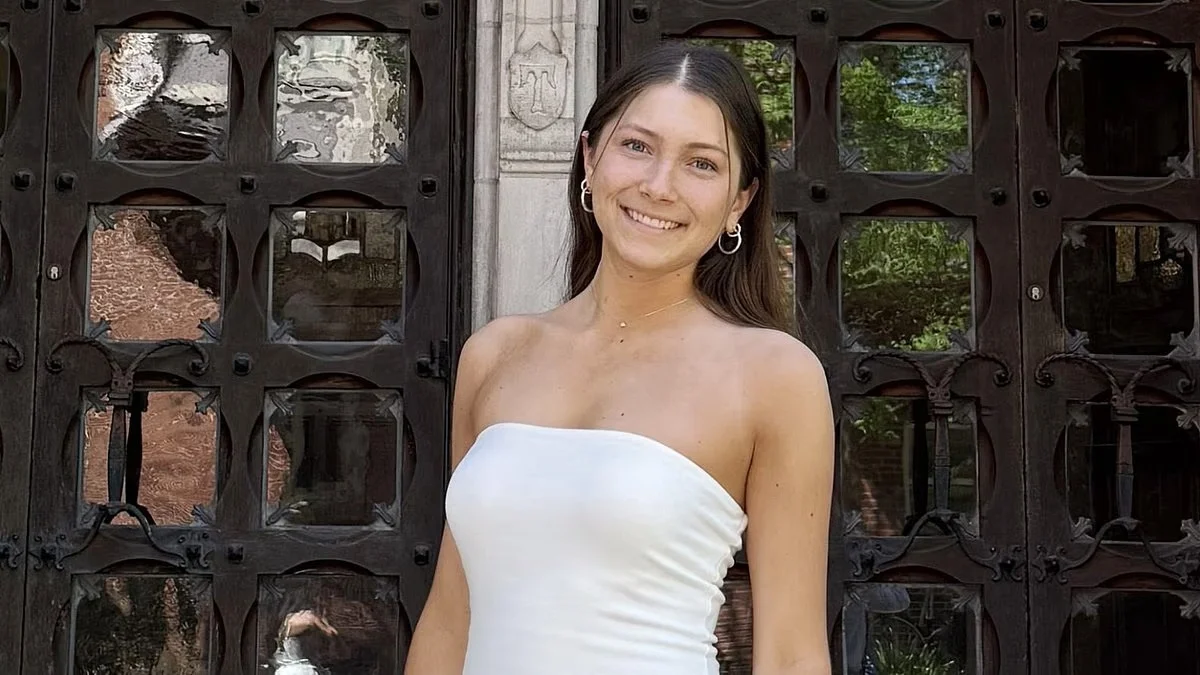
A 22-year-old Philadelphia student mistook persistent itching, fatigue and night sweats for stress, but tests revealed a grapefruit-sized 10 cm tumor near her heart and a diagnosis of Stage 2 Hodgkin lymphoma. She underwent chemotherapy and is awaiting a follow-up scan to confirm remission; doctors note Hodgkin lymphoma is highly treatable with modern therapy and urge people to seek medical advice for persistent symptoms.
A 30-year-old father with metastatic, microsatellite-stable colorectal cancer and 13 lung tumors enrolled in a Duke trial testing immunotherapy as a first-line treatment instead of chemotherapy. The therapy dramatically reduced tumors (from 13 to 3; the largest under 0.6 mm), offering a path toward remission and prompting hopes for broader use. Full trial results are due in April, but experts caution it’s not yet standard of care and research will continue to refine patient selection. The case highlights a potential shift in treating certain colorectal cancers when detected early in the disease course.
Kimberly Pelling, diagnosed in 2022 with an aggressive grade‑four brain tumor, halted standard treatment in 2023 and credits a strict carnivore diet and extensive supplements with a 2025 scan showing no evidence of cancer; experts warn this is not a universal cure and advise medical supervision while she continues living and sharing her journey.
A Pilates instructor’s flu-like symptoms led to a diffuse large B-cell lymphoma diagnosis; after initial chemotherapy, the cancer recurred in her brain, but a personalized CAR-T immunotherapy treatment induced complete remission. She experienced no major side effects, returned to daily life, and will continue regular scans to monitor for recurrence, marking a hopeful turnaround.