AI tools increase individual researcher productivity but risk narrowing the overall scope of scientific inquiry. Institutions must shift incentives to reward the creation of new data and support interdisciplinary pivots, rather than optimizing existing datasets.
A new wave of AI tools is transforming physics by automating experimental design and accelerating theoretical calculations, yet significant concerns remain regarding intellectual property, attribution, and the necessity of human oversight. While some researchers embrace AI for optimizing complex setups, others argue that the core skills of physics require human intuition and ethical standards that current models cannot yet uphold.
Generative AI has intensified the 'publish or perish' crisis by making scientific paper fabrication cheap and fast. While detection tools struggle to keep pace with evolving AI, experts argue that the only lasting solution is shifting academic evaluation from publication volume to quality.
The article argues that research programs should embed futures-thinking from the outset to avoid misalignment with future conditions. It promotes translational foresight—applying futures studies methods (like horizon scanning, the Futures Wheel, 2×2 scenario analysis, and backcasting Vision Writing) to funding, staffing, and infrastructure decisions. By explicitly uncovering and testing assumptions about technology maturation, public trust, and regulatory trajectories, and by planning trigger points for change, science can be better prepared for crises (e.g., COVID-19, AI advances) and for alternative futures. The piece calls for making these foresight practices routine in science policy and funding decisions to reduce reactive, crisis-driven shifts and improve long-term research outcomes.
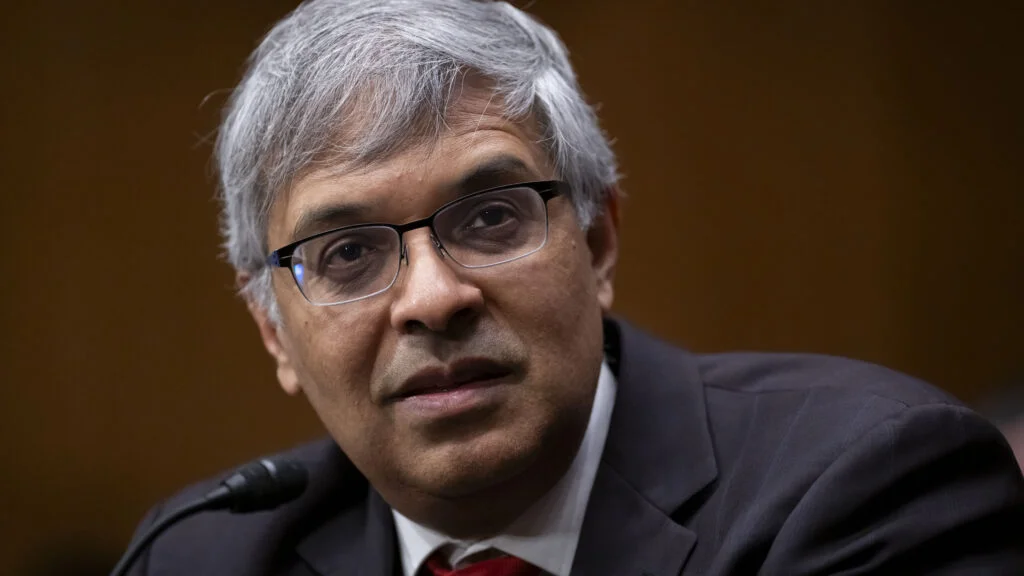
NIH Director Jay Bhattacharya announced that DEI-related grants restored after court rulings may not be renewed once they come up for renewal, as they no longer align with NIH priorities, signaling a shift away from DEI-focused research funding amidst ongoing legal and political debates.