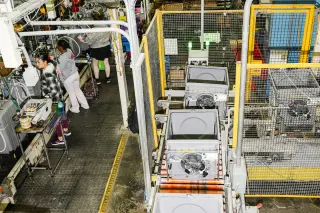
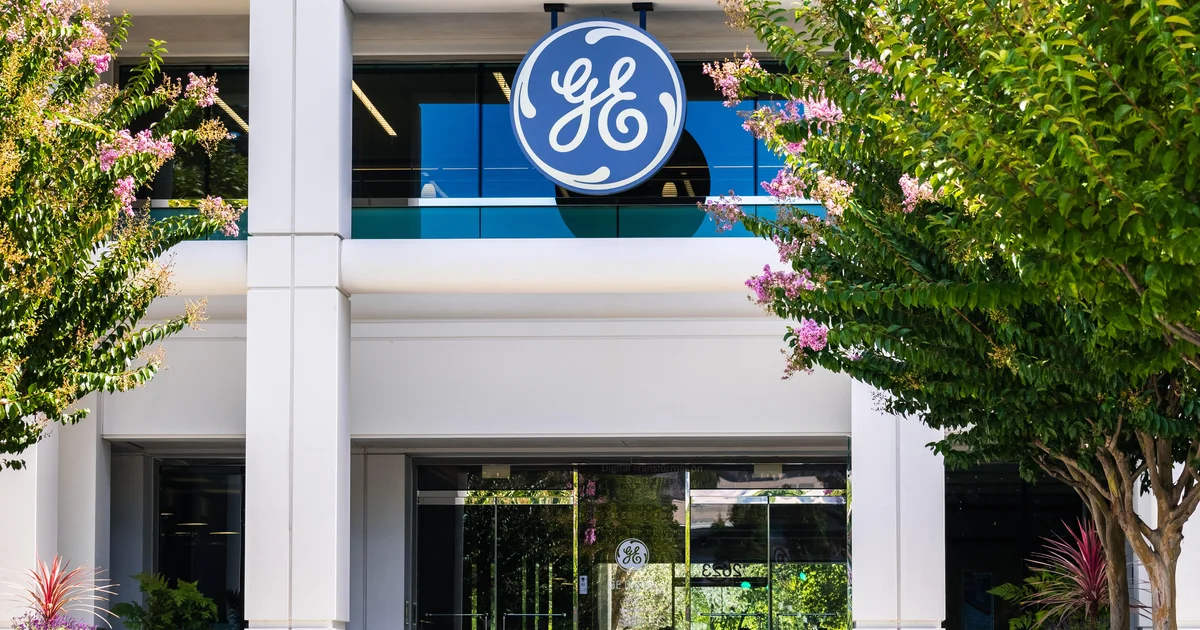
Haier-owned GE Appliances is moving a washer-dryer line back to a Louisville, Kentucky plant, hiring about 800 U.S. workers as part of a $6.5 billion reshoring plan to boost domestic manufacturing, aided by automation but hampered by tariffs, supplier gaps, and questions about the scale of job gains.
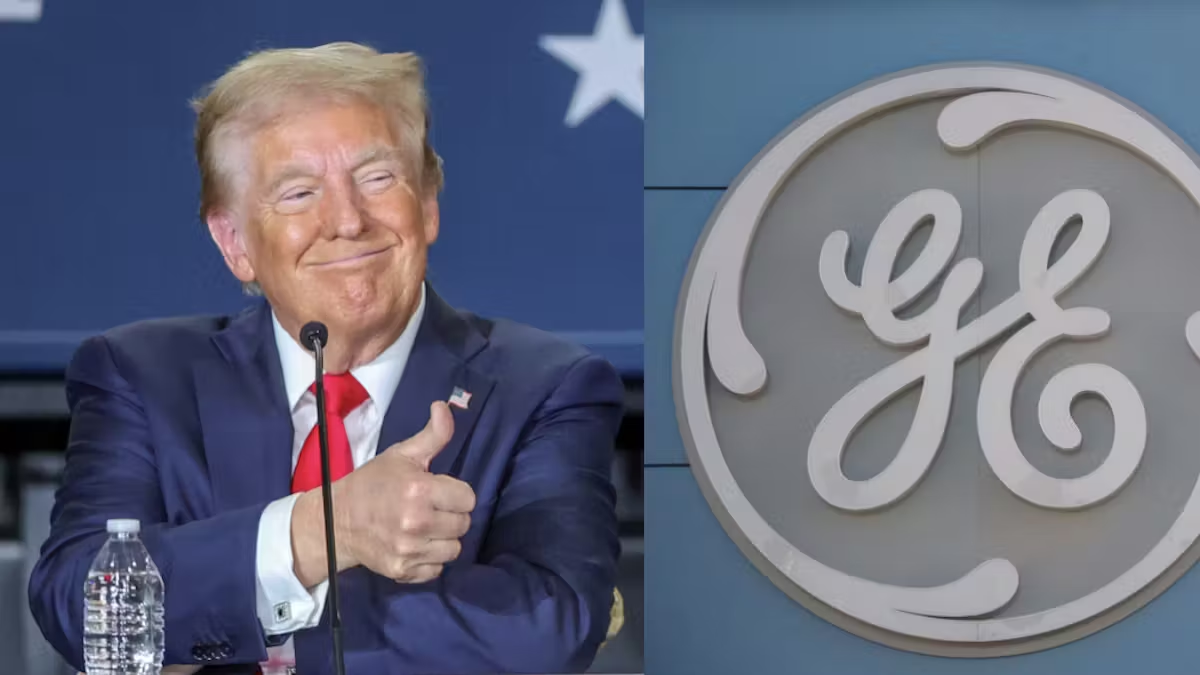
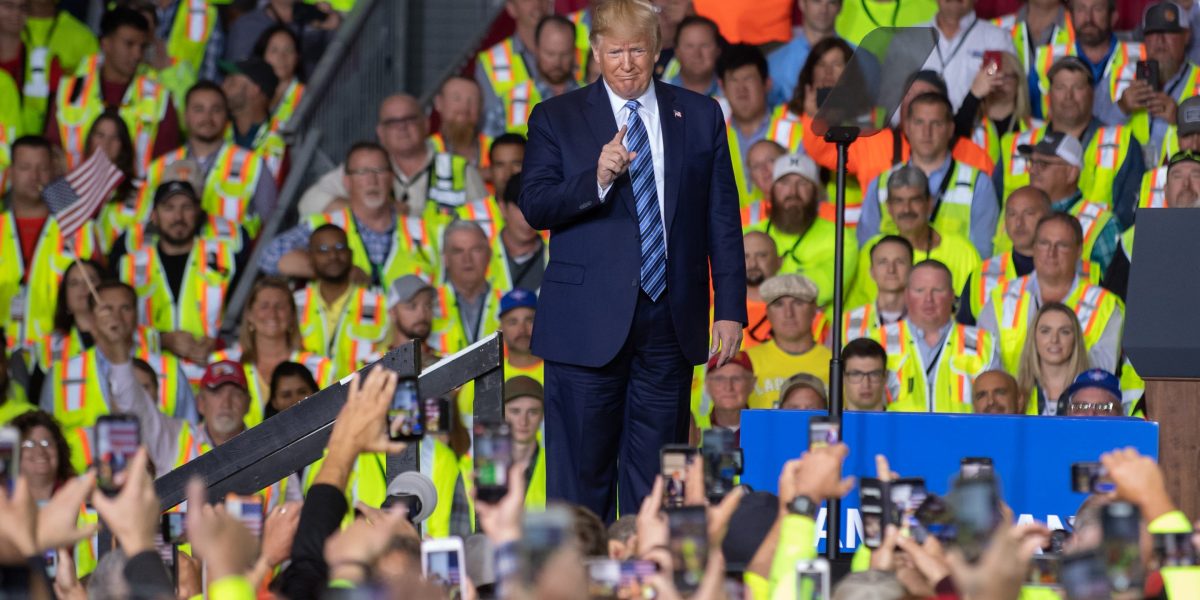
A PBS NewsHour report shows that despite President Trump’s promises of a manufacturing revival, U.S. factory jobs have fallen since he took office, with some production moving overseas and concerns about quality from imported parts. Experts say job gains from reshoring and investment would be modest and slow, and automation may cap growth, suggesting the promised boom is not imminent and the sector’s recovery will be gradual.
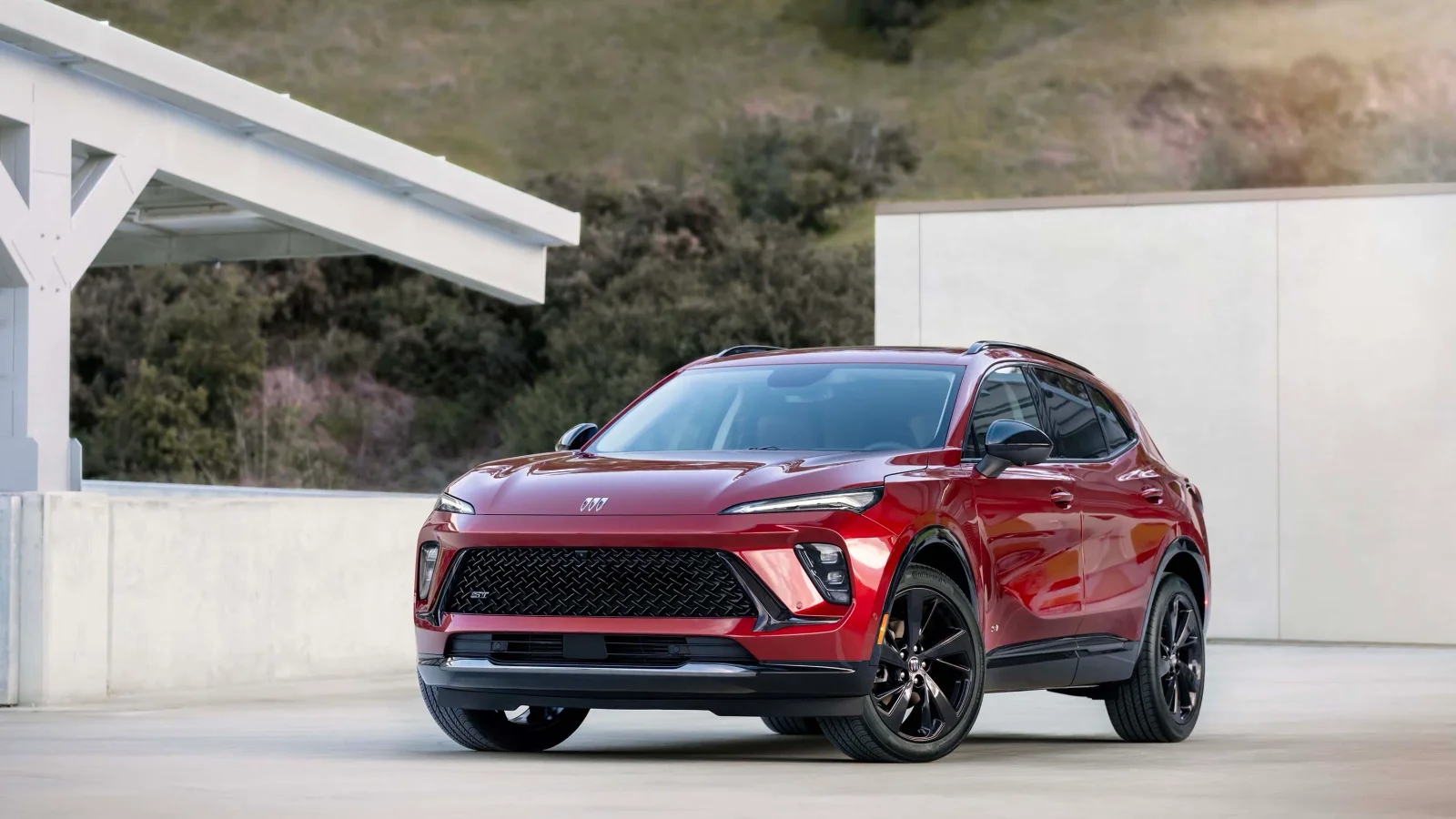
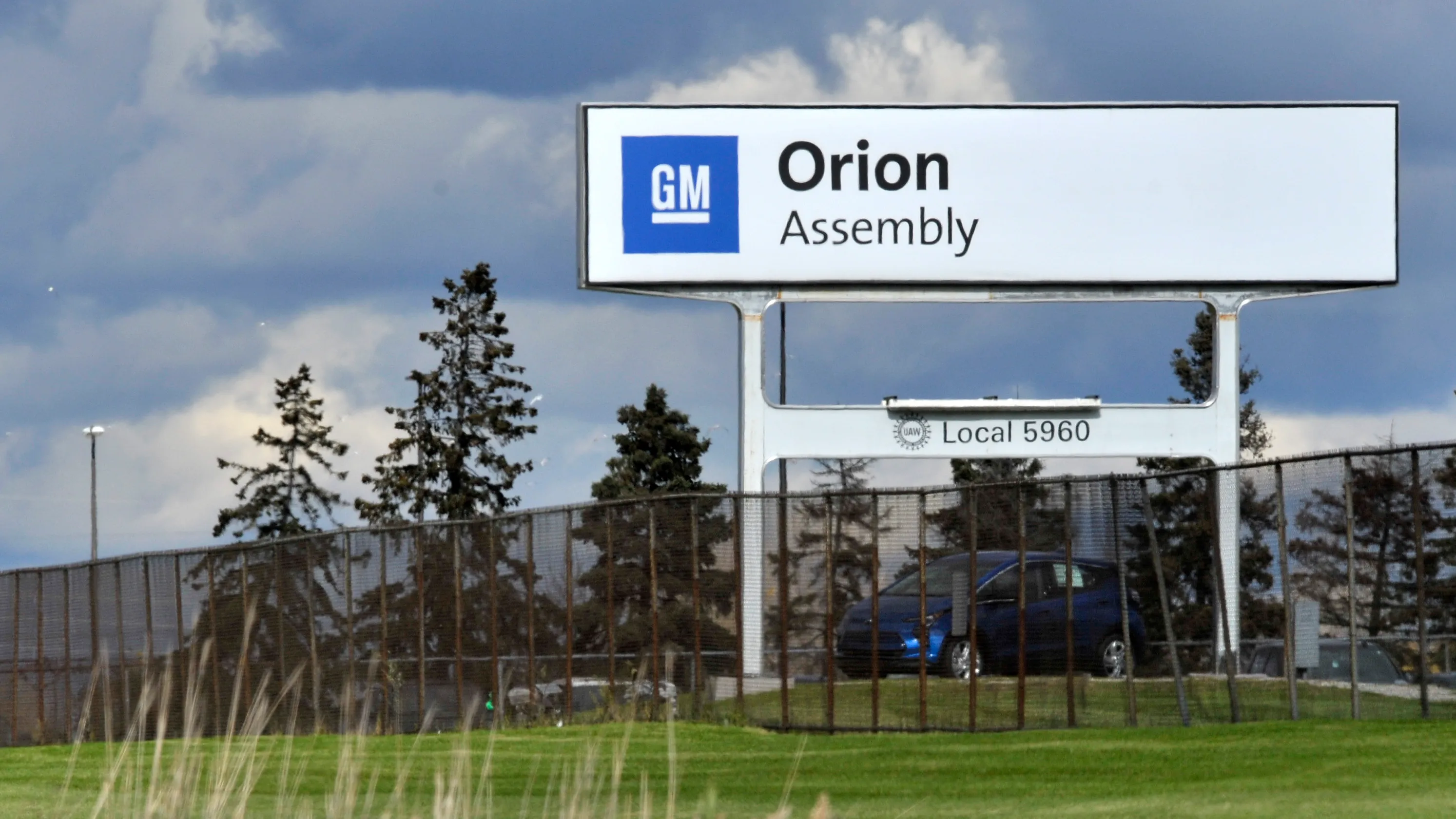
GM will shift production of the Buick Envision from China to its Fairfax Assembly & Stamping plant in Kansas City in 2028 as part of a broader reshoring effort tied to tariffs, backed by multibillion-dollar investments to move more production to U.S. sites. Envision will still be built in China for other markets, and GM is also planning to move the Chevrolet Equinox to Fairfax next year. Fairfax has faced underutilization and layoffs, with around 900 workers previously let go, but employees are eager to return as production ramps up. Analysts say the move adds scale and supports a brick‑by‑brick onshoring strategy, though tariff savings may be modest.”,
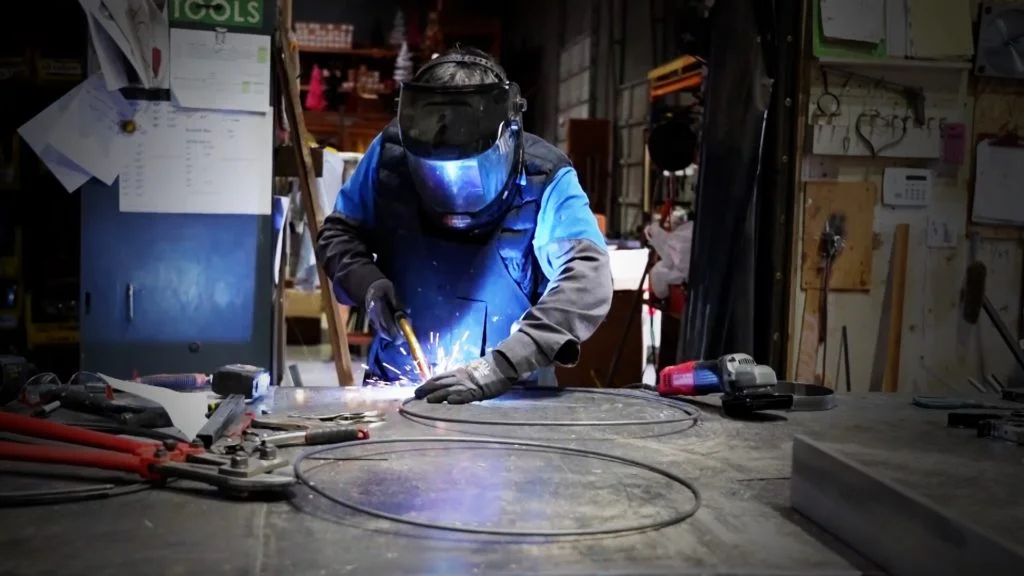
Ford CEO Jim Farley warns that a shortage of blue-collar workers to build and operate AI data centers and manufacturing facilities risks derailing AI ambitions and reshoring, noting current gaps of about 600,000 factory workers and 500,000 construction workers, plus a need for 400,000 auto technicians in three years; experts cite an aging workforce, immigration policy limits, and low awareness of the shortage, and call for vocational training and policy reforms as demand for AI infrastructure surges.
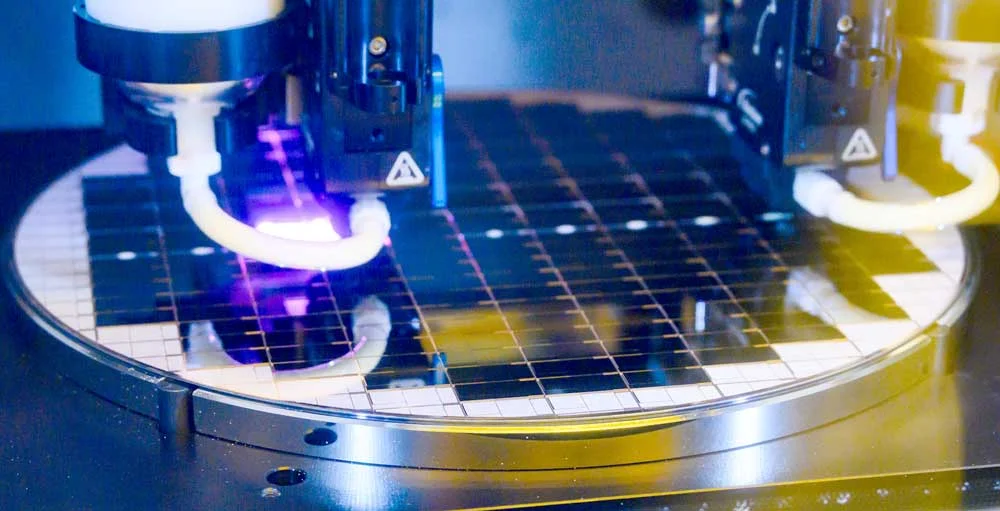
The Trump administration is considering a policy to require equal domestic and imported semiconductor production, benefiting Intel and other U.S. chipmakers, with Intel's stock rising as a result. The policy aims to promote reshoring of chip manufacturing but faces questions about its practical implementation due to complex global supply chains.
GE Appliances is investing over $3 billion to expand its U.S. operations, moving production from China and Mexico to domestic plants in Kentucky, Georgia, Alabama, Tennessee, and South Carolina, in a strategy supported by tariffs and aimed at creating over 1,000 jobs and modernizing manufacturing facilities.
GE Appliances is moving most of its washing machine production from China to Kentucky, investing $490 million and creating at least 800 jobs by 2027, as part of its strategy to bring manufacturing closer to U.S. consumers and align with current economic policies.
Bank of America suggests tariffs could encourage reshoring of manufacturing to the U.S., but automation may replace human jobs, and challenges like skilled labor shortages and high costs could limit the benefits, making the impact on the economy complex and potentially double-edged.
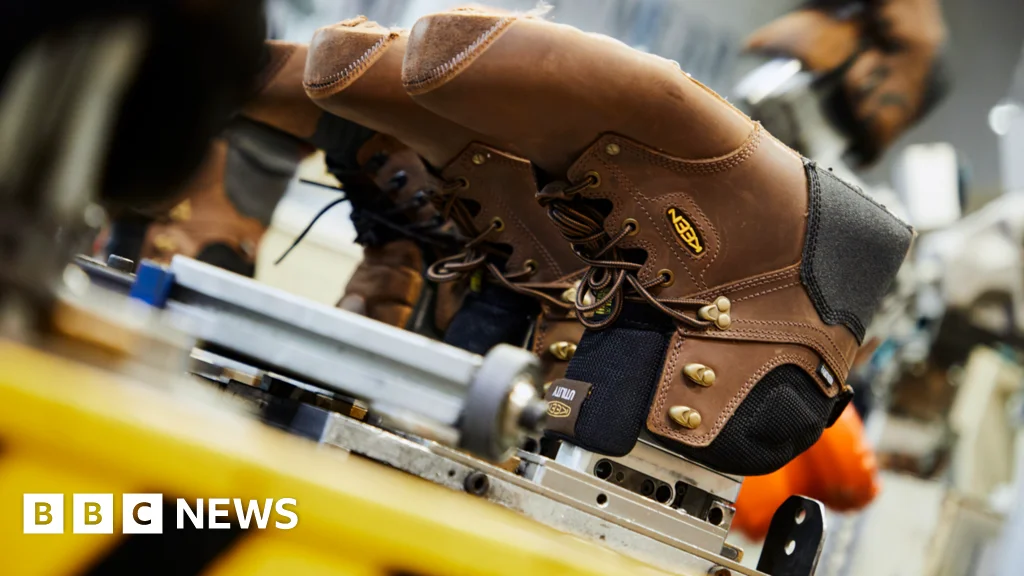
Keen's new US shoe factory exemplifies how American manufacturing is evolving through automation and high-tech solutions, making domestic production more viable despite high labor costs, but it remains a complex and limited part of the industry due to global supply chain dependencies and high costs.
General Motors plans to invest $4 billion to move production from Mexico to the U.S., including retooling plants in Michigan, Kansas, and Tennessee, driven by demand for SUVs and efforts to counteract tariffs, supporting American jobs and manufacturing.
Solar manufacturing in the United States is experiencing a revival thanks to a combination of tax credits and trade protections provided by President Biden's Inflation Reduction Act. The law has incentivized solar companies to invest billions of dollars in new facilities, leading to the reshoring of solar jobs. Critics argue that while these efforts have been successful in the short term, they come at a high cost to taxpayers and may not be sustainable in the long run. However, proponents believe that the subsidies and tariffs are necessary to compete with China and build a robust domestic solar industry.
The attempt to establish a highly-automated Craftsman tool factory in Texas highlights the challenges faced by American businesses in reshoring manufacturing. The $90 million facility, intended to showcase "Made in the U.S.A." products, faced setbacks due to the pandemic, supply chain issues, and technology deficiencies. The factory struggled with testing machinery integral to its automated vision, leading to production issues and a choice between costly adjustments or running at half capacity. Ultimately, the plant was closed, impacting sales and resulting in layoffs. The closure raises questions about the availability of Texas-made tools, with some becoming collectors' items. Other U.S. facilities continue to produce tools using more manual processes.
Stocks are set to start June with modest gains as investors remain wary of debt ceiling deal progress and potential Federal Reserve rate hikes. A bill to raise the US debt ceiling passed the House, and the Senate aims to send it to President Joe Biden's desk as soon as Friday. Retail earnings reports have stocks swinging, with Macy's shares dropping and Nordstrom's rising. Amazon has agreed to pay over $30 million to the Federal Trade Commission to settle allegations of privacy violations involving its Alexa and Ring products. More companies are looking to bring manufacturing operations home, in a trend called "reshoring" that could have massive implications for the global supply chain.