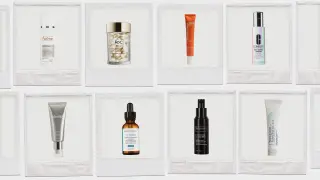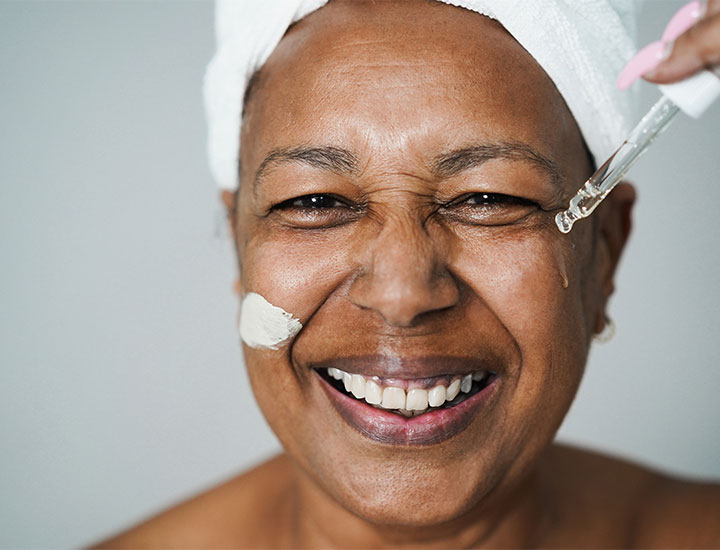
Vogue Beauty highlights eight key ingredients—retinoids, vitamin C, peptides, niacinamide, growth factors, hyaluronic acid, ceramides, and sunscreen—that actively protect and support collagen by boosting production, reducing breakdown, improving hydration, and fortifying the skin barrier, while noting potential irritation and the need for sun protection.
Collagen makes up about 75% of the skin’s dry weight and begins to decline around age 25 (roughly 1% per year, with faster loss after menopause due to lower estrogen). Early signs include reduced firmness and sagging, drier skin, more noticeable wrinkles, less fullness, and subtle changes to facial shape. While collagen loss isn’t entirely preventable, you can slow it by protecting skin from sun, getting enough rest and managing stress, exercising, and eating a balanced diet rich in protein and nutrients. Use collagen-boosting actives (peptides, glycosaminoglycans, hyaluronic acid, vitamin C, niacinamide) and consider retinoids to stimulate your skin’s own collagen production. Topical collagen creams may improve surface texture but don’t prevent deep loss; a dermatologist can tailor a plan.
To boost skin collagen and elasticity, use retinoids or vitamin C at home, start early in your 20s, and consider professional treatments like microneedling, fillers, or PRP therapy. Maintain a collagen-rich diet, get enough sleep, manage stress, and protect skin from UV damage with SPF. Topical products with retinoids and vitamin C can also support collagen production.
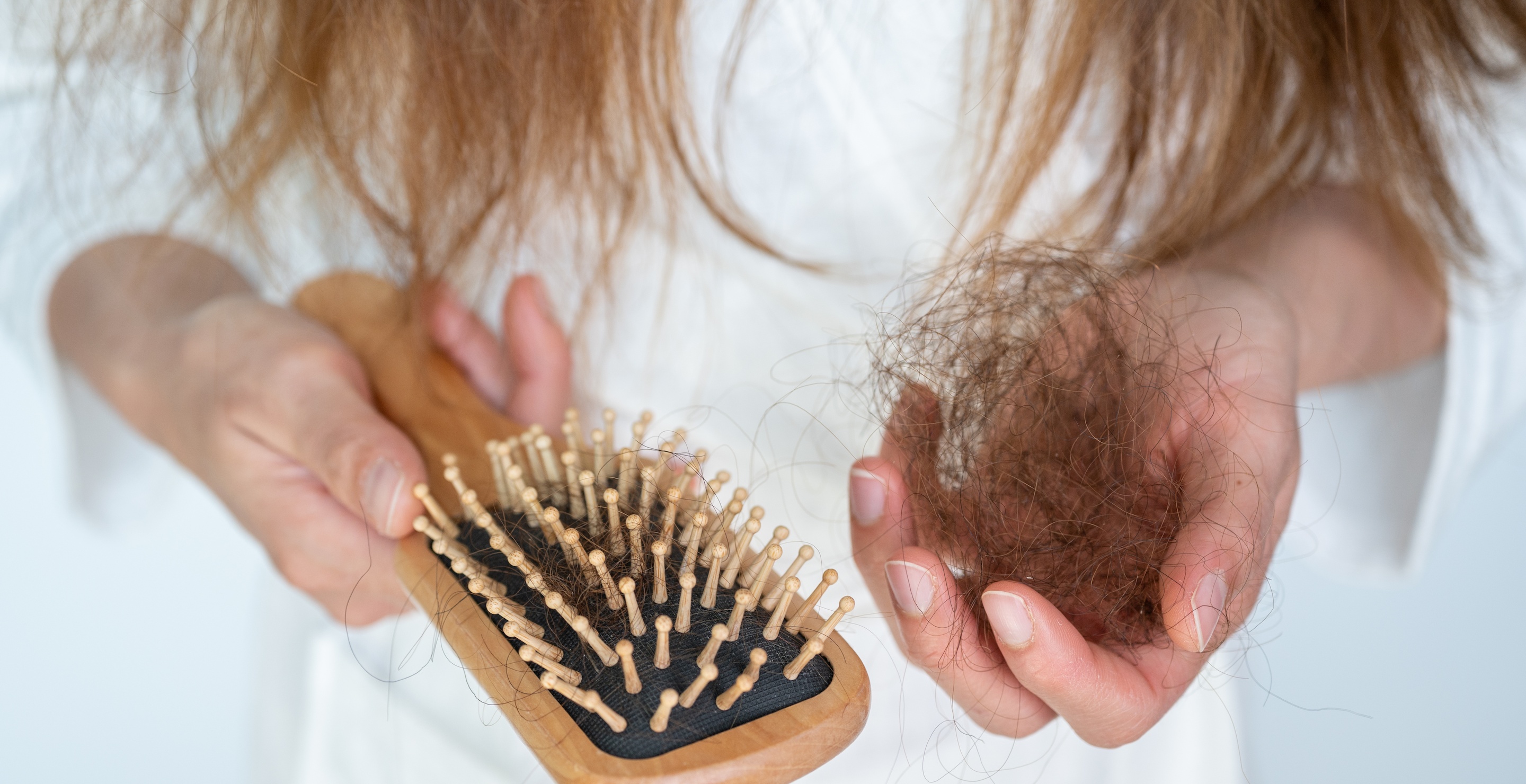
Dr. Zain Hasan highlighted on TikTok five common medications that can cause hair loss, including certain antidepressants like Effexor and Wellbutrin, anticoagulants such as Eliquis and Warfarin, beta blockers like Metoprolol, chemotherapy drug Tamoxifen, and Retinoids used for acne treatment. These medications can lead to hair thinning or loss, with studies supporting the link between these drugs and alopecia.
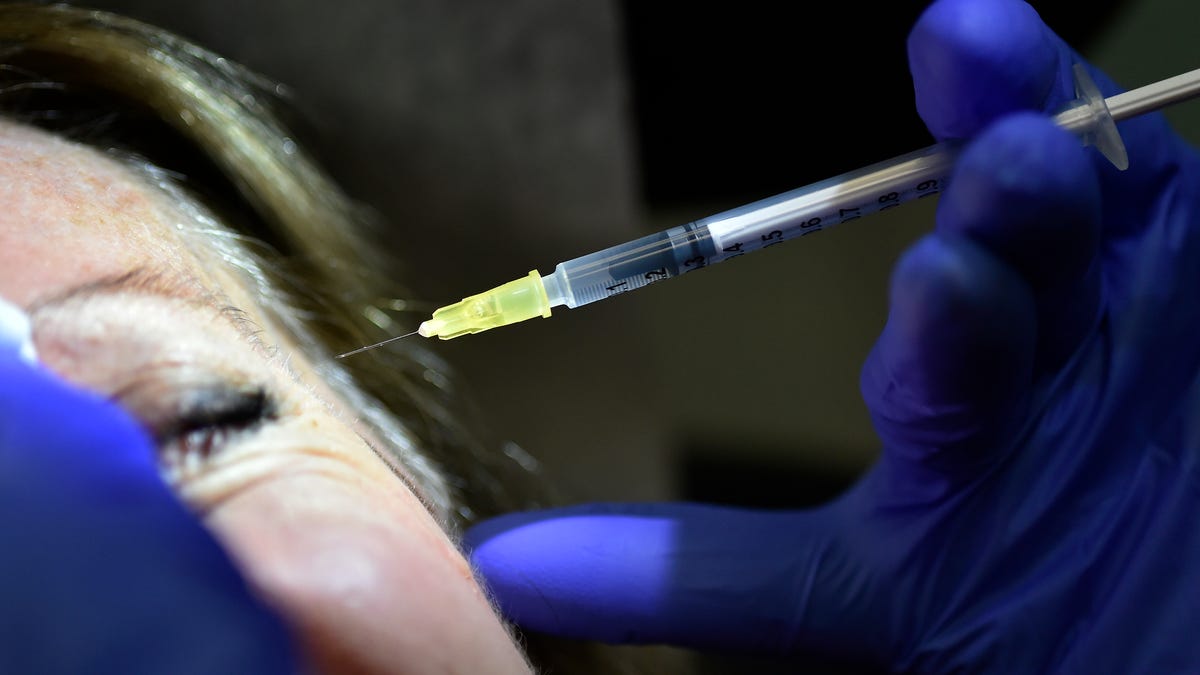
Plastic surgeon Dr. Anthony Youn explains that eye wrinkles can be caused by muscle contractions and the natural aging process, and suggests retinoids, peptide-based creams, and sunscreen as non-invasive treatments to reduce wrinkles. He also recommends Botox for dynamic wrinkles and fractional laser resurfacing for fine lines, but notes that surgical procedures like blepharoplasty won't eliminate wrinkles. The best approach depends on individual skin goals and concerns.
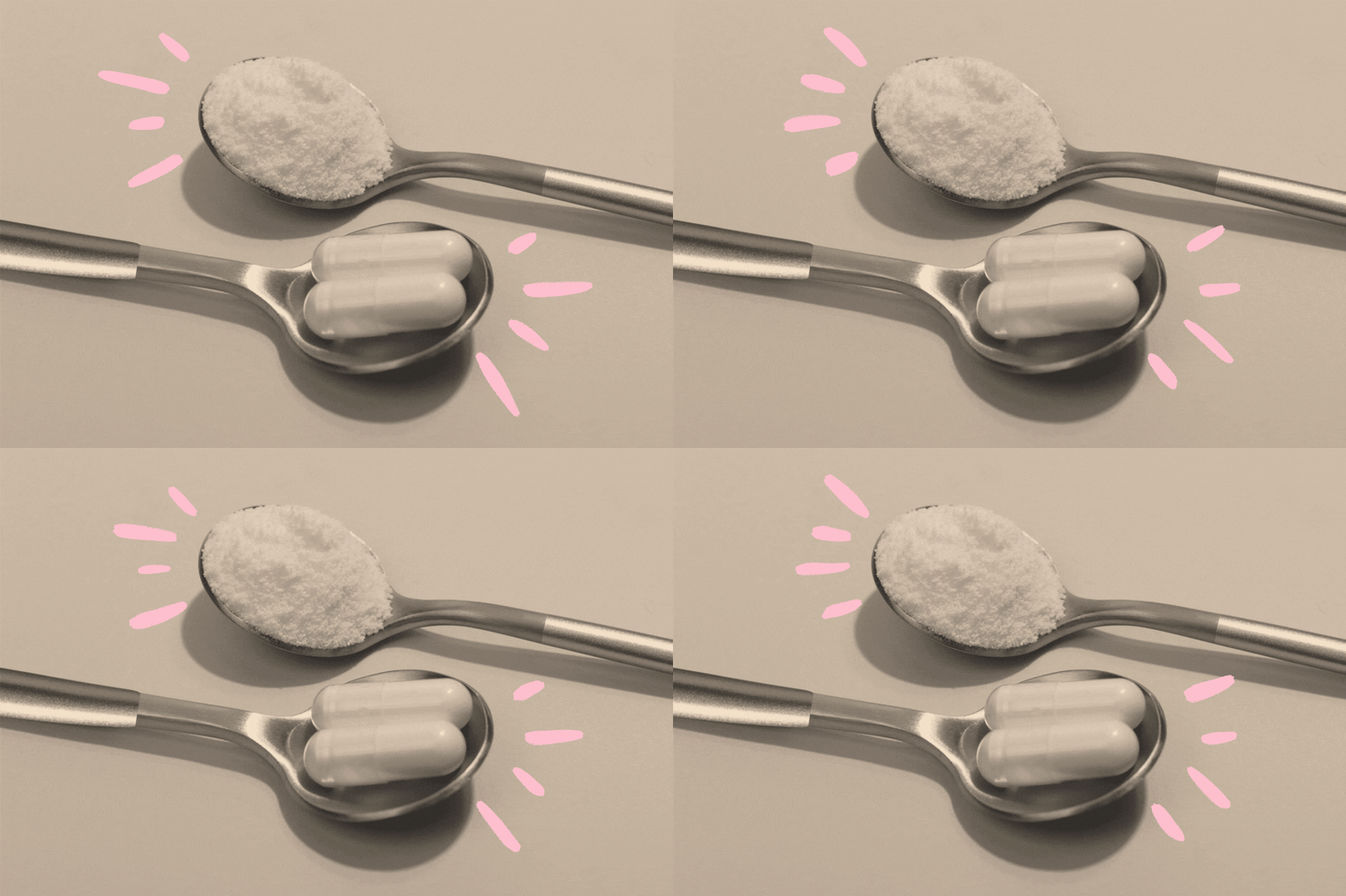
Collagen is a protein that diminishes as we age, leading to skin aging. While collagen supplements are popular, evidence supporting their benefits is weak. Instead, dermatologists recommend sunscreen and retinoids for skin health. Collagen supplements are generally safe, but their effectiveness is questionable. Some studies suggest benefits for joint health, but evidence is limited. Other ways to support collagen production include sun protection, avoiding smoking and pollution, and getting enough sleep. High red meat consumption is not recommended for skin rejuvenation due to associated health risks.
Dermatologists warn against popular anti-aging treatments that do nothing for wrinkles, including at-home microneedling, essential oils, and face rollers. Instead, they recommend proven treatments such as retinoids, microdermabrasion, and facelifts for more extreme skin sagging. It's important to consult with a healthcare professional before using retinoids and to have microdermabrasion performed by a qualified provider.