Tag

Reverse Engineering

All articles tagged with #reverse engineering

AI-Driven Reverse Engineering Challenges Software Ownership and Legal Boundaries
technology19 days ago

AI-Driven Reverse Engineering Challenges Software Ownership and Legal Boundaries

AI tools are enabling individuals to clone major commercial software like Adobe’s Creative Suite, raising urgent questions about intellectual property, legal liability, and the future of software ownership. While some view this as a necessary disruption of exploitative subscription models, others warn of copyright infringement and the creation of unmaintainable 'slop' code. The rise of AI-mediated development also threatens to shift software from a human-readable asset to a system dependent on external AI models for comprehension, creating new forms of 'cognitive lock-in' and organizational debt.

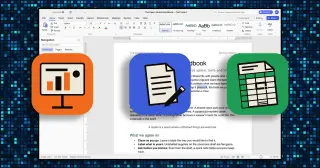
AI-Powered ArtCraft Expands to Clone Microsoft Office Suite
technology1 month ago

AI-Powered ArtCraft Expands to Clone Microsoft Office Suite

Software engineer Brandon Thomas has expanded his AI-assisted reverse engineering project, ArtCraft, to include free, open-source clones of Microsoft Office applications. Following the release of Adobe Creative Suite alternatives, Thomas has introduced WordCraft, GridCraft, and DeckCraft, which mirror Microsoft Word, Excel, and PowerPoint. Built using Rust and Anthropic’s Opus 5.5 AI model, these tools aim to provide functional equivalents to paid software without subscription fees. While the core applications are free, Thomas offers a paid subscription for advanced generative AI features. The project has sparked debate regarding the ethics of AI-generated code and the future of proprietary software models.

Reverse-Engineering the Mi Band 10’s Bestechnic SoC to Run Doom
technology5 months ago

Reverse-Engineering the Mi Band 10’s Bestechnic SoC to Run Doom

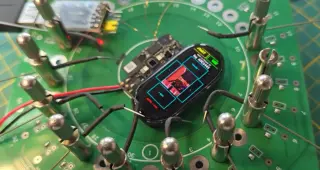
A Hackaday post details reverse-engineering the Mi Band 10, whose BES2700iMP/BEST1503 SoC lacks a public SDK. By using a leaked SDK from the similar BEST1306 BES2700 variant found with audio-focused development kits, the author assembles a BEST1503-compatible SDK and ports Doom to the band via the GBADoom project. The build reveals limitations: the display runs in single-bit SPI instead of quad-SPI and has limited color depth; the approach is likely to extend to Mi Band 9 as well.

Hacking the Green Wave: Reversing EVP Signals
technology8 months ago

Hacking the Green Wave: Reversing EVP Signals

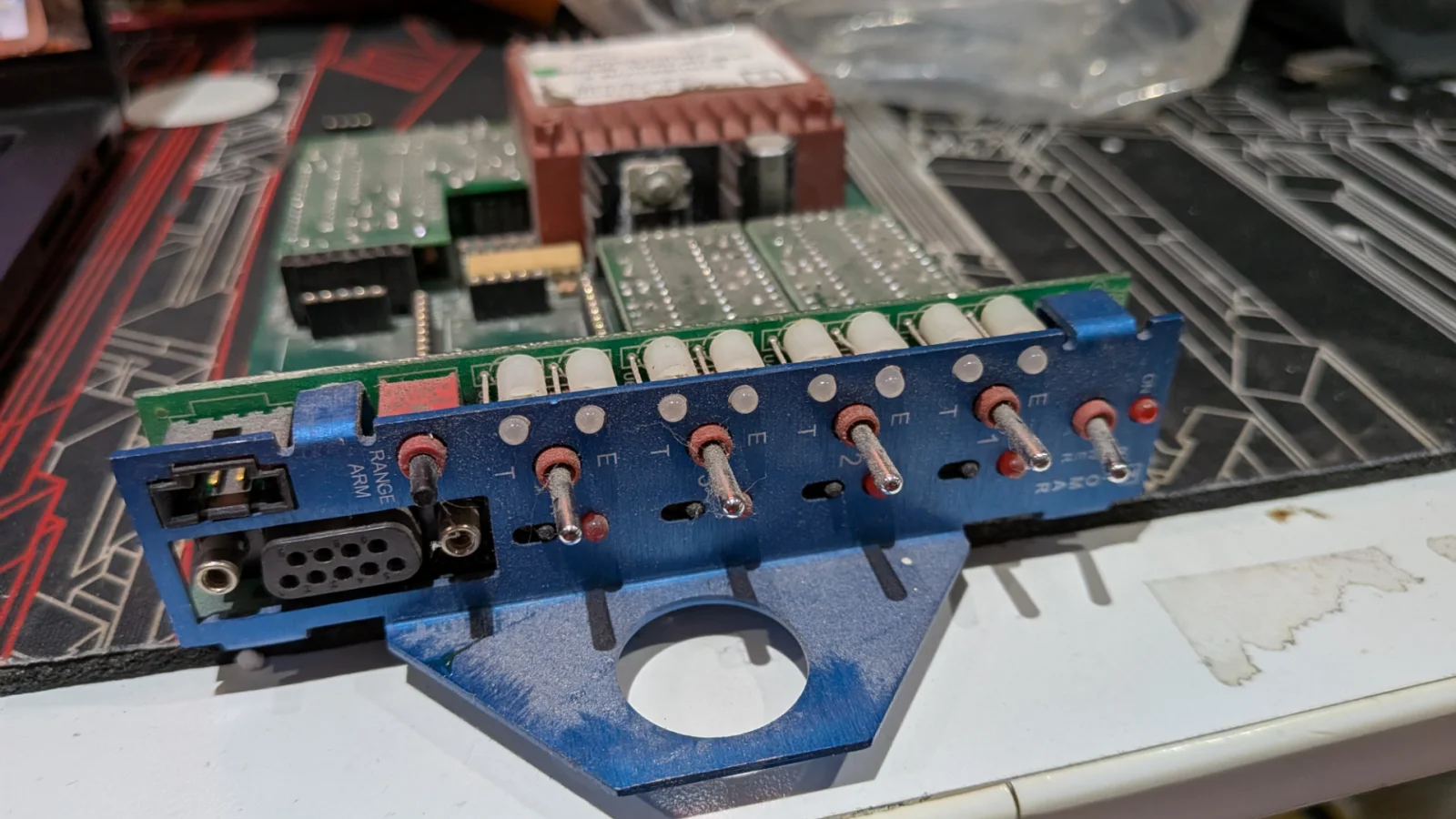
Hackaday details a reverse-engineering project showing that older optical Emergency Vehicle Preemption (EVP) systems can be spoofed. By analyzing Tomar Strobecom and Opticom hardware, the researcher demonstrated that infrared preemption signals can be replicated and, in some cases, a valid vehicle ID can be transmitted with an Arduino-based transmitter, highlighting potential security risks and stressing the legal and safety implications of attempting such exploits.

"Unofficial Zelda: Majora's Mask PC Port Released with New Features"
gaming2 years ago

"Unofficial Zelda: Majora's Mask PC Port Released with New Features"

An unofficial PC port of The Legend of Zelda: Majora’s Mask has been released by Harbour Masters, featuring HD graphics, high frame rates, ultra-widescreen resolution, and extensive modding support. This port, created through reverse engineering, offers deeper customization and more features compared to a recent recompilation port. Players need to provide their own legally-sourced N64 ROM to use the port.

"Flexible PCB Enables NVMe Chip Integration in iPhone 6S"
technology2 years ago

"Flexible PCB Enables NVMe Chip Integration in iPhone 6S"

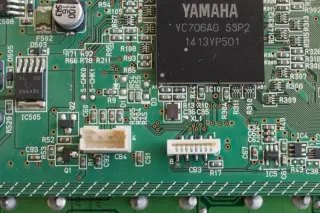
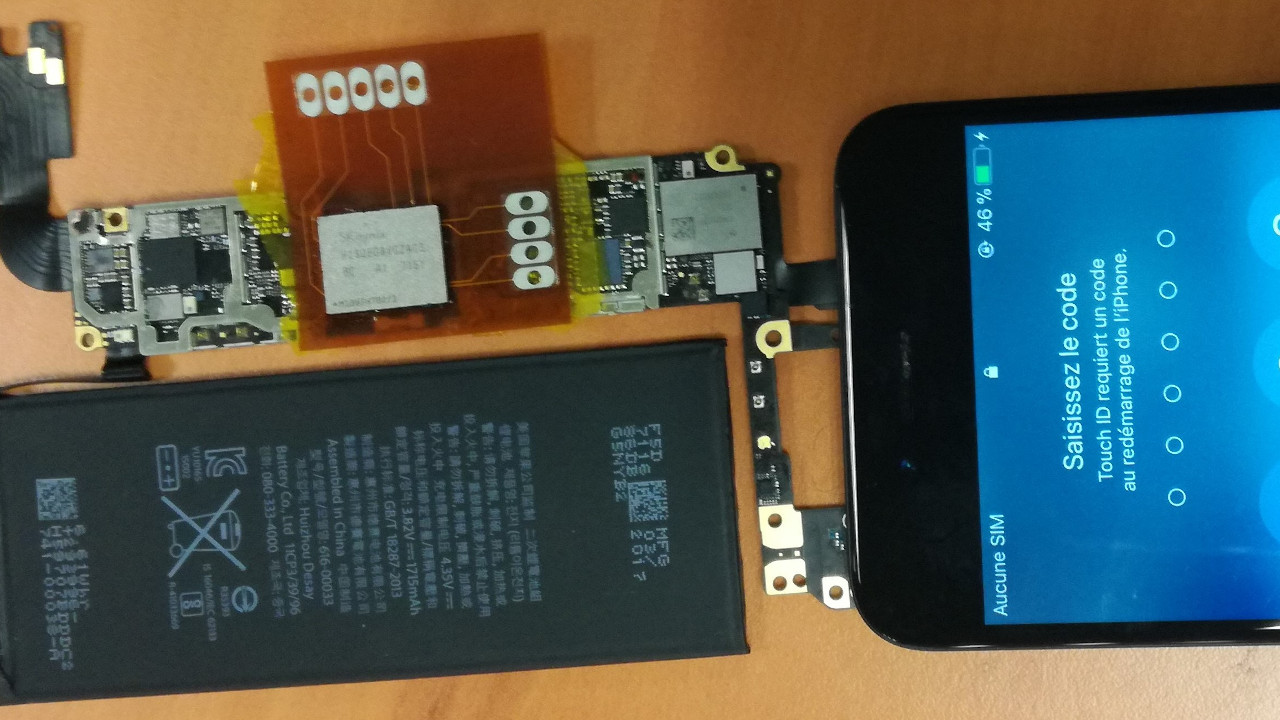
A research team successfully tapped into the NVMe chip of an iPhone 6S using a flexible printed circuit (FPC) BGA interposer, showcasing the process of accessing the chip's communications. The team, experienced in hardware reverse-engineering, detailed the steps involving BGA soldering and interposer creation, ultimately successfully booting the iPhone 6S and scoping the data lines. This development holds promise for further iOS and iPhone hardware reverse-engineering, and the researchers have a track record of exploring security research in various devices.

"Assessing the MIG Switch: Advertised Functionality vs. Ban Risks"
gaming2 years ago

"Assessing the MIG Switch: Advertised Functionality vs. Ban Risks"

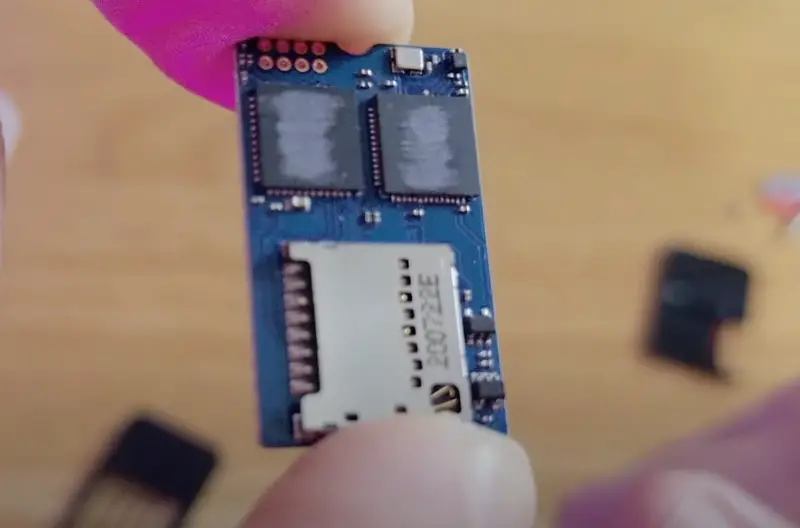
Reviewers have confirmed that the MIG Switch flashcart for Nintendo Switch works as expected, allowing the running of Switch game "backups" on any model, but concerns about the risk of bans from Nintendo remain. The device's primary purpose is seen as Switch game piracy, and questions persist about how Nintendo checks for abusive use of game certificates. Additionally, there is interest in reverse engineering the MIG Switch, although its limited usefulness may impact the extent of cloning efforts.

Beeper Mini revolutionizes Android with native iMessage integration
technology3 years ago

Beeper Mini revolutionizes Android with native iMessage integration

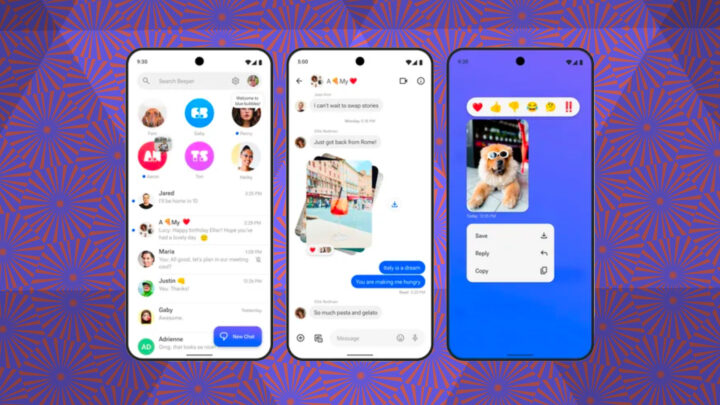
Beeper Mini is an Android app that claims to bring Apple's iMessage service to Android phones without relaying messages through a Mac device hosted in the cloud. The app, which costs $1.99 per month, supports texts, audio messages, images, videos, files, contacts, and location. It uses reverse engineering to register Android phones as genuine Apple products and send messages directly to Apple's servers. While Beeper Mini's compatibility with iMessage is impressive, Apple has announced plans to bring RCS messaging to iPhones, which may make Beeper Mini less appealing to Android users in the future.

Reviving Retro Car Phones with Modern Technology
technology3 years ago

Reviving Retro Car Phones with Modern Technology

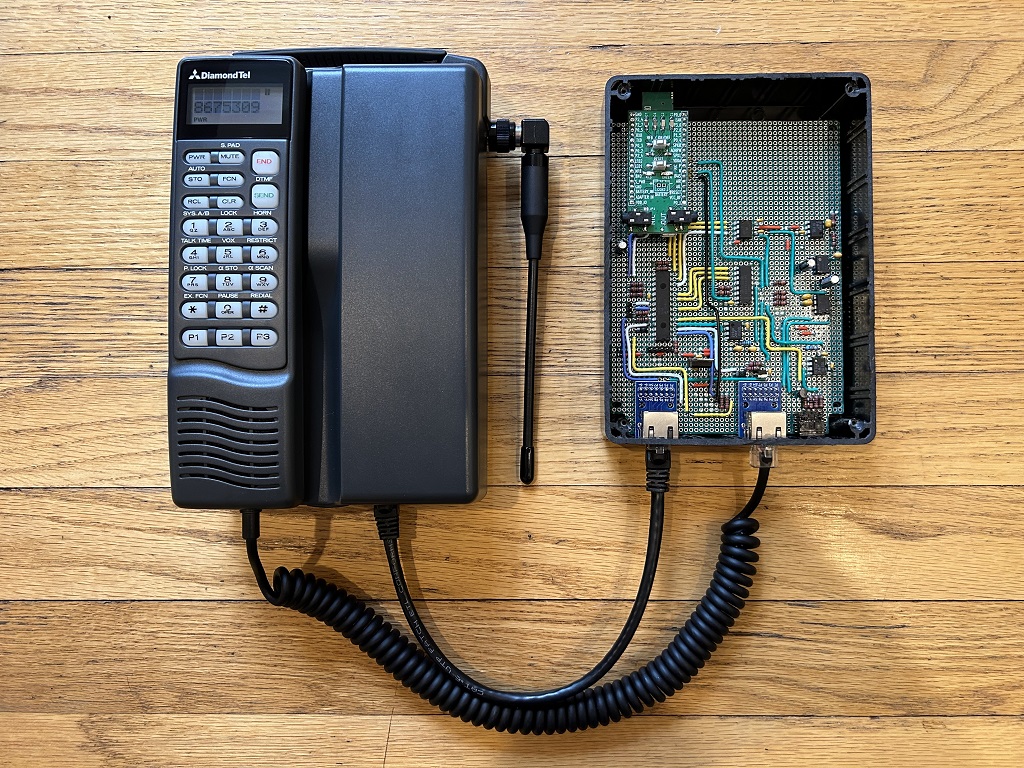
A Bluetooth adapter has been developed by Jeff Lau that allows a 1990s car phone to connect to a modern smartphone. The adapter is a plug-in module that hooks up to the phone’s base station in the trunk and communicates directly with all the existing systems. The main components of the upgrade kit are a BM62 Bluetooth module that connects to a modern phone, a PIC18F27Q43 microcontroller to implement the car phone’s interface and menus, and several analog chips to process the audio. The project’s GitHub page documents all of the findings, making it easy for anyone with a similar system to implement their own upgrades.