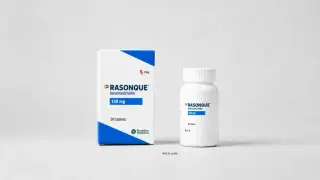
Revolution Medicines revealed early data for a two-KRAS inhibitor drug combination, including Daraxonrasib, and plans a Phase 3 trial, signaling potential progress in targeting KRAS-driven cancers.
A two-drug combo of Tango Therapeutics’ vopimetostat and Revolution Medicines’ daraxonrasib produced durable responses in the large majority of pancreatic cancer patients in an early-stage trial, prompting Tango to advance the approach to a Phase 3 study.
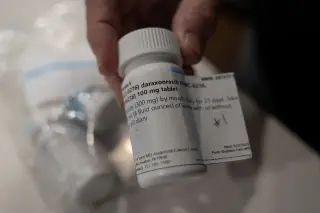
Patients with pancreatic cancer are pursuing Revolution Medicines' experimental drug daraxonrasib through expanded-access programs as the company nears potential approval. While there is optimism the treatment could extend lives, demand is surging and production may not keep up, raising concerns about who receives the drug first and how access will be allocated.
A new oral drug, daraxonrasib, targets the KRAS-driven mechanism in pancreatic cancer by engaging cyclophilin A to shut down KRAS signaling. In a Phase 3 trial of 500 patients with metastatic pancreatic cancer who had prior treatment, daraxonrasib nearly doubled median survival from 6.7 to 13.2 months and reduced the risk of death by about 60% versus standard chemotherapy. The most common side effects were a skin rash, stomatitis, diarrhea, nausea and vomiting, though discontinuation due to adverse effects was lower and quality of life improved. Regulatory review by the FDA and other global authorities is the immediate next step, with expedited review likely; if approved, the drug could reach clinics within months and herald a shift toward targeted, personalized therapy and potential combination approaches to prevent resistance.
ASCO data show Revolution Medicines’ oral daraxonrasib, a molecular glue that blocks RAS, delaying cancer symptoms by more than nine months and extending median survival to 13.2 months in advanced pancreatic cancer; while not curative, it improves length and quality of life versus chemotherapy, with side effects like rash and mouth sores that are usually manageable.
Revolution Medicines has begun shipping its experimental pancreatic cancer drug, daraxonrasib, under an FDA-authorized early-access program after Phase 3 results showed patients lived nearly twice as long as those on standard chemotherapy, fueling high demand ahead of formal FDA approval.
A pancreatic cancer patient on Revolution Medicines' KRAS inhibitor daraxonrasib reports a dramatic extension of life, illustrating how targeting historically 'undruggable' KRAS can yield durable benefits and fueling optimism for KRAS inhibitors across pancreatic and other KRAS-mutant cancers.
Former U.S. senator Ben Sasse, diagnosed with metastatic pancreatic cancer, joined Revolution Medicines’ frontline trial of daraxonrasib. Preliminary topline data show the drug can markedly extend survival versus chemotherapy in second-line use, and Sasse reports dramatic drops in the tumor marker CA 19-9 and meaningful pain relief, with frontline use potentially even more beneficial, signaling a potential major advance in pancreatic cancer care.
In a trial for metastatic pancreatic cancer, Revolution Medicines' targeted pill daraxonrasib extended median overall survival to 13.2 months versus 6.7 months with chemotherapy, a dramatic near-doubling that experts described as very impressive.
Revolution Medicines announced that its pancreatic cancer drug daraxonrasib met all primary and secondary endpoints in a Phase 3 trial, nearly doubling median overall survival (13.2 months vs 6.7 months) and reducing the risk of death by about 60% versus chemotherapy, prompting an FDA filing using a Commissioner’s National Priority Voucher; safety was manageable and the company is pursuing second-line use and trials in newly diagnosed patients.
Merck ended discussions to acquire Revolution Medicines due to a valuation disagreement, effectively halting the deal. Investor interest in Revolution’s cancer-drug pipeline remains buoyant ahead of several key clinical trial results later this year, with Mizuho Securities estimating Revolution’s pancreatic cancer drug could reach about $10 billion in annual global sales by 2035 if the trials prove successful and safe.
Merck is in negotiations to acquire biotech firm Revolution Medicines, with the deal not yet finalized and other bidders potentially involved, causing Revolution's shares to rise.
Merck is in negotiations to acquire Revolution Medicines, a cancer drug developer, for up to $32 billion, signaling a significant move in the biotech and pharmaceutical industry.
EQRx, a biotech company, will be acquired by Revolution Medicines in an all-stock transaction. As part of the merger, EQRx's ongoing R&D portfolio programs will be discontinued, and the intellectual property will be returned to its partners. The deal will provide Revolution Medicines with $1 billion in net cash, which will be used to focus on RAS inhibitor candidates and mutant-selective RAS(ON) programs. The new capital will help fund pivotal clinical trials for Revolution Medicines' lead candidate, RMC-6236, potentially starting in 2024.