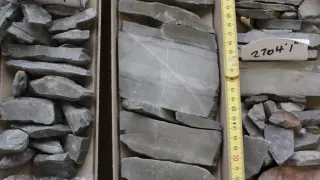
New research using rhenium isotopes from a 183-million-year-old Welsh rock core shows that oxidation of eroding organic carbon amplified the Toarcian warming, indicating organic-carbon weathering can release CO2 and strengthen climate feedbacks beyond volcanic CO2; the exact magnitude and relevance to modern climate remain uncertain.
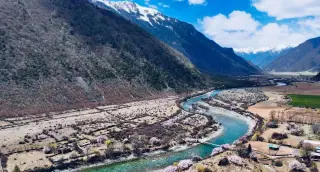
A Nature study across 50 rivers on China's Qinghai–Tibet Plateau shows that thawing permafrost accelerates rock weathering, which consumes atmospheric CO2 and can offset or even exceed river CO2 emissions in some catchments, suggesting geological processes may partly counterbalance thaw-induced carbon release.
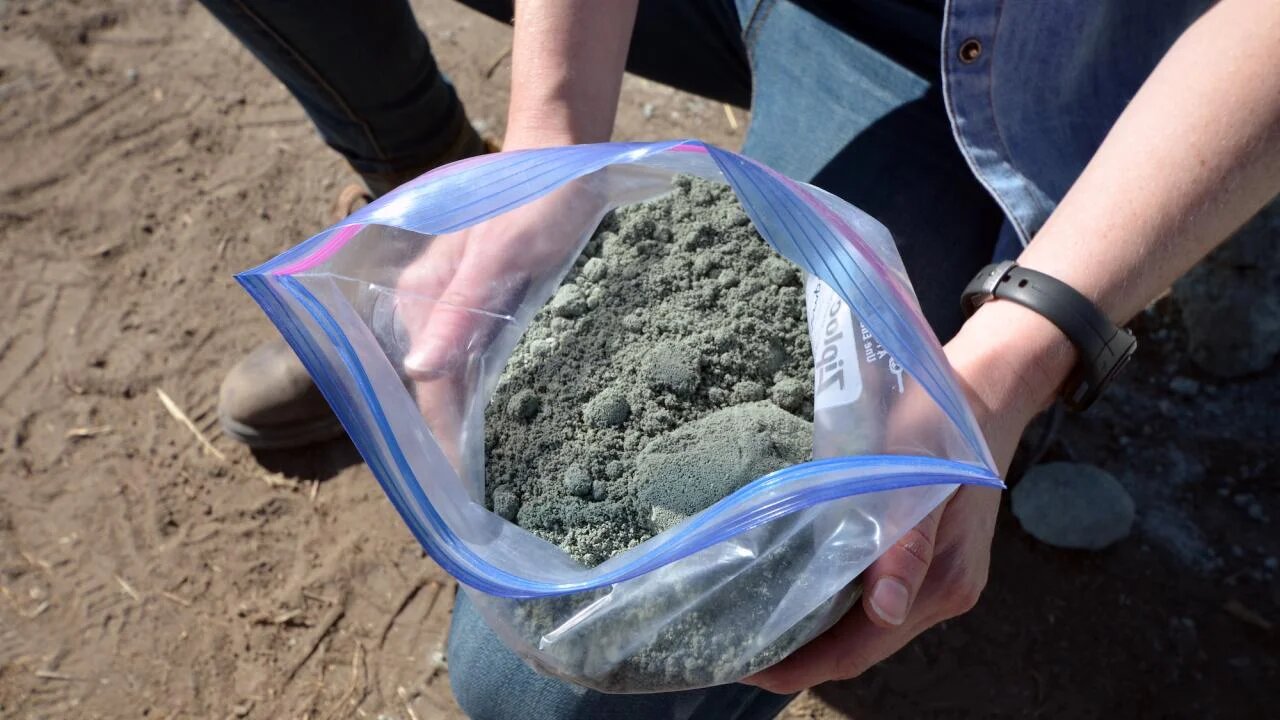
Adding crushed volcanic rock to farmland can help remove carbon dioxide from the air, according to a field study conducted by researchers at the University of California, Davis, and Cornell University. The study found that the technology of enhanced rock weathering, which speeds up the process of carbon capture, was effective even in dry climates. By crushing the rock into a fine dust, it reacts with rainwater to capture carbon dioxide and store it in the soil. The researchers observed carbon removal during an extreme drought in California, and if this method was applied to all croplands in the state, it could be equivalent to taking 350,000 cars off the road annually. The study highlights the potential of this technique in combating climate change and the need for further research and verification at larger scales.
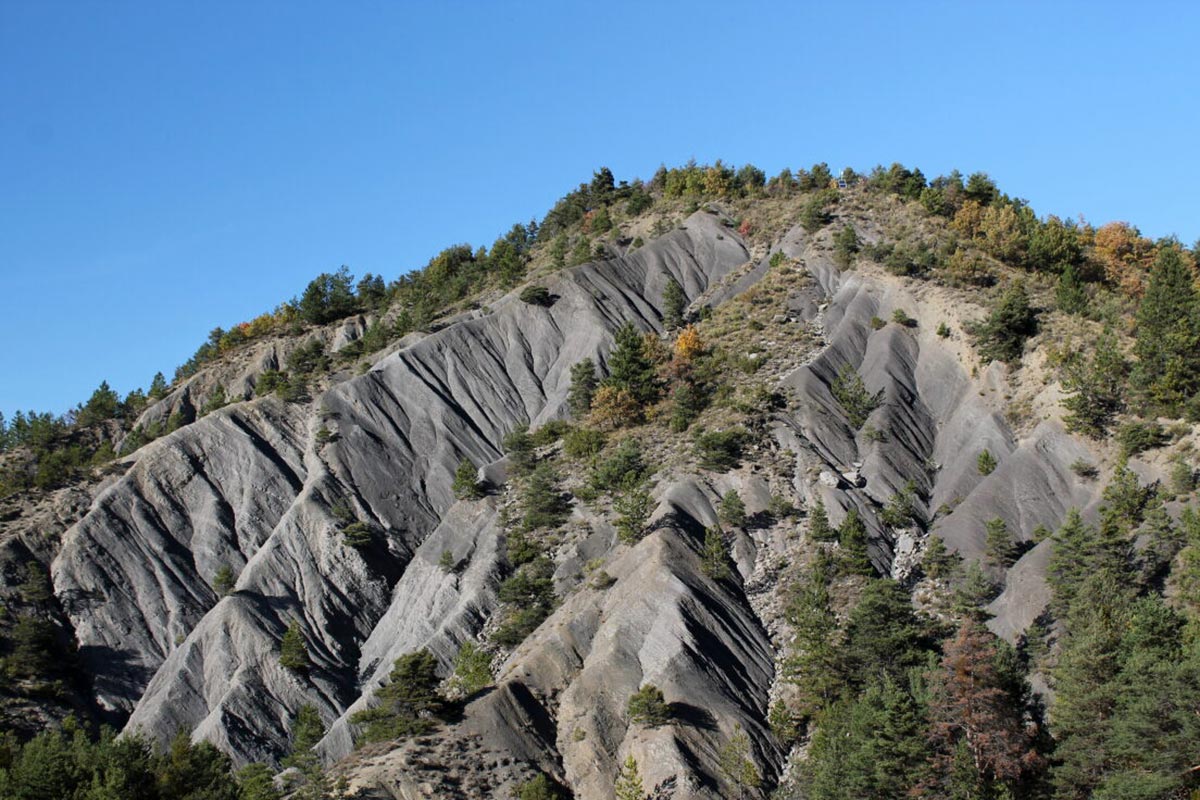
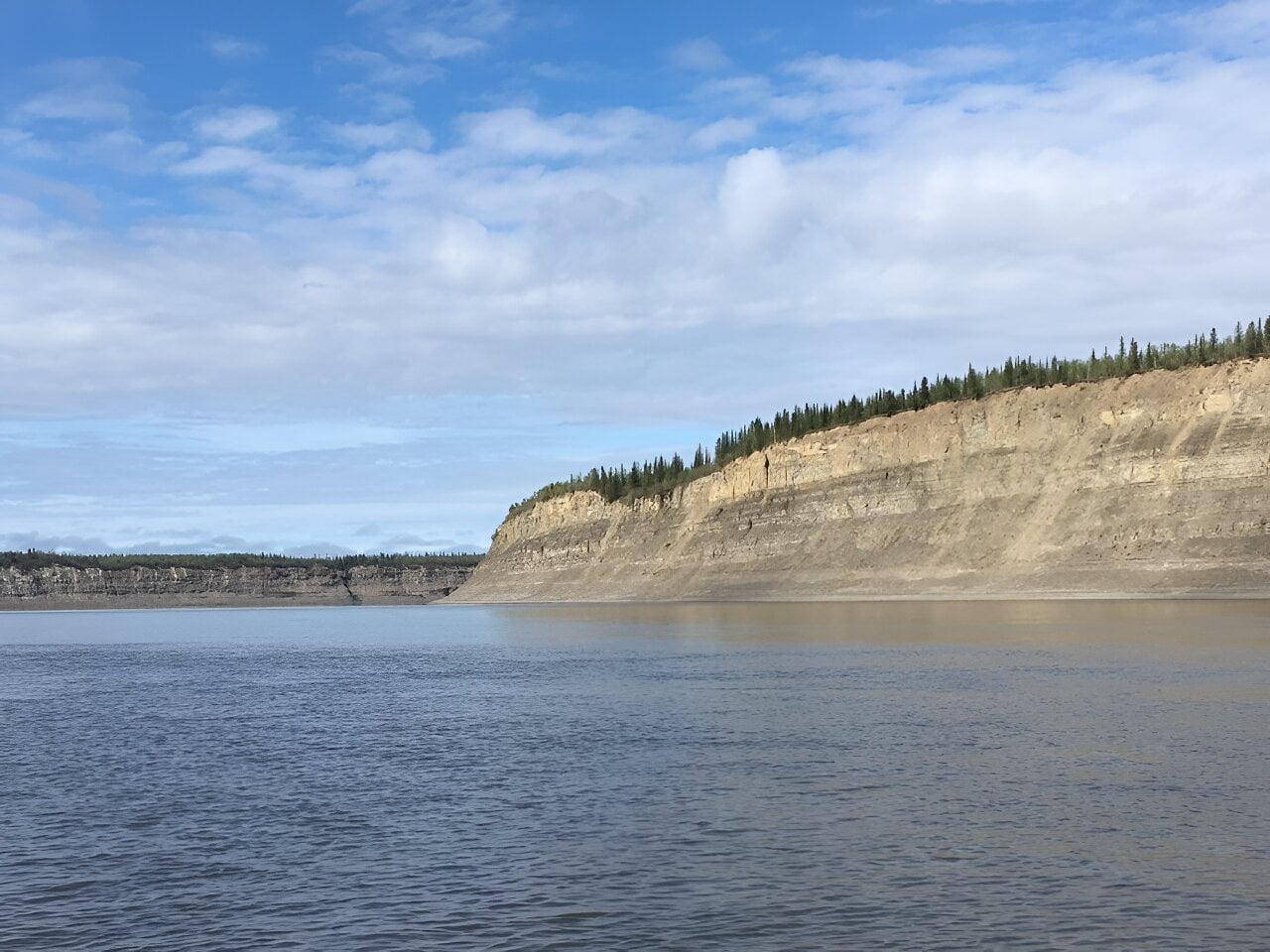
A study led by the University of Oxford has revealed that natural rock weathering can act as a significant source of CO2, rivaling volcanic emissions. This overturns the traditional view that rock weathering acts as a CO2 sink. The release of CO2 from rocks occurs when ancient seafloor rocks are pushed to the Earth's surface, exposing organic carbon to oxygen and water. This process, not currently included in climate models, could have implications for future carbon budget predictions and climate change scenarios. Further research will investigate whether human activities are increasing CO2 release from rock weathering and how it can be managed.
A new study led by the University of Oxford has found that natural rock weathering can act as a significant source of carbon dioxide (CO2), rivaling the emissions from volcanoes. Previously, it was believed that rock weathering acted as a CO2 sink, but this research shows that certain rocks, when exposed to oxygen and water, can release CO2 into the atmosphere. The study highlights the importance of including this process in climate change models and suggests that changes in erosion and warming of rocks due to human activities could increase this natural carbon leak.