Jeff Daniels stars as Reagan opposite Jared Harris’s Gorbachev in a Reykjavik Summit drama that aims to spark political conversation but leans one-sided to a US perspective; strong performances and striking Icelandic visuals cannot fully compensate for director Michael Russell Gunn’s restrained, schematic approach.
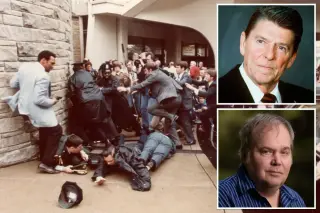
John Hinckley Jr., who attempted to assassinate Ronald Reagan in 1981, says Reagan intended to visit him in St. Elizabeth’s Hospital to seek forgiveness, but hospital officials reportedly blocked the visit; Hinckley, now released, says he would have welcomed the meeting, per an interview conducted for a Reagan biopic.
John Hinckley Jr., who shot President Ronald Reagan in 1981 to impress Jodie Foster, appeared on a podcast preview and said he wishes Foster well. Hinckley was found not guilty by reason of insanity, spent years in psychiatric care, and was released in 2016 to live with his mother under therapy and travel restrictions; a 2022 federal ruling lifted court oversight as officials found no active mental illness or violent tendencies.
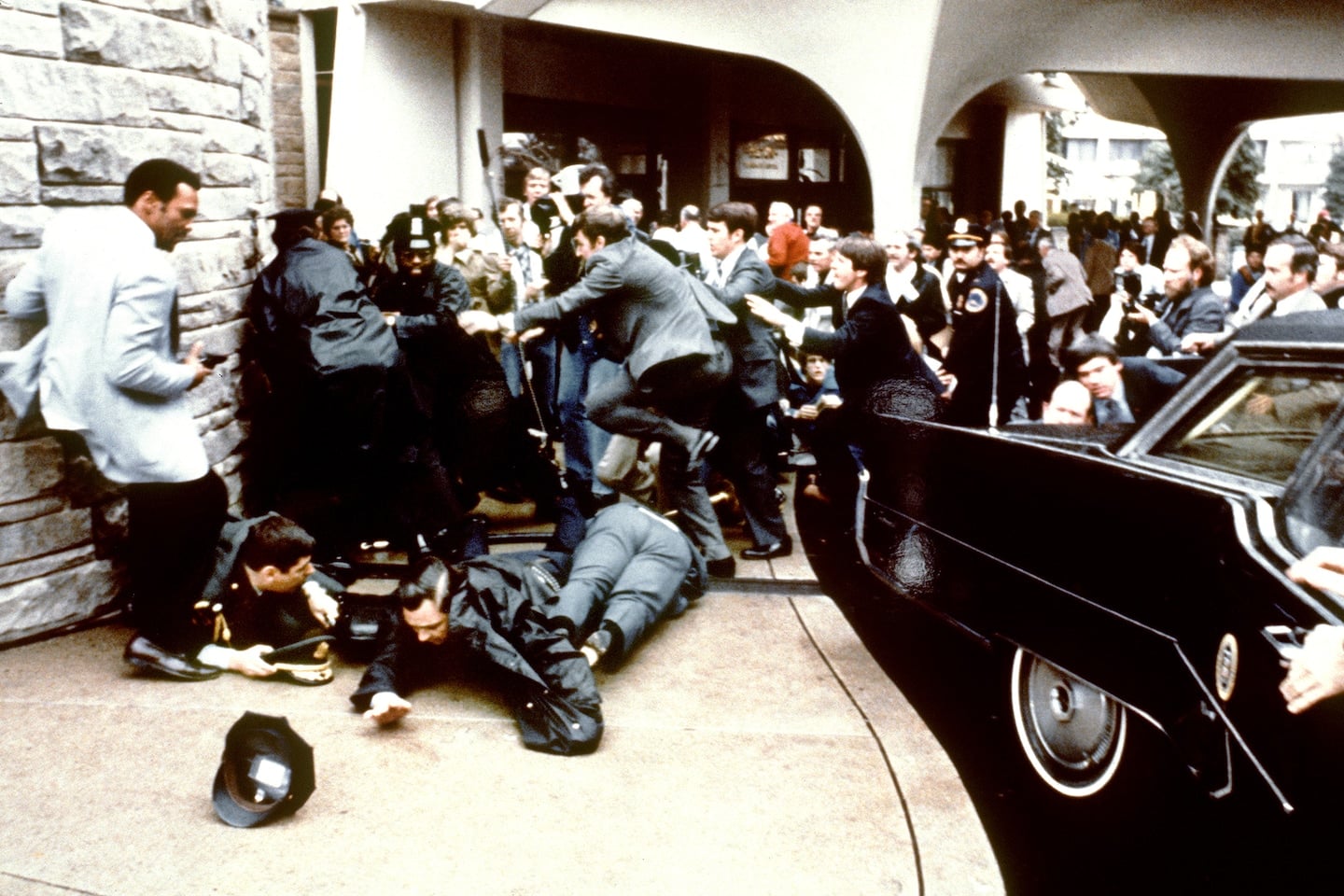
John Hinckley Jr., who shot Ronald Reagan in 1981, told TMZ the Washington Hilton shooting during the White House Correspondents’ Dinner was “spooky,” criticizing the hotel’s security as lax. The WHCD was canceled after a gunman shot at a Secret Service agent at an interior checkpoint; Cole Tomas Allen is charged with attempted assassination. Hinckley, released from mental-health supervision in 2022, noted the eerie coincidence of the Hilton hosting a presidential event, while Hilton officials said security protocols were in place. The article also notes Hinckley’s remarks after a 2024 Trump rally incident and his memoir published in December.
Shots fired at the Washington Hilton during the White House Correspondents' Dinner revive a long history of presidential security tied to the venue: Reagan's 1981 assassination attempt led to magnetometers, a hidden private entrance, and a bunker-like holding space for the president; the hotel has hosted presidents for decades and continuously updated security around major events. The piece connects that legacy to today’s threats against Donald Trump, noting multiple alleged plots and renewed calls for tighter protection, with experts calling multiple attempts on a single president unusual.
On October 10, 1983, President Reagan watched a screening of the dystopian film 'The Day After' at Camp David, which depicts a nuclear apocalypse in the U.S., highlighting fears of nuclear conflict.
President Trump announced the termination of trade talks with Canada over a controversial ad featuring Ronald Reagan's speech against tariffs, claiming it was fake and aimed at interfering with U.S. legal proceedings. The ad, paid for by Ontario, used Reagan's 1987 speech to criticize protectionism, but was misrepresented, prompting Trump's response. This move adds uncertainty to U.S.-Canada relations amid ongoing trade discussions and tariffs.
The article explores the history of assassination attempts on U.S. presidents, highlighting notable incidents including the 1981 attempt on Ronald Reagan by John W. Hinckley Jr., and the recent wounding of Donald Trump. It details various attacks from the first attempt on Andrew Jackson in 1835 to the assassinations of Abraham Lincoln, James Garfield, William McKinley, and John F. Kennedy, as well as other significant attempts on figures like Gerald Ford, Harry S. Truman, and Robert F. Kennedy.
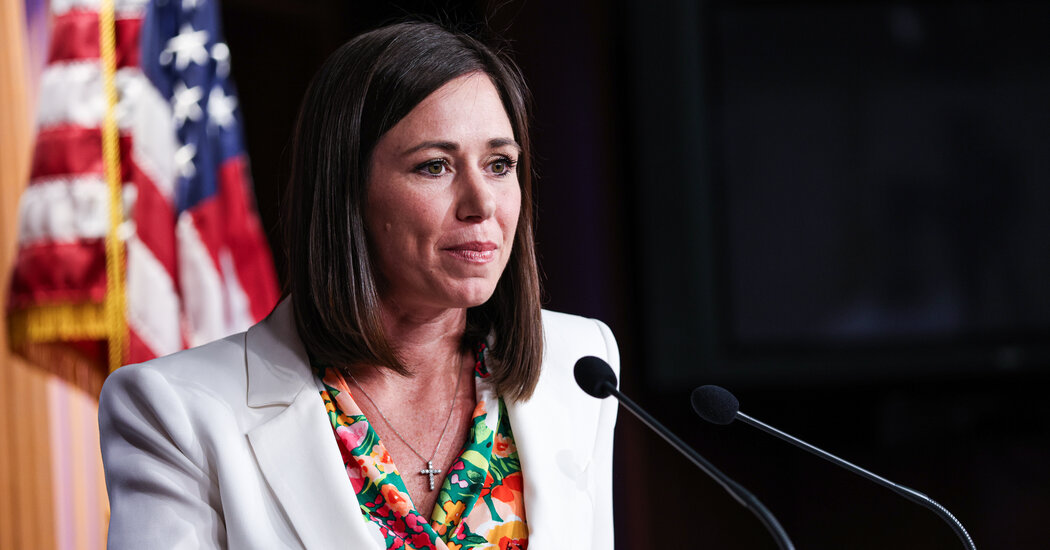
Senator Katie Britt's team sent out talking points to conservative influencers before President Biden's State of the Union address, suggesting they praise her as "Reaganesque" and "very maternal." The document compared her to Ronald Reagan and highlighted her potential as a running mate for Donald Trump. It also emphasized a generational contrast between her and Biden, positioning her as relatable and in touch with families.
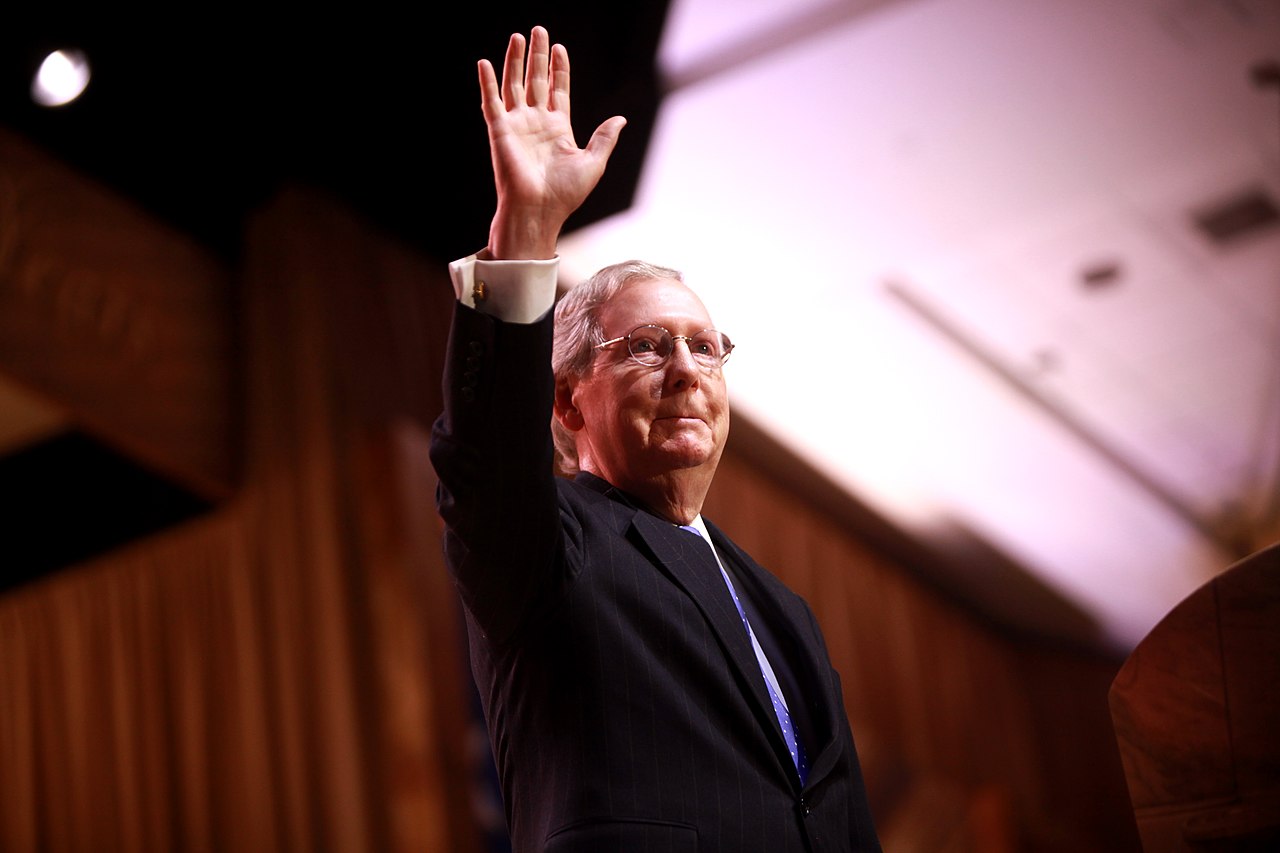
Mitch McConnell's retirement marks the end of the Bush era and the decline of the Reagan wing of the Republican Party. McConnell's leadership was shaped by the Bush era, focusing on corporate tax cuts, defense spending, and neglecting legislative efforts on cultural issues. His legacy epitomizes the Republican Party of the 2000s, and his departure signals a powerful ideological transition within the GOP from traditional conservatism to the fiery populism of Donald Trump.
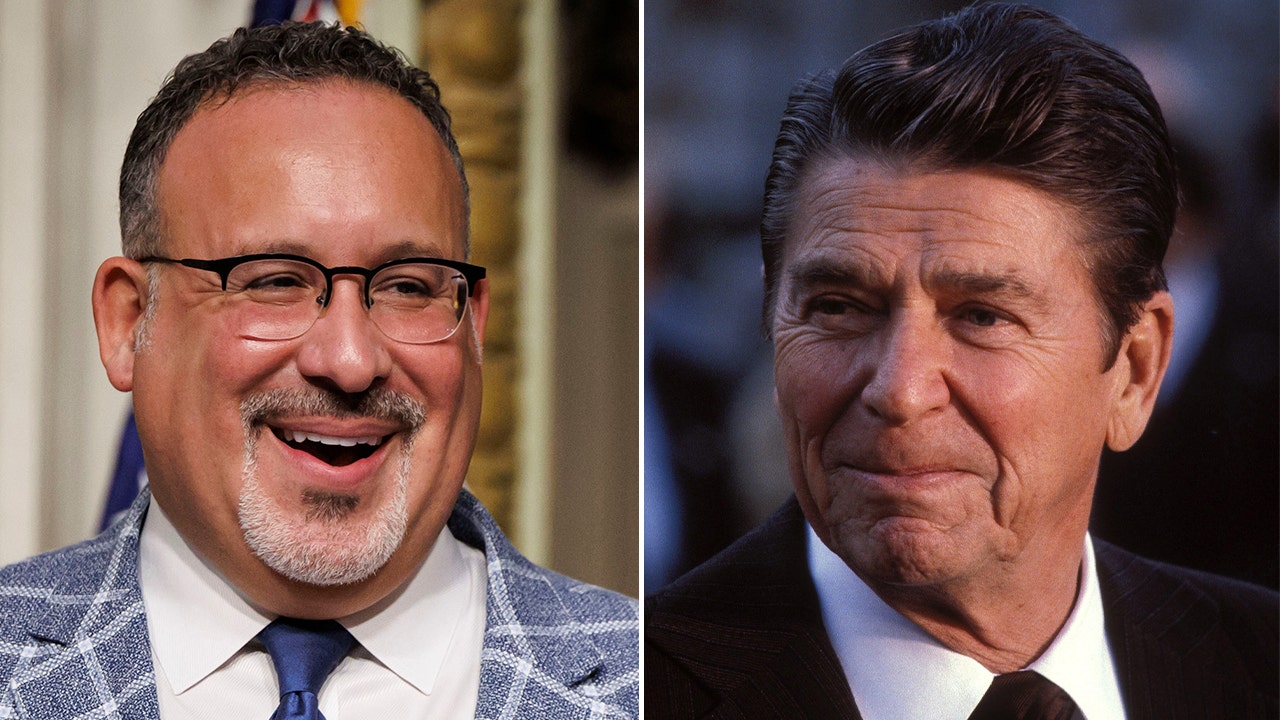
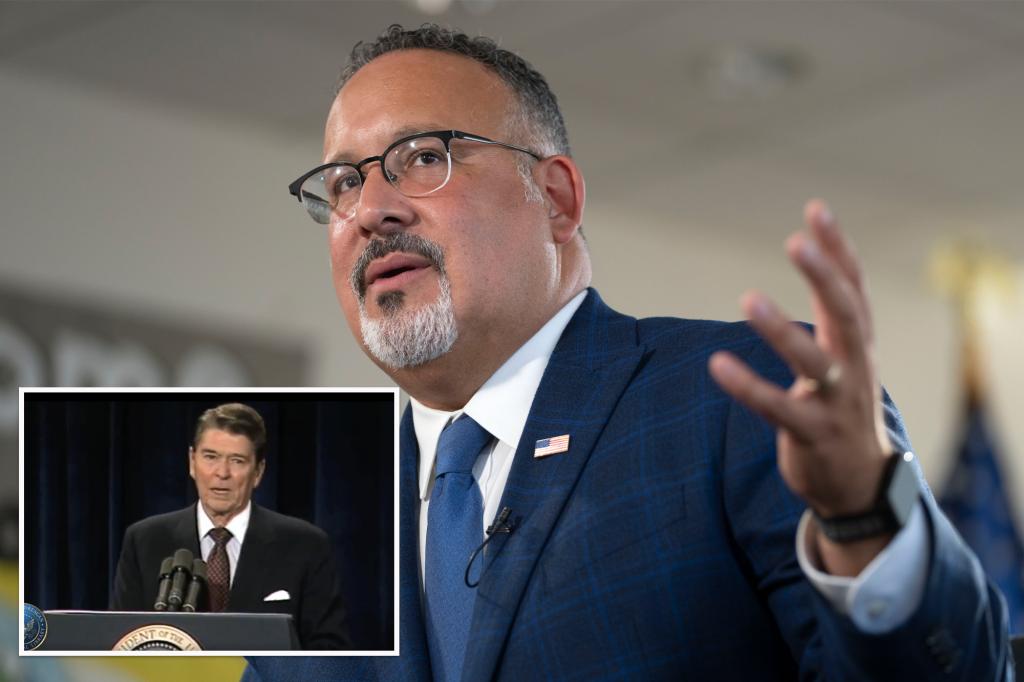
Education Secretary Miguel Cardona faced criticism on social media after misquoting President Ronald Reagan's famous line during a recent event. Cardona mistakenly said, "We're from the government. We're here to help," instead of the actual quote, "The nine most terrifying words in the English language are ‘I’m from the government and I’m here to help.’" Social media users mocked Cardona's lack of understanding of the historical quote, with some calling for his resignation.
Education Secretary Miguel Cardona is facing criticism after misquoting former President Ronald Reagan's famous statement about government intervention. During a meeting with Western state governors, Cardona stated, "We're from the government, we're here to help," misrepresenting Reagan's original warning against government interference. Critics, including conservatives, have expressed their dismay at Cardona's misquote, highlighting the importance of historical knowledge for those in positions of authority. Cardona, who has been in charge of the Education Department since March 2021, has not responded to inquiries about whether he was joking.
Forty years ago, the movie "The Day After" aired on ABC, depicting the horrors of a nuclear war and sparking intense debates and fear across America. The film, which was the most-watched movie in television history at the time, aimed to force Americans to confront the reality of nuclear war. Despite warnings from the White House and concerns about its impact, the movie prompted discussions and ultimately influenced President Reagan's approach to nuclear disarmament. Today, as the threat of nuclear war persists and the country remains deeply divided, the need for unity and cooperation is more crucial than ever.
As President Joe Biden celebrates his 81st birthday, polls show him losing support among younger voters, a key demographic that helped him win swing states in the 2020 election. The "age issue" continues to dog Biden, with concerns about his ability to serve effectively as president. While there is no age limit for elected federal office holders, recent polls indicate that Biden's support among younger voters is slipping, particularly among those who are politically engaged. Factors such as his performance on climate change, student debt, and his support for Israel have contributed to this decline. However, history has shown that age does not necessarily determine a candidate's ability to win, as seen with Ronald Reagan's successful reelection despite concerns about his age. Democrats have traditionally performed well among younger voters, and it remains to be seen if Biden can regain their loyalty in future elections.
The GOP presidential primary has seen a departure from the optimistic and positive messaging of candidates like Tim Scott and Mike Pence, who dropped out of the race. Instead, the field is dominated by slash-and-burn culture warriors and candidates willing to engage in name-calling and personal attacks. Former President Donald Trump continues to use divisive language, referring to political opponents as "vermin." The shift away from Reagan-era Republicanism has left a void for candidates focused on policy and a more optimistic vision for the future.