Tag

Rosalind Franklin Rover

All articles tagged with #rosalind franklin rover

Tiny Mars Capsule Tests Big Mars Mission: ESA Validates ExoMars EDLM
space18 days ago

Tiny Mars Capsule Tests Big Mars Mission: ESA Validates ExoMars EDLM

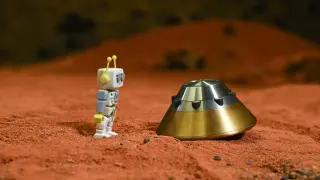
ESA used 20 three‑inch micro‑capsules fired from a bore gun at about 2,600 mph to simulate entering Mars’ atmosphere. Despite their toy-like size, the capsules withstood up to ~17,000 g’s and collected data on acceleration, trajectory and stability to validate the Entry, Descent and Landing Module (EDLM) that will carry the Rosalind Franklin rover to Mars in 2028.

Mars mission set to revolutionize our knowledge.
space3 years ago

Mars mission set to revolutionize our knowledge.

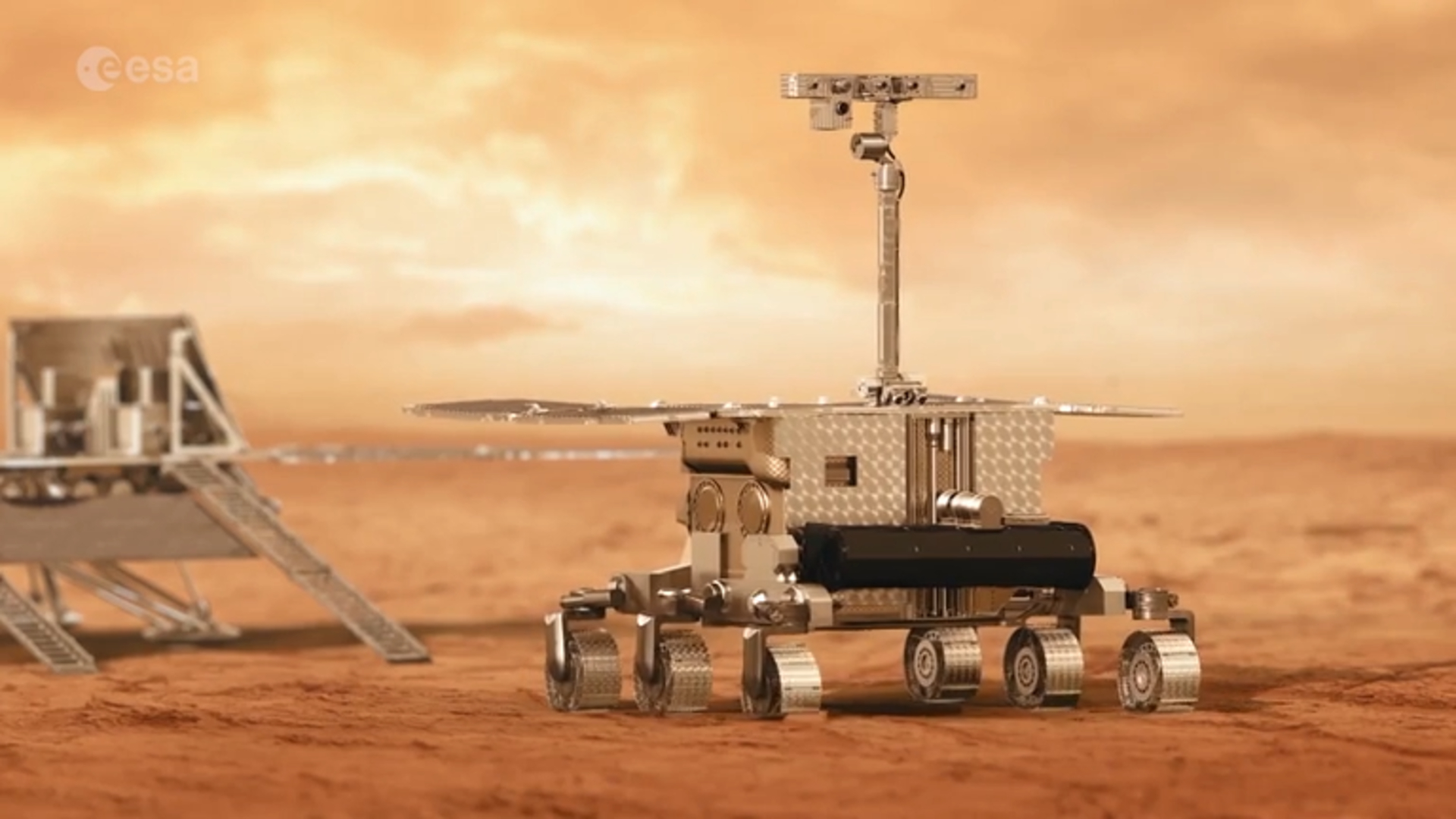
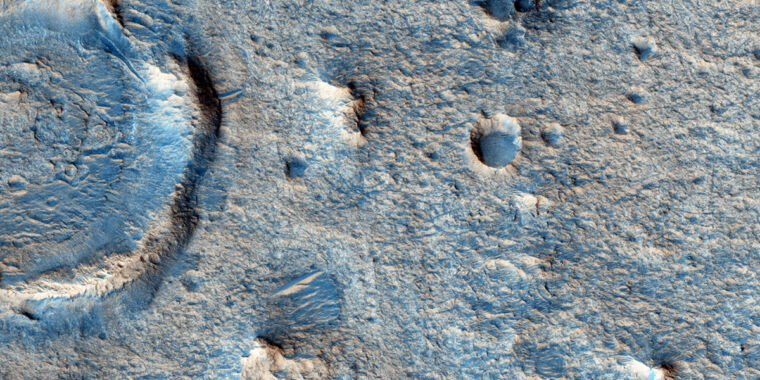
The European Space Agency's ExoMars program is set to launch its Rosalind Franklin rover in 2028, carrying a next-generation mass spectrometer that could help answer the question of whether there is evidence of past or present life on Mars. The instrument, known as the Mars Organic Molecule Analyzer, will analyze any carbon-containing material found underneath Mars's surface, looking for molecular patterns that are unlikely to be formed in the absence of living biology. The rover will land at a Martian site that likely had water 4 billion years ago, and a drill will retrieve ancient samples from as deep as two meters.

Mars mission set to revolutionize our knowledge.
space3 years ago

Mars mission set to revolutionize our knowledge.

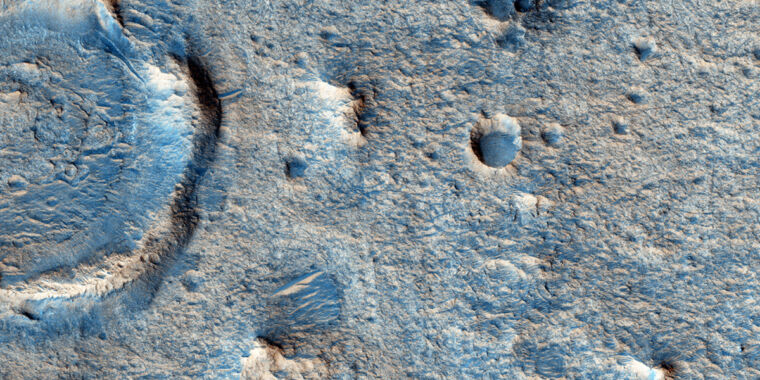
The European Space Agency's ExoMars program is set to launch its Rosalind Franklin rover in 2028, carrying a next-generation mass spectrometer that could help answer the question of whether there is evidence of past or present life on Mars. The instrument, known as the Mars Organic Molecule Analyzer, will analyze any carbon-containing material found underneath Mars's surface, looking for molecular patterns that are unlikely to be formed in the absence of living biology. The rover will land at a Martian site that likely had water 4 billion years ago, and a drill will retrieve ancient samples from as deep as two meters.