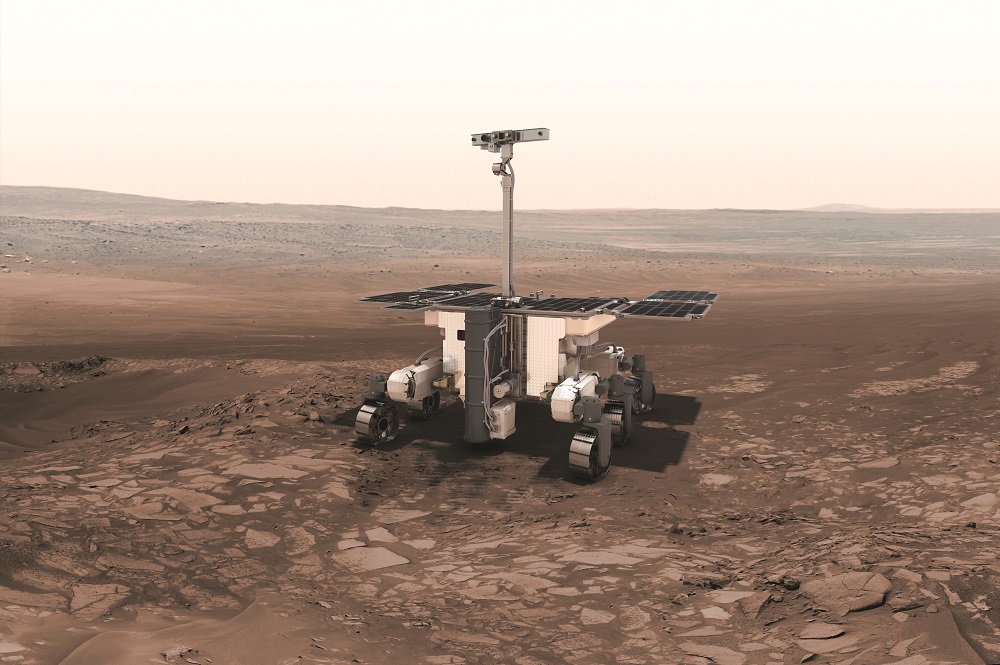
ESA hunts life clues in Martian clay with Rosalind Franklin rover
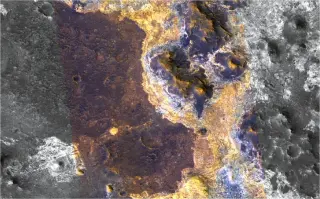
Europe’s ESA plans to send the Rosalind Franklin rover to Mars, targeting Oxia Planum where orbiters have detected extensive clay deposits that could record a watery past; the rover will drill beneath the surface to search for signs of ancient life, with the clay-rich region possibly extending toward Mawrth Vallis as part of the ExoMars mission slated for a 2028 launch.