A 67-year-old man was defrauded of $9 million in gold bars on the Upper West Side after a fake security alert convinced him his assets were compromised. Police are seeking the suspect who took the bars during a face-to-face meeting in April 2025.
A 93-year-old woman in Aisho, Shiga Prefecture, successfully thwarted a phone scam by pretending to comply while secretly alerting local police. On October 22, a 47-year-old man arrived at her home to collect her ATM card, only to be arrested by officers waiting inside. The incident highlights ongoing fraud risks for seniors in Japan, where such crimes stole 325.7 billion yen last year.
An Australian Airbnb host attempted to defraud a guest by sending an AI-generated image of a flooded toilet to justify a 1,700 AUD damage claim. The guest posted the image to Reddit, where users identified physical impossibilities and a Google SynthID watermark. The dispute was resolved in the guest's favor, and the reimbursement request was denied.
CBS News chief correspondent Matt Gutman describes a remarkably sophisticated bank fraud scam in which a caller posing as bank fraud protection urged him to withdraw all his money; after questioning the operation and with help from authorities, he avoided a cash loss. The incident amplifies FBI warnings about spoof calls and the need to verify bank requests even when they sound legitimate.
CBS News chief correspondent Matt Gutman revealed he was nearly scammed by a caller posing as Bank of America fraud protection. The caller instructed him to withdraw cash from his bank to trap the supposed fraudsters, but Gutman realized the ruse and stopped short. He credited the LAPD and Bank of America for helping avert a potential danger and later shared scam-prevention tips, including hanging up and calling the bank using the number on the card, noting that legitimate banks would not ask customers to withdraw funds or stay silent.
A Montgomery County jury found Janey Sears guilty of theft scheme over $100,000, securities fraud, and misappropriation of funds by a fiduciary after she manipulated a Silver Spring man into a $400,000 investment scheme, used the money for personal expenses (including a car) and casino gambling, and moved into his home; sentencing is set for Aug. 28, 2026, with a potential penalty of up to 23 years in prison.
A Chinese listing claims a $688 Steam Machine clone with a Ryzen 5 5500, RX 6750 GRE GPU, DDR5 memory, and 2TB NVMe, but critical compatibility errors (Ryzen 5 5500 is AM4; DDR5 on AM4; RX 6750 GRE is a desktop GPU; chassis won’t fit a discrete GPU) and an unreal price-to-parts calculation indicate the specs are false or misleading, making this listing suspicious. Legitimate budget Steam Machine options exist, but this one is not credible.
A fake AAA-themed email warnings about a supposed July 1, 2026 federal rule requiring an emergency-tool in every passenger vehicle is used to push readers to a suspicious link. AAA confirms they did not send the message. The piece outlines red flags—suspicious sender address, lack of proper branding, risky shared links, urgent language, and dubious legal references—and offers tips to verify with official sites and avoid clicking dangerous links.
A video shows undercover deputies catching a courier accused in a $700,000 gold scam, turning the scheme on its head and delivering a satisfying takedown by law enforcement.
A California couple (79 and 80) were found with traumatic injuries after being targeted by a scammer posing as Tom Selleck; police say the deaths appear to be a murder-suicide and there is no evidence the impersonator was involved, with the wife having sent about $30,000 before authorities intervened.
An elderly California couple was found dead in a suspected murder‑suicide after the wife, Karen Whitaker, had fallen victim to a year‑long financial scam by someone posing as Tom Selleck, who convinced her to send money via gift cards; the scam escalated despite family intervention and alerts to authorities, but officials say there is no evidence the impersonator caused the deaths and Selleck is not implicated.
Morning Shots argues that Trump's post-presidency ventures reveal loyalty-driven revenue schemes and political maneuvers: Trump Mobile sold a $100 deposit for a $499 made-in-America phone that never shipped, with terms later recast to a conditional opportunity rather than a purchase; the piece also details South Carolina's redistricting fight to diminish James Clyburn's seat and notes GOP tensions and ambassadorship picks as signs of a party chasing loyalty over policy.
Security researchers from ESET uncovered 28 Android apps on Google Play that claimed to unlock access to call histories but merely charged users for fake data; together they amassed over 7.3 million downloads before removal, with payments made via Google Play Billing, UPI-based apps (Google Pay, PhonePe, Paytm), or direct card checkout. Some apps even spoofed an Indian government developer name. Refunds may be available for Google Play purchases, but third‑party payments aren’t refundable. The report also notes a separate Indonesian fraud campaign (GoldFactory) using phishing, malware, and social engineering to steal about $2 million.
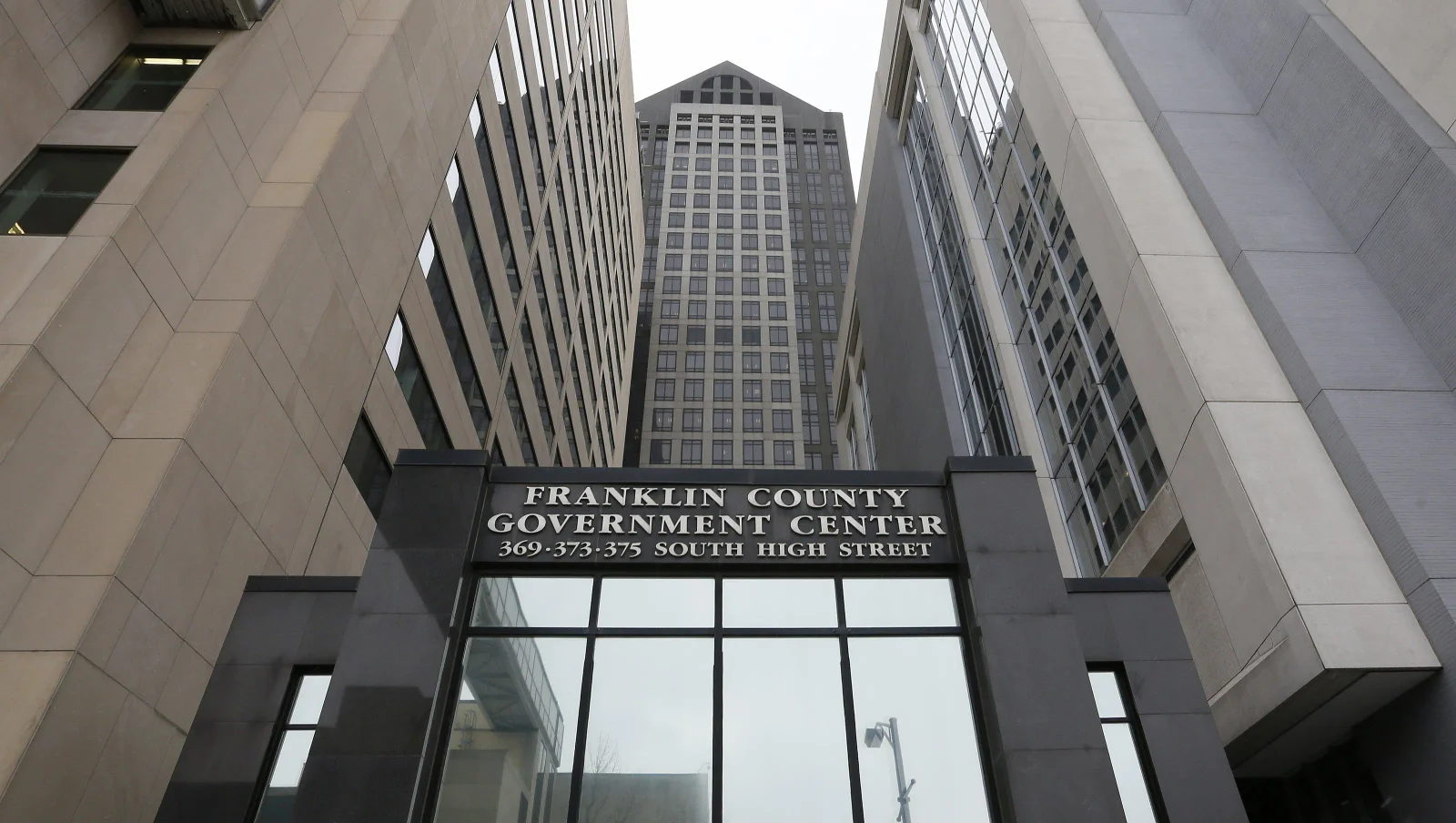
Franklin County officials warn of a scam text claiming unpaid parking or toll fines, threatening payment or court appearance; the Franklin County Municipal Clerk’s Office and Ohio Attorney General’s Office say to ignore suspicious texts and verify any fines through official channels.
TikTok removed AI-generated fake ads for prescription weight loss drugs pretending to be Boots after the company complained, highlighting concerns over misleading AI content and illegal advertising of prescription medicines on social media.