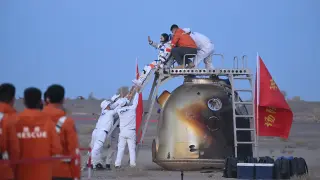
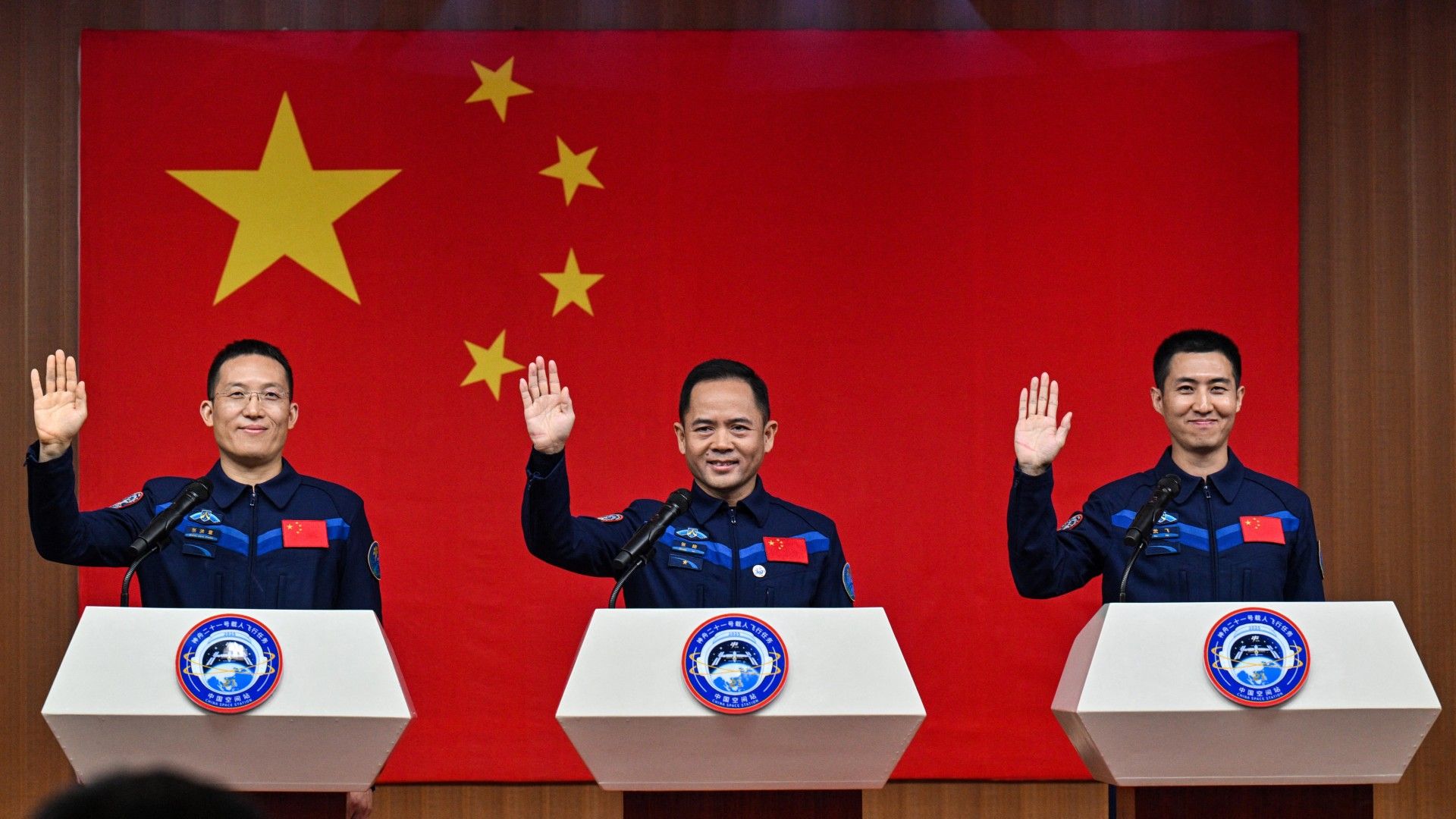
China’s Shenzhou 21 crew—Zhang Lu, Wu Fei, and Zhang Hongzhang—returned from a record 210 days aboard the Tiangong space station, landing safely in Inner Mongolia aboard the uncrewed Shenzhou 22 capsule after a planned switch due to a cracked window on Shenzhou 20. The mission included three spacewalks and a suite of experiments, and paves the way for Shenzhou 23’s year-long Tiangong stay.
China's Shenzhou-23 astronauts have entered the Tiangong space station and begun an in-orbit handover with the Shenzhou-21 crew, marking the eighth space get-together in China's aerospace history.
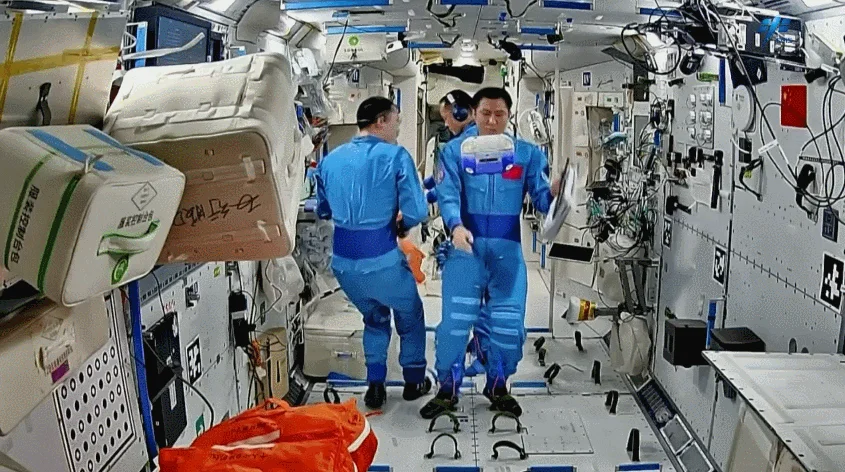
China’s Shenzhou-21 crew—Zhang Lu, Wu Fei, and Zhang Hongzhang—nearly 80 days in orbit as they advance diverse experiments aboard the Chinese space station, including interactive tests with the intelligent robot Xiaohang (touch, autonomous flight) and data collection to optimize its motion. In space medicine, they use a Raman spectrometer to analyze urine metabolites and collect saliva to study space-associated microbial changes; they also gather samples for a project on the origin of the genetic code and chirality in space. In microgravity physics, they continue electrochemical optical tests on lithium‑ion batteries for space use. Maintenance tasks included replacing a sampling cover in the combustion science cabinet, disassembling/reassembling modules, and swapping samples in the fluid physics cabinet. A system-wide pressure emergency drill strengthened crew-ground coordination, and regular medical checks and exercise were conducted.
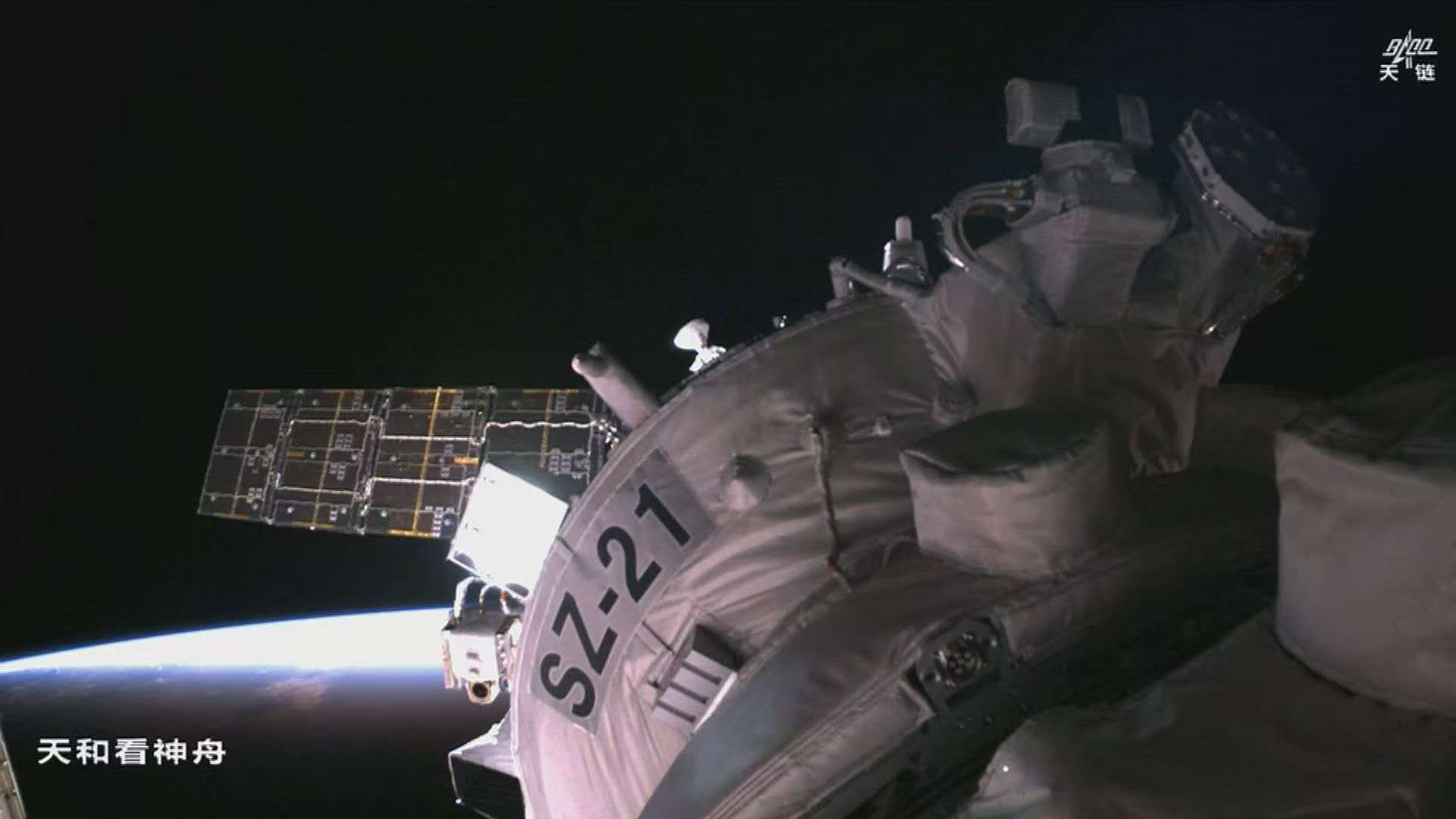
China's Shenzhou 21 spacecraft successfully docked with its space station in a record 3.5 hours, carrying a crew including the youngest Chinese astronaut, and conducted scientific experiments, including sending mice to study effects of space environment.
China's Shenzhou-21 spacecraft successfully docked with the Tiangong space station just 3.5 hours after launch, marking the seventh crewed mission to the station, which will conduct scientific experiments and prepare for future expansion and lunar missions.
China launched its seventh crewed mission to the Tiangong space station with the Shenzhou-21 spacecraft, featuring the youngest Chinese astronaut, Wu Fei, and including experiments with small mammals, as part of its ongoing space station development and international competition in space exploration.
China launched the Shenzhou-21 spacecraft with a three-person crew and four mice to the Tiangong space station, aiming to conduct 27 scientific experiments, including studying the effects of microgravity on mice, marking China's ongoing efforts to expand its space program and international collaborations.
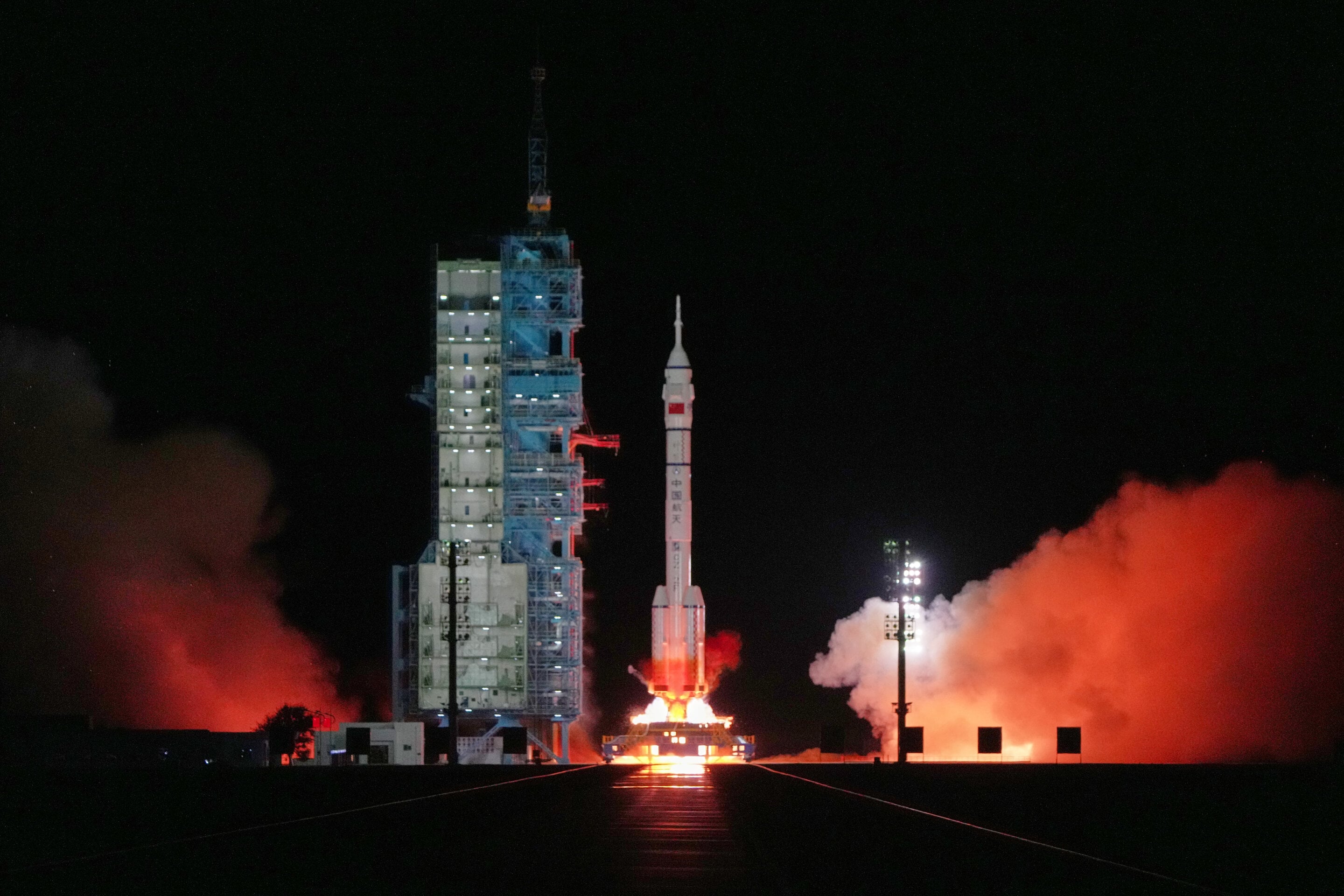
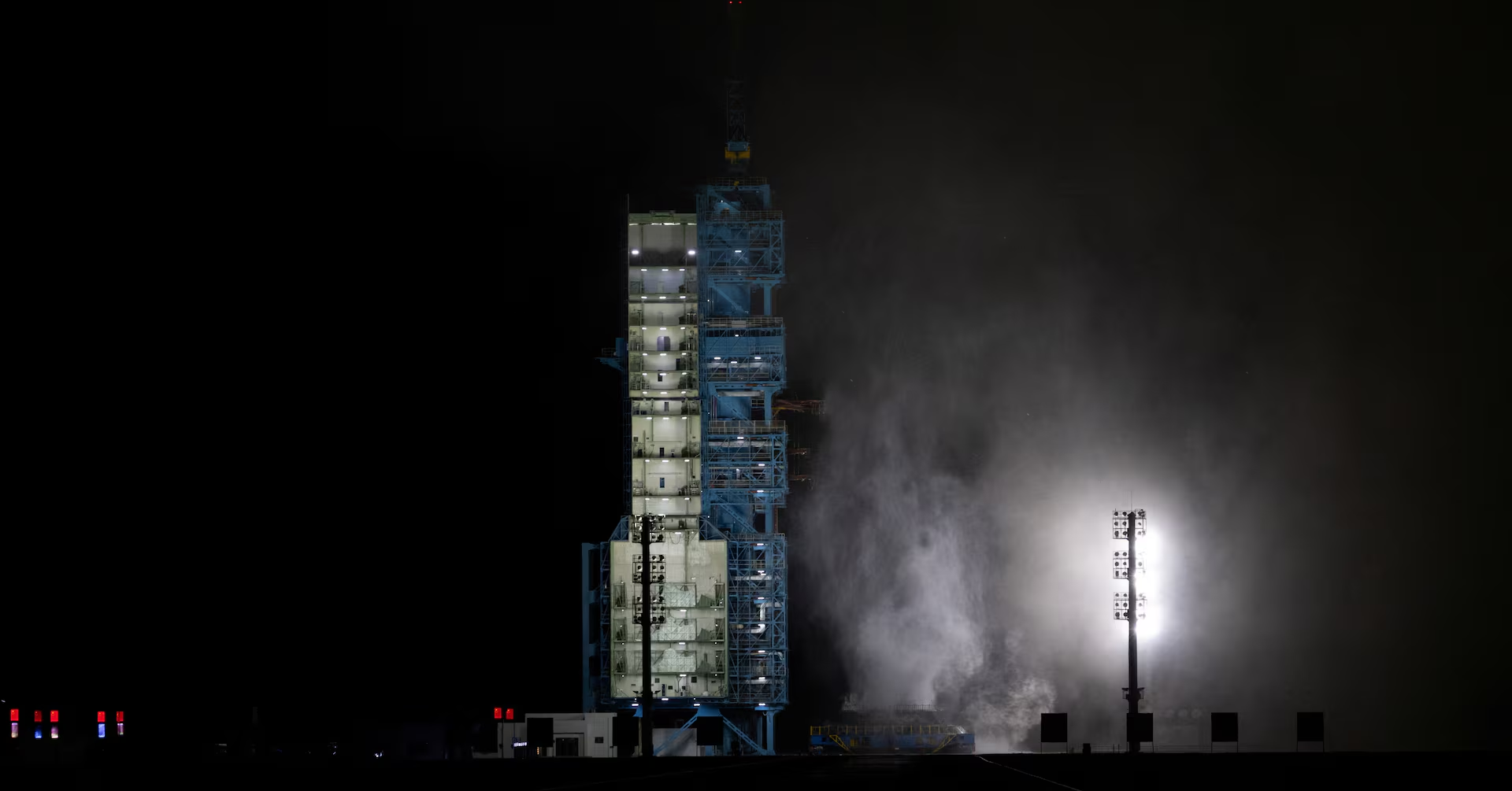
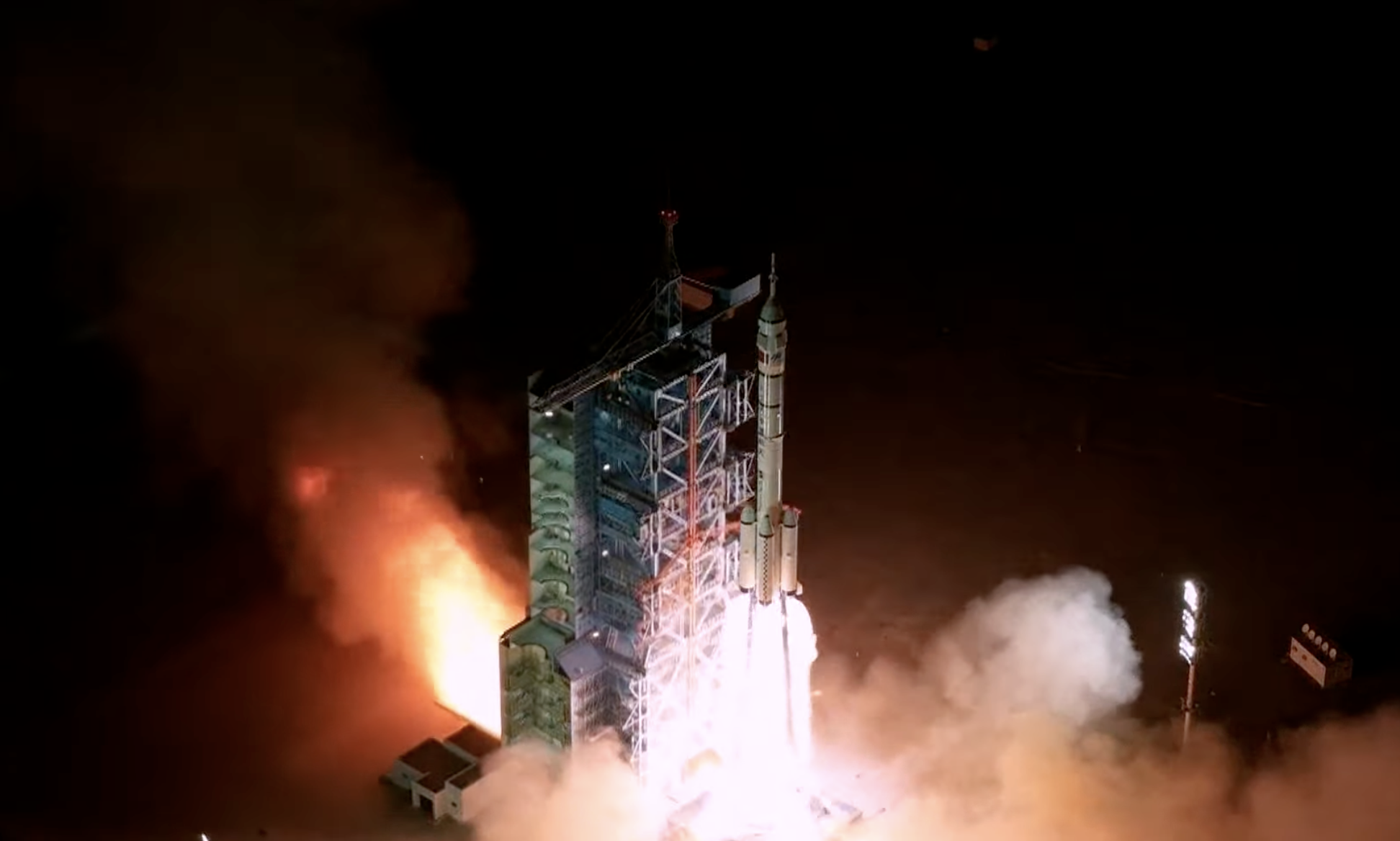
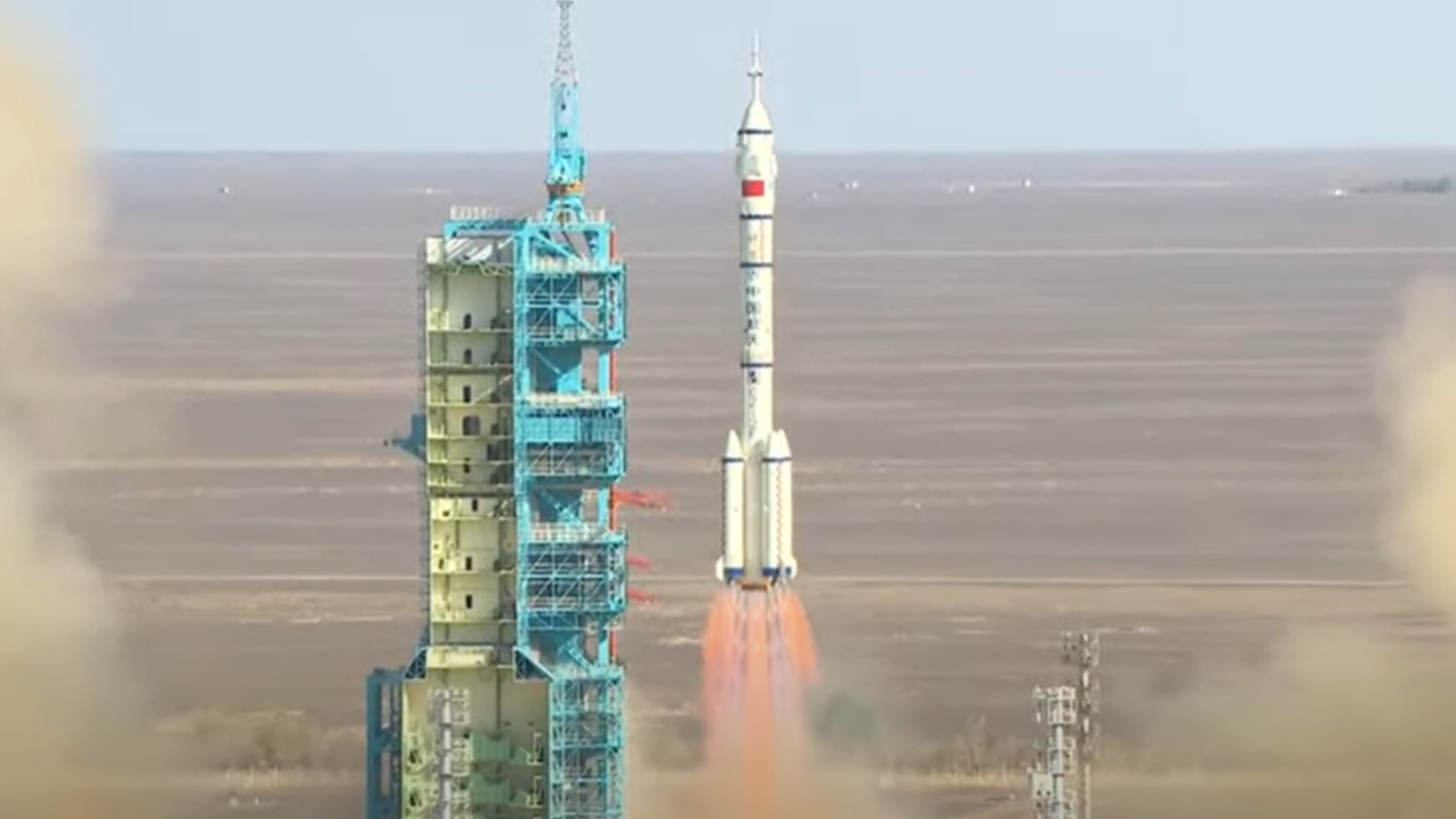
China launched its tenth crewed mission to the Tiangong space station, Shenzhou-21, with a crew of three taikonauts who will conduct 27 experiments, including China's first study of rodents in orbit, during a six-month stay. The mission was launched from Jiuquan using the CZ-2F/G rocket, and the crew will quickly dock with the station, taking a record three and a half hours to reach it, to relieve the previous crew after their extensive scientific work.
China launched the Shenzhou 21 crewed spacecraft to its Tiangong space station, carrying three astronauts including the youngest Chinese astronaut Wu Fei, who will make history as the youngest Chinese in space. The mission will last about six months, during which the crew will conduct scientific experiments, spacewalks, and public outreach activities. The launch was broadcast live and marks China's ongoing efforts to expand its presence in low Earth orbit.
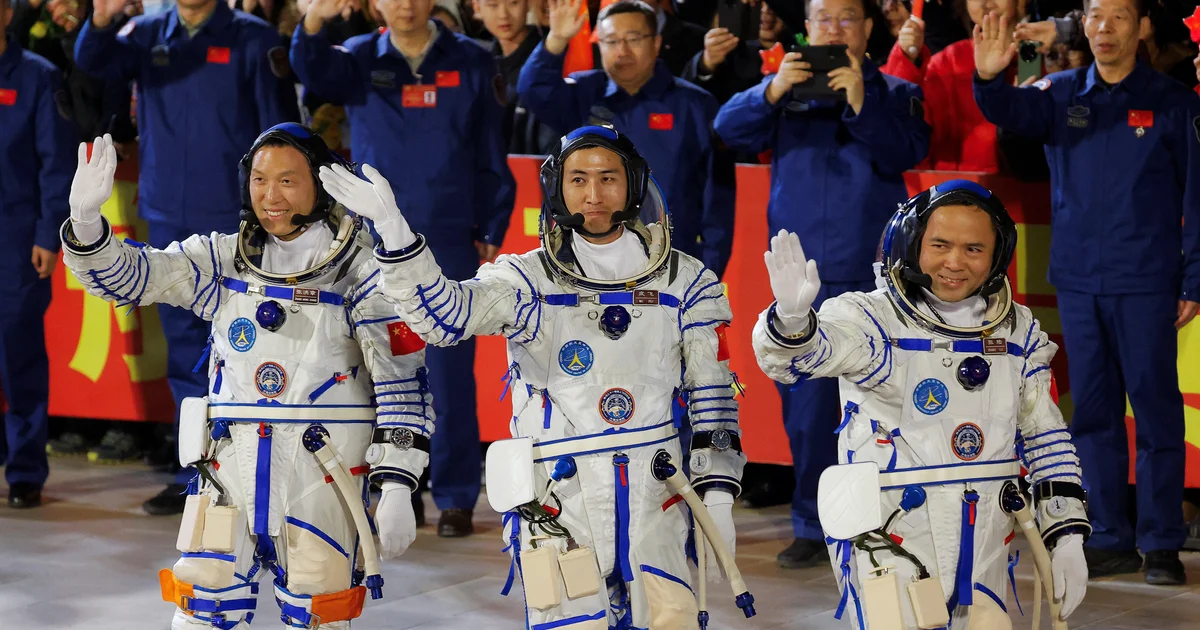
China announced its crew for the upcoming Shenzhou 21 mission to the Tiangong Space Station, including the nation's youngest astronaut Wu Fei, who will join Zhang Lu and Zhang Hongzhang for a six-month mission involving experiments, spacewalks, and cargo management, marking China's 10th crewed flight to Tiangong.