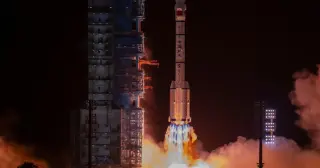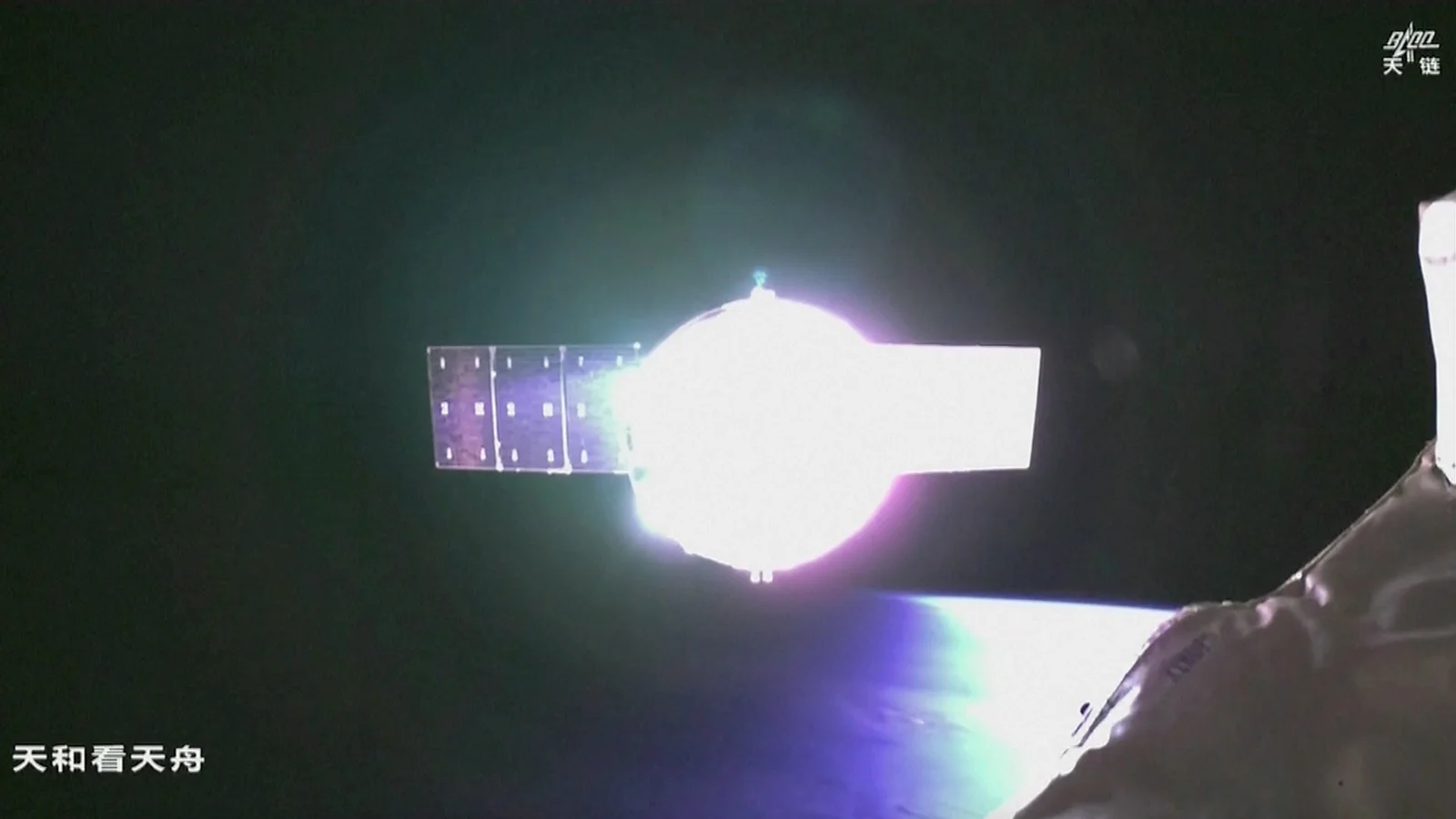
China's Shenzhou-23 astronauts have entered the Tiangong space station and begun an in-orbit handover with the Shenzhou-21 crew, marking the eighth space get-together in China's aerospace history.
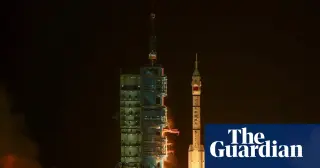
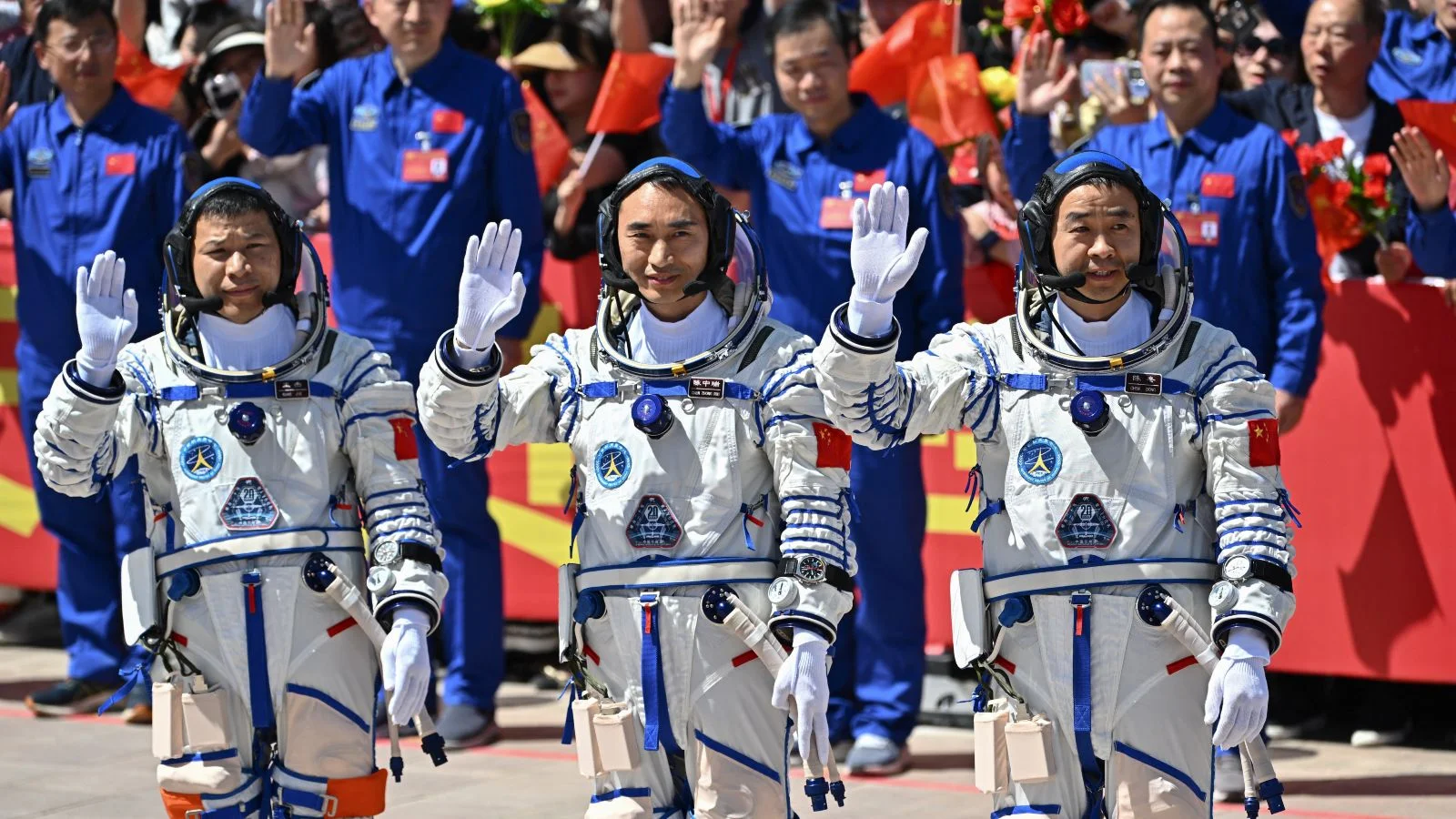
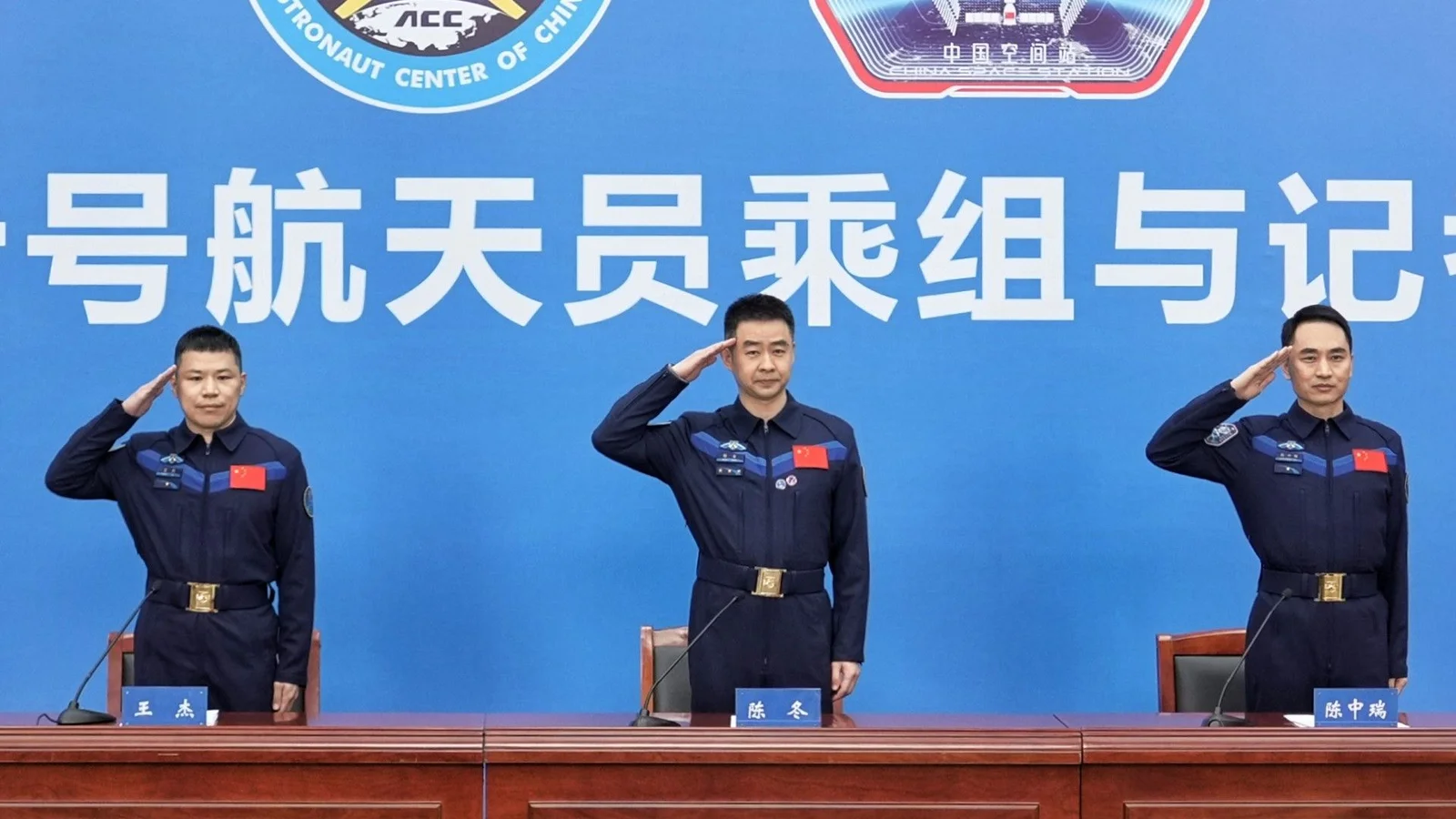
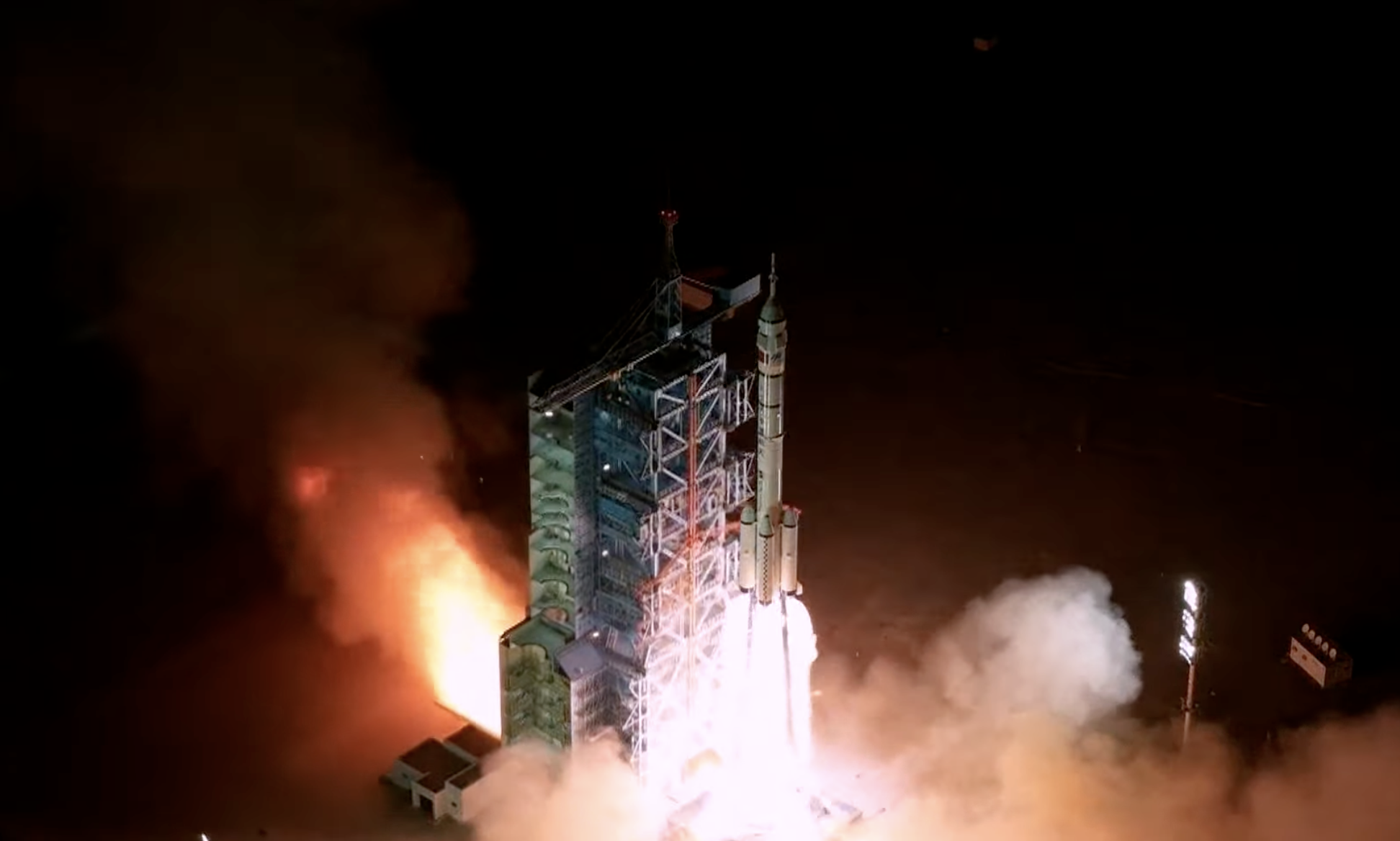
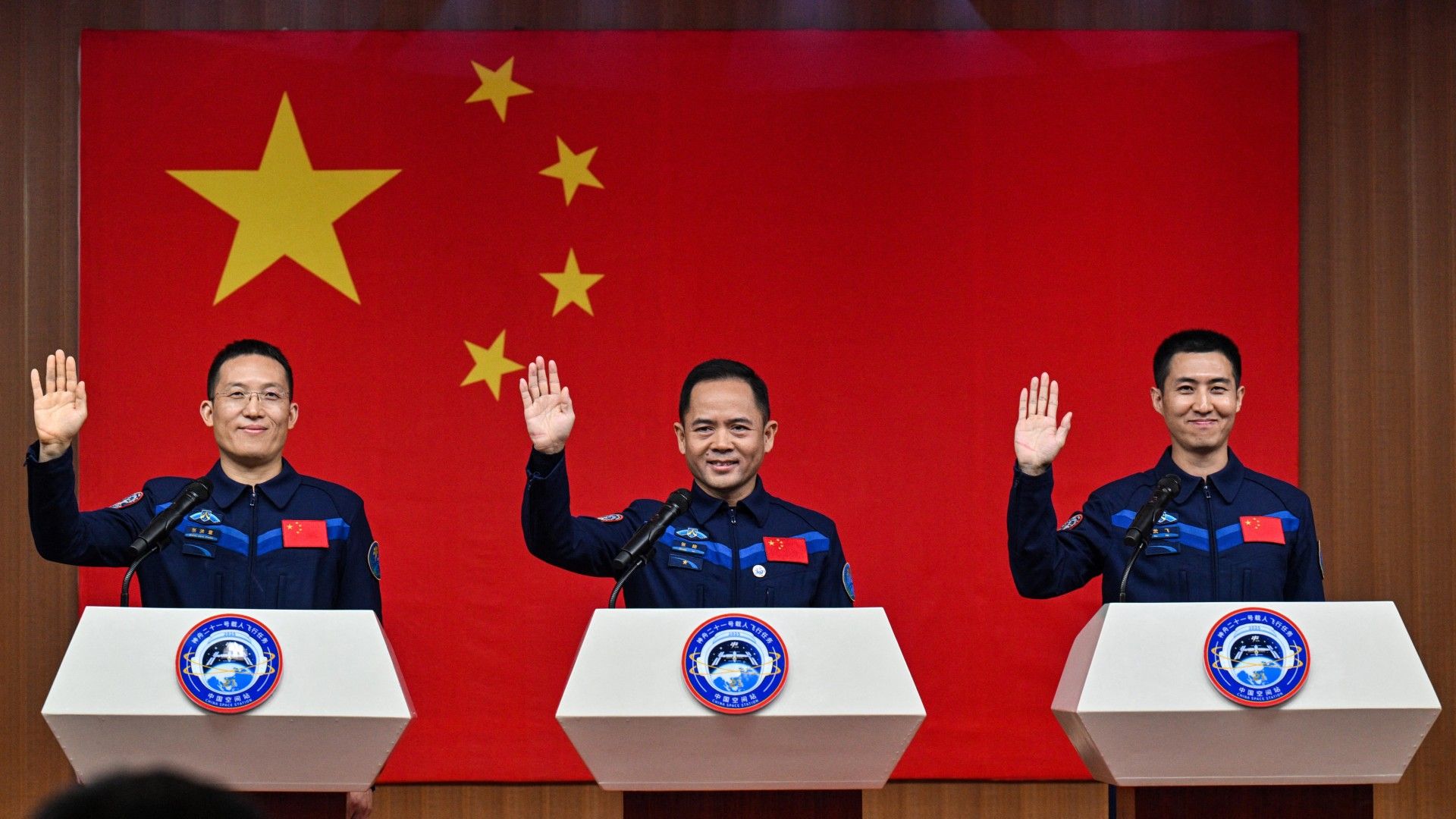
China launched the Shenzhou 23 mission from the Jiuquan center with three astronauts—Zhu Yangzhu, Zhang Zhiyuan, and Lai Ka-ying—one of whom will remain aboard the Tiangong space station for a year, a record-like long-duration stay as Beijing presses toward a crewed lunar landing by 2030 and conducts in-orbit rotations with Shenzhou 21.
China launches the Shenzhou-23 mission to the Tiangong space station with three astronauts, including Lai Ka-ying—the first Hong Kong national in space—who will oversee a planned year-long stay to study long-duration microgravity, part of Beijing’s aim to land humans on the Moon by 2030; the crew will conduct life sciences, materials science and medical experiments while China tests future deep-space programs, including the Mengzhou spacecraft for 2026 and the International Lunar Research Station by 2035, and a Pakistani astronaut is expected to join Tiangong later this year.
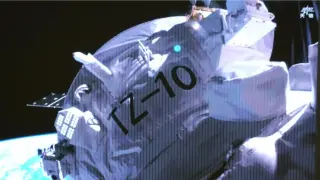
China’s Tianzhou 10 cargo freighter launched May 10 from Wenchang on a Long March 7 rocket and docked with the Tiangong space station about five hours later, delivering roughly 6.9 tons of cargo (about 6.3 metric tons). The haul includes about 280 kg of scientific experiments, 700 kg of propellant, and the last of three new spacewalking suits, along with other supplies. Tianzhou 10, like its predecessors, is a disposable freighter that burns up on reentry after its mission. Tiangong’s three-astronaut crew (Zhang Lu, Wu Fei and Zhang Hongzhang) remain aboard the station with Shenzhou 21.
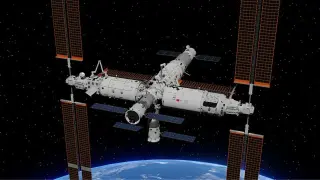
China plans a six‑module expansion of its Tiangong space station, boosting total mass to about 198 tons with a multifunctional extension to the Tianhe core, docking interfaces and upgraded propulsion/robotics. The move would widen international participation (Pakistan, Hong Kong, Macau) and position Tiangong as a global orbital laboratory as the ISS retires around 2030.
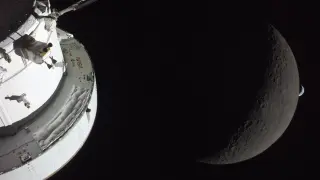
Artemis 2’s Orion capsule, Integrity, and China's Tiangong space station set the farthest distance ever between humans in space, peaking at about 260,754 miles (419,643 km) on April 6. The Artemis-ISS distance was slightly less, and the previous record traceable to Apollo 13 was from 1970. Space historian Jonathan McDowell notes the milestone signals a shift from measuring how far humans are from Earth to how dispersed human civilization could become across the solar system.
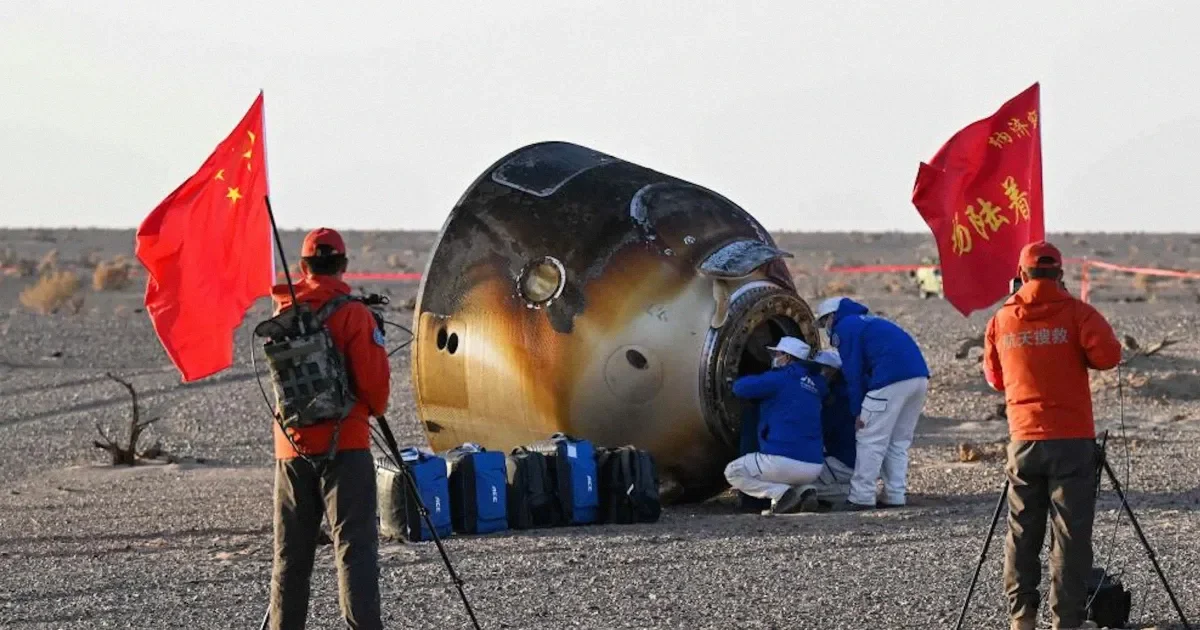
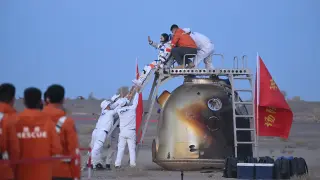
New details show cracks in the Shenzhou return capsule’s viewport penetrated the window, likely from space debris, with astronauts using a pen-shaped microscope to inspect them. A porthole crack repair device was deployed, a replacement crewless capsule was sent, and the damaged capsule landed in Mongolia on Jan 19. The incident underscores growing space-junk hazards as satellite megaconstellations expand.
Chinese taikonauts aboard Shenzhou-20 described spotting a triangular mark on the return capsule’s window—suggesting cracks likely from a space‑debris impact—during routine checks at the Tiangong space station. The finding delayed their departure, with ground teams and the Shenzhou-21 relief crew working to assess the damage. The crew ultimately returned to Earth nine days later aboard Shenzhou-21 after a 204‑day in‑orbit stay, in what CCTV and officials describe as China’s first spaceflight emergency.
Chinese taikonauts aboard Shenzhou-20 discovered cracks in their return capsule’s viewport—likely from space debris—one day before planned reentry. Ground teams swapped to the backup Shenzhou-21 for landing while racing to prepare an uncrewed Shenzhou-22 and a porthole-repair capability. The 270‑day mission was completed safely using the replacement craft, marking China’s first spaceflight emergency and underscoring the importance of rapid rescue and contingency planning.
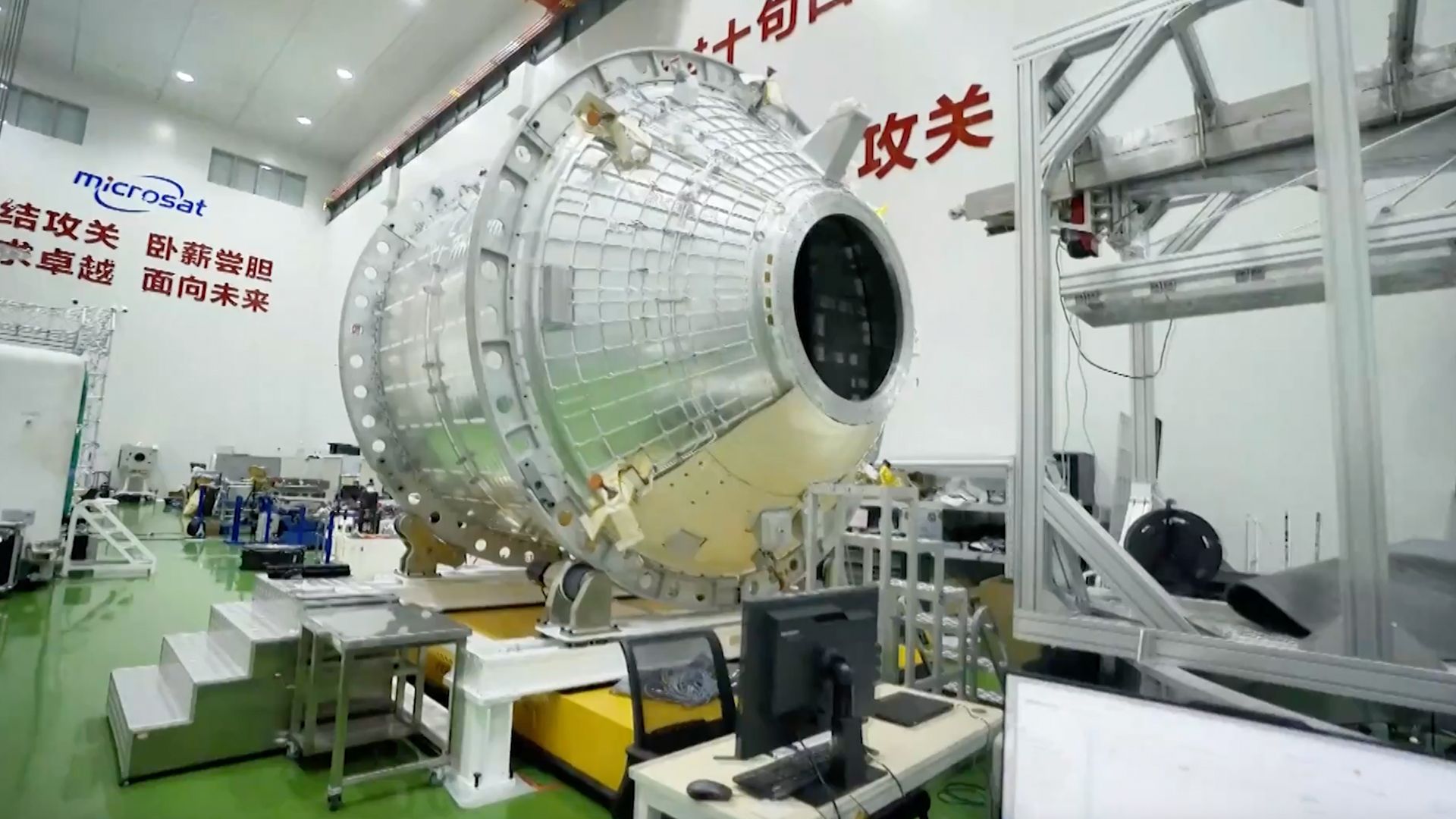
China is developing Qingzhou, a smaller, lighter, and potentially cheaper cargo spacecraft for its Tiangong space station, with its first flight expected after early 2026, as part of an upgrade to its space transportation capabilities.
China launched its tenth crewed mission to the Tiangong space station, Shenzhou-21, with a crew of three taikonauts who will conduct 27 experiments, including China's first study of rodents in orbit, during a six-month stay. The mission was launched from Jiuquan using the CZ-2F/G rocket, and the crew will quickly dock with the station, taking a record three and a half hours to reach it, to relieve the previous crew after their extensive scientific work.
China announced its crew for the upcoming Shenzhou 21 mission to the Tiangong Space Station, including the nation's youngest astronaut Wu Fei, who will join Zhang Lu and Zhang Hongzhang for a six-month mission involving experiments, spacewalks, and cargo management, marking China's 10th crewed flight to Tiangong.
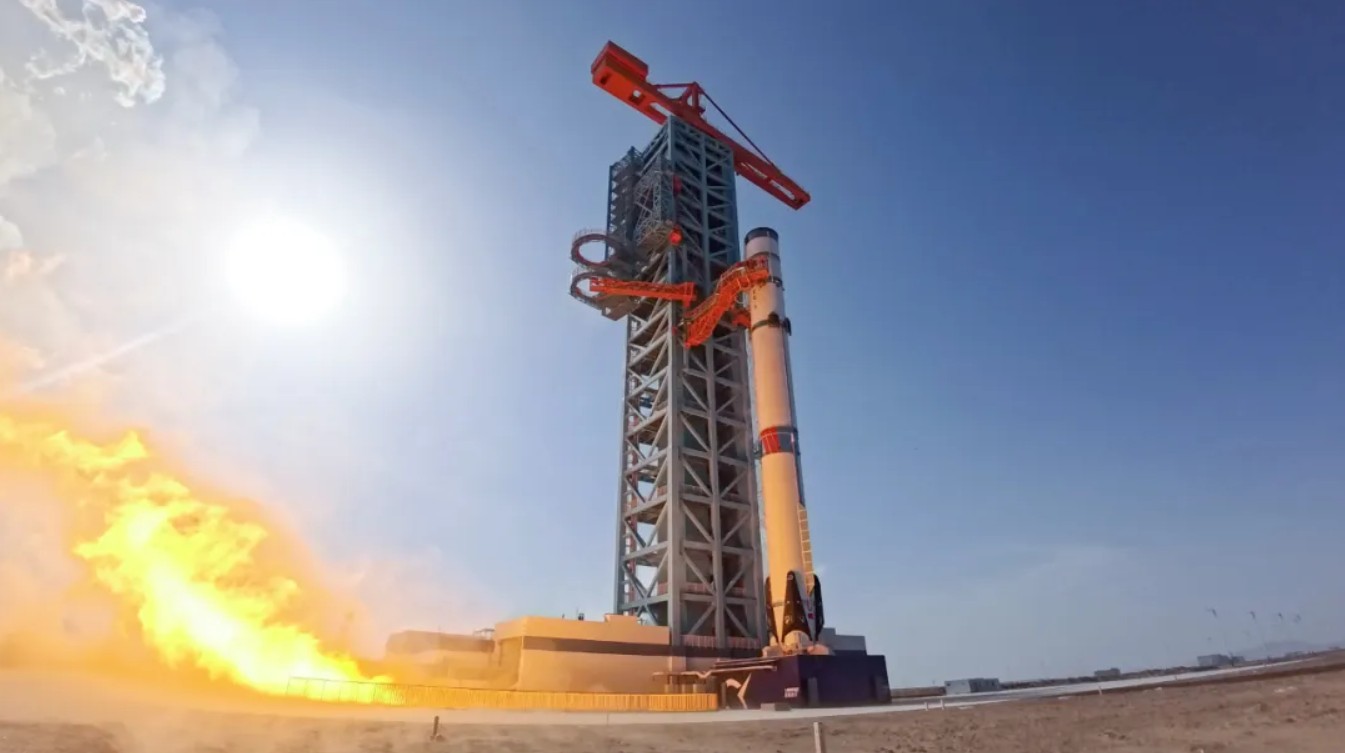
Landspace is preparing for China's first orbital launch and potential first-stage recovery of its Zhuque-3 rocket, which aims to deliver cargo to the Tiangong space station. The launch, possibly in November, marks a significant step for China's private space sector and reusable rocket technology, following a series of test preparations and previous rocket failures.
China's Tianzhou 9 cargo spacecraft successfully docked with the Tiangong space station, carrying supplies, upgraded spacesuits, scientific payloads, and equipment for astronaut fitness and research, marking a significant advancement in China's space capabilities and mission readiness.
China's Tianzhou 7 cargo spacecraft, which delivered supplies to the Tiangong space station earlier this year, has been deorbited and burned up in Earth's atmosphere. After undocking from the station on November 10, it reentered the atmosphere on November 17, likely over the South Pacific Ocean. Before reentry, Tianzhou 7 released a 6U cubesat named Bayi-08 for Earth observation and communication purposes. Meanwhile, China has launched the Tianzhou 8 mission to continue resupplying the Tiangong station.