
Tag

Skyglow

All articles tagged with #skyglow

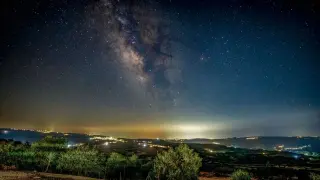
Skyglow Swallows the Milky Way for Over a Third of Humanity
science1 month ago

Skyglow Swallows the Milky Way for Over a Third of Humanity

Artificial skyglow now hides the Milky Way from more than a third of humanity, not because the galaxy has dimmed but because urban lighting brightens the night sky. A 2016 atlas using satellite radiance and 35,000 ground observations estimated that about 83% of people live under light-polluted skies, with the Milky Way’s visibility falling below a defined threshold under typical clear-sky conditions. Visibility varies by location, weather, and dark-adaptation. Skyglow results from scattered artificial light in the atmosphere, distinct from glare or light trespass. Studies show sky brightness has been rising in many places (7–10% per year in some datasets), and while LEDs offer efficiency, rebound effects and blue-rich light can worsen the problem. Solutions call for targeted, downward-facing, low-level, warm-colored lighting with controls, recognizing that the Milky Way remains—it’s the brightened air between us and it that has changed.
Ground observers reveal skyglow is accelerating beyond satellite estimates, dimming the night sky for a generation
science2 months ago

Ground observers reveal skyglow is accelerating beyond satellite estimates, dimming the night sky for a generation

A 2023 Science study analyzing 51,351 naked-eye reports from Globe at Night finds artificial night-brightening is increasing about 9.6% per year, faster than satellite records showed, which could reduce the number of visible stars for a growing portion of the world’s population (roughly 6.5%/yr in Europe and 10.4%/yr in North America). The mismatch arises because satellites measure radiance differently from how the human eye perceives star visibility, especially with blue-rich LEDs and light scattered by the atmosphere. The overall message is that light pollution is advancing quickly and solutions like shielding and smarter lighting could help retain the night sky for future generations.

Solar activity to boost sightings of Northern lights and STEVE arc.
science3 years ago

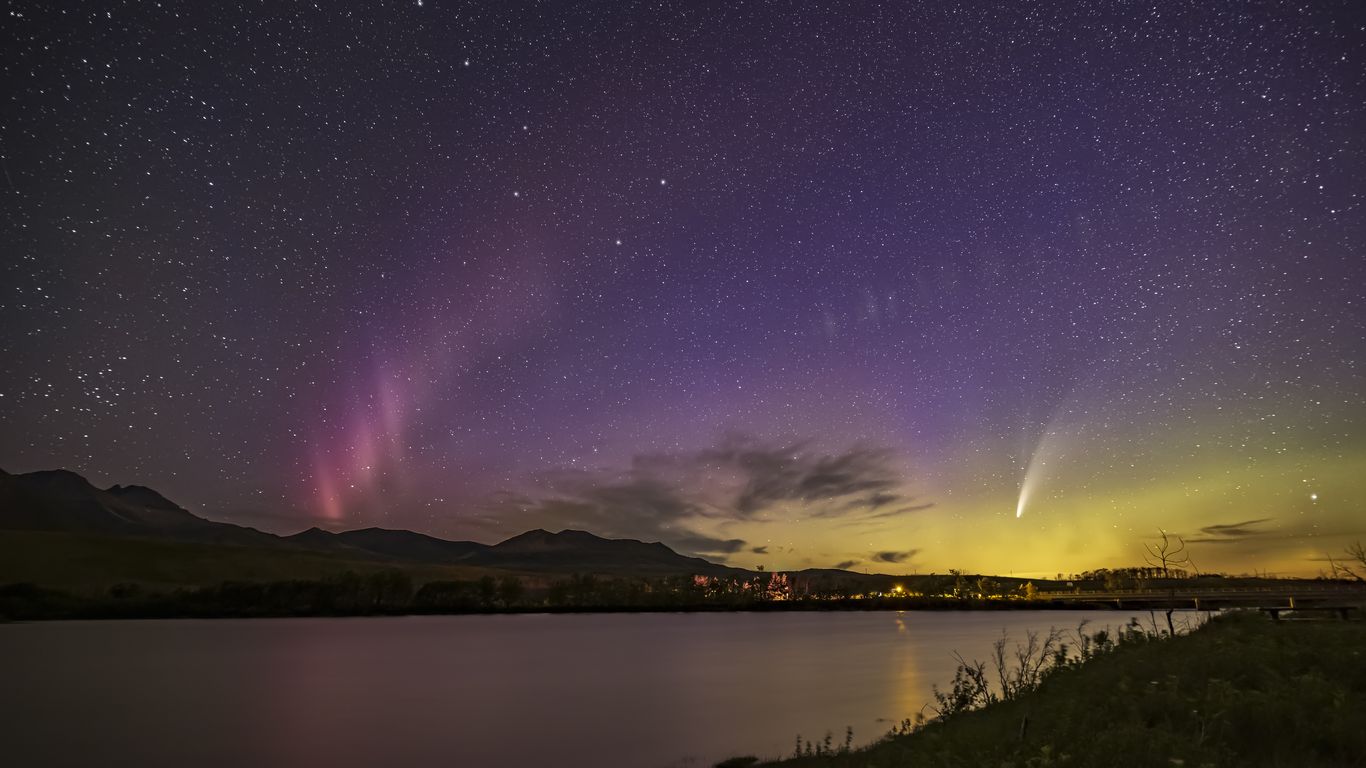
Solar activity to boost sightings of Northern lights and STEVE arc.

Due to an increase in solar activity, the rare and hard-to-predict cosmic phenomenon known as STEVE, a colorful light arc often seen with auroras, will be more visible in the next few years. STEVE is not an aurora but a "skyglow" created by heated and shining particles in the ionosphere. To spot STEVE and auroras, watch space weather forecasts and head towards the magnetic poles during the best seasons for aurora watching, which are around the spring and fall equinoxes.