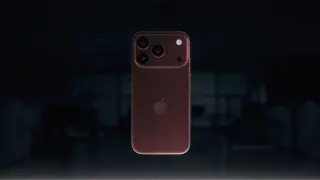
Apple has reduced the price of its iPhone Air due to weak demand and rising inventory, signaling a strategic move to boost sales in the premium smartphone segment amid stiff competition and new iPhone lineups.
Leak claims the iPhone Air sold about 700,000 units after price cuts, while rival ultra-thin models underperformed, prompting competitors to back away from the concept; Samsung reportedly shelved its ultra-thin S26 Edge. Apple is still pursuing an iPhone Air 2 in 2027 with improvements to address the first model's flaws (second camera, bigger battery, cooling, and other refinements).
Ookla Speedtest data suggest Apple's iPhone Air is more popular in user-initiated tests than the iPhone 17 Pro and outsamples Samsung's Galaxy S25 Edge by roughly 3-to-1 in the US, with even larger margins in Europe. The data are speedtest samples, not official sales, but they imply the Air is a stronger “slim flagship” contender and could push Apple to a second-gen Air and rethink the Plus model strategy for future iPhone lineups. Samsung’s S25 Edge remains comparatively niche in many markets.
The global smartphone market is expected to shrink by 2.1% in 2026 due to rising costs of chips and memory, which are driven by AI demand, leading to higher device prices and shipment declines for major brands like Apple and Samsung, while low-end phones are impacted most severely.
Counterpoint Research predicts a 2.2% decline in iPhone sales in 2026 due to rising manufacturing costs, with global smartphone shipments expected to fall by 2.1%, impacting especially the lower-end market, though Apple and Samsung are better positioned to handle increased costs.
Apple is drastically reducing production of the iPhone Air due to poor sales and low demand, especially outside China, with production orders expected to drop to less than 10% of September levels. Despite its innovative design and features, the iPhone Air has not attracted significant customer interest, leading Apple to focus more on the traditional iPhone 17 and Pro models. This trend mirrors Samsung's struggles with its Galaxy S25 Edge, which also saw low sales and halted production.
Apple has significantly reduced its production orders for the iPhone Air due to weak demand, despite initial strong sales reports, with overall iPhone production remaining aligned with forecasts thanks to higher demand for other models like the iPhone 17 and iPhone 17 Pro Max.
Apple has reduced the production of the iPhone Air model due to a shift in consumer preference towards other iPhone models, reflecting changing dynamics in the smartphone market.
Apple's strategic focus on design-driven differentiation, restrained pricing, and aggressive trade-in incentives aims to drive a significant upgrade cycle with the iPhone 17 lineup, emphasizing style, value, and ecosystem lock-in to sustain growth in a competitive market.
MediaTek's upcoming Dimensity 9500 chipset is expected to boost flagship chipset shipments by 33% in 2024, reaching 24 million units, primarily driven by Chinese OEM partnerships and competitive pricing, with the company maintaining a strong presence in China and growing in other Asian markets.
The Google Pixel 9 Pro Fold has received a significant $600 discount on Amazon just days before the Pixel 10 launch, with the price now at $1,199, amid broader discounts on Pixel 8 Pro and Pixel 9a. Historically, Google tends to slash prices shortly after new phone releases, making it potentially more cost-effective to wait for the Pixel 10 Pro Fold, which may see further discounts before summer's end.
Apple plans to launch a premium-priced folding iPhone next year, with a display potentially made by Samsung Display, though some components are still undecided. The move aims to attract new customers and encourage upgrades amid a shrinking foldable phone market, which currently accounts for a small percentage of smartphone sales and faces hardware challenges and limited demand growth.
Counterpoint predicts Apple will raise iPhone 17 prices to offset tariff costs, leading to potential declines in US and global smartphone sales, with overall market growth forecasted to slow due to trade uncertainties and increased costs.
Bill Gates publicly acknowledged that his biggest mistake was mismanaging Microsoft's attempt to compete in the smartphone market with Windows Phone, which he believes led to a missed opportunity worth billions and allowed Android to dominate the industry. The failure was partly due to overestimating Microsoft's potential and underestimating Android's rise, with Android's co-founder Rich Miner criticizing Gates' blame and highlighting his own role in creating Android to challenge Microsoft's dominance.
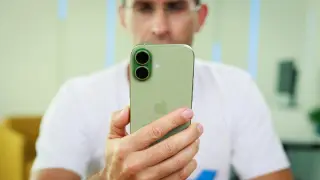
The iPhone 16 has become the best-selling smartphone globally in Q1 2025, surpassing even the more premium iPhone 16 Pro and Pro Max models, likely due to comparable performance and lower price points. Apple maintains a strong presence in the top positions, with other brands like Samsung and Xiaomi also performing well. The data suggests consumer preference is shifting towards value, with the base iPhone 16 offering high-end features at a more affordable price, while premium models face stiff competition, especially in China.