Xiaomi’s new 18 Pro and Pro Max flagships feature dual screens and Leica cameras, but reviewers find the rear display offers limited practical value despite strong performance and battery life.
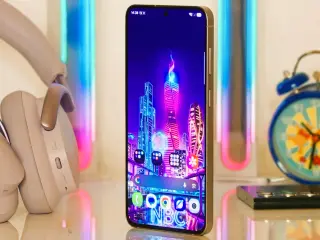
The Samsung Galaxy S26 FE has seen a significant price drop to approximately $499, making it a more attractive mid-range option despite notable hardware compromises. While the device features a premium build, a 120Hz AMOLED display, and a strong 50MP main camera, it suffers from an outdated 8MP telephoto lens, USB 2.0 connectivity, and average battery life. Reviewers note that while the lower price justifies some trade-offs, the lack of Wi-Fi 7 and high-frequency PWM dimming remains a concern for 2026 standards.
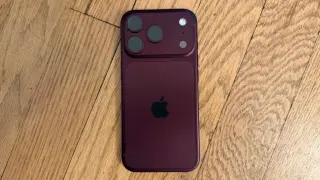
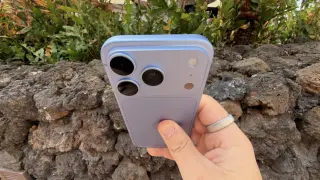
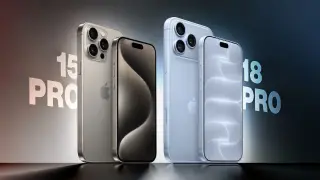
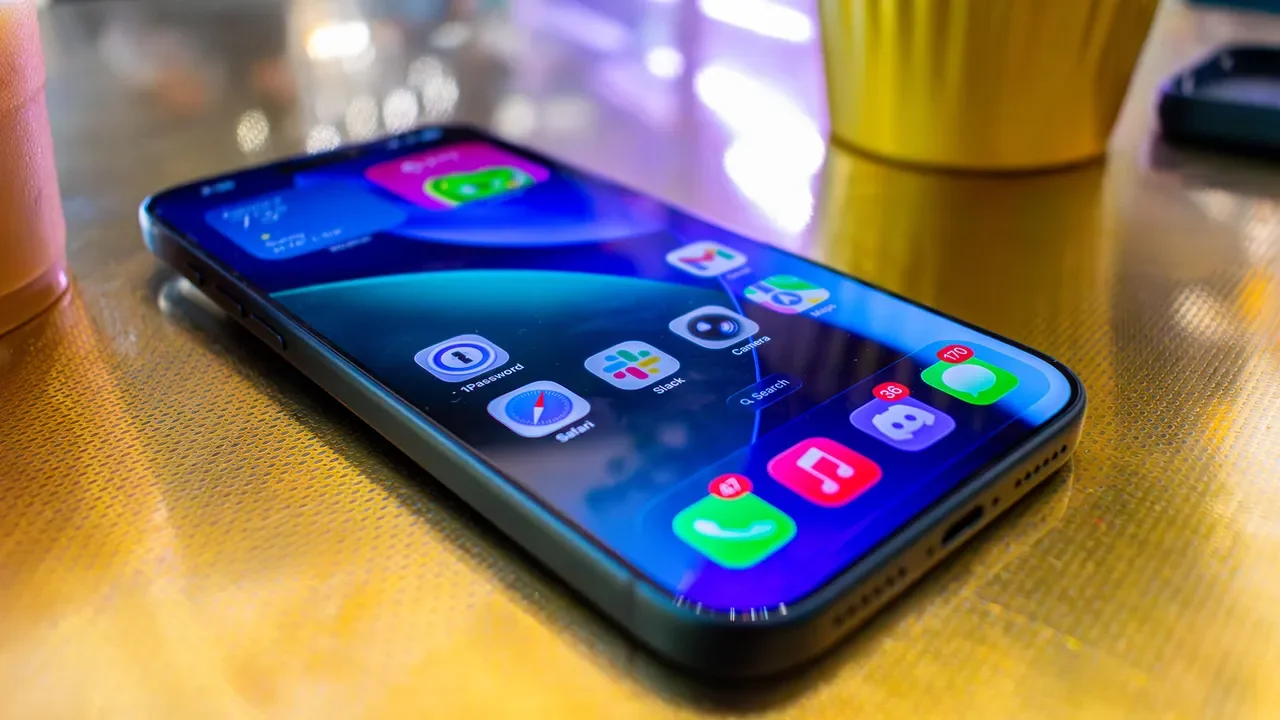
The iPhone 18 Pro offers improved thermal management, battery life, and camera controls, but lacks major design changes. Reviewers praise its performance and efficiency but note it is not a compelling upgrade for recent iPhone owners.
After a month of daily use, the Pixel 11 Pro XL offers excellent durability, efficient battery life, and strong software features, though its cameras and cellular connectivity trail behind Chinese rivals and some competitors.
The iPhone 18 Pro and Pro Max launch at $1,199 and $1,299, respectively, offering a 2nm A20 Pro chip, variable aperture cameras, and improved battery life. While the design remains largely unchanged from the 17 Pro, internal enhancements target photographers and power users. Reviewers note that the upgrade is significant for users of older models but marginal for current 17 Pro owners.
The Samsung Galaxy S26 FE costs $700 but offers only minor upgrades over the S25 FE, including a new Exynos 2500 chip and AI features, while retaining the same camera and battery specs. Engadget rates it 6.7/10, noting sluggish camera performance and poor value compared to older models.
The iPhone 18 Pro, launched September 9, 2026, features a new A20 Pro chip, variable aperture camera, and improved cooling. While offering significant camera controls and battery gains, reviewers note it is an iterative update over the iPhone 17 Pro, with higher prices and no major design changes.
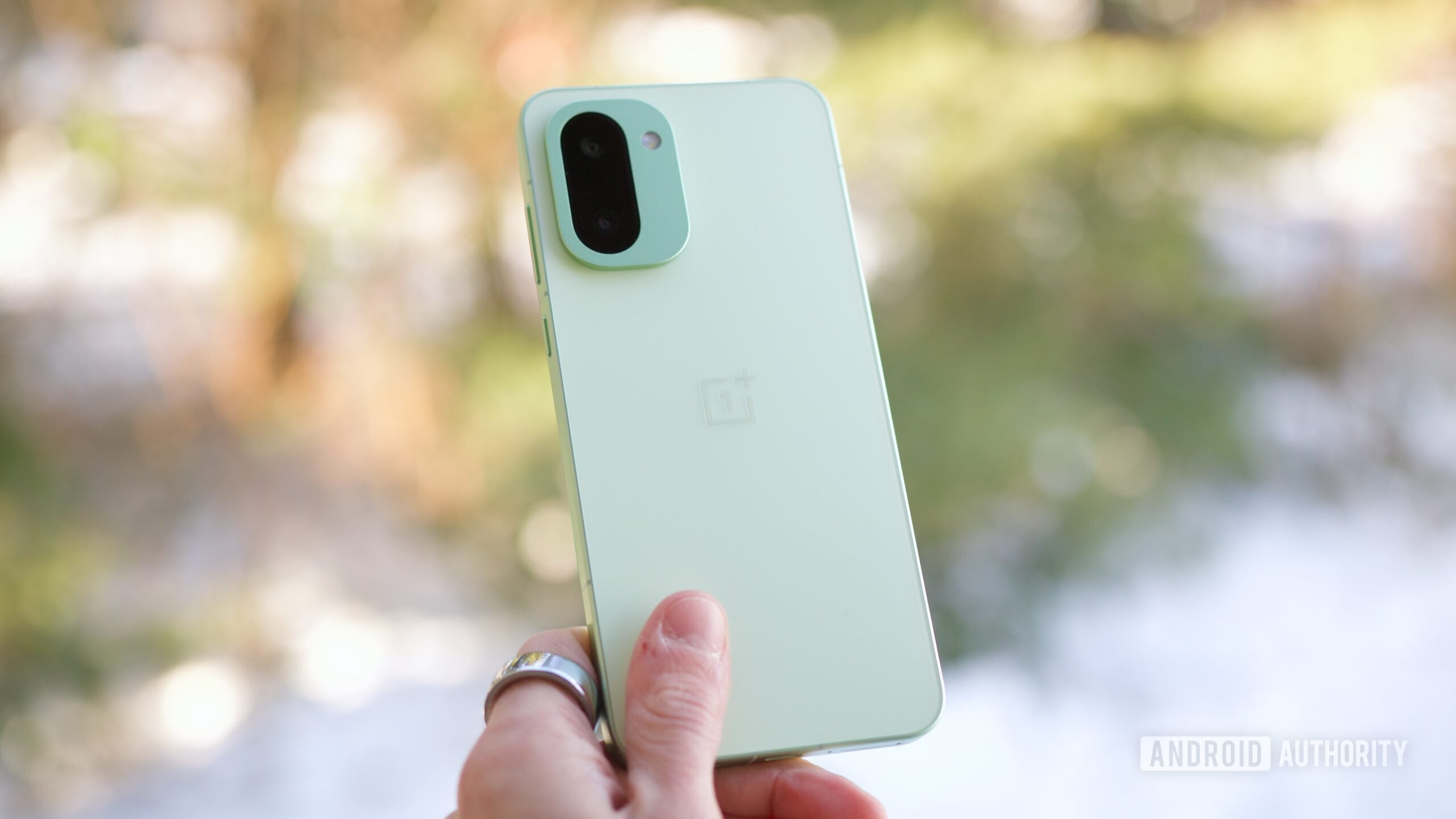
The Nothing Phone (4b) offers a 120Hz AMOLED display, Glyph Bar, and exceptional battery life at 329 euros, but suffers from limited 128GB storage, a weak camera, and slow Wi-Fi.
The Pixel 11 Pro and Pro XL launch at $1,099 and $1,299, respectively, offering a $100 price increase over the previous generation. While the devices feature a new Tensor G6 chip, improved telephoto cameras, and robust software features like Rambler and Pause Point, they suffer from reduced RAM, slower charging speeds, and a largely non-functional HiLight LED feature. Reviewers praise the camera system and day-to-day efficiency but criticize the lack of significant performance gains and the high cost.
The Google Pixel 11 Pro is a capable device with excellent legacy software, but its new flagship features like HiLight and Proactive Assistance are underwhelming. While hardware changes are minimal, the phone relies on established tools like Rambler and Camera Looks to succeed, raising concerns about Google's innovation direction.
The Google Pixel 11 Pro and Pro XL offer impressive new AI features like Magic Capture and Rambler, but suffer from reduced RAM, slower charging, and higher prices compared to the previous generation. While camera improvements are notable, the devices remain difficult to recommend due to persistent hardware limitations.
The Google Pixel 11 Pro features a significant CPU performance jump with the new Tensor G6 chip, though GPU capabilities remain stagnant. While the device ships with Android 17, critics note the software feels dated at launch due to prior rollout timing. The new HiLight LED feature is limited in utility, and the 256GB model suffers a RAM downgrade.
The Google Pixel 11 Pro features a redesigned camera bar with edge-to-edge glass and new color options, including Canyon and Olive. The 6.3-inch OLED display is slightly brighter and more scratch-resistant, but retains a low PWM dimming frequency. Battery capacity has marginally decreased, and wired charging remains slow at 30W, though wireless charging now supports full 25W Qi2 standards.
The OnePlus 15R, despite impressive specs like a 165Hz display and a 7,400mAh battery, is criticized for missing features, confusing software, and a price hike to $700, making it a less attractive option compared to previous models and competitors, with notable downgrades in camera quality and the absence of wireless charging.
The iPhone 17 Pro Max features a new chassis with a vapor chamber for better cooling, improved camera systems with 48MP lenses, a bright OLED display, and the A19 Pro chip, offering modest performance gains and enhanced thermal management, along with a new visual design in iOS 26. Despite some design and software divisiveness, it remains a powerful and portable flagship smartphone.