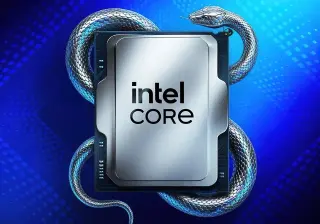
Rumors suggest Intel and NVIDIA are co-developing Serpent Lake system-on-chips that integrate NVIDIA RTX GPU tiles with Intel x86 CPUs in a single package, with a targeted Q1 2028 launch and a potential CES 2028 reveal, marking a significant step for AI-focused PCs across the market.
Valve says Steam Deck 2 is in development but there isn’t any current system-on-a-chip that provides true next-gen performance, signaling an iterative upgrade rather than a dramatic leap. The RAM crisis continues to delay Steam Machine, while a new Steam Controller is set for release next week.
Samsung is developing the Exynos 2800, scheduled for launch in 2027, which may feature the company's first in-house GPU, expanding its application beyond smartphones to areas like autonomous vehicles and robotics. The company is investing heavily in its semiconductor division, recruiting top talent and advancing its manufacturing processes, aiming to create a unified ecosystem with its custom silicon.
Qualcomm has released Linux kernel patches to support its new Snapdragon X2 Elite and 8 Elite Gen 5 SoCs, including device tree configurations and various hardware support features, with ongoing updates expected to enhance Linux compatibility for these platforms.
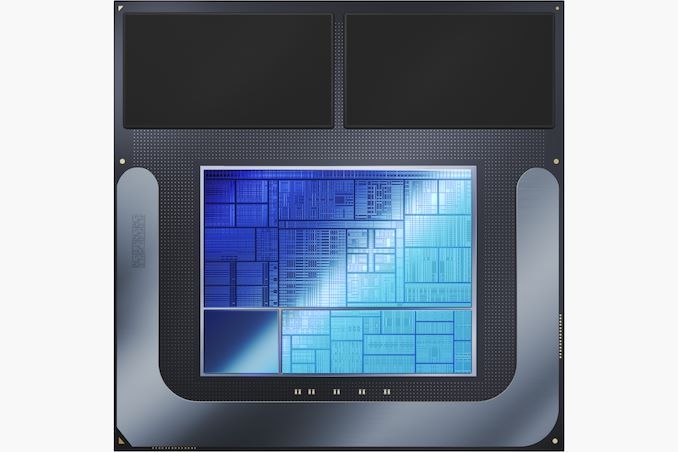
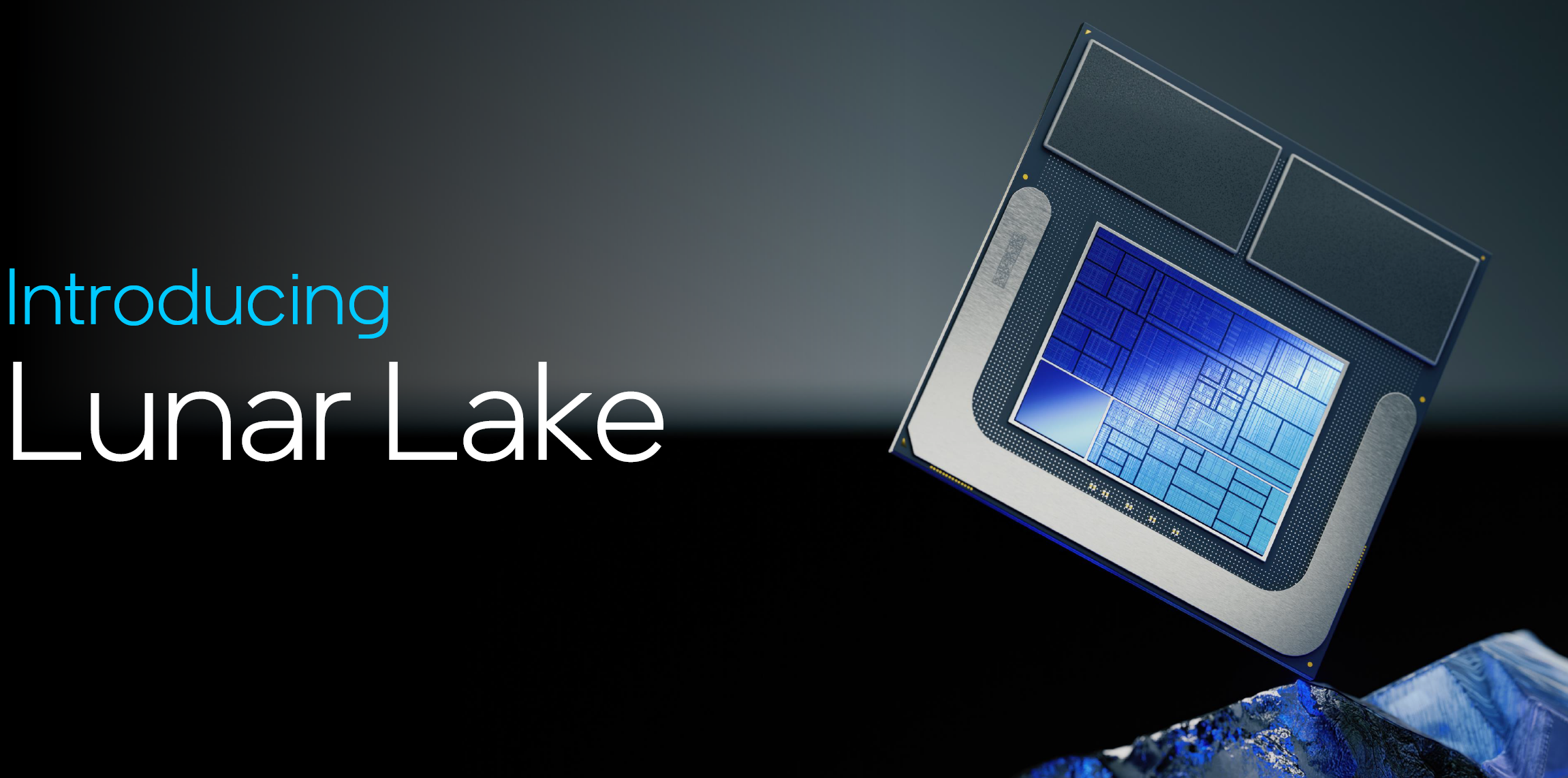
Intel has unveiled its upcoming Lunar Lake SoC, featuring new Lion Cove P-cores, Skymont E-cores, Xe2-LPG graphics, and the NPU 4 for enhanced AI performance. Built by TSMC using N3E and N6 processes, Lunar Lake aims to optimize power efficiency and performance, leveraging Intel's Thread Director and advanced power management systems. The SoC includes up to 32 GB of LPDDR5X memory and is set for a Q3 2024 launch, targeting the mobile market with a focus on AI and power efficiency.
Intel's new Lunar Lake SOC, featuring Lion Cove P-Cores and Skymont E-Cores, promises significant performance and efficiency improvements. The architecture includes advanced packaging technologies, on-package memory, and a new Xe2 GPU. The Lion Cove P-Cores offer a 14% IPC gain, while the Skymont E-Cores provide up to 68% better floating-point performance. The SOC also integrates Intel's NPU 4 for enhanced AI capabilities and supports Wi-Fi 7 and Thunderbolt 4. The Lunar Lake chips are expected to launch in Q3 2024, with wider availability in Q4.
NVIDIA's next-gen "AI PC" SOC is rumored to feature Arm Cortex X5 Blackhawk CPUs, Blackwell RTX GPUs, and LPDDR6 memory, potentially revolutionizing the AI PC segment. The SOCs, leveraging a 3nm process node and advanced packaging, could also pave the way for new handheld consoles. This development aligns with NVIDIA's strategy to integrate high-end GPU architectures with ARM CPUs, similar to their datacenter solutions.
Qualcomm introduces the Snapdragon 7+ Gen 3, the latest addition to its premium smartphone SoC lineup, offering high-end features with more modest performance and costs. The new chip features a powerful CPU core, improved memory subsystem, and a 45% increase in GPU performance compared to its predecessor. It also supports generative AI models and retains Qualcomm’s triple 18-bit Spectra ISPs for camera systems. However, it lacks hardware ray tracing support and AV1 decoding, positioning it as a feature-differentiated option from the flagship Snapdragon 8 series. Phones based on the Snapdragon 7+ Gen 3 are expected to be released in a few months, with SHARP, realme, and OnePlus being the first OEMs to adopt it.
Qualcomm's new Snapdragon 8s Gen 3 is a slightly slower, cheaper version of the Snapdragon 8 Gen 3, featuring a 1+4+3 core configuration, lower clock speeds, and a downgraded X70 modem. It is targeted towards "budget flagship" phones and will be adopted by major OEMs including Honor, iQOO, realme, Redmi, and Xiaomi.
Qualcomm has announced the Snapdragon 8s Gen 3, a new addition to their Snapdragon 8 family SoC lineup, aimed at the premium market as a bridge part between the last-gen flagship 8 Gen 2 and current-gen flagship 8 Gen 3, offering a not-quite-flagship experience at a lower price point. The new chip features a mix of Cortex-X4, Cortex-A720, and Cortex-A520 CPU cores, improved CPU performance and energy efficiency, and official on-device generative AI support. It also offers hardware raytracing in the integrated GPU, but lacks global illumination support, and has downgraded video recording and decoding capabilities compared to other Snapdragon 8 SoCs. The Snapdragon 8s Gen 3 is set to be available globally, with the first phones expected to be announced this month, primarily from Chinese handset OEMs.
Qualcomm has confirmed that the Snapdragon 8 Gen 4, featuring an Oryon CPU and an updated neural processing engine, will be announced in October. The company's focus on AI-friendly technology is expected to significantly enhance the capabilities of smartphones and other devices in the coming years. While further details are yet to be revealed, the upcoming release signifies Qualcomm's commitment to innovation in the NPU space.
Apple is settling a lawsuit it filed against chip startup Rivos, accusing the company of stealing trade secrets related to Apple's SoC technology. The settlement will allow Apple to recover any confidential information from Rivos' systems, with both firms signing an agreement potentially settling the case. Apple had originally sued Rivos in 2022, alleging that the company hired away Apple engineers and used confidential information to develop competing SoC technology. Rivos denied the allegations and countersued Apple for unfair competition, claiming that Apple sought to punish the startup and its employees.
Apple has reached a settlement with SoC company Rivos, which it sued for theft of trade secrets after hiring over 40 employees from Apple, including high-ranking engineers. Rivos will undergo a forensic examination to remove any confidential Apple information from its systems. The settlement aims to finalize by March 15, and both companies are working through the remediation process.
Intel announced the development of a new system on a chip (SoC) designed to power generative AI features in future vehicles at CES 2024, along with the acquisition of Silicon Mobility, a company focused on improving energy management in electric and hybrid vehicles. The SoC will enable AI capabilities such as monitoring passengers, high-def video conferencing, and more, and will also help automakers reduce the number of electronic control units in vehicles. While the automotive industry is slow to adopt new technologies, Intel's push aligns with the increasing sales of electric vehicles and aims to provide a more personalized driving experience.
New leaks reveal details about the Snapdragon 8 Gen 3 for Galaxy variant, which has slightly different maximum clock speeds compared to the regular version, and the Exynos 2400 SoC for the upcoming Samsung Galaxy S24 series. The Snapdragon 8 Gen 3 for Galaxy is expected to have a higher maximum clock speed for the prime core but lower maximum clock speeds on the rest of its clusters. Meanwhile, the Exynos 2400 is set to power the Galaxy S24 and S24 Plus in non-US regions, with lower maximum clock speeds compared to the Snapdragon 8 Gen 3. Despite these differences, the performance gap between the two chips is estimated to be minimal, with the Galaxy S24 Ultra likely to be equipped with the Snapdragon 8 Gen 3 for Galaxy worldwide.