July 2026 brings several celestial events to look for: visible planets in the night sky, the Buck Moon full moon, and the Southern Delta Aquarids meteor shower, giving summer stargazers a chance to enjoy the skies this season.
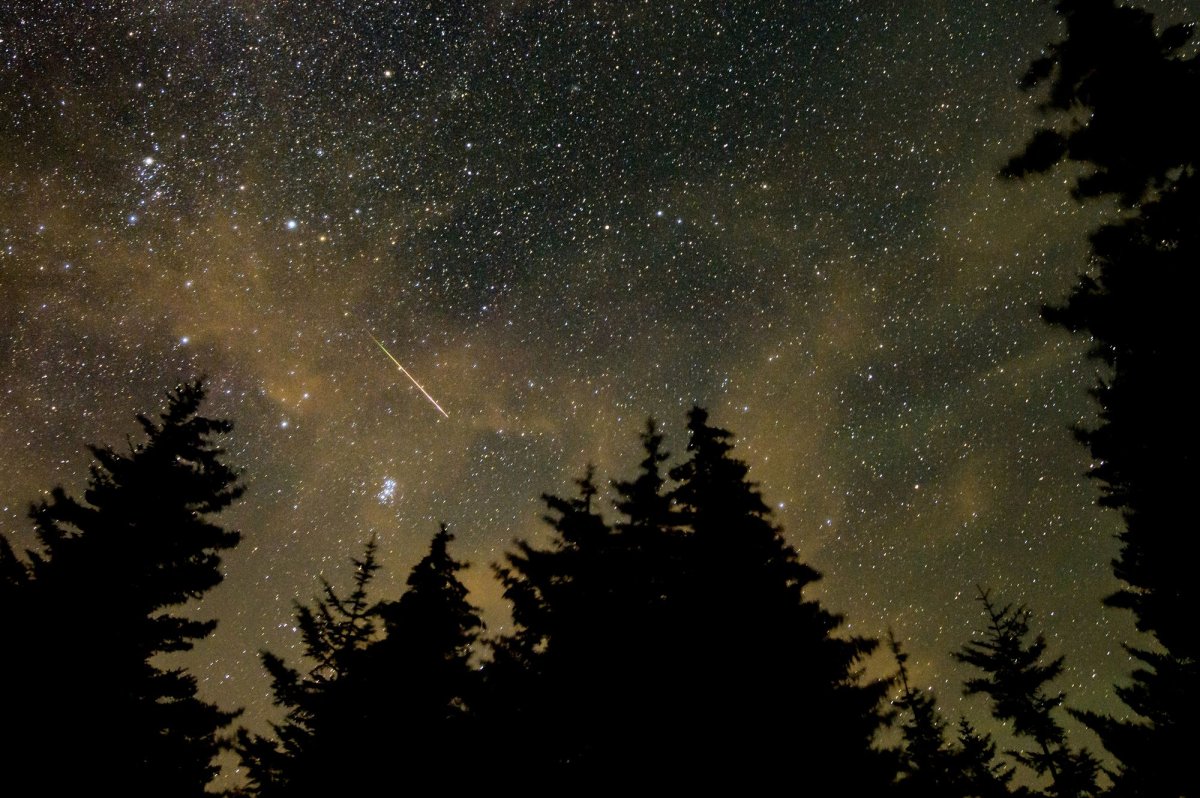
The Southern Delta Aquarids and Alpha Capricornids meteor showers will coincide on Sunday night into Monday morning, offering stargazers a chance to witness a "doubleheader" astronomical event. With the moon setting after 3 a.m., the best viewing time is in the early morning hours. Expect around 15 to 20 meteors per hour, visible in any direction across a wide range of sky. The event can be observed from the end of July through the start of August.
This weekend, two meteor showers, the Southern Delta Aquarids and Alpha Capricornids, will peak simultaneously, but the brightness of the nearly full moon may hinder visibility. The Alpha Capricornids are known for producing slow, bright yellow fireballs, while the Southern Delta Aquarids are best seen from the southern tropics. Stargazers in the Gulf Coast to the Northeast can expect favorable weather conditions, while cloudy conditions may obstruct visibility in the Rocky Mountains, Desert Southwest, and parts of the Midwest.
The Southern Delta Aquarids and Alpha Capricornids meteor showers will peak simultaneously around Sunday night, offering views of shooting stars for about a week. The showers will combine for 15 to 20 meteors per hour, including the chance to spot fireballs. However, a nearly full moon may wash out some of the dimmer meteors, so experts recommend viewing after 3 a.m. when the moon sets. Favorable weather conditions are expected in some regions, while others may experience cloudy skies. The Perseid meteor shower in mid-August is expected to be even more impressive, with up to 100 shooting stars per hour.