Tag

Buck Moon

All articles tagged with #buck moon

Global Buck Moon Sparks a Night of Spectacular Sky Photography
science1 month ago

Global Buck Moon Sparks a Night of Spectacular Sky Photography

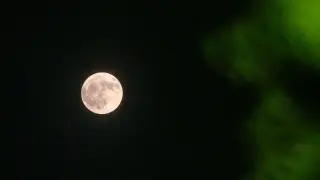
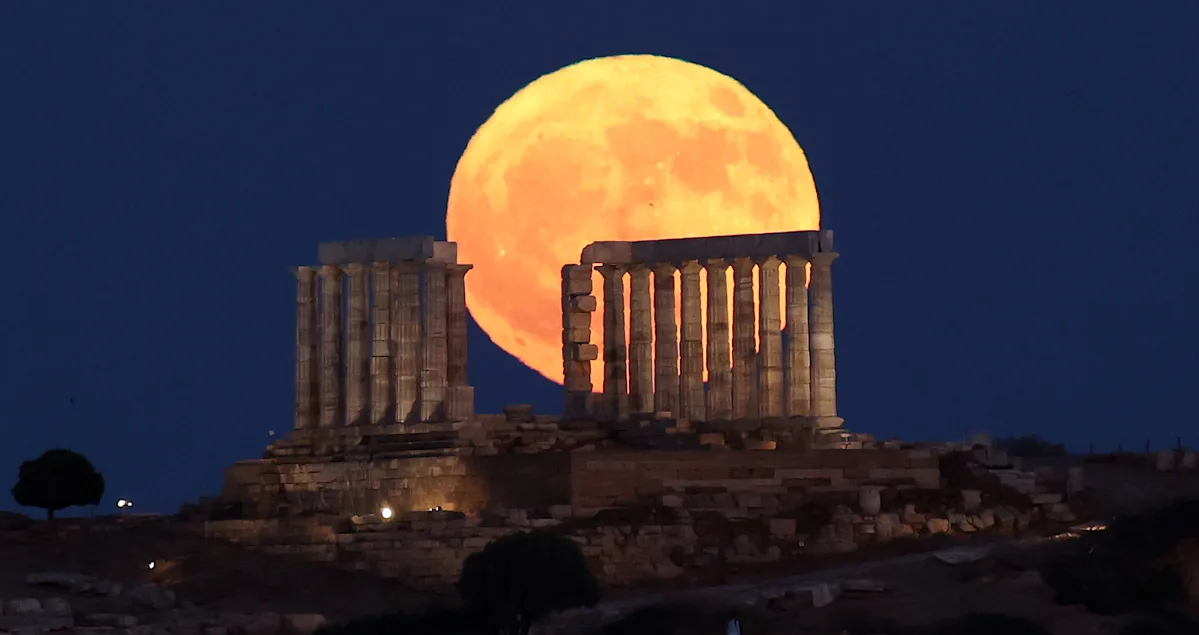
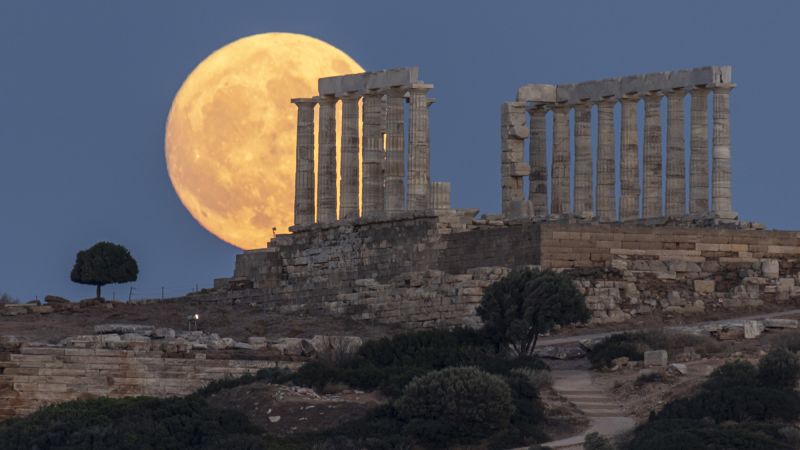
The July full Buck Moon lit up skies around the world on July 29, 2026, with a gallery of striking photos from Türkiye, Canada, the U.S. and Australia, including red-hued scenes from wildfire smoke; Space.com also flags upcoming sky events (the August 12 total solar eclipse and a late-month lunar eclipse) and offers tips on astrophotography gear and viewing opportunities.

Buck Moon 2026 signals a July-to-August eclipse season
space1 month ago

Buck Moon 2026 signals a July-to-August eclipse season

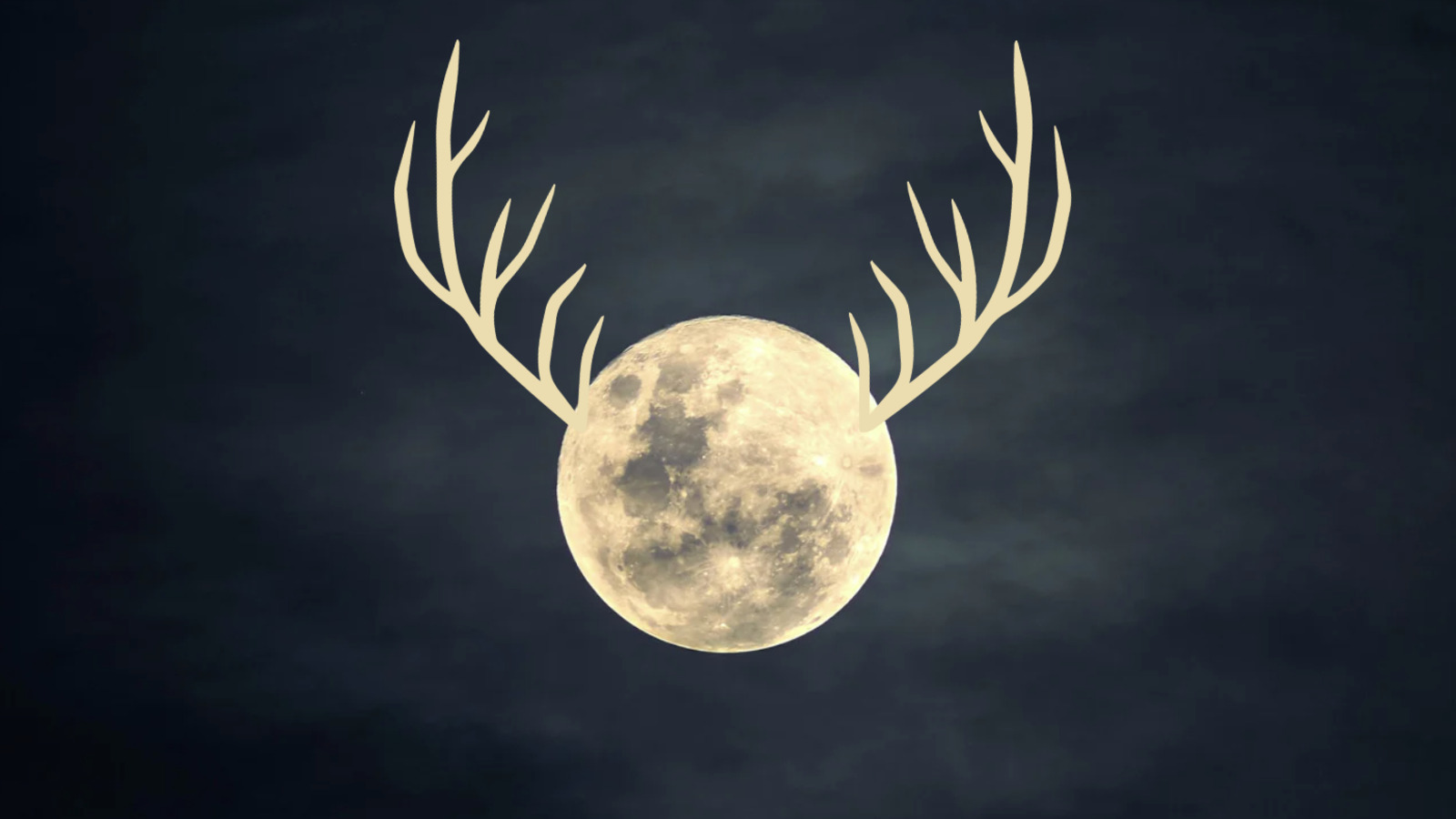
July’s Buck Moon reaches full on July 29, 2026—the second full moon of summer in the Northern Hemisphere—setting the stage for a busy eclipse stretch that includes a total solar eclipse on August 12 and a partial lunar eclipse on August 28. The moon peaks at 10:37 a.m. EDT and remains bright on surrounding nights, with viewing best around southeast moonrise in North America. Named for deer antlers, it’s also called Thunder Moon and Hay Moon, and is among the year’s lowest-hanging full moons in the region. The next full moon, the Sturgeon Moon, rises August 27 and will be partially eclipsed as Earth’s shadow passes over it. Viewing can be done with the naked eye or a telescope, and sky-watchers can expect a continued eclipse season into August.

July's twin meteor showers peak under a bright Buck Moon
science1 month ago

July's twin meteor showers peak under a bright Buck Moon

A double meteor shower peak—Alpha Capricornids and Southern Delta Aquariids—will occur Thursday night into Friday, but the July Buck Moon will hinder visibility for fainter meteors; observers in the Southern Hemisphere may have the best view, with tips like finding high ground and facing north with the Moon behind you. The Perseids will peak later in August.

Buck Moon Sparks a Summer Sky Parade
space1 month ago

Buck Moon Sparks a Summer Sky Parade

July's Buck Moon rises tonight (July 29) at 10:36 a.m. EDT, illuminating the Moon as Venus, Saturn, Mercury and Mars trail in a mini planetary parade across the summer sky; look to the southwestern horizon at sunset for the best view, note the Moon Illusion may make it appear larger near the horizon, and use binoculars or a telescope to spot the planets, with Space.com offering photography tips.

Buck Moon Lights Up July Skies With Wednesday Peak
science-space1 month ago

Buck Moon Lights Up July Skies With Wednesday Peak

July’s buck moon rises in the east and peaks at 10:36 a.m. ET on Wednesday, offering skywatchers a chance to view a bright full Moon from dark, clear skies; the Moon may appear reddish due to smoke from Canadian wildfires, Indigenous groups have different traditional names for it, and the event echoes the ongoing connection to space exploration and NASA’s Artemis II mission.

July 2025 Buck Moon: Viewing Tips and Skywatching Events
science1 year ago

July 2025 Buck Moon: Viewing Tips and Skywatching Events

The July 2025 full moon, known as the Buck Moon, will rise tonight and offers a unique viewing experience due to its proximity to the summer solstice, a Major Lunar Standstill, and aphelion, making it a notable event for skywatchers. It coincides with the time when male deer grow antlers and provides an excellent opportunity to observe lunar features and historic Apollo landing sites. Viewers should check local moonrise times for optimal viewing.

July's Full Buck Moon: When and How to View It
science1 year ago

July's Full Buck Moon: When and How to View It

The July full moon, known as the buck moon, will reach peak illumination on Thursday, with the best viewing times a few hours after sunset, especially in areas with clear eastern horizons. The moon's name reflects the antler growth of male deer during this period, and other indigenous names highlight seasonal changes. Additionally, upcoming celestial events include visible planets Venus, Jupiter, and Mars, as well as significant lunar and solar eclipses in September, marking notable moments in space observation for 2025.