Tag

Alpha Capricornids

All articles tagged with #alpha capricornids

Two July meteor showers to light up Pennsylvania skies with bright fireballs
science17 hours ago

Two July meteor showers to light up Pennsylvania skies with bright fireballs

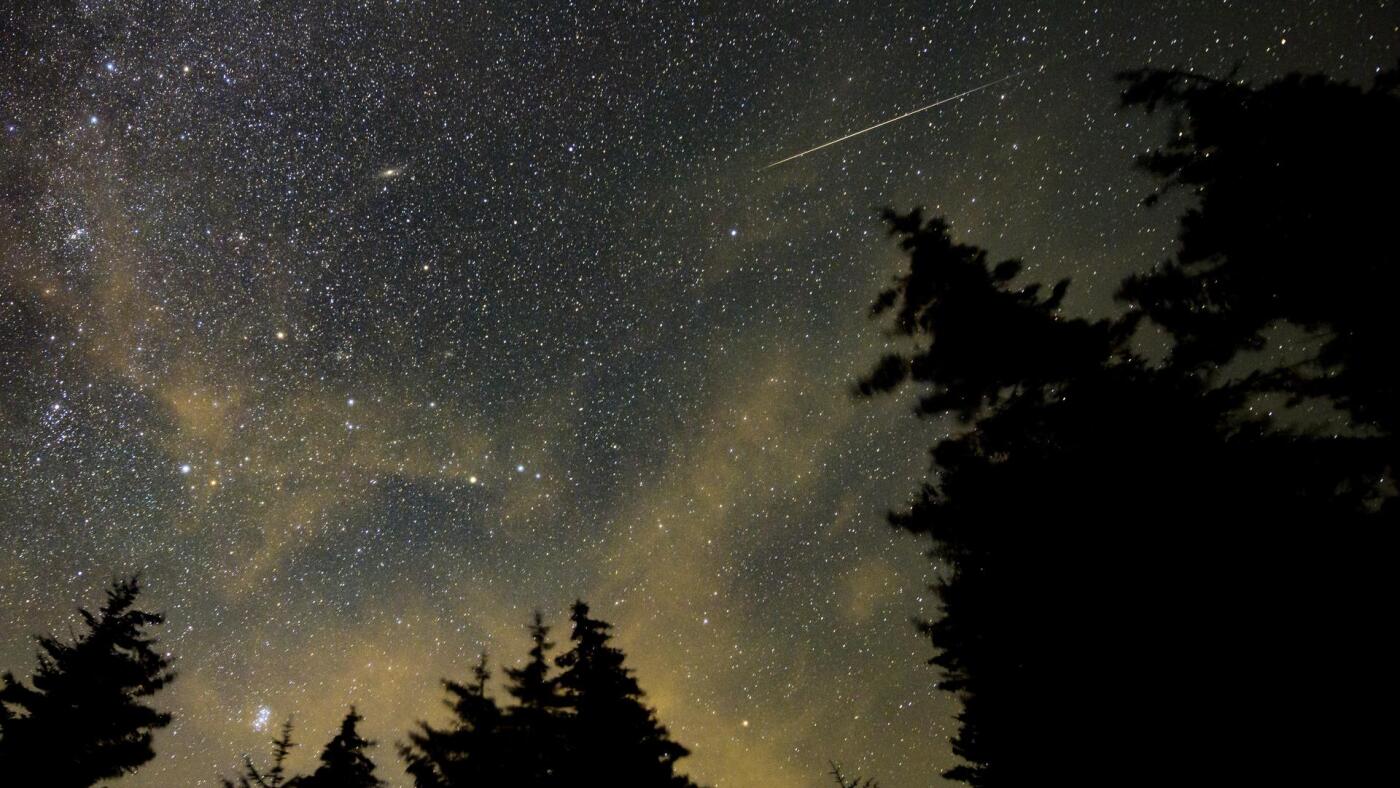
Two overlapping meteor showers—the Alpha Capricornids and Southern Delta Aquariids—are expected to produce up to 30 meteors per hour in Pennsylvania under ideal conditions, with peak viewing the night of July 30 into the early hours of July 31. Best viewing is from 11 p.m. July 30 to dawn July 31, in dark skies away from city lights; a bright full Moon on July 29 could wash out fainter meteors, but brighter fireballs should still be visible. A free public stargazing event is planned July 11 at the Penn State Arboretum.

Late-July Skies Sparkle as Two Meteor Showers Peak
science9 days ago

Late-July Skies Sparkle as Two Meteor Showers Peak

Two meteor showers will illuminate late-July skies: the Southern Delta Aquariids (peaking July 30–31 with about 20 meteors per hour) and the Alpha Capricornids (around 5 per hour). While the Aquariids are best seen from the Southern Hemisphere, they’re visible farther north, though a bright, waning Moon may wash out fainter fireballs. For best viewing, aim about 40 degrees from the radiant; if conditions aren’t ideal, consider July 11 (crescent Moon with the Pleiades and Venus/Mars) and July 17 (crescent Moon with Venus after sunset), with binoculars helping spot the Seven Sisters.

Guide to Watching This Week's Double Meteor Shower Peaks
science11 months ago

Guide to Watching This Week's Double Meteor Shower Peaks

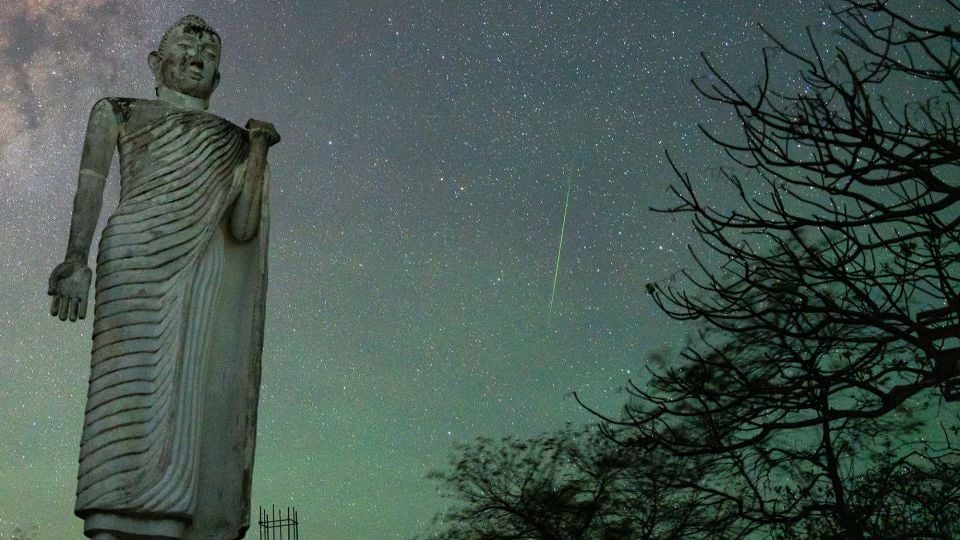
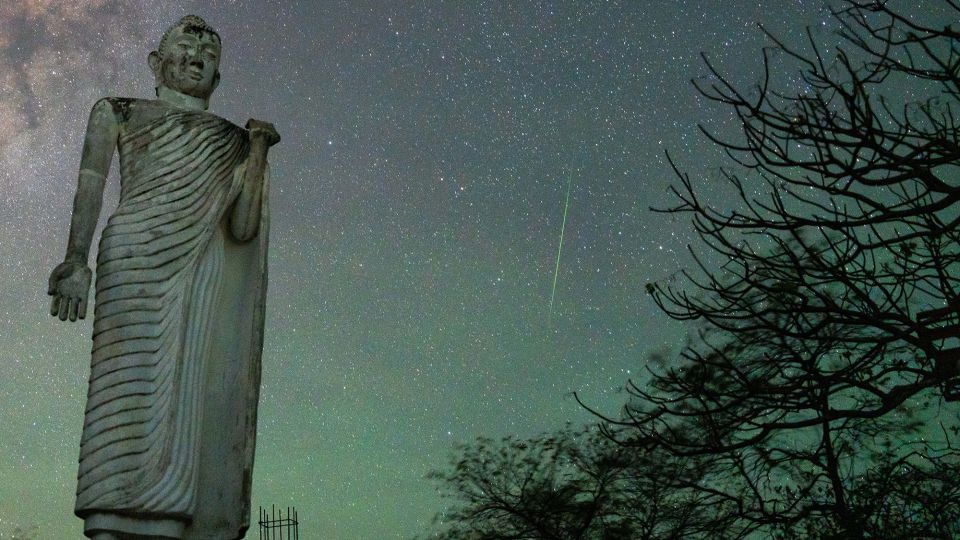
This week offers a great opportunity to observe two major meteor showers, the Alpha Capricornids and Southern Delta Aquariids, with peak activity expected around Tuesday and Wednesday nights, providing a chance to see bright fireballs and numerous meteors, especially in the Southern Hemisphere, while also enjoying other celestial events like full moons and eclipses in 2025.

Guide to Viewing This Week’s Double Meteor Shower
science11 months ago

Guide to Viewing This Week’s Double Meteor Shower

This week, sky-gazers can observe the peak of two meteor showers, the Alpha Capricornids and Southern Delta Aquariids, with the best viewing times around midnight and early morning, especially from the Southern Hemisphere. The showers are visible through August 13, and the week also offers opportunities to see other celestial events like the Perseid meteor shower, full moons, and eclipses. Experts recommend finding dark, high-altitude locations for optimal viewing and encourage reporting sightings to aid scientific understanding.

July's Night Skies to Dazzle with Multiple Meteor Showers
science-and-space2 years ago

July's Night Skies to Dazzle with Multiple Meteor Showers

July kicks off meteor shower season with a double feature on July 30, showcasing the Delta Aquariids and Alpha Capricornids. Skywatchers, especially in southern latitudes, can expect to see a meteor every two minutes during peak hours. The Delta Aquariids will provide up to 25 meteors per hour, while the Alpha Capricornids will offer bright fireballs. Optimal viewing is in dark locations during predawn hours. The Perseid meteor shower in mid-August will also offer a spectacular display.

"Stargazers in Oregon Can Expect Dual Meteor Showers on Tuesday Morning"
astronomy2 years ago

"Stargazers in Oregon Can Expect Dual Meteor Showers on Tuesday Morning"

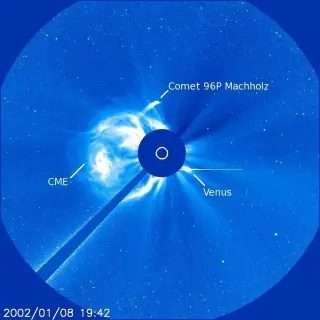
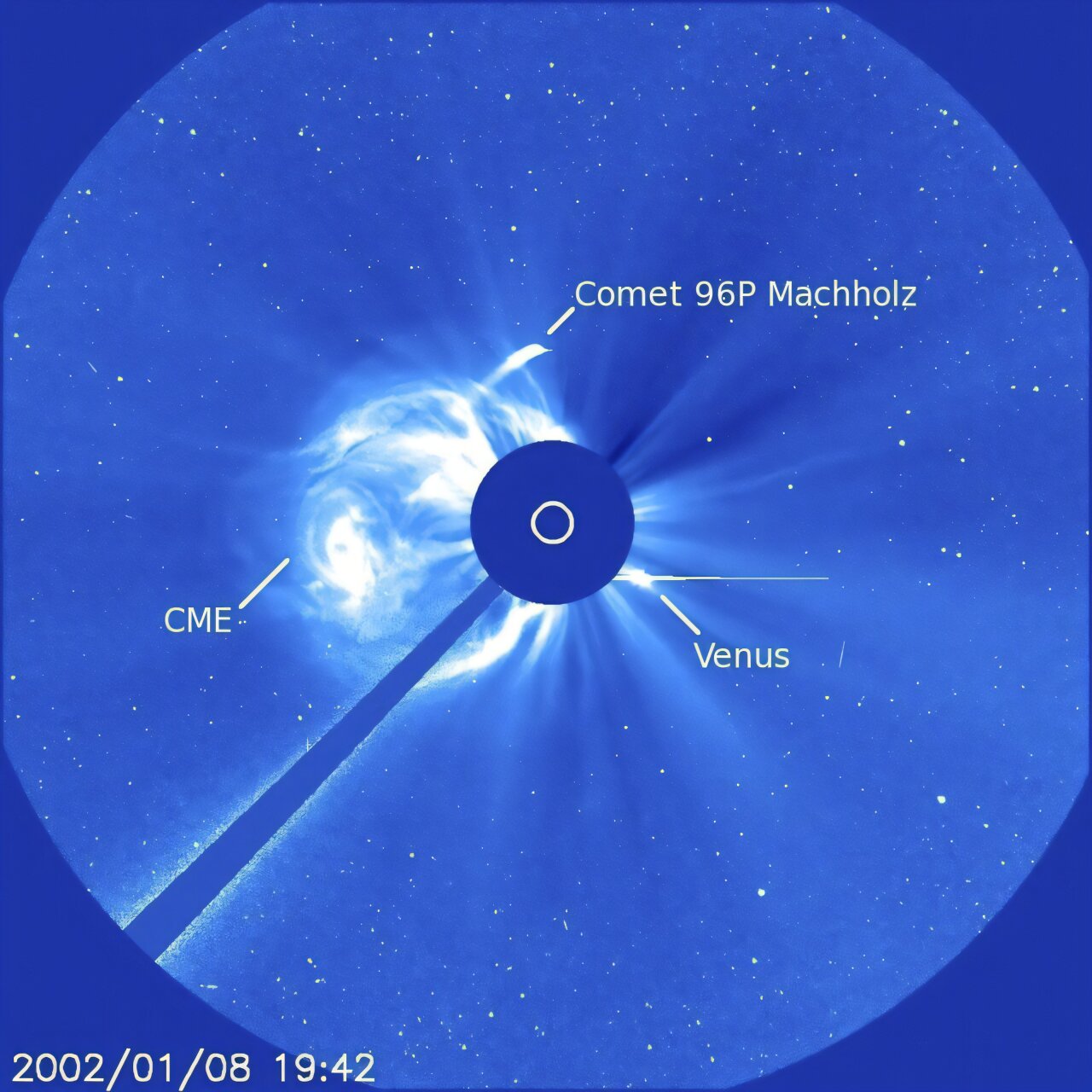
Two meteor showers, the Southern Delta Aquariids and Alpha Capricornids, are set to peak early Tuesday in the Willamette Valley, offering residents from Portland to Eugene a chance to see shooting stars. The Southern Delta Aquariids, suspected to be debris from the comet 96P Machholz, can produce around 20 fireballs per hour, while the Alpha Capricornids, made up of particles from the 169P/NEAT comet, are brighter and easier to spot, with the potential for fireballs that outshine the moon. The best time to view the meteor showers is between 2 to 4 a.m., away from city lights and in an elevated area.