Tag

Sovereign Bonds

All articles tagged with #sovereign bonds

Global Bond Rout Intensifies as Yields Hit Decade Highs
markets8 days ago

Global Bond Rout Intensifies as Yields Hit Decade Highs

U.S. 10-year Treasury yields have reached multi-decade highs, triggering a global bond sell-off that is raising borrowing costs for governments, businesses, and households. While U.S. yields briefly retreated in early October due to doubts about Federal Reserve rate hikes, the broader trend remains upward, with European and Asian markets also experiencing significant pressure. The surge has sparked concerns about a potential European debt crisis, particularly in France, and has led to broad market losses in equities. Analysts note that while some factors like inflation and debt levels explain the moves, the drivers remain mixed and complex across different economies.


G7 debt costs rise as bond yields surge amid geopolitics and energy concerns
global-economy1 month ago

G7 debt costs rise as bond yields surge amid geopolitics and energy concerns

Rising global bond yields since the US–Iran conflict began have pushed up G7 governments' debt financing costs; FT analysis puts the total extra borrowing costs at about $16bn so far, with a forecast of up to $34bn more by end-Q1 2027 if yields stay higher. The US accounts for the largest share (roughly $10.6bn so far and about $21.7bn more if conditions persist), while other big issuers like the UK, Germany, France, Italy and Japan have absorbed the rest. Higher yields reflect inflation risks, energy-supply concerns from Hormuz disruptions, and expanding fiscal spending including defence, infrastructure, green investment, and AI. Even though the increases are small relative to overall budgets, they tighten public finances and could weigh on equity markets and credit if rates continue to rise.

Higher Yields, Higher Debt: The G7's Rough $50B Annual Financing Hit
markets1 month ago

Higher Yields, Higher Debt: The G7's Rough $50B Annual Financing Hit

Higher bond yields since the start of Operation Epic Fury have raised governments’ annual borrowing costs. Alphaville estimates about $50 billion in extra debt service for the G7 this year, with the US bearing the largest share and the UK showing the biggest issuance-cost hit so far (around 71 basis points higher). The calculation compares actual new issuances against what would have been locked in at prewar yields, using both nominal and inflation-linked curves. The total could stay near $50bn if yields stay elevated, though stronger growth could offset the higher debt costs.

Band-Aid Fixes Won't Heal the Treasury Market's Deep Wounds
opinion1 month ago

Band-Aid Fixes Won't Heal the Treasury Market's Deep Wounds

The FT View argues that Scott Bessent's Treasury-market interventions are temporary bandages that fail to fix the deeper causes of market fragility: persistent deficits and inflation. While these moves may momentarily calm sentiment (e.g., supporting long‑dated bonds or currencies), they do not address credibility or debt levels. A sustainable cure requires credible fiscal restraint—aiming for deficits around 3% of GDP and longer-horizon debt management—because, without that, interventions will offer limited relief to long‑term yields and the world’s premier bond market will remain exposed to cyclical pressures.

Iran conflict pushes US borrowing costs to 18‑month highs
economy6 months ago

Iran conflict pushes US borrowing costs to 18‑month highs

Investors are fleeing US debt as the Iran war raises inflation fears, sending two-year Treasury yields to about 3.9% and the 10-year to around 4.38%, the largest moves this year; a $69 billion two-year auction drew weak demand while futures price in fewer Fed rate cuts for longer, with mortgage rates climbing toward 6.3% and borrowing costs rising globally.

US Judge Orders Argentina to Sell 51% Stake in YPF
world1 year ago

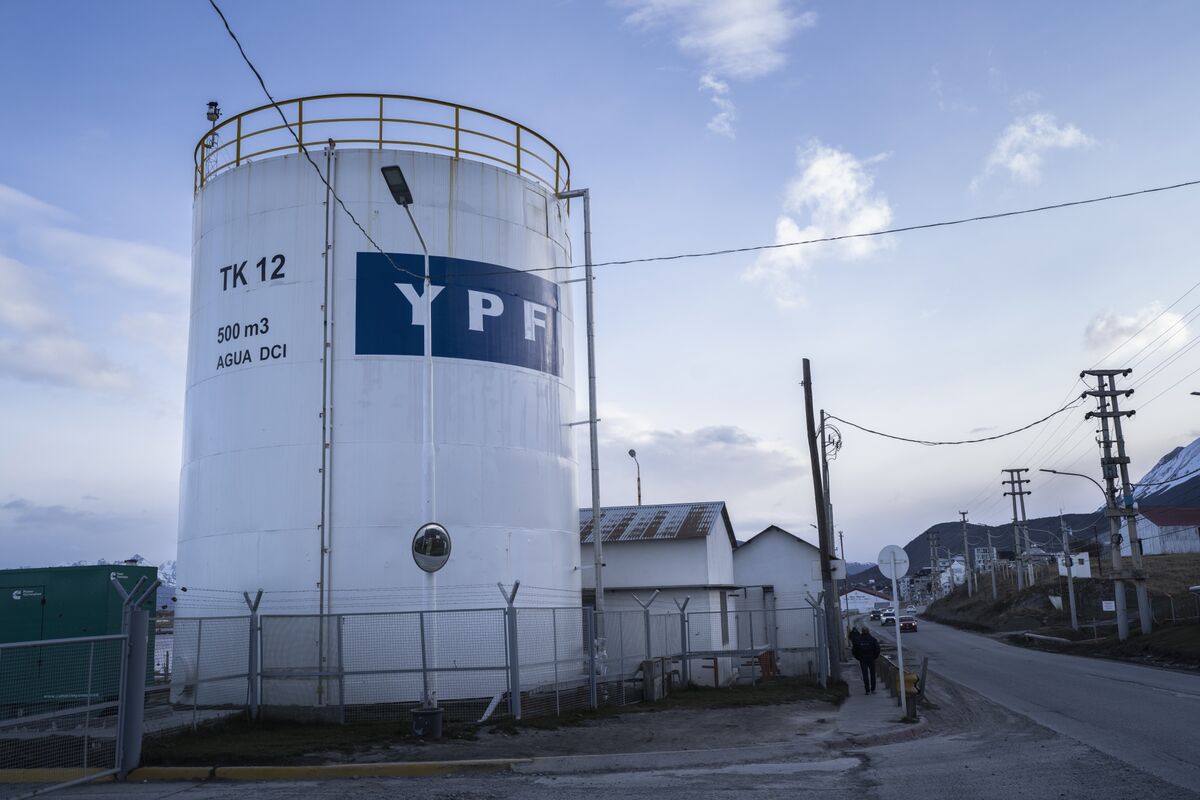
US Judge Orders Argentina to Sell 51% Stake in YPF

Argentina was ordered by a US court to relinquish control of its majority stake in YPF within two weeks to satisfy a $16 billion judgment, a move that challenges President Milei's government and impacts the country's economy and bond prices. The ruling stems from a long-standing dispute over the 2012 nationalization of YPF, with Argentina planning to appeal. The case highlights ongoing legal and economic tensions involving Argentina's sovereignty and foreign investment.

"Utilizing Seized Russian Assets to Rebuild Ukraine: Expert Insights"
finance2 years ago

"Utilizing Seized Russian Assets to Rebuild Ukraine: Expert Insights"

Moody's and S&P Global stated that countries whose sovereign bonds were purchased by Russia would not be considered in default if Western governments decide to confiscate frozen Russian reserves worth $300 billion. The rating agencies' interpretation may allay concerns around default risk, as they do not typically reflect holder-specific considerations and believe that interest payments would continue to be disbursed to other creditors. Russian authorities are privately leaning towards the view that the reserves are all but lost, but are determined to mount a legal challenge and retaliate strongly, while also threatening retaliation such as confiscating Western assets trapped in Russia and breaking off diplomatic relations with foreign powers deemed unfriendly.

Moody's Urges Remote Work as China's Economic Outlook Dims
business2 years ago

Moody's Urges Remote Work as China's Economic Outlook Dims

Moody's Investors Service advised its staff in China to work from home ahead of its announcement cutting the outlook for sovereign bonds to negative in China. The move was likely motivated by fear of government inspections following the rating company's outlook cut. Moody's also told analysts in Hong Kong to temporarily avoid travel to the mainland. China sought to contain any hit to investor sentiment after the announcement by raising support for the yuan and denouncing Moody's understanding of China's economy. The announcement has put a spotlight on China's debt issues and foreign companies have complained about sporadic crackdowns that hurt business sentiment.