Tag

Splashdown

All articles tagged with #splashdown

SpaceX Dragon Returns to Earth with Cancer Research and Sonic Boom
space1 day ago

SpaceX Dragon Returns to Earth with Cancer Research and Sonic Boom

The SpaceX Dragon cargo capsule splashed down in the Pacific Ocean near Los Angeles on Nov. 21, 2026, concluding its 35th commercial resupply mission to the International Space Station. The capsule returned thousands of pounds of cargo, including 3D-bioprinted blood vessels, frozen tumor organoids, and a lighting system tested for astronaut well-being. A sonic boom was heard prior to splashdown, and no live video stream was broadcast.


Crew-12 Astronauts Splash Down in Pacific After 237-Day ISS Mission
space1 month ago

Crew-12 Astronauts Splash Down in Pacific After 237-Day ISS Mission

NASA and SpaceX confirmed the safe return of the Crew-12 astronauts, including Jessica Meir, Jack Hathaway, Sophie Adenot, and Andrey Fedyaev, who splashed down in the Pacific Ocean off California on October 8, 2026. The four-person team completed a 237-day mission aboard the International Space Station, concluding with a deorbit burn and recovery by a ship. This marks the end of Expedition 74 for this crew, as they are replaced by Crew-13, which arrived earlier in October. The return concludes a period of significant spacewalks and scientific research, with Adenot setting a European record for the longest single spaceflight.

Heat shield’s deep-sea postscript: Artemis 2’s fiery relic photographed underwater
space6 months ago

Heat shield’s deep-sea postscript: Artemis 2’s fiery relic photographed underwater

NASA’s Artemis 2 heat shield was photographed underwater after the Orion capsule’s splashdown off San Diego on April 10, 2026. The scorched tiles endured reentry temperatures near 5,000°F (about 2,800°C), and divers captured images of the heat shield as the capsule is prepared for return to Kennedy Space Center for further study ahead of Artemis 3.

Orion heat shield photo dives into data, confirming NASA’s protection during Artemis II
space7 months ago

Orion heat shield photo dives into data, confirming NASA’s protection during Artemis II

US Navy divers photographed Orion’s Avcoat heat shield after Artemis II’s splashdown off San Diego on April 10, 2026; NASA says the image shows significantly reduced charring, addressing earlier concerns raised after Artemis I. The heat shield protected the capsule from about 3,000°C during re-entry at hypersonic speeds, and ongoing inspections and imagery are providing vital data for future missions.

Underwater photos capture Artemis 2 splashdown heat shield in action
space7 months ago

Underwater photos capture Artemis 2 splashdown heat shield in action

Navy divers underwater photos of Artemis 2’s splashdown offer a rare view of the Orion capsule’s heat shield in action; early analysis suggests the heat shield performed well and the ceramic tiles held up, with airborne imagery also aiding review. NASA says minimal char loss was observed and the data will inform checks ahead of Artemis 3 in 2028, as NASA faces broader program challenges highlighted by a Blue Origin setback with its New Glenn rocket.

Navy dive team leads Artemis 2 rescue: first at-sea entry to Orion after lunar splashdown
space7 months ago

Navy dive team leads Artemis 2 rescue: first at-sea entry to Orion after lunar splashdown

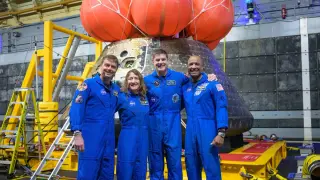
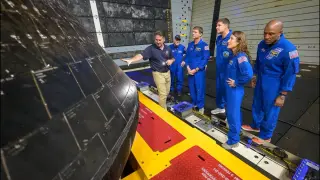
Four U.S. Navy dive-medical technicians aboard the USS John P. Murtha greeted NASA’s Artemis 2 astronauts after their splashdown, becoming the first people to enter NASA’s Orion capsule at sea to perform medical checks and help the crew exit the spacecraft, as the four astronauts—Reid Wiseman, Victor Glover, Christina Koch, and Jeremy Hansen—were stabilized on a recovery platform; the team trained extensively with Orion mockups, marking a new phase in Artemis recoveries.

Artemis 2 heat shield passes return-to-Earth heat test
space7 months ago

Artemis 2 heat shield passes return-to-Earth heat test

Artemis 2’s heat shield, Integrity, withstood Earth’s atmospheric reentry with minimal damage, according to mission commander Reid Wiseman who called the view of the shield’s bottom “wonderful” after a smooth splashdown. NASA kept Artemis 1’s heat-shield design but adjusted the reentry trajectory to reduce heat exposure, and early checks suggest a successful test as the program moves toward future missions that will use different heat-shield designs and include orbital docking tests and later lunar returns.

Artemis II Returns: A Safe Homecoming Signals a New Lunar Era
science7 months ago

Artemis II Returns: A Safe Homecoming Signals a New Lunar Era

NASA’s Artemis II crew—Reid Wiseman, Victor Glover, Christina Koch, and Jeremy Hansen—returned safely to Earth aboard the Orion capsule Integrity after a lunar flyby, sharing their reflections, detailing the six-minute communications blackout during reentry, and highlighting a successful splashdown and recovery as Artemis shifts from testing to ongoing lunar exploration.

Artemis II Crew Returns to Earth in Emotional Welcome Footage
science7 months ago

Artemis II Crew Returns to Earth in Emotional Welcome Footage

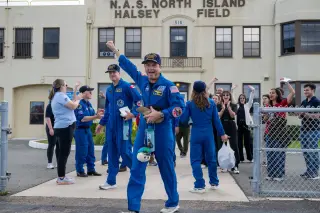
Footage released late Monday shows the Artemis II crew—Commander Reid Wiseman, Mission Specialists Christina Koch and Jeremy Hansen, and Pilot Victor Glover—being greeted by the recovery team after a Pacific splashdown, capturing the moment they returned from a 10-day, nearly 700,000-mile lunar voyage. The crew celebrated with fist bumps and handshakes as they reentered the Orion capsule, then addressed reporters at Ellington Field in Houston.

Artemis II seals historic lunar return with Pacific splashdown
space7 months ago

Artemis II seals historic lunar return with Pacific splashdown

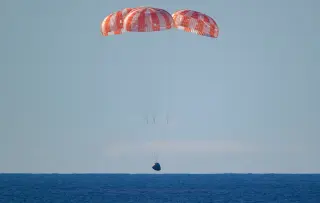
Artemis II completes humanity’s first lunar round trip in over 50 years, ending with a Pacific splashdown of the Orion capsule 'Integrity' after an automated, high-speed descent; the crew—Reid Wiseman, Victor Glover, Christina Koch and Jeremy Hansen—witnessed lunar far-side views, a solar eclipse, and Earth from space, paving the way for the next crewed Moon landing and a permanent lunar base later this decade, with recovery by the US Navy off California.