Tag

Stellar Physics

All articles tagged with #stellar physics

Study Reveals White Dwarfs Can Appear Green, Pink, and Purple Due to Dense Atmospheres
science1 month ago

Study Reveals White Dwarfs Can Appear Green, Pink, and Purple Due to Dense Atmospheres

A new study published in RAS Techniques and Instruments reveals that white dwarf stars, the dense remnants of dying stars, can appear in colors beyond the traditional white or blue. Researchers found that atmospheric density and chemical composition, rather than just temperature, dictate these hues. The study identifies the first known green star and the reddest recorded star, challenging previous assumptions about stellar color.
Warwick Astronomers Identify First Green Star and Reddest White Dwarf in Universe
science1 month ago

Warwick Astronomers Identify First Green Star and Reddest White Dwarf in Universe

A study by University of Warwick researchers reveals that white dwarfs can appear green, pink, or yellow due to dense atmospheres altering light absorption. The team identified WD J1330+6435 as the first known green star and WD J1011+2845 as the reddest recorded, challenging the assumption that stellar color is determined solely by temperature.

Mysteries Unveiled: New Celestial Phenomena Challenge Our Understanding of the Galaxy
science1 year ago

Mysteries Unveiled: New Celestial Phenomena Challenge Our Understanding of the Galaxy

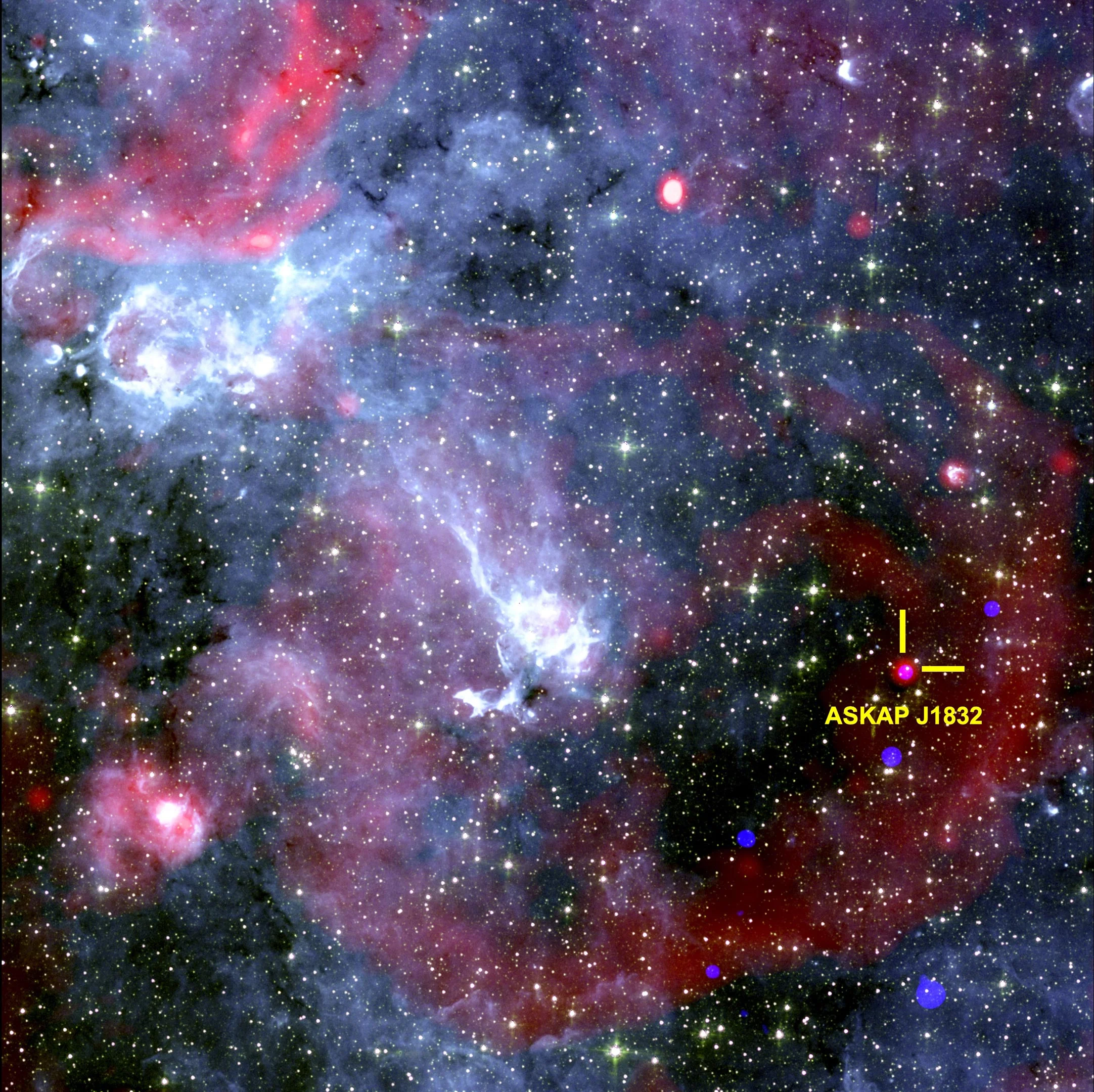
Astronomers have discovered a unique cosmic object, ASKAP J1832-0911, 15,000 light-years away in the Milky Way, that emits both radio waves and X-rays in a 44-minute cycle, potentially revealing new physics or stellar evolution models. The simultaneous detection by radio and X-ray telescopes suggests many more such objects may exist, challenging current understanding of stellar phenomena.

"Unveiling the Enormous Size of the Universe's Largest Star"
astronomy2 years ago

"Unveiling the Enormous Size of the Universe's Largest Star"

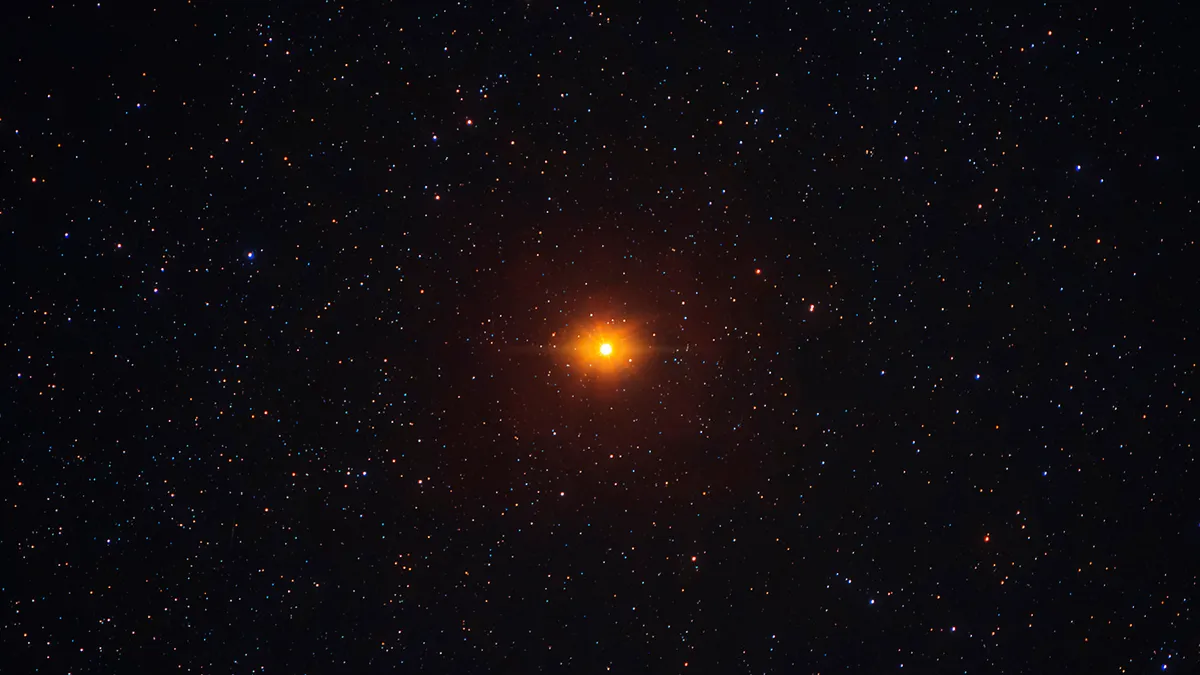
UY Scuti, a red supergiant star, holds the title of the largest known star in the universe, with a radius about 1,700 times larger than that of our Sun. Its immense size challenges our understanding of stellar physics, and if placed at the center of our solar system, it would engulf the orbits of Mercury, Venus, Earth, Mars, and potentially even Jupiter. Eta Carinae, a luminous blue variable star, is the brightest star in the universe in terms of intrinsic luminosity, while R136a1, located in the Large Magellanic Cloud, is currently the heaviest star, challenging previous theories on stellar mass limits.