On Holding shares fell 22% after the company missed Q2 sales targets and lowered its growth outlook. The decline reflects investor concerns about slower revenue growth, despite strong margins and direct-to-consumer performance in prior quarters.
SoFi reported record Q2 revenue of $1.21 billion (up 43% year over year) and raised its full-year 2026 revenue guidance to $4.75–$4.85 billion, while keeping EBITDA around $1.6 billion and adjusted EPS near $0.60; CEO Anthony Noto called 2026 a defining year as the company shows durable growth, even as shares fell in pre-market trading.
Super Micro Computer (SMCI) unveiled a plan to raise about $7 billion through a mix of roughly $5 billion in underwritten equity offerings and a $2 billion at-the-market program (starting no earlier than Q3) to fund AI server components, debt repayment, capital expenditures, and other corporate uses. The move comes as demand for Nvidia-powered AI servers supports ~$39 billion in orders, but the stock slid about 9% after hours amid execution concerns and competition from Dell and HPE. JPMorgan Chase, Goldman Sachs, and Citigroup lead the financing, and SMCI also disclosed risk details tied to the March indictment of co-founder Wally Liaw (though SMCI wasn’t named in the case).
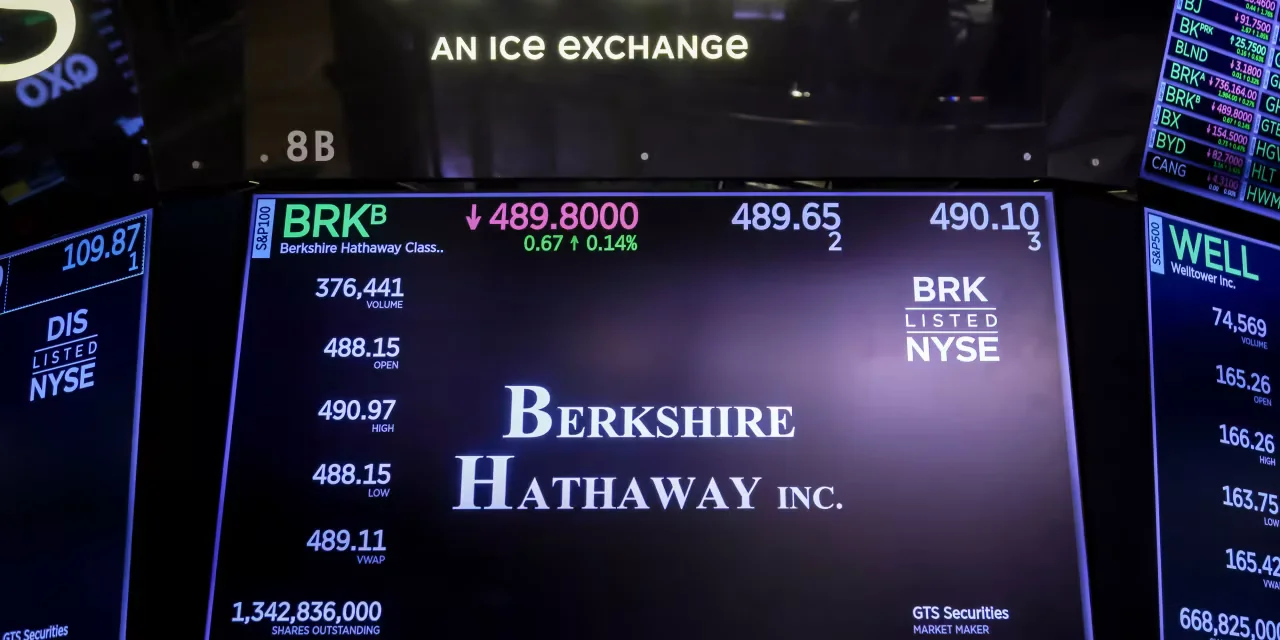
Berkshire Hathaway’s stock fell about 5% after a fourth-quarter report showing operating profits down 30% and a more-than-50% drop in insurance underwriting income. The company did not buy back stock or signal a near-term dividend, while cash reserves climbed to a record $373 billion. Abel’s inaugural shareholder letter and the absence of a quarterly earnings call left investors underwhelmed, with analysts trimming 2026–27 estimates.
Novo Nordisk’s next‑gen weight‑loss drug CagriSema failed to meet its primary endpoint in a late‑stage trial, delivering 23% average weight loss over 84 weeks versus 25.5% for Eli Lilly’s tirzepatide, prompting a sharp stock drop and renewed investor skepticism. The company plans a higher‑dose study and continues pursuing approval based on earlier data, while analysts noted the result as a setback for its obesity‑drug ambitions.
Stellantis disclosed a 22-billion-euro charge to overhaul its business to accelerate its electric and hybrid-vehicle rollout, blaming overestimation of the energy transition pace and prior execution issues. As part of a reset, it will pause its 2026 dividend and issue up to 5 billion euros in bonds while pursuing a large U.S. investment that will add 5,000 jobs. The company still targets mid-single-digit revenue growth and a low-single-digit margin rise in 2026, after signaling a likely 2025 net loss and noting a sharp drop in its shares.
The Trump administration canceled all 31 Treasury Department contracts with Booz Allen Hamilton—about $4.8 million in annual outlays and $21 million in long-term commitments—as part of a broader push to root out waste, fraud, and abuse. The decision followed concerns over safeguarding sensitive data after a Booz Allen contractor leaked tax returns, and Booz Allen shares fell roughly 11% as investors weighed potential broader cuts to federal contracting.
Ubisoft announced a major reorganization into five genre-led divisions, canceled six games (including a Prince of Persia remake) and delayed seven others, and cut its 2026 outlook, while closing studios and signaling tighter costs, sending its shares to multi-year lows.
Advanced Micro Devices (AMD) shares have fallen nearly 20% since late October due to sentiment rather than fundamentals, despite strong Q3 results and positive revenue growth revisions. With a forward P/E below 15 for FY2028 and accelerating AI industry tailwinds, AMD stock is viewed as a highly attractive buying opportunity.
Netflix's stock declined despite the success of 'Stranger Things' as the company faces challenges in completing its $72 billion acquisition of Warner Bros. assets, with delays due to antitrust issues and rival bids, while upcoming earnings may influence its stock performance.
Palantir's stock fell nearly 6% at the start of 2026 due to a broader software sector decline, profit-taking after a 138% rise in 2025, and possible links to Elon Musk's Tesla performance. Despite the drop, Palantir remains highly valued, with potential for continued growth if it sustains its AI-driven expansion.
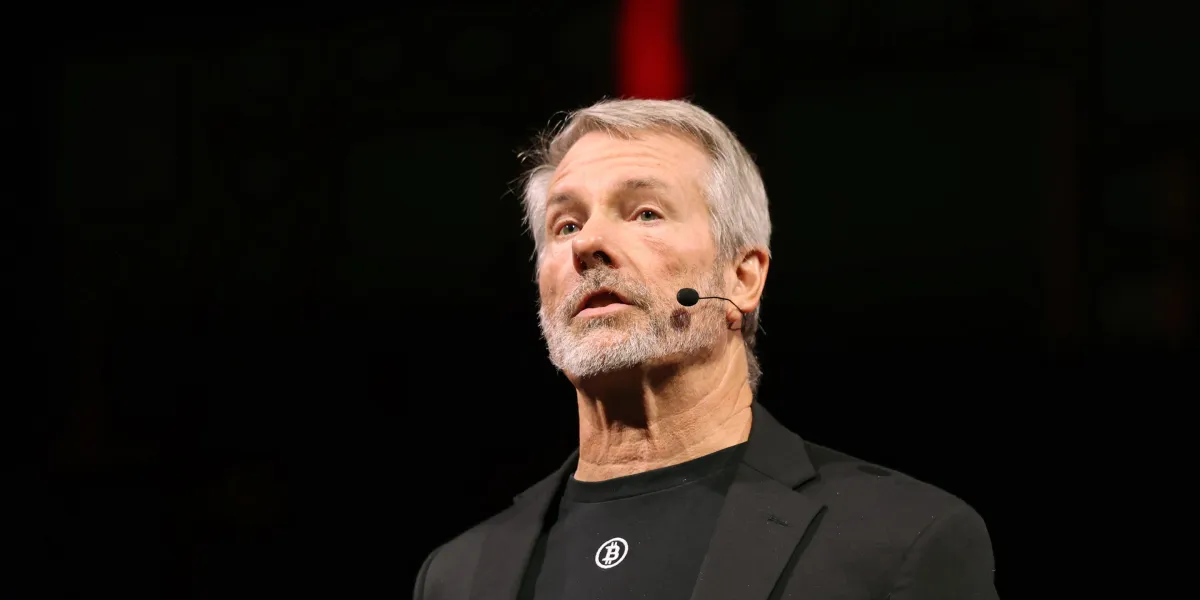
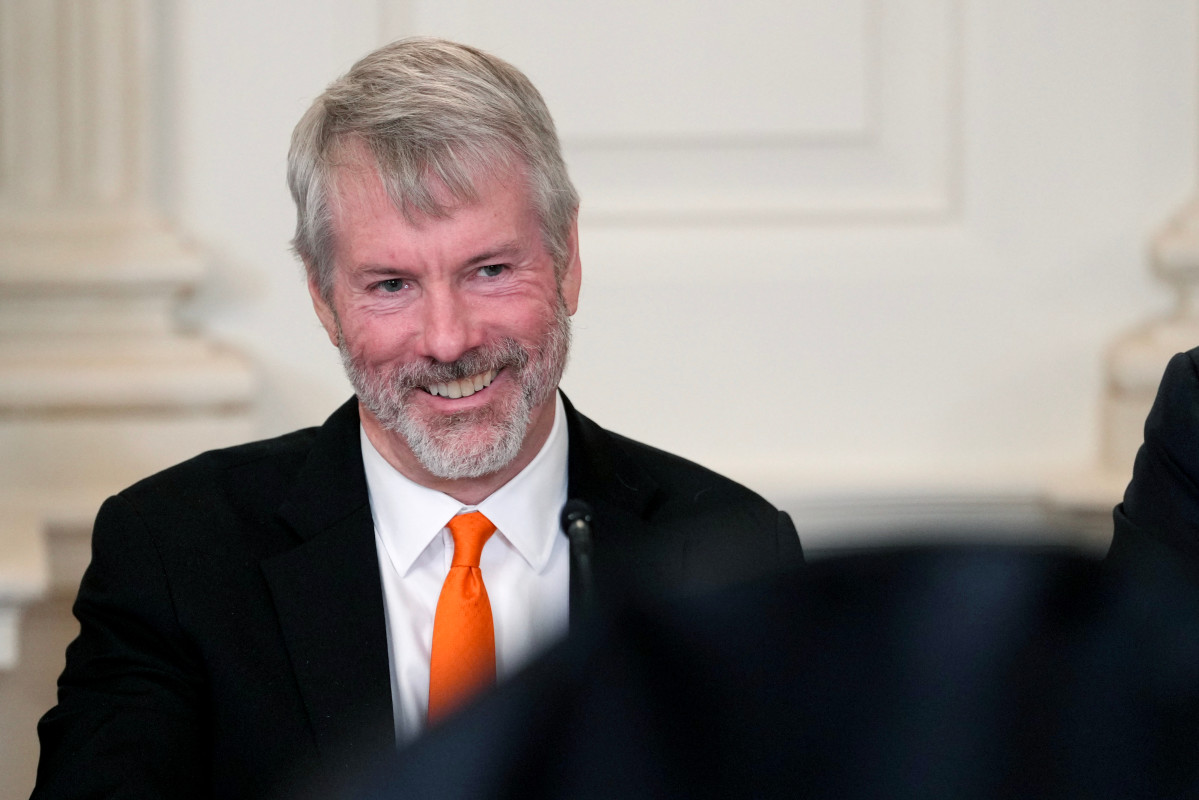
Strategy, Michael Saylor's Bitcoin treasury company, faces a critical threshold where its market value is close to or below the value of its Bitcoin holdings, with its market cap at $47 billion and Bitcoin worth nearly $60 billion, raising concerns about its valuation and investor confidence.
MicroStrategy, led by Michael Saylor, experienced a significant stock decline at the end of 2025, despite holding the world's largest Bitcoin treasury worth around $59 billion. The company's stock fell over 50% in three months due to market pressures, risks of delisting, and dilution from Bitcoin purchases, although it increased its cash reserves to support dividends and manage Bitcoin volatility.
Warner Bros. Discovery's shares dropped over 2% amid reports that Paramount Skydance may abandon its $30 per share takeover bid and consider legal action due to disputes over negotiation handling and potential conflicts of interest, adding uncertainty to the company's strategic review.
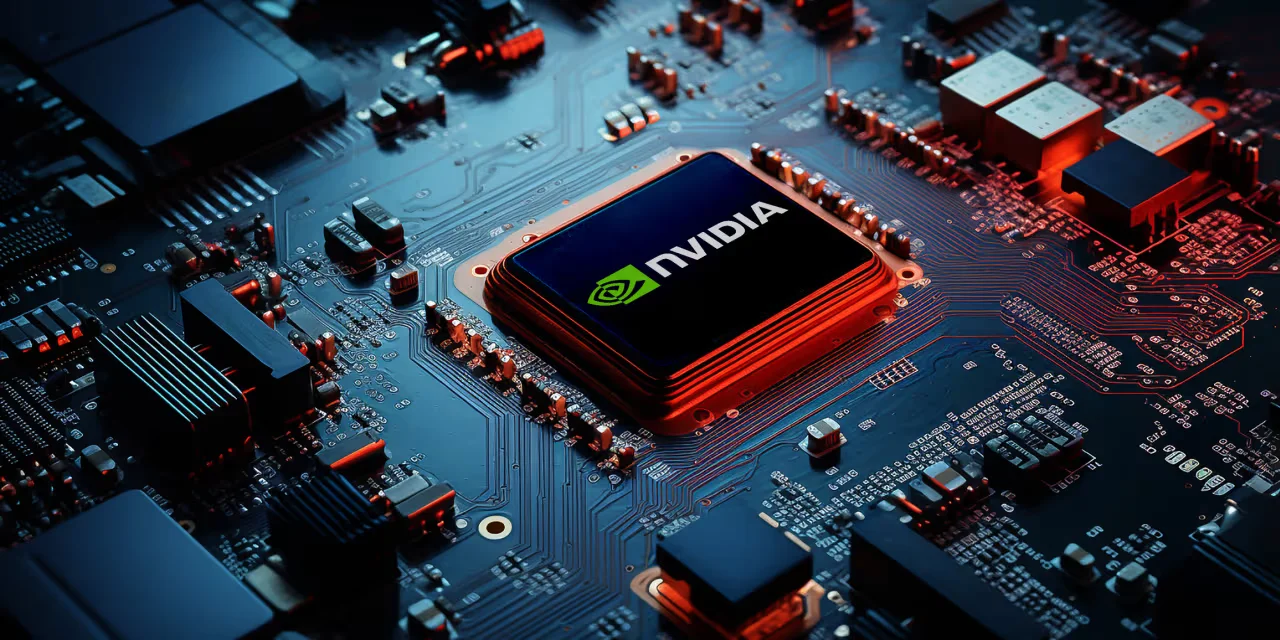
Intel's stock dropped 2.3% after Nvidia abandoned plans to use Intel's 18A chip production process, undermining hopes for Intel's manufacturing revival. Nvidia's decision, despite previously testing Intel's process and taking a $5 billion stake, signals ongoing manufacturing challenges for Intel and impacts investor confidence. Nvidia's stock, however, continues to rally, reflecting strong demand and positive market sentiment.