Virgin Galactic reveals its next-generation spaceship and warns of a long, costly test program as cash reserves have fallen to $338 million. The company aims for its first flight with the new ship in summer 2026 and to enter service by late 2026/early 2027, but profitability hinges on rapidly scaling up flights before funds run out.
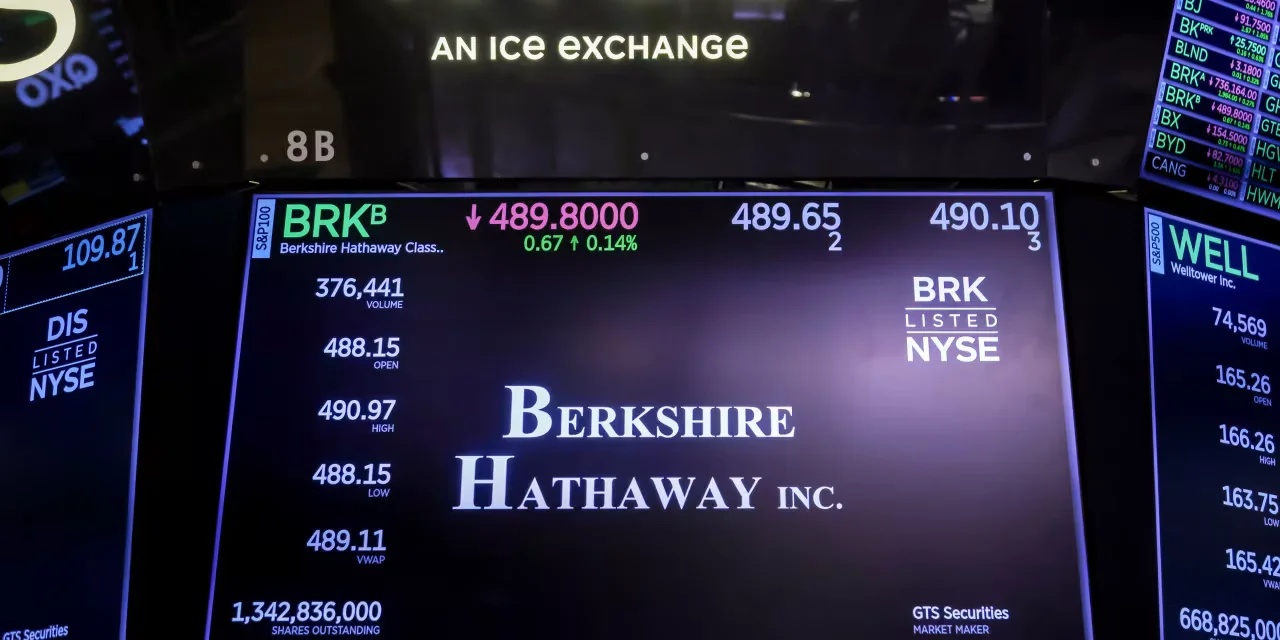
Berkshire Hathaway’s stock fell about 5% after a fourth-quarter report showing operating profits down 30% and a more-than-50% drop in insurance underwriting income. The company did not buy back stock or signal a near-term dividend, while cash reserves climbed to a record $373 billion. Abel’s inaugural shareholder letter and the absence of a quarterly earnings call left investors underwhelmed, with analysts trimming 2026–27 estimates.
Berkshire Hathaway’s Q4 operating earnings fell 30% to about $10.2 billion, but a $1.56 billion noncash goodwill impairment tied to Pilot and three other units — disclosed in the 2025 10-K — likely makes the headline drop look worse; adjusting for impairment and other one-offs brings the decline closer to 20%. There were no stock buybacks in Q4 2025 or January 2026, and Berkshire holds a near-record $373 billion in cash that could approach $400 billion by year-end 2026 after a small Occidental acquisition. The slide was driven mainly by a 54% drop in insurance underwriting profits to $1.6 billion, with Geico’s unit details not broken out. Buffett, now chairman, has stepped back from daily management as Abel leads and continues a dividend-averse stance, while the stock trades near 20x projected 2026 operating earnings amid a cautious growth outlook.
Buffett, in the final stretch of Berkshire Hathaway's leadership, says he's ready to spend as much as $100 billion on a truly sizable deal, but finds no 2025 opportunities at sensible prices despite a record $381.6 billion cash pile; Berkshire did close the $9.7 billion OxyChem acquisition, and new CEO Greg Abel will face pressure to deploy capital as shares lag.
Apollo is reducing risk and increasing cash reserves in anticipation of potential market turmoil, indicating a cautious approach to upcoming economic uncertainties.
Berkshire Hathaway continued to sell stocks and increase its cash reserves, which now exceed $380 billion, while avoiding share buybacks for the fifth consecutive quarter. The company's earnings improved, driven by strong insurance underwriting profits, but its stock performance has lagged the broader market. This marks Warren Buffett's final earnings report before his planned retirement at the end of the year.
Warren Buffett's Berkshire Hathaway reported a strong quarter with a 34% increase in operating income to $13.5 billion and a record cash reserve of over $350 billion, despite selling $12.5 billion worth of stocks and not buying back shares for the fifth consecutive quarter, indicating a cautious approach to investments as Buffett prepares to step down as CEO.
Berkshire Hathaway's cash reserves hit a record $382 billion in Q3, with operating earnings up 34%, driven by strong insurance profits, though investment income declined and share buybacks were paused, signaling cautious optimism as Buffett prepares to hand over CEO duties.
Warren Buffett is reportedly selling stocks in anticipation of a market downturn, building up a record cash reserve, and may buy back shares like Apple at lower prices once valuations decline, following his historical pattern of preparing for recessions.
Investors holding cash in anticipation of a bear market should consider a disciplined approach, such as dollar-cost averaging and gradually buying quality dividend and large-cap tech stocks during market dips, while avoiding panic and maintaining a diversified portfolio to capitalize on potential downturns.
A study by JPMorgan Chase Institute shows that more Americans are moving their money from traditional checking and savings accounts into investment vehicles like brokerage accounts and money market funds, leading to an overall increase in household cash reserves despite low growth in traditional accounts, possibly driven by higher interest rates and economic resilience.
Berkshire Hathaway has accumulated a record $325 billion in cash, leading to speculation about Warren Buffett's market outlook. However, analyst Nir Kaissar suggests Buffett's strategy is not about predicting market downturns but rather focusing on long-term returns and asset allocation based on expected returns. Historically, Buffett increases cash reserves when stock valuations rise and deploys capital when opportunities arise. The current high market-to-GDP ratio suggests lower future returns, aligning with Buffett's strategy of maintaining cash for future investments. The cash reserve may also relate to succession planning or potential acquisitions.
Warren Buffett's Berkshire Hathaway has been selling significant portions of its stock holdings, including a quarter of its Apple shares, to increase its cash reserves, which have reached a record $320.3 billion. This move is partly due to Buffett's cautious view of the stock market, as the market's value has soared to nearly double the U.S. GDP, a level he previously warned against. The "Buffett Indicator" suggests the market may be overvalued, prompting Buffett to stockpile cash for potential future opportunities.
Warren Buffett has amassed a record $325 billion cash reserve for Berkshire Hathaway, halting stock buybacks and reducing key holdings like Apple and Bank of America. This move is attributed to a lack of attractive investment opportunities as stock valuations soar, with the market reaching unprecedented highs. Speculation suggests Buffett is preparing for a leadership transition to Greg Abel, safeguarding his legacy, or anticipating a market downturn, allowing him to capitalize on future investment opportunities.
Warren Buffett's investment strategy emphasizes patience, simplicity, and a focus on steady, predictable growth. With Berkshire Hathaway holding a record $168 billion in cash and short-term investments, Buffett's patient approach suggests he may be waiting for market volatility to subside and for potential actions from the Federal Reserve before making his next move. Investors seeking Buffett-like returns may consider buying shares in Berkshire Hathaway to gain exposure to his strategic choices in a passive way.