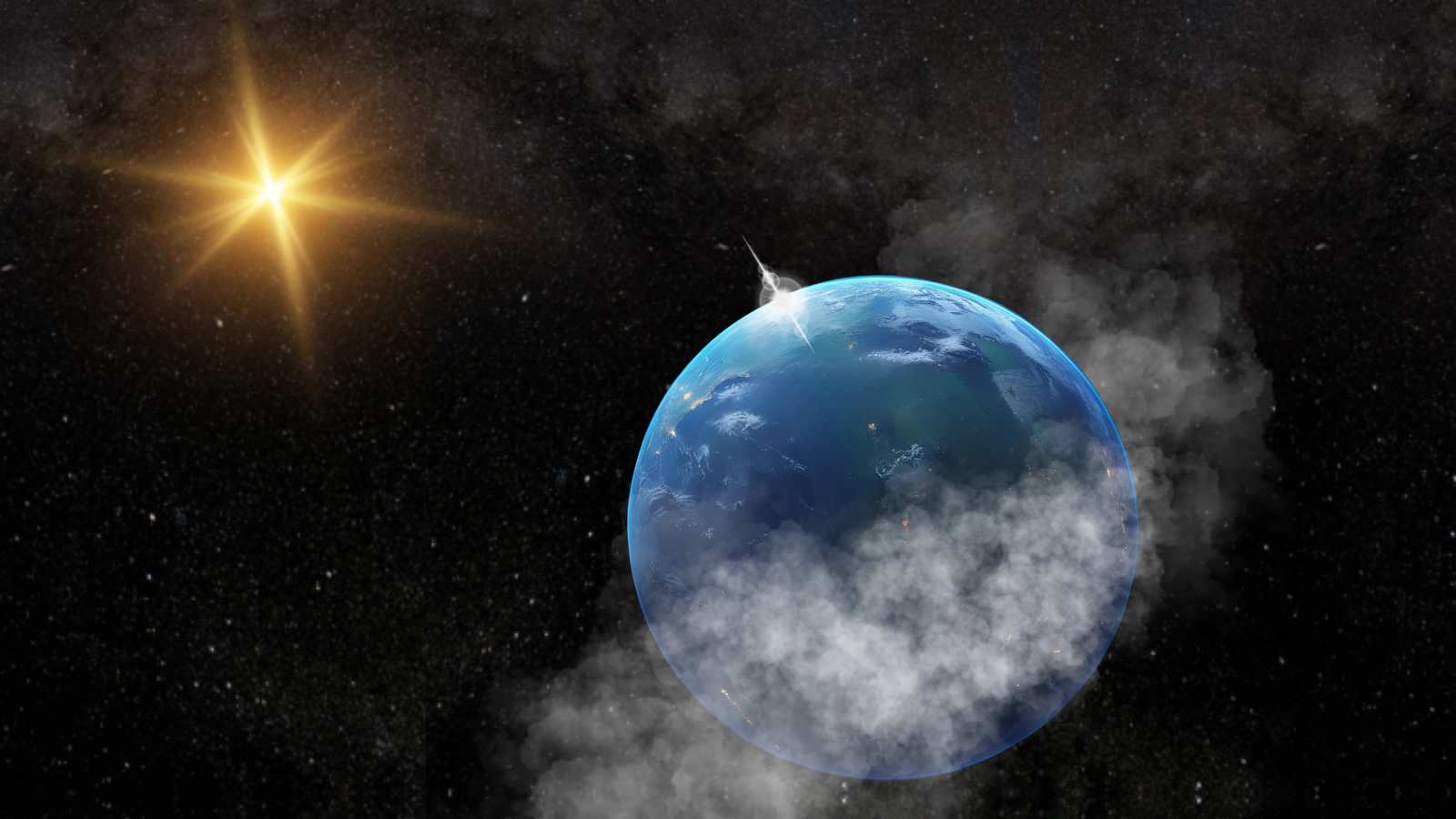
Sub-Neptunes: The Galaxy’s Most Common Planet Type, Yet Absent from Our Solar System
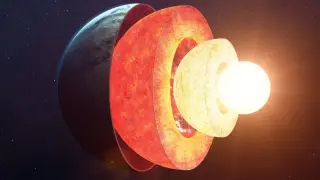
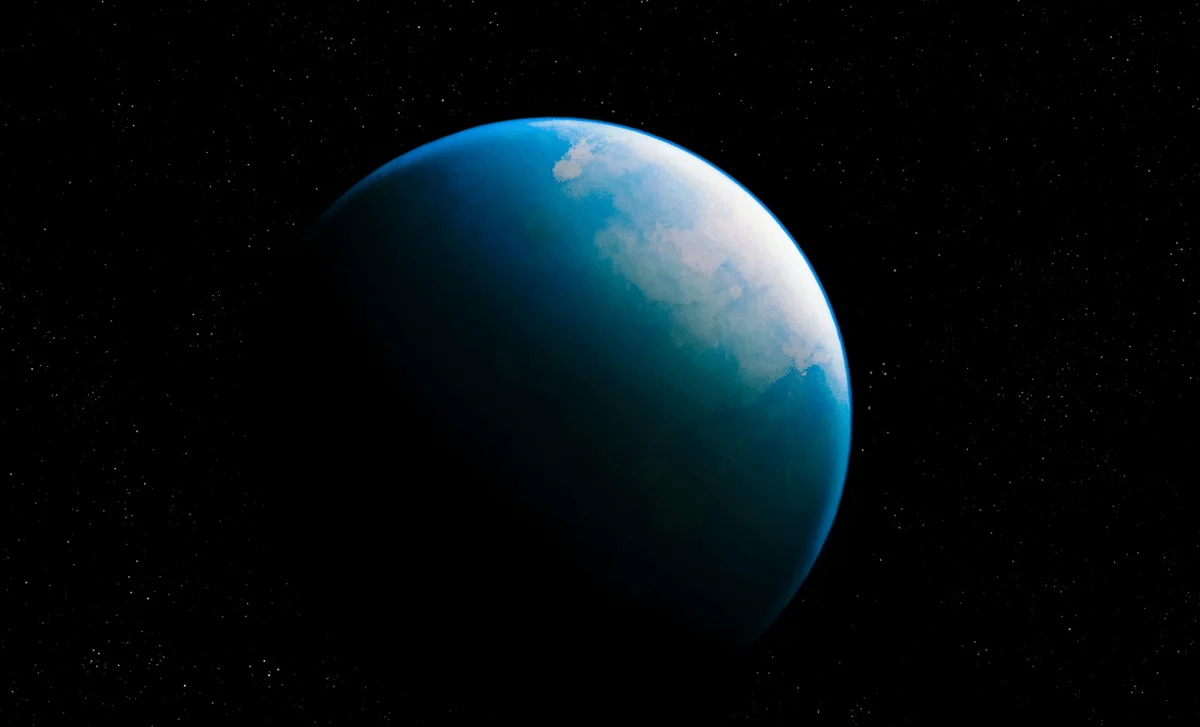
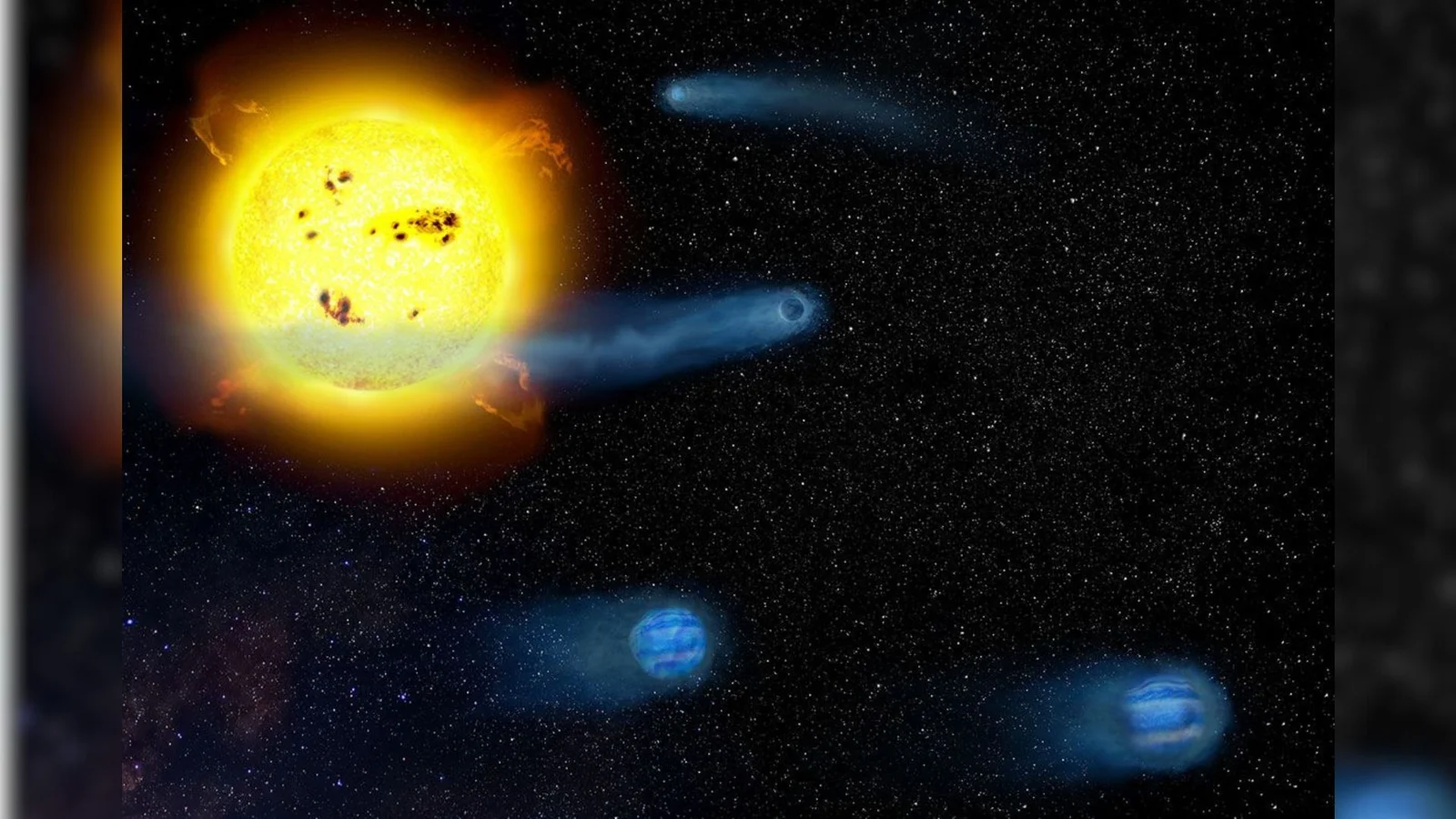
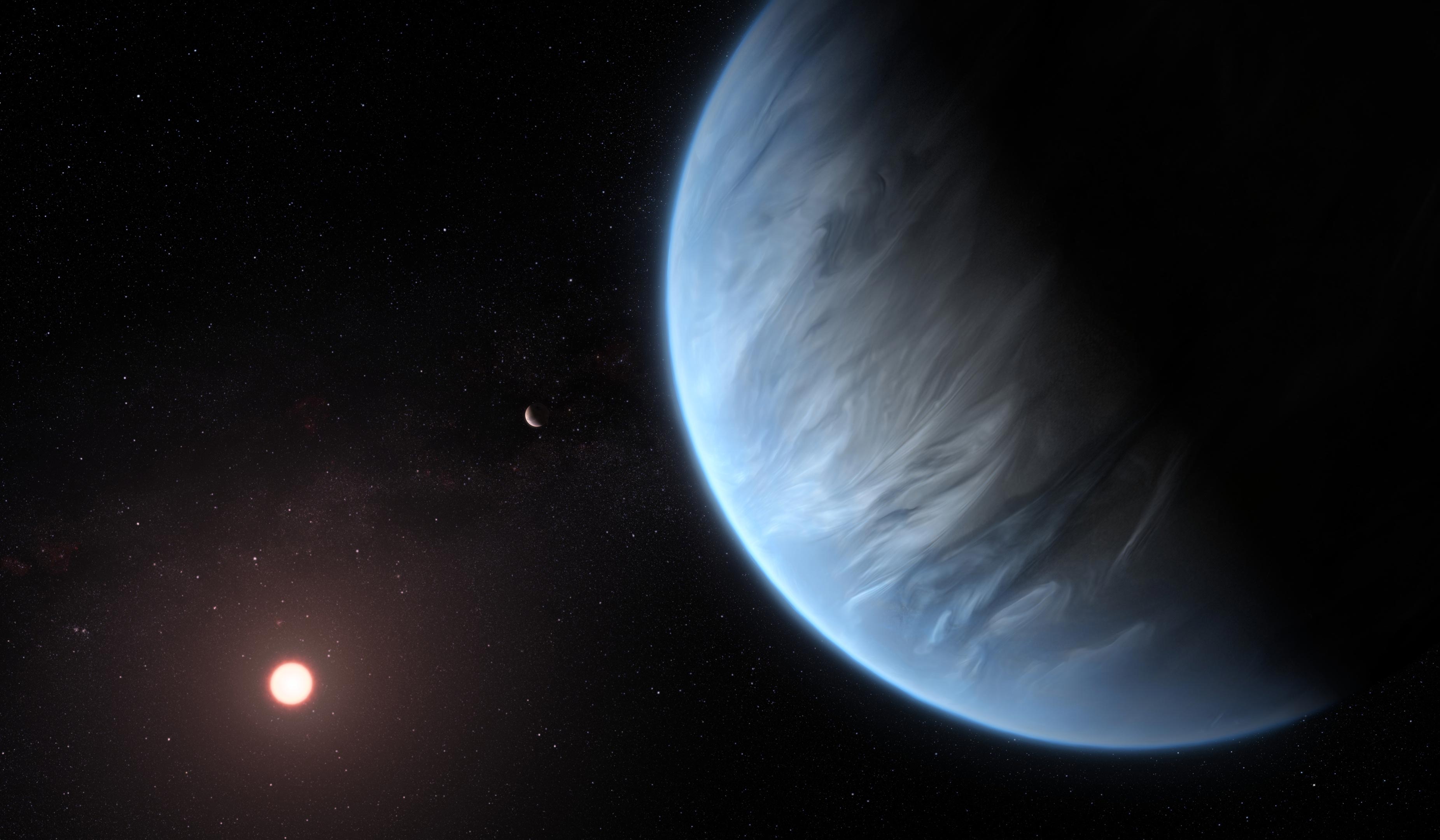
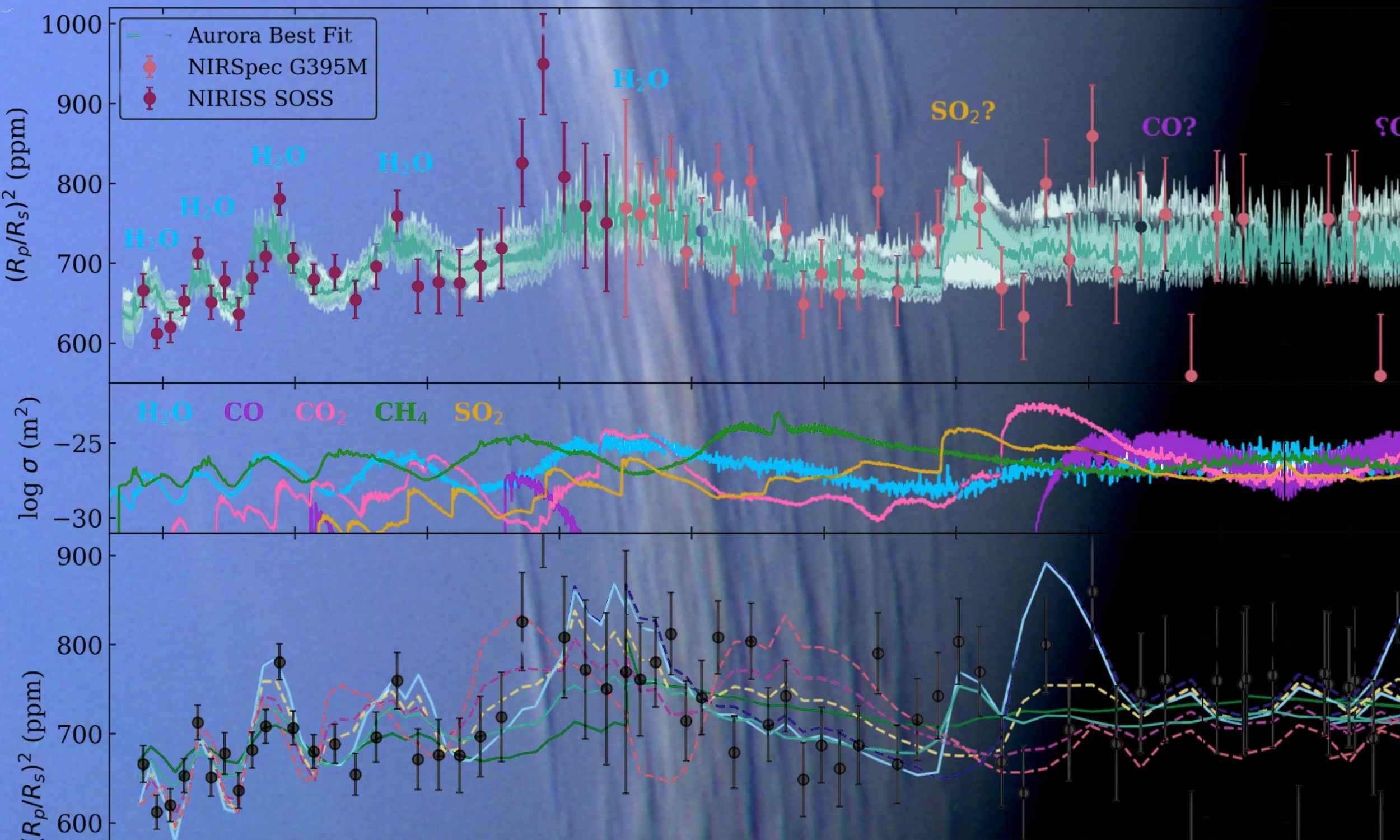
Sub-Neptunes—planets larger than Earth but smaller than Neptune—emerge as the Galaxy’s most common type, yet no such world orbits the Sun. Their interiors can range from rocky cores with thin hydrogen envelopes to water-rich or thick atmospheres, and similar bulk densities can hide very different compositions. A radius gap between roughly 1.5–2 Earth radii helps constrain formation, but atmospheric data are still muddled by clouds and hazes, making interiors hard to pin down. The upcoming JWST and next-generation telescopes should sharpen atmospheric measurements and population studies, shedding light on planet formation and why our Solar System is missing this dominant class.