Tag

Sun Synchronous Orbit

All articles tagged with #sun synchronous orbit

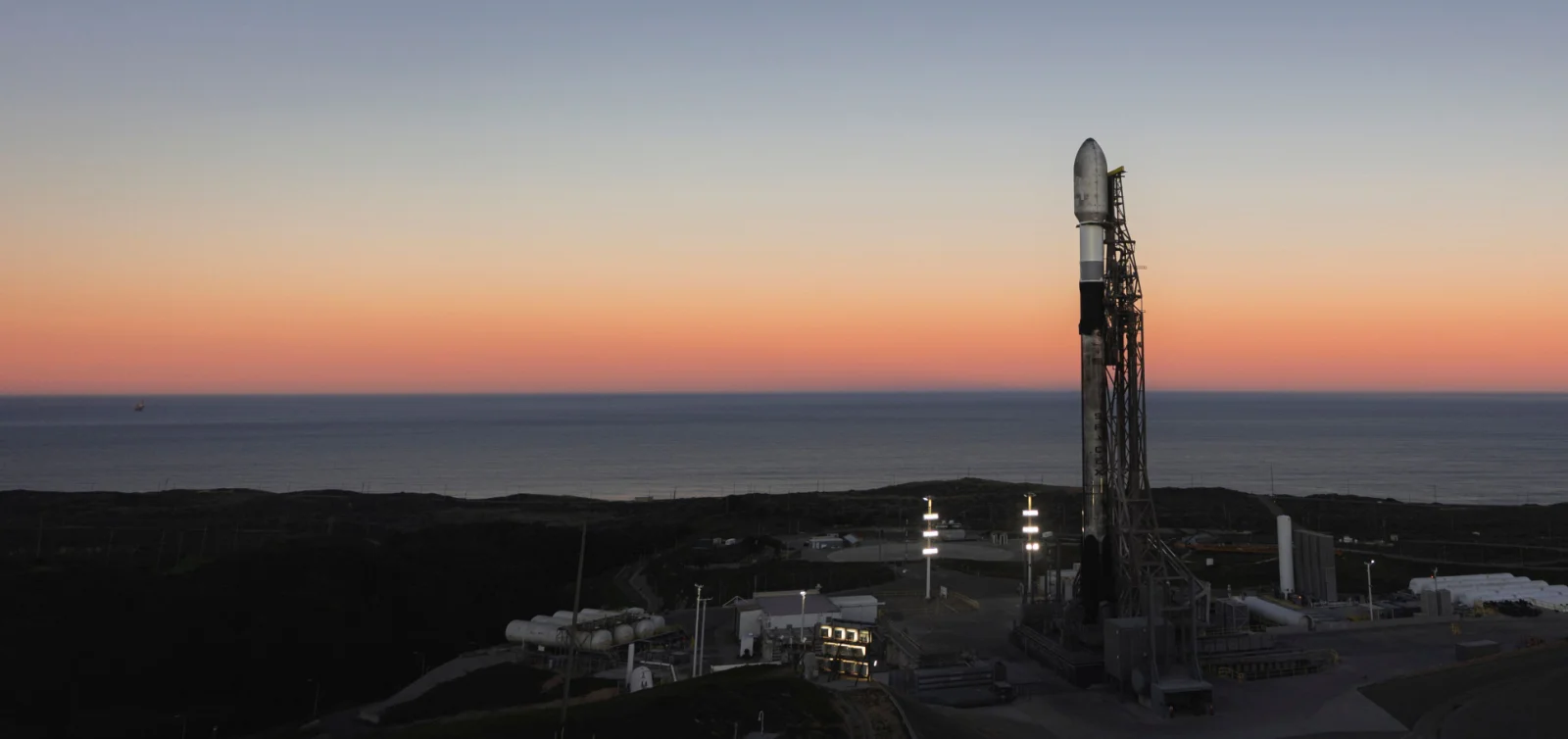
SpaceX's Transporter-16 sends 119 small satellites to sun-synchronous orbit
technology13 days ago

SpaceX's Transporter-16 sends 119 small satellites to sun-synchronous orbit

SpaceX will launch 119 payloads on Transporter-16 from Vandenberg AFB to a sun-synchronous orbit using a Falcon 9, as part of the SmallSat Rideshare Program. The 57-minute launch window opens at 4:02 AM PDT, with deployments starting about 55 minutes after liftoff and continuing for roughly 2.5 hours; the first-stage booster B1093 will be recovered by the downrange droneship. Exolaunch is the largest customer, manifesting 57 payloads, among a diverse mix of satellites and demonstrations from universities and companies.

Starcloud pitches 88,000-satellite space data center constellation
spacecommercial26 days ago

Starcloud pitches 88,000-satellite space data center constellation

Starcloud has filed with the FCC to operate up to 88,000 low‑Earth‑orbit satellites to serve as orbital data centers for AI and other computing needs, placing them in dusk‑dawn sun‑synchronous shells at 600–850 km. The plan envisions intersatellite optical links and Ka‑band telemetry/control, with safety measures including coordination with other operators and full demisability on reentry. Starcloud‑1 has already flown a small satellite with an Nvidia H100 processor; Starcloud‑2 is planned for 2027, and there are concepts for Starcloud‑3 and Starcloud‑4, including a massive satellite array with multi‑kilometer dimensions. The Starcloud filing would create a constellation far larger than existing systems like Starlink (about 10,000 satellites) but smaller than SpaceX’s unfunded one‑million‑satellite proposal.

Sky Mirrors in Orbit Could Light After-Dark Earth, Sparking Astronomers' Alarm
space1 month ago

Sky Mirrors in Orbit Could Light After-Dark Earth, Sparking Astronomers' Alarm

A California startup, Reflect Orbital, proposes a constellation of up to 4,000 sunlit satellites with large mirrors to redirect sunlight toward Earth after sunset for several minutes, testing with the Eärendil-1 demonstration (an ~18-by-18-meter reflector at ~600 km). The system would illuminate targeted areas briefly while in sunlight, potentially extending usable daylight for activities like solar power or night operations; future versions could have much larger mirrors. While the concept could aid nighttime tasks, astronomers warn it could brighten the sky and disrupt observations, worsen light pollution, and increase space debris, making the success of the initial demonstration crucial for determining whether the idea advances.