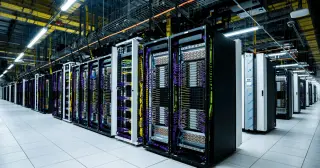
Bristol Myers Squibb says it will build the biopharma industry’s most advanced and energy-efficient AI-powered supercomputer, deepening its collaboration with Nvidia to accelerate drug discovery and development.
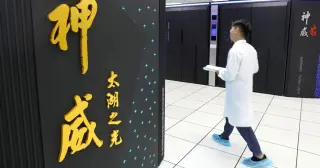
China’s LineShine has overtaken the US El Capitan to become the world’s fastest supercomputer on the TOP500 list, delivering about 2,198 exaflops at roughly 42.2 MW using CPUs only and no GPUs, built entirely with Chinese hardware and software, signaling Beijing’s tech-dominance push amid export restrictions.
A live table powered by the Opta supercomputer tracks the probability of every third-place team in the 2026 World Cup reaching the last 32, updating after every goal and end of each match. With MD3 underway, Bosnia-Herzegovina, Sweden and Ecuador are already guaranteed spots, while Croatia, Belgium and Algeria are strong contenders even if they don’t finish third. Simulations show a 38.4% chance of progression with three points, rising to 43.8% for third-placed teams, and four points virtually guarantees advancement, with goal difference acting as the tiebreaker. The tracker also estimates each team’s likely next opponent and updates frequently as results come in.
A Chinese supercomputer has overtaken U.S. machines to become the world’s fastest, signaling a major milestone in high‑performance computing and intensifying global competition in advanced technology.
Arsenal are 87.8% favourites to beat Burnley at the Emirates according to Opta’s 10,000-simulations model, putting them on the brink of sealing the Premier League title with two wins left. Burnley, relegated and weak away from home, pose little threat, while Arsenal’s strong home form against bottom-half teams and historical context of rare upsets under high-probability predictions reinforce the expectation of a near-certain victory—though football, as always, remains unpredictable.
SpaceXAI has signed an agreement with Anthropic to provide access to Colossus 1, one of the world’s largest AI supercomputers, for large-scale training, fine-tuning, and inference to support Claude Pro and Claude Max subscribers, with plans to explore orbital AI compute capacity as a next-step scale.
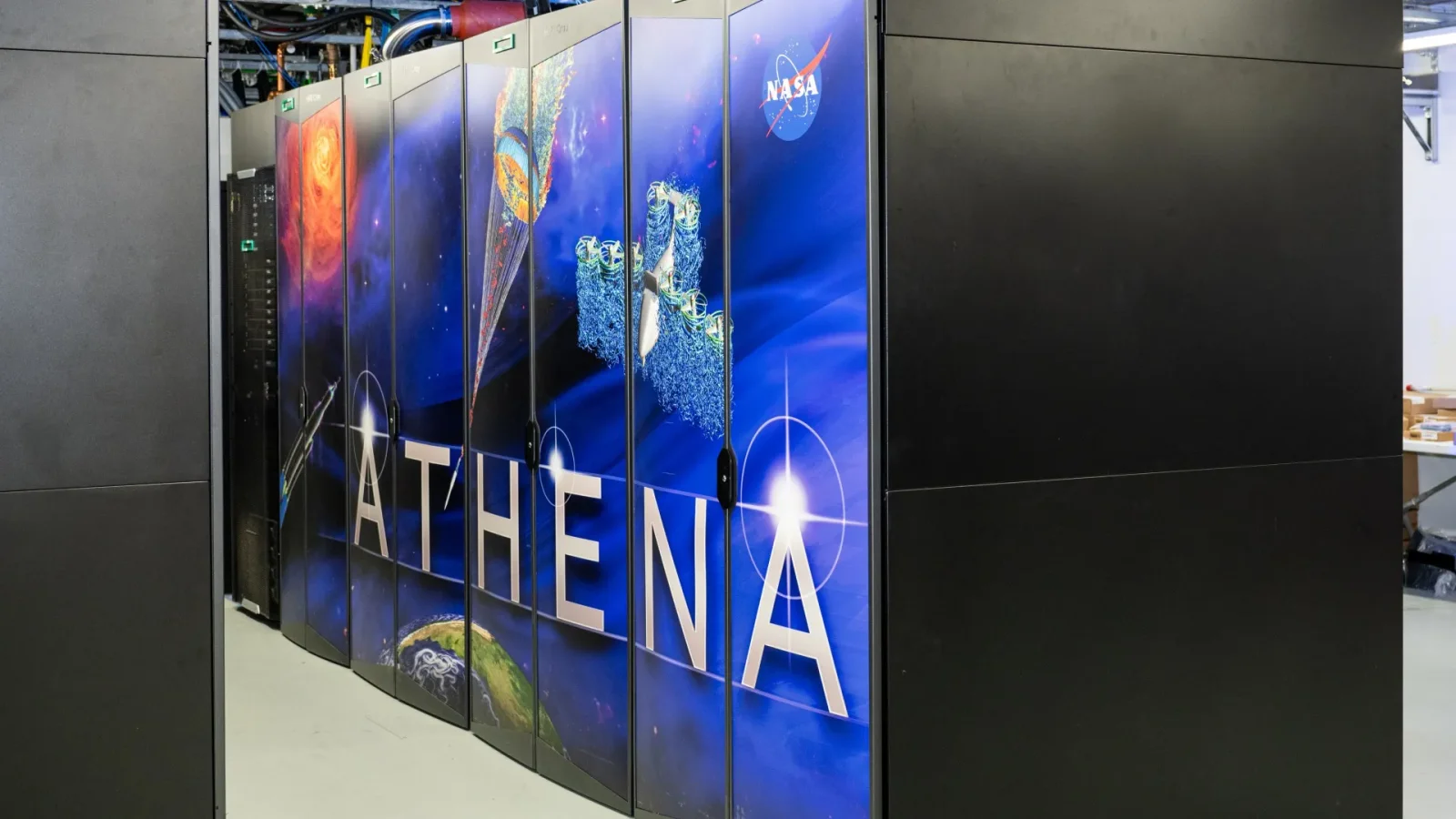
NASA has unveiled Athena, its most powerful supercomputer to date, delivering over 20 petaflops at the Ames Research Center to run complex rocket and aircraft simulations, train large AI models, and analyze vast mission data with a hybrid on-site and cloud approach; the system is available to NASA researchers and external scientists, as Artemis II preparations continue.
The Champions League’s revamped 36-team league phase leaves 30 teams still fighting for a top-eight finish or a place in the two-legged play-offs on the final matchday, with Arsenal and Bayern certain to reach the last 16 and Eintracht Frankfurt, Slavia Prague, Villarreal and Kairat Almaty already eliminated. The Opta supercomputer assigns varying odds for who makes the top eight or slips into the play-offs, highlighting a chaotic finale where teams like Liverpool (high direct-qualification chances) and Real Madrid are well-placed, while others including PSG, Newcastle, Chelsea, Barcelona, Man City, Atlético Madrid and Atalanta chase their own paths to qualification. Opta Analyst will publish a live table during MD8 to show standings and live probabilities as the drama unfolds.
Elon Musk's AI startup xAI has purchased a third building near Memphis to expand its AI training capacity, aiming to boost its supercomputer Colossus to nearly 2 gigawatts of compute power, in a move to compete with industry leaders like OpenAI and Anthropic.
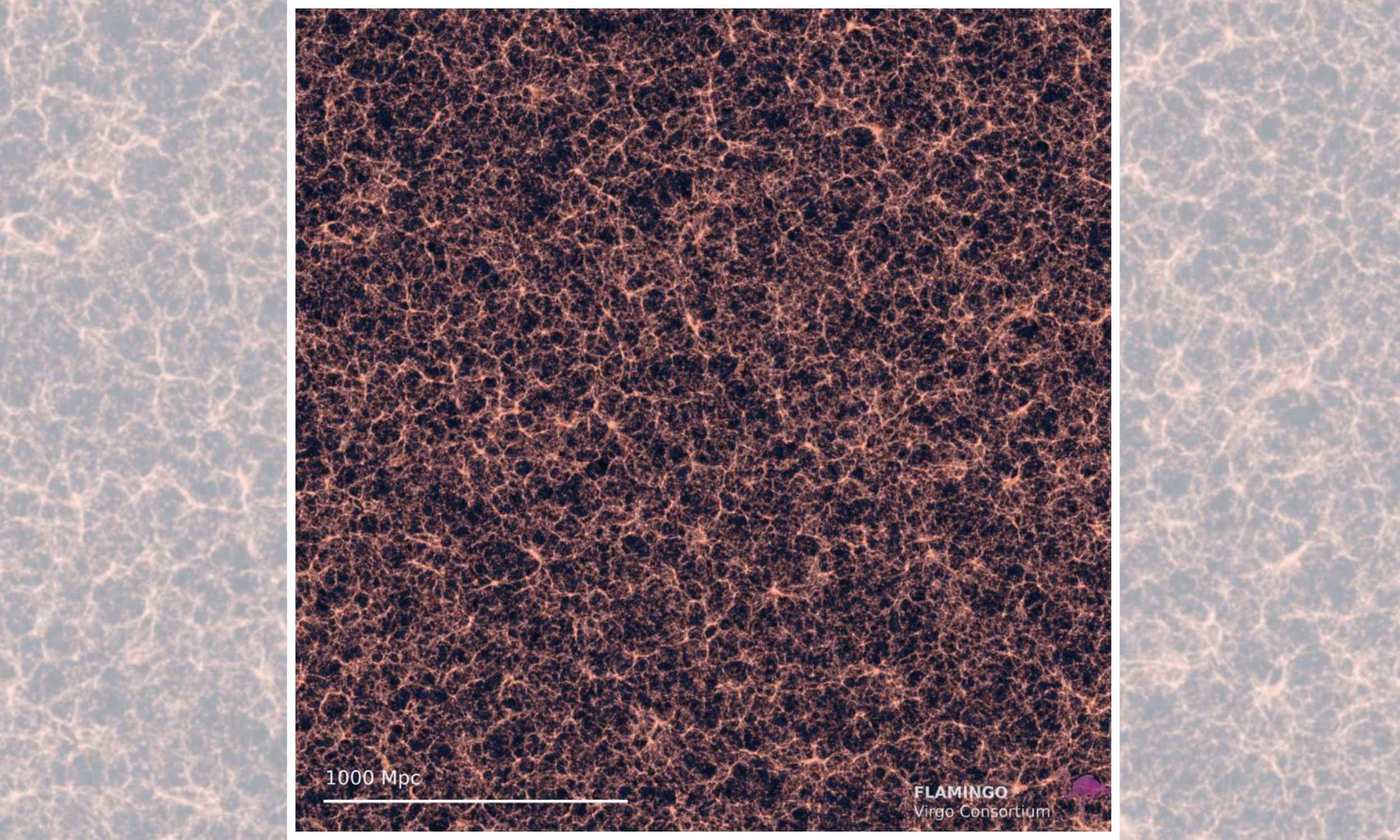
A new super simulation called FLAMINGO reveals that the universe's observed galaxy clustering is smoother than predicted by standard models, intensifying the ongoing S8 tension in cosmology, which questions whether current theories or measurements need revision.
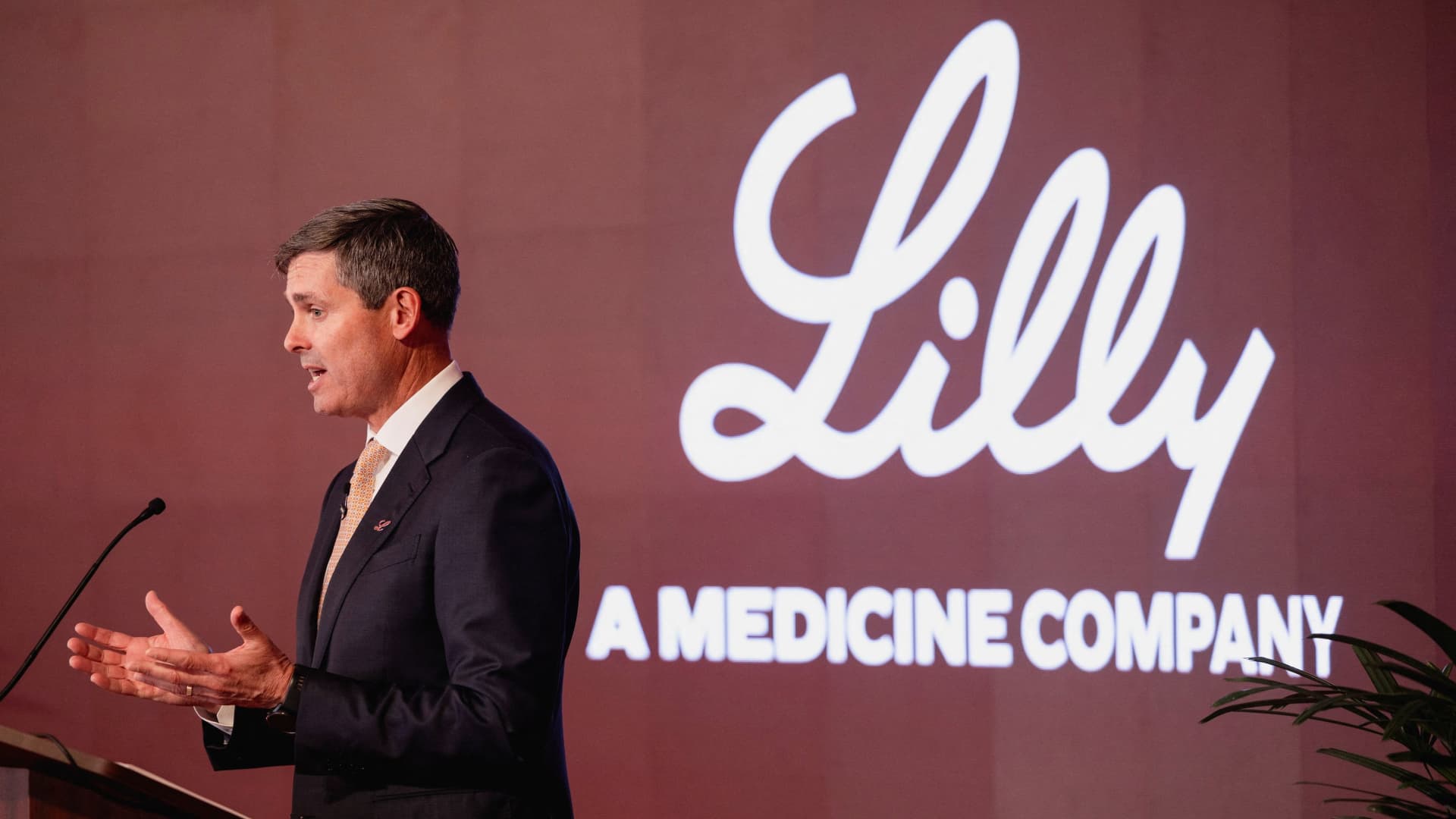
Eli Lilly is collaborating with Nvidia to build an AI-powered supercomputer aimed at accelerating drug discovery and development, enabling faster testing of potential medicines and expanding research capabilities through proprietary AI models accessible via Lilly's federated platform, Lilly TuneLab.
Eli Lilly and Nvidia are collaborating to build the pharmaceutical industry's most powerful supercomputer and AI factory to accelerate drug discovery and development, aiming to significantly reduce the time and costs associated with bringing new medicines to market, with full deployment expected by January 2026.
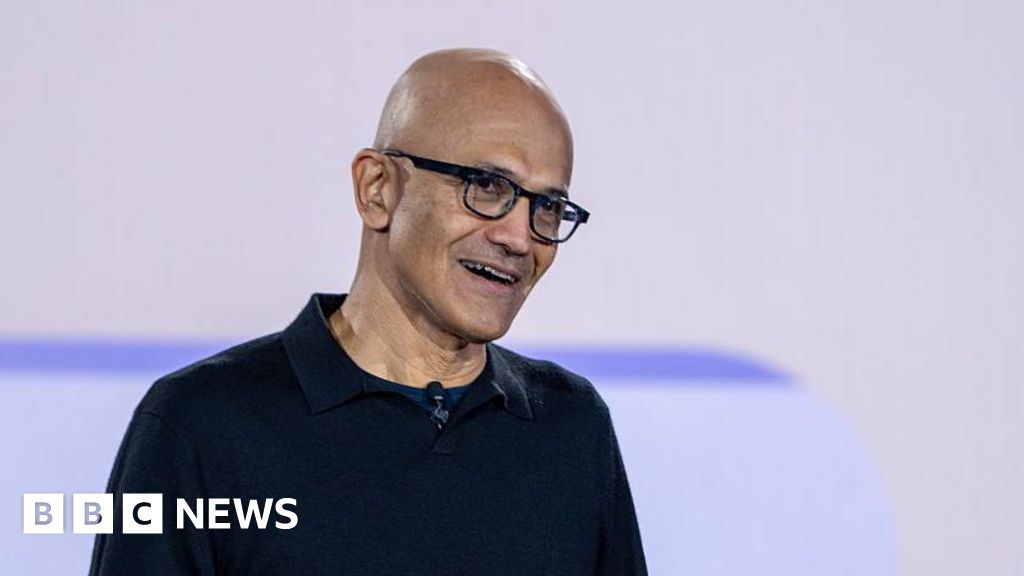
Microsoft's $30bn investment in the UK's AI sector aims to significantly boost the economy within five years, with plans for data centres and a supercomputer, as part of a broader US-UK tech partnership to foster innovation, jobs, and infrastructure development, despite concerns over energy consumption and reliance on foreign tech.
Microsoft announced a £22 billion ($30 billion) investment in the UK from 2025 to 2028 to develop AI infrastructure, including building a large supercomputer, surpassing Google's recent £5 billion investment, and supporting ongoing operations and partnerships in the UK, signaling a strong commitment to AI and technology growth in the region.
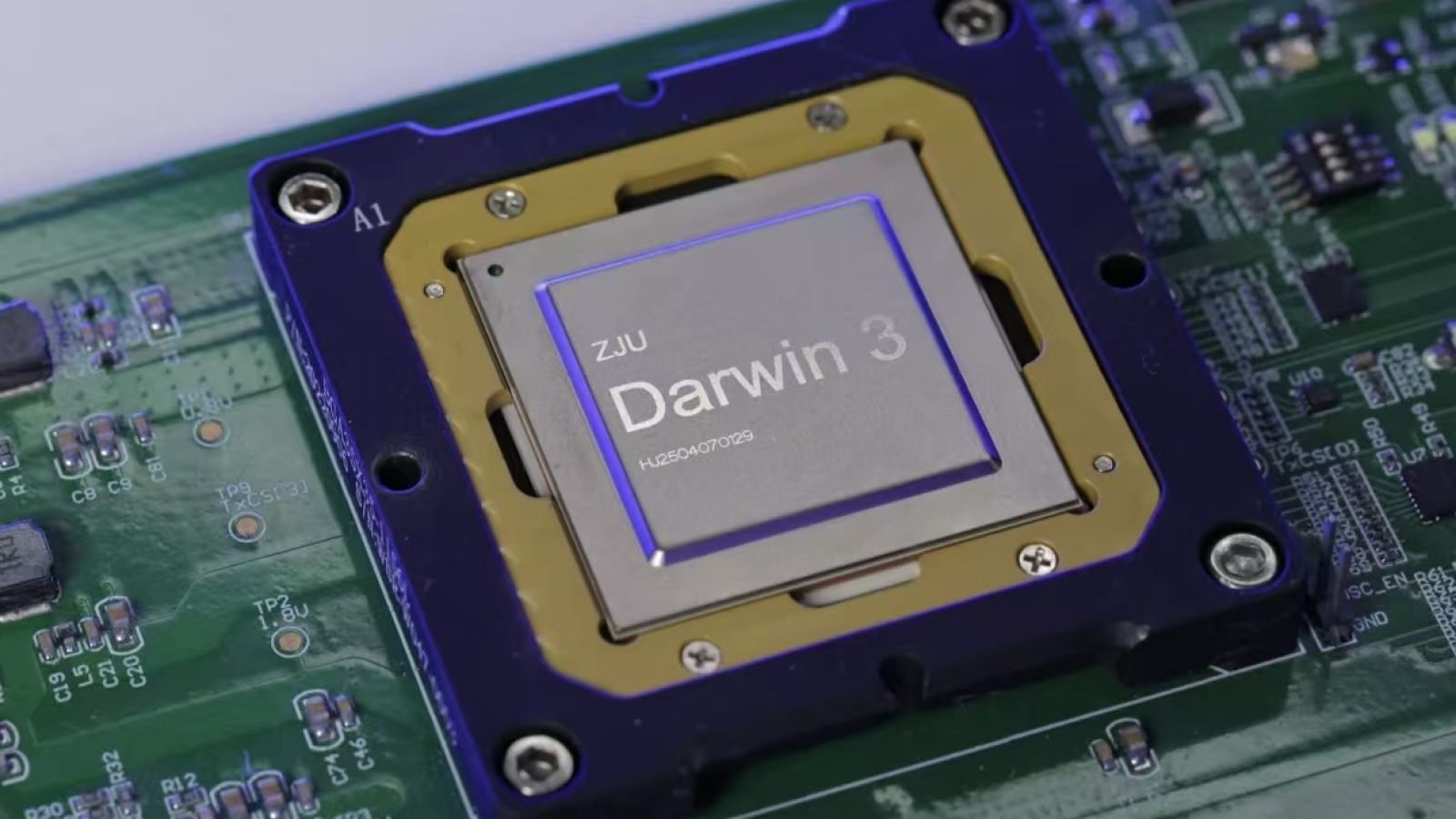
Chinese researchers have developed Darwin Monkey, a brain-inspired supercomputer with over 2 billion artificial neurons, mimicking mammalian neural structures to advance AI and neuroscience research, while consuming only 2,000 watts of power.