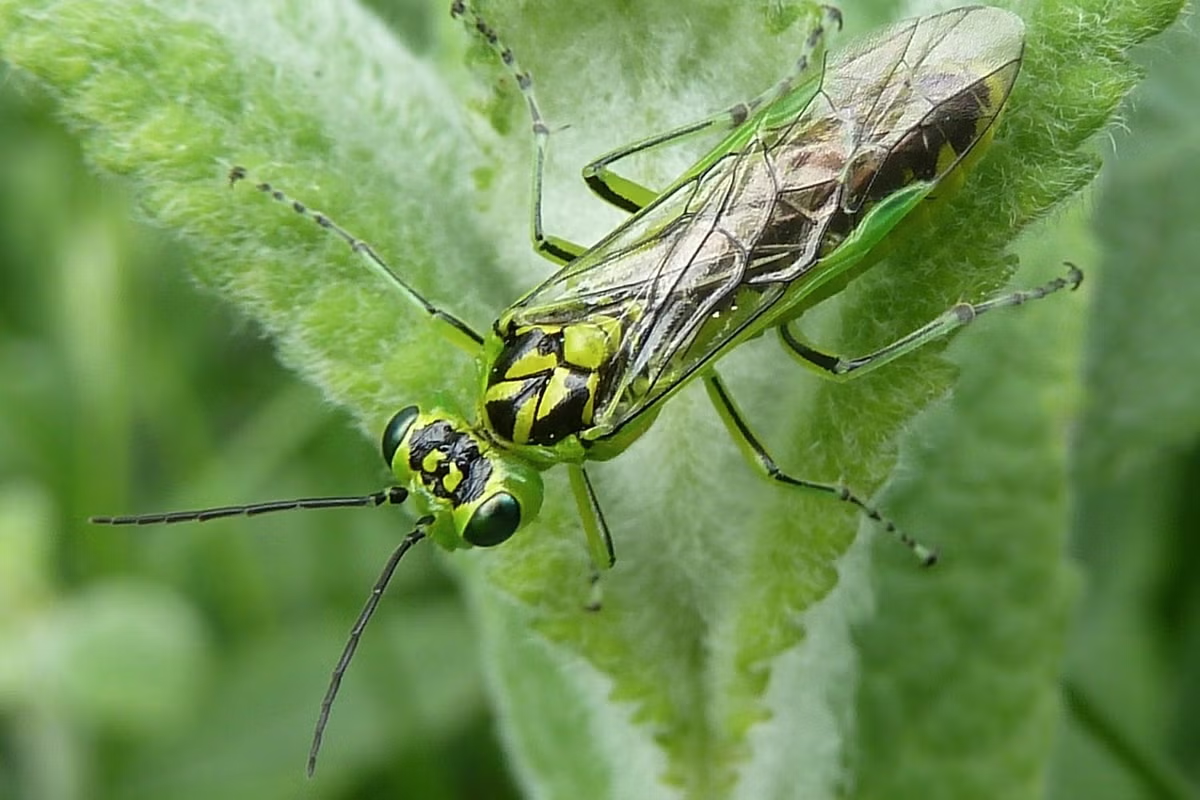
Scientists have discovered that the precise, selective cutting mechanism of sawfly ovipositors could inspire new surgical tools that automatically avoid critical tissues, potentially revolutionizing complex surgeries by reducing errors and improving safety.
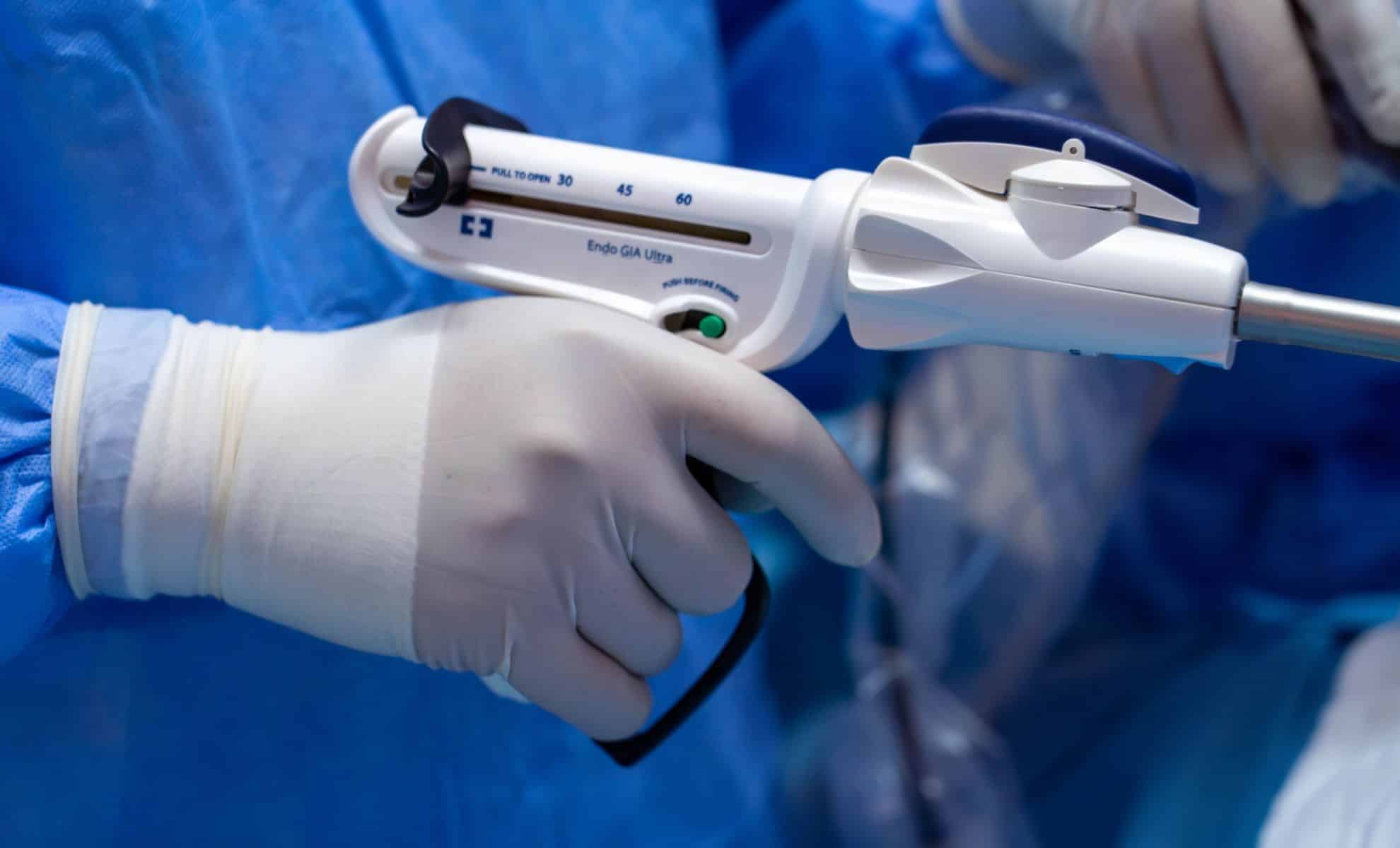
Researchers in Russia have developed a compact, dual-sensor thermal imager that monitors blood flow during tumor surgeries, offering real-time, high-resolution temperature mapping to improve surgical precision and patient outcomes, with potential for widespread adoption in hospitals.
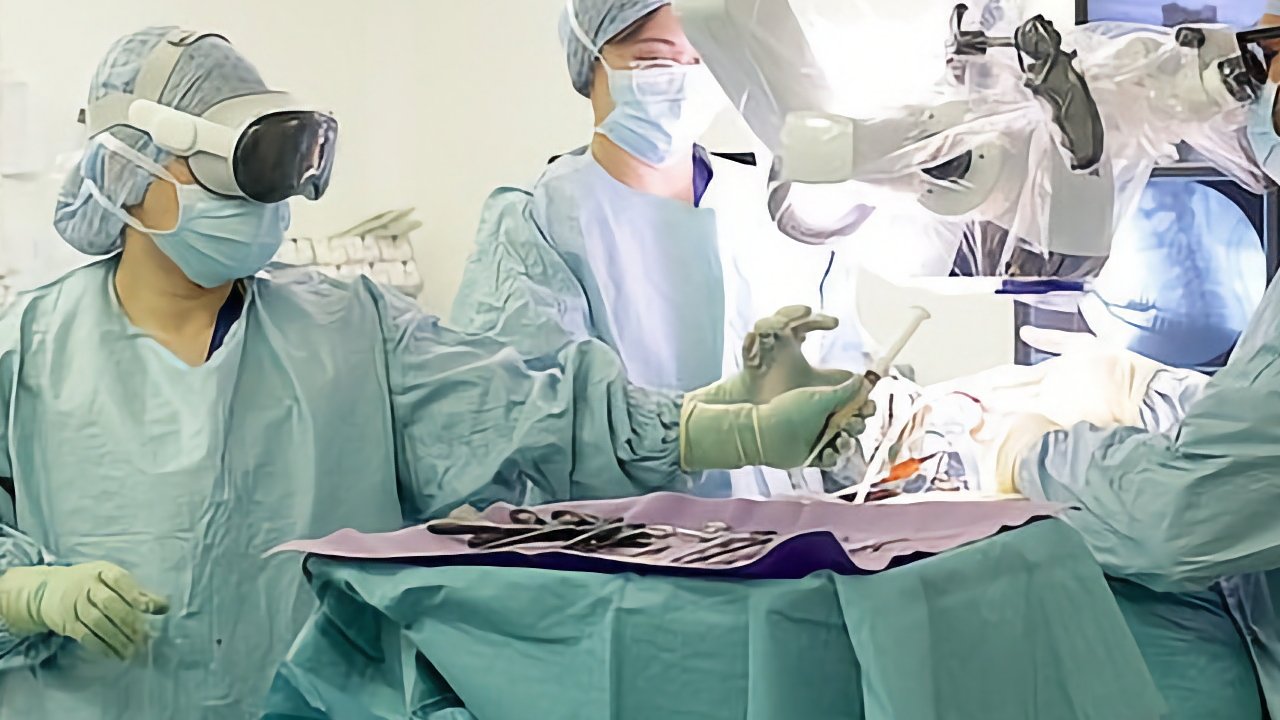
Surgical assistant in London's Cromwell Hospital used Apple Vision Pro for a spinal operation, praising its benefits in eliminating human error and providing confidence in surgery. The headset, worn by the assistant, allowed for better preparation and tool management during the procedure. Surgeons hailed it as a "gamechanger" and a tool for transferring experience to new staff, despite previous positive experiences with HoloLens 2.
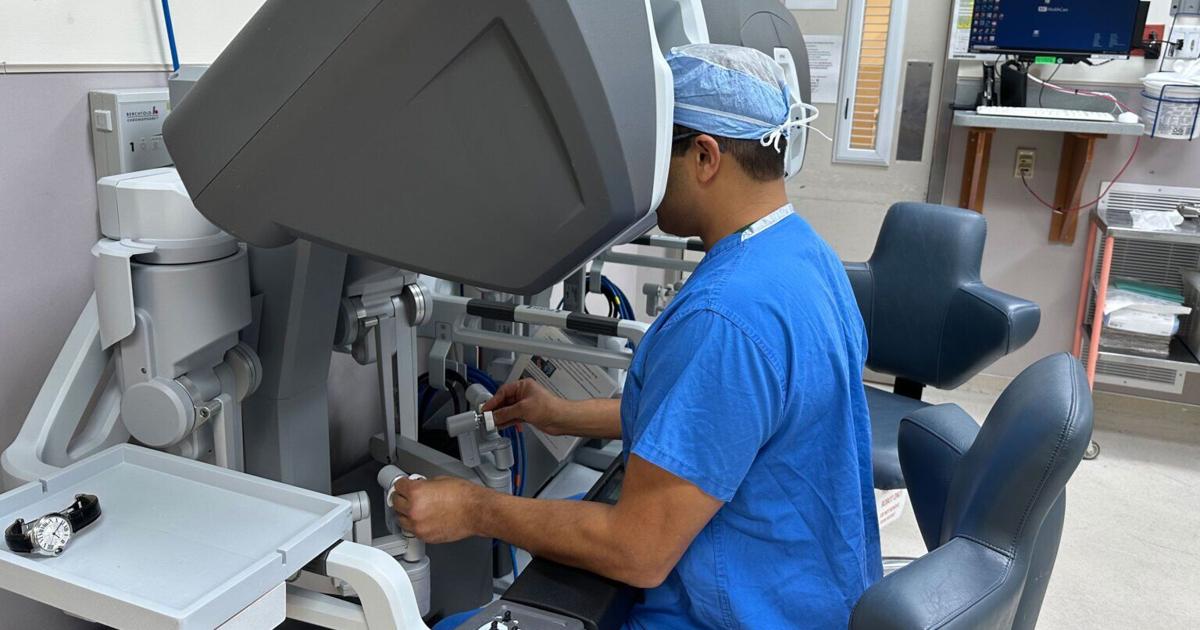
Surgeons at Barnes-Jewish Hospital in St. Louis have successfully performed the first robot-assisted whole-liver transplant in the U.S. The surgery, led by a team from Washington University School of Medicine, took place in May and the patient, a man in his 60s with liver cancer and cirrhosis, has recovered swiftly. The use of robotic technology allows for precise movements and smaller incisions, resulting in a shorter recovery time compared to traditional open liver transplants. This innovation in liver transplants has the potential to improve patient outcomes and expand the availability of transplant procedures.