Tag

Biomimicry

All articles tagged with #biomimicry

Sailfish-Inspired Speed: How Ocean Design Shaped the McLaren P1
technology6 days ago

Sailfish-Inspired Speed: How Ocean Design Shaped the McLaren P1

McLaren’s hybrid halo car, debuted to mark the F1’s 20th anniversary at the Paris Motor Show, uses nature‑inspired design by Frank Stephenson. Drawing from sailfish hydrodynamics—such as a fish-scale texture on the engine inlets to boost air intake and foil‑shaped bumps that smooth flow—along with mirror‑arm enhancements to cut buffeting and a cheetah‑like organic silhouette, the P1 emphasizes speed and efficiency. Powered by a 727‑hp twin‑turbo V8 paired with hybrid systems for about 903 hp and a high‑9‑second quarter‑mile, it rides in a carbon monocoque with active aero shaped for maximum performance.

Pillbug robot to shed thousands of tiny wind-powered drones for Martian lava-tube mapping
space-exploration1 month ago

Pillbug robot to shed thousands of tiny wind-powered drones for Martian lava-tube mapping

Scientists are proposing a biomimicry-inspired mission concept in which a pillbug‑like “roly‑poly” robot would crawl into Martian lava tubes and release thousands of micro‑drones (the “dandelion drones”). The drones would be powered by piezoelectric energy and carried into the caves by a parachute, then flown by Mars’ winds to map the tunnel network and collect environmental data. Because sunlight doesn’t reach the caves, the drones would not rely on solar power and would be painted white to travel farther. The plan highlights wind in caves as both a potential aid and a challenge, and includes a high‑powered fan to keep drones aloft if winds are weak. NASA and other groups have explored lava tubes on Mars and in analog sites, and the concept underscores broader interest in using drone swarms to scout difficult terrain (including future targets like Titan’s caves).

Virus-Rupturing Nano-Pillar Film Gives Surfaces a Chemical-Free Defense
technology2 months ago

Virus-Rupturing Nano-Pillar Film Gives Surfaces a Chemical-Free Defense

A flexible acrylic film coated with thousands of ultra-fine nanopillars mimics cicada wing textures to mechanically rupture virus particles on contact, offering a scalable, chemical-free way to reduce surface transmission. Lab tests against human parainfluenza virus type 3 showed up to 94% of viruses damaged within an hour, with the closest pillar spacing (~60 nanometres) proving most effective. Potential applications include phones, public transport, hospital equipment, and office desks, though real-world durability and long-term performance require further study.

Flying Snake Leaps and Glides Over 300 Feet, Biologist Explains
science1 year ago

Flying Snake Leaps and Glides Over 300 Feet, Biologist Explains

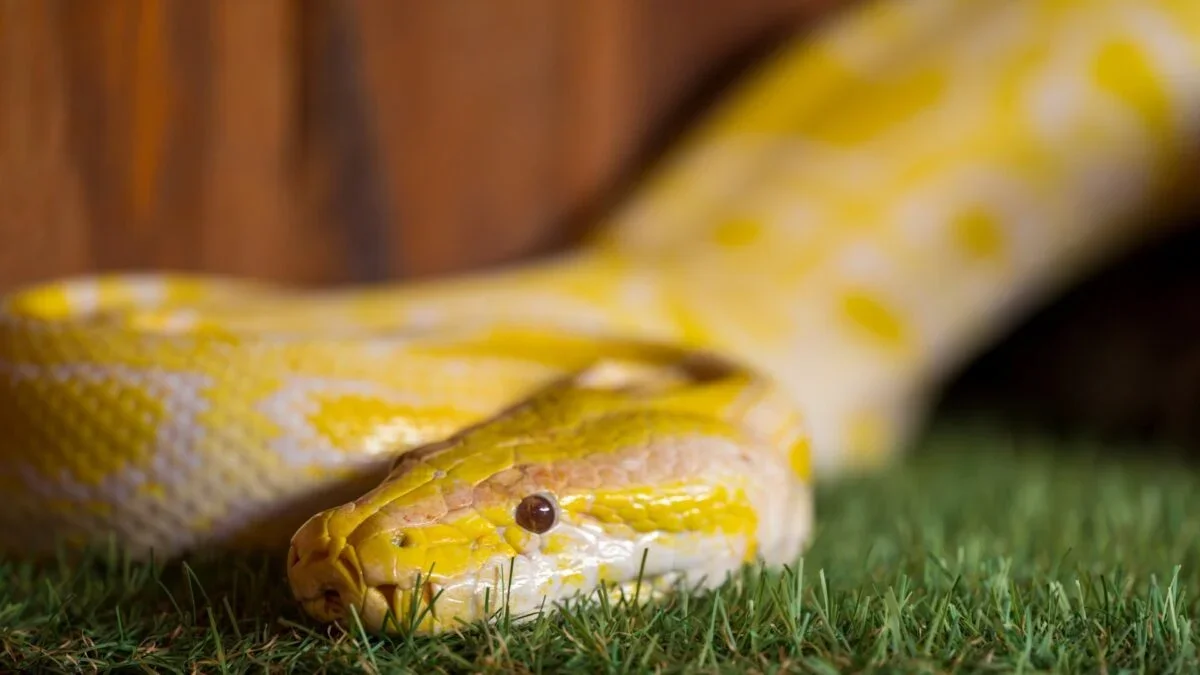
The golden flying snake (Chrysopelea ornata), native to South and Southeast Asia, has evolved the ability to leap from trees and glide over 300 feet using body flattening and undulation, allowing it to access prey and escape predators in dense forests. Its unique adaptation involves muscular control and aerodynamic body shaping, making it one of the most visually striking and remarkable gliding snakes, with evolutionary roots dating back around 20 million years.