Tag

Taurids

All articles tagged with #taurids

November 2026 Skywatching: Taurid Fireballs, Mars-Jupiter Conjunction, and Supermoon
science18 days ago

November 2026 Skywatching: Taurid Fireballs, Mars-Jupiter Conjunction, and Supermoon

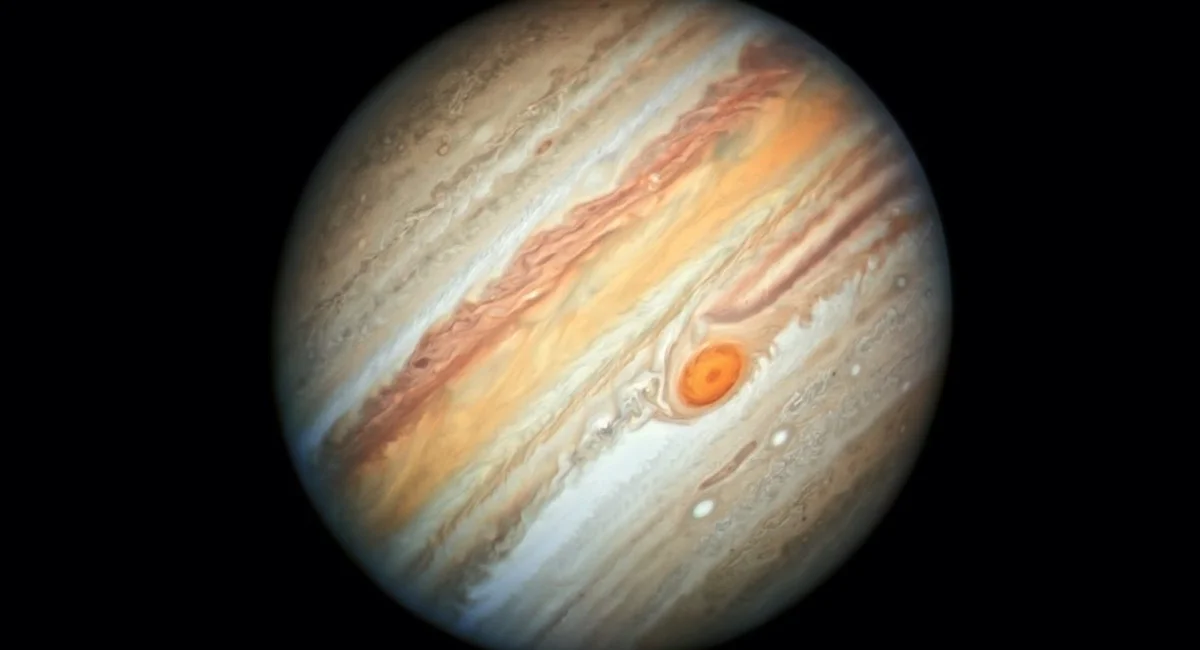
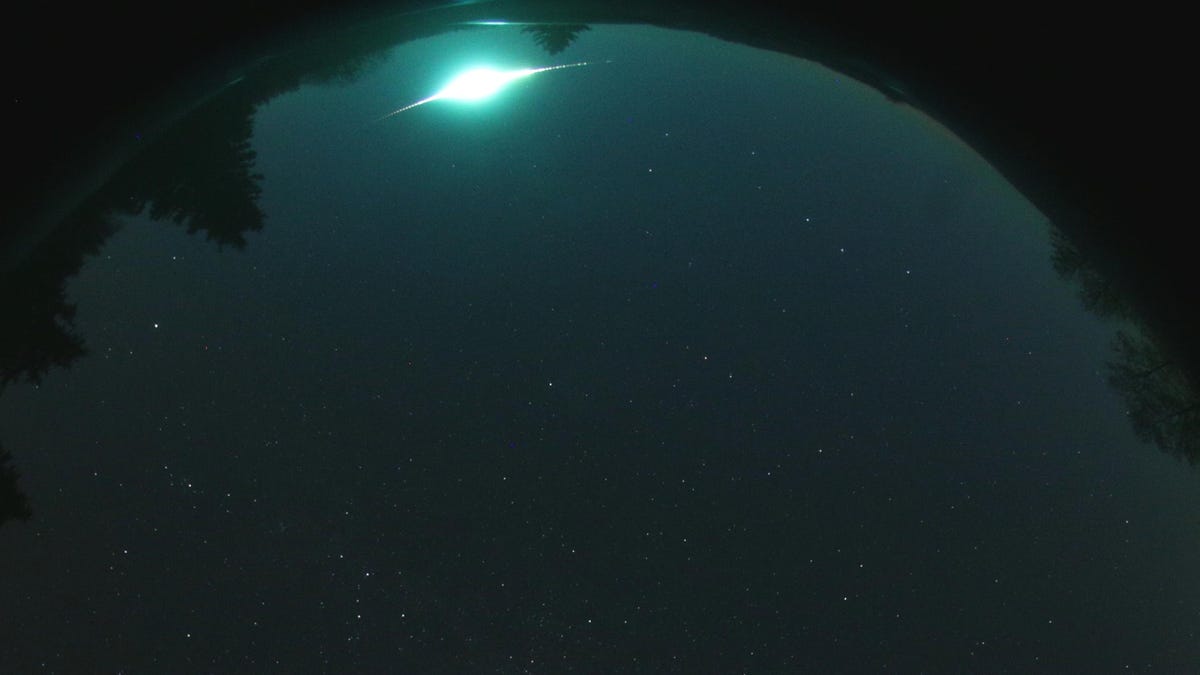
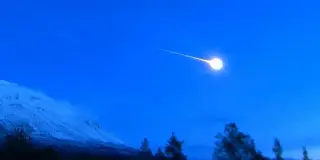
November 2026 features a dense schedule of astronomical events, including the Southern and Northern Taurid meteor showers, a close Mars-Jupiter conjunction, and a supermoon. While the Taurids produce few meteors per hour, they are renowned for bright, slow-moving fireballs. The Southern Taurids peaked around November 5, with the Northern Taurids following on November 12. A new moon on November 9 offers optimal viewing conditions for the Northern Taurids. Additionally, Mars and Jupiter will appear close together in the pre-dawn sky on November 15-16, and a supermoon will occur on November 24.

Taurid meteor shower peaks Nov. 5, offering rare bright fireballs
science18 days ago

Taurid meteor shower peaks Nov. 5, offering rare bright fireballs

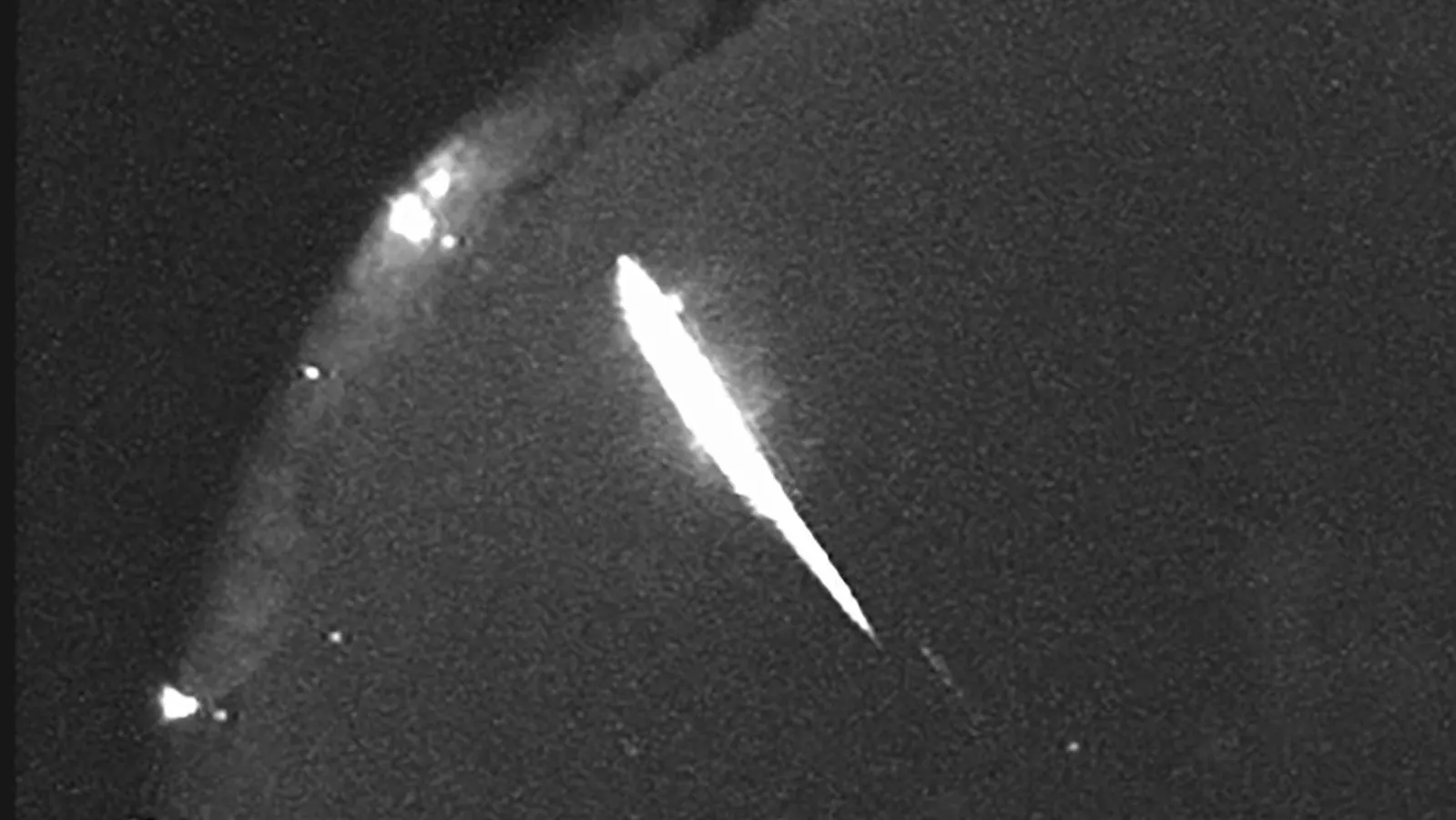
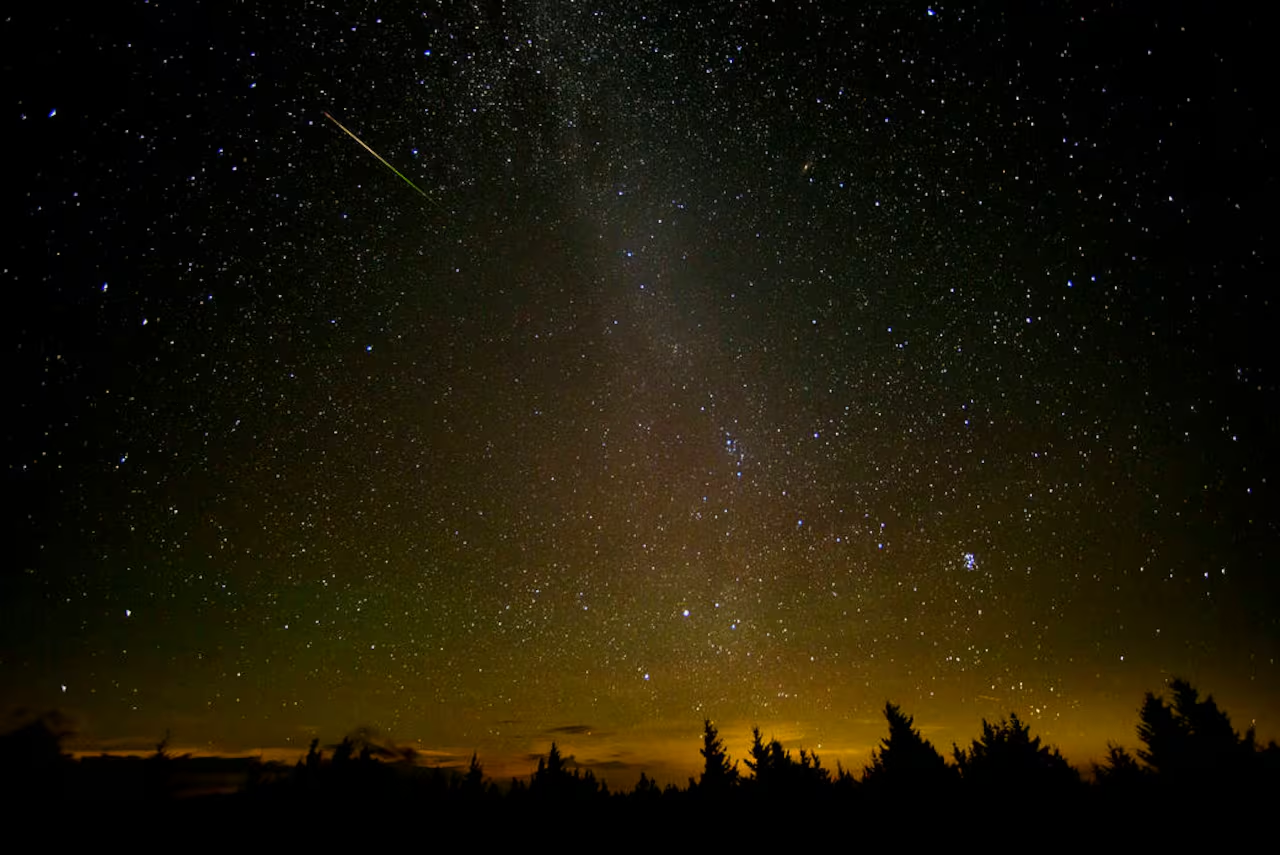
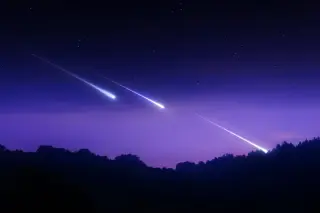
The Southern Taurid meteor shower reaches its peak activity on November 5, 2026, offering observers a chance to see bright fireballs. Although the shower produces only about five meteors per hour, its debris includes larger particles that create intense light displays. The Northern Taurids will follow, peaking on November 12. Both events are visible in both hemispheres and are best viewed after midnight under dark skies.

Taurid Fireballs Peak in November as Moon Wanes for Clearer Views
science24 days ago

Taurid Fireballs Peak in November as Moon Wanes for Clearer Views

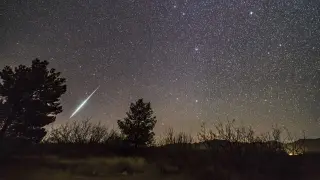
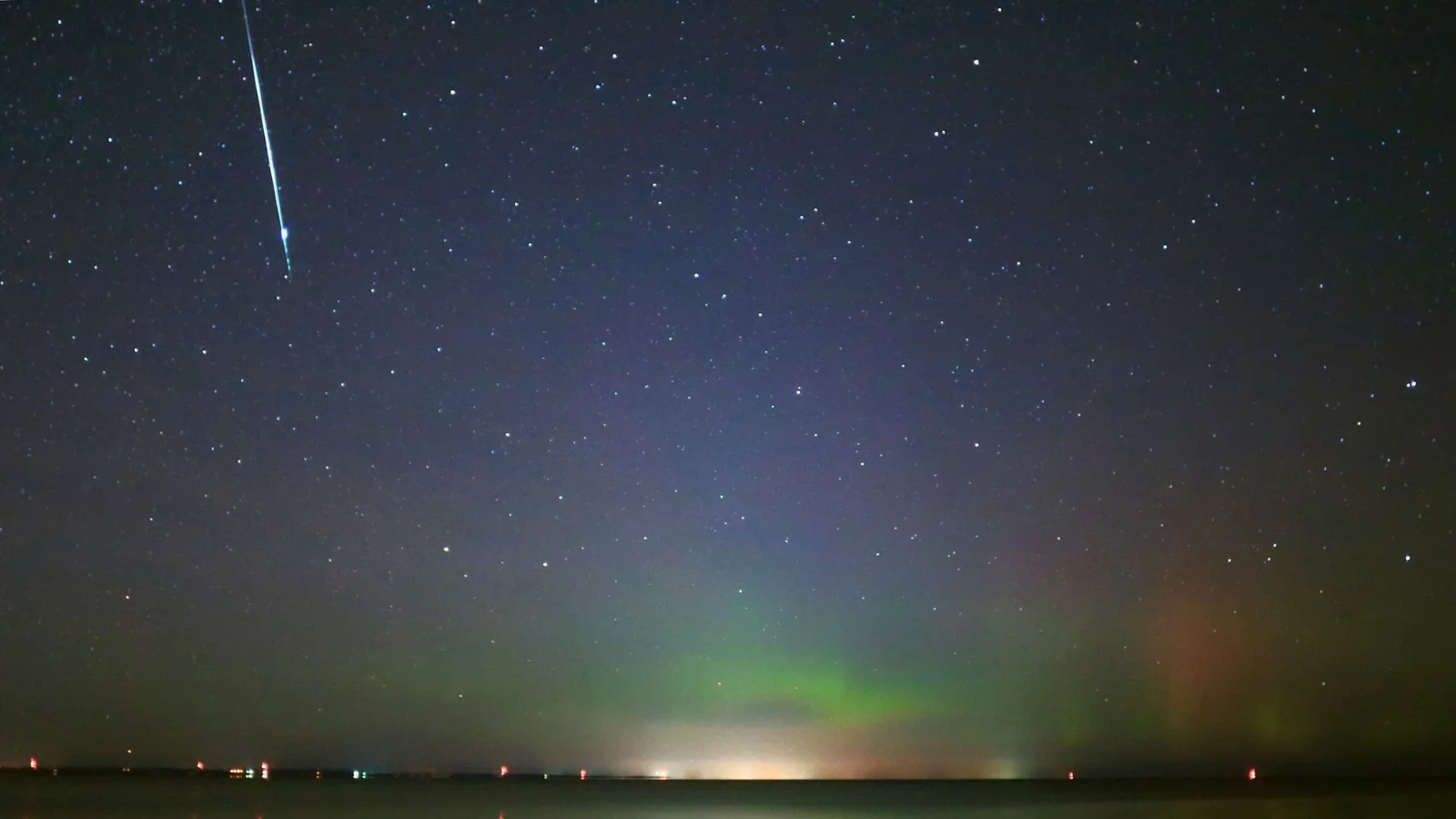
The Halloween Fireballs, associated with the Northern and Southern Taurid meteor showers, offer a chance to see bright, slow-moving meteors this weekend. While the showers have low overall rates, they are famous for producing colorful fireballs. Observing conditions are favorable as the Moon wanes, reducing glare. The Southern Taurids peak around November 4-5, while the Northern Taurids peak around November 11-12. Both streams originate from Comet 2P/Encke. Viewers should look away from the Taurus constellation for the best trails, using Orion as a guide to locate the radiant.

Upcoming Fireball Meteor Showers Start Monday
science1 year ago

Upcoming Fireball Meteor Showers Start Monday

The Southern and Northern Taurid meteor showers, known for bright fireballs, begin around October 11, 2025, with peak activity in mid-November, offering the best viewing from midnight to dawn when Taurus is high overhead. These showers are caused by debris from Comet Encke, which has the shortest orbital period of any known comet, completing its orbit every 3.25 years.

"Get ready for a celestial show: Meteor showers set to dazzle the skies!"
science-and-astronomy3 years ago

"Get ready for a celestial show: Meteor showers set to dazzle the skies!"

The Taurids Meteor Shower, known for its fireballs, is currently active and will continue until early December. Local viewers have reported seeing fireballs in the sky, which are a common occurrence during this meteor shower. The origin of the Taurids is unclear, unlike other meteor showers associated with passing comets. The Northern Taurids will peak between November 11 and 12, while the Southern Taurids peaked on November 5 and 6. The Leonids Meteor Shower, caused by debris from comet Tempel-Tuttle, will peak on November 17 and 18.

"November's Celestial Spectacles: Jupiter, Meteor Showers, and More in NYC Skies"
astronomy3 years ago

"November's Celestial Spectacles: Jupiter, Meteor Showers, and More in NYC Skies"

In November, sky watchers in New York City can enjoy the sight of a bright Jupiter, the Taurids and Leonids meteor showers, and the peak settings of the Perseus family of constellations. Jupiter will be at its closest point to Earth on November 1-2 and fully illuminated on November 2. The Taurids meteor shower will peak on November 5-6, followed by the Leonids meteor shower on November 17-18. Jupiter's four largest moons, known as the Galilean moons, will be visible alongside the planet. Sky watchers can also locate constellations by using the Big Dipper as a guide.

November Nights Illuminate with Meteor Showers and Halloween Festivities
astronomy3 years ago

November Nights Illuminate with Meteor Showers and Halloween Festivities

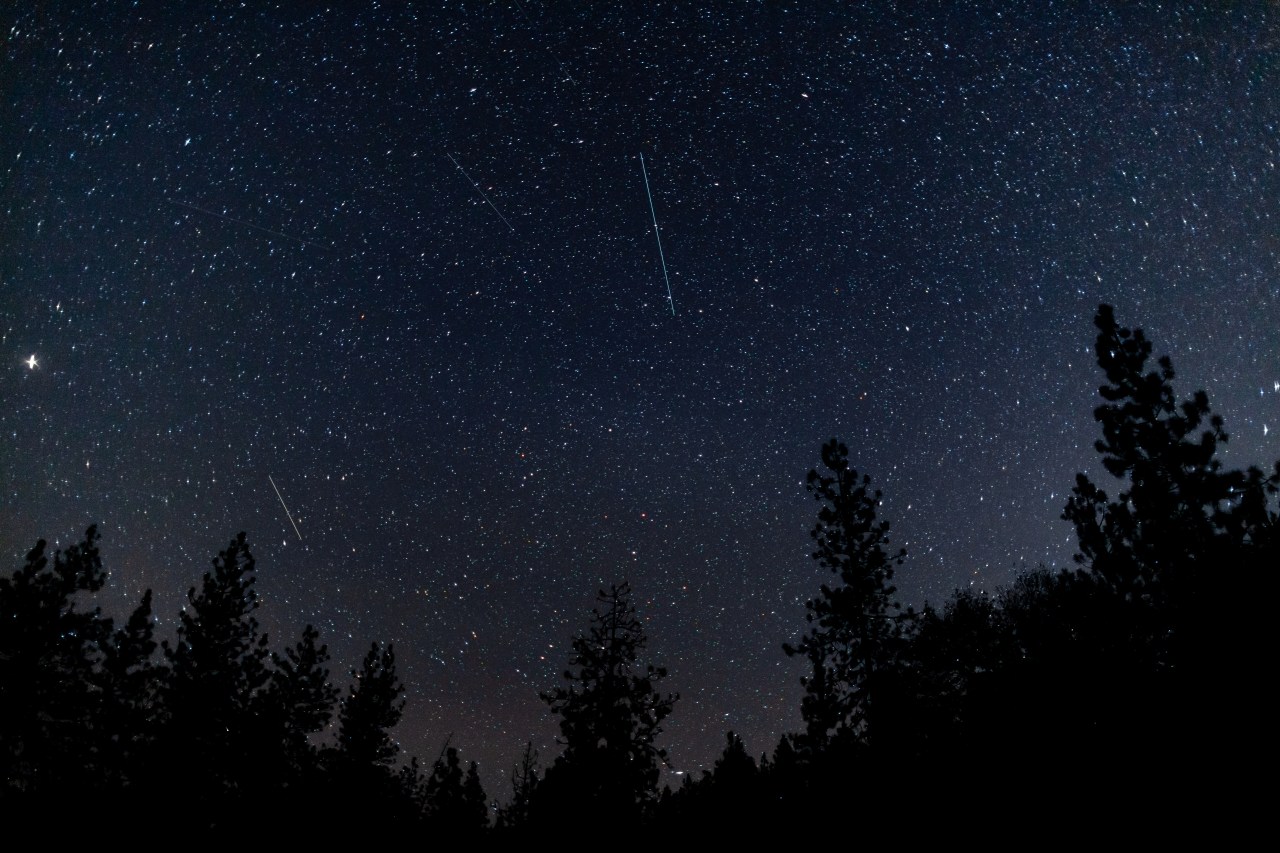
November will bring three meteor showers, the Southern Taurid, Northern Taurid, and Leonid, providing stargazers with overlapping opportunities to witness shooting stars. The Taurids are known for producing fireballs, while the Leonids are bright with persistent trains. The best viewing for the Taurids will be around midnight on November 11-12, with an average rate of 5-10 meteors per hour. The Leonids will peak on the night of November 17-18, with an average rate of 15-20 meteors per hour. This November will be a meteor-rich month, making it a great time for stargazing.

Daytime Sextantid Show Ignites Meteor Shower Season
astronomy3 years ago

Daytime Sextantid Show Ignites Meteor Shower Season

Earth is currently passing through a series of meteor showers, including the Orionids, Taurids, and the lesser-known Daytime Sextantid shower. While the Orionids are set to peak around October 20-22, lucky observers may also catch a glimpse of the upward-shooting Sextantids in the hour before dawn. The Taurids, known for delivering bright fireballs, will be visible at a rate of around two per hour over the next few weeks. These meteor showers are caused by debris from Halley's Comet and other celestial bodies, offering a spectacular celestial show for skywatchers.

Double Meteor Shower Delights Stargazers as Orionids, Taurids, and Sextantids Light Up the Sky
astronomy3 years ago

Double Meteor Shower Delights Stargazers as Orionids, Taurids, and Sextantids Light Up the Sky

Earth is currently passing through a series of meteor showers, including the Orionids, Taurids, and the lesser-known Daytime Sextantid shower. While the Orionids are set to peak around October 20-22, lucky observers may also catch a glimpse of the upward-shooting Sextantids in the hour before dawn. The Taurids, known for delivering bright fireballs, will be visible at a rate of around two per hour over the next few weeks. These meteor showers are caused by debris from Halley's Comet and other celestial bodies, offering a spectacular celestial show for skywatchers.