Ollama has introduced local text-to-speech capabilities for macOS via version 0.40.11, utilizing Gradium's Phonon models. This update enables real-time audio generation on Apple Silicon devices, supporting five languages with distinct licensing terms for commercial use.
Google has expanded its Gemini 3.8 ecosystem with a new 'Live Avatar' feature and two advanced text-to-speech (TTS) models. The Live Avatar, currently limited to Gemini Enterprise customers, provides a real-time animated persona that lip-syncs and displays facial expressions during conversations. Simultaneously, Google launched Gemini 3.8 Flash TTS and Flash-Lite TTS, which offer expressive, customizable voice generation with support for over 100 languages and dialects. These updates aim to enhance immersive AI interactions, from enterprise video conferencing to creative audio production, while incorporating safety features like SynthID watermarking.
Embark Studios says Arc Raiders has shifted away from AI-generated voice lines, with many lines now recorded by real actors and paid for booth time; the studio uses AI mainly as a production tool to test lines before recording and still licenses or uses AI for non-essential lines like certain location pings. The move is intended to improve immersion and reassure players about actor involvement, though some AI usage remains.
Embark Studios says Arc Raiders’ success hasn’t changed its cautious stance on AI: it used text-to-speech for some lines, but won’t “open the floodgates” to AI tools. The team aims to use tech that unlocks new capabilities and may build in‑house tools, while staying mindful of concerns and quality. Future updates may rely less on TTS and could involve re-recording lines with human actors if feasible, signaling selective AI use rather than broad adoption.
Google Docs now allows users to generate AI-powered audio versions of their documents using Google Gemini, with customizable voices and playback speeds, accessible to shared document readers and authors, primarily on desktop and in English, for Workspace and premium AI subscribers.
Google Docs now features a new 'Audio' tool powered by Gemini that allows users to create audio versions of documents with natural-sounding voices, accessible via the Tools menu on the web, enhancing reading and editing experiences. The feature is available to certain subscribers and is rolling out gradually.
Issen is a personal AI language tutor designed to improve language learning through structured curriculum, active teaching, and speech recognition, but users highlight the need for better beginner experience, pronunciation accuracy, and more guided learning. The app uses advanced AI models for conversation, but faces challenges with error correction, cultural nuances, and user engagement, especially for beginners and less common languages.
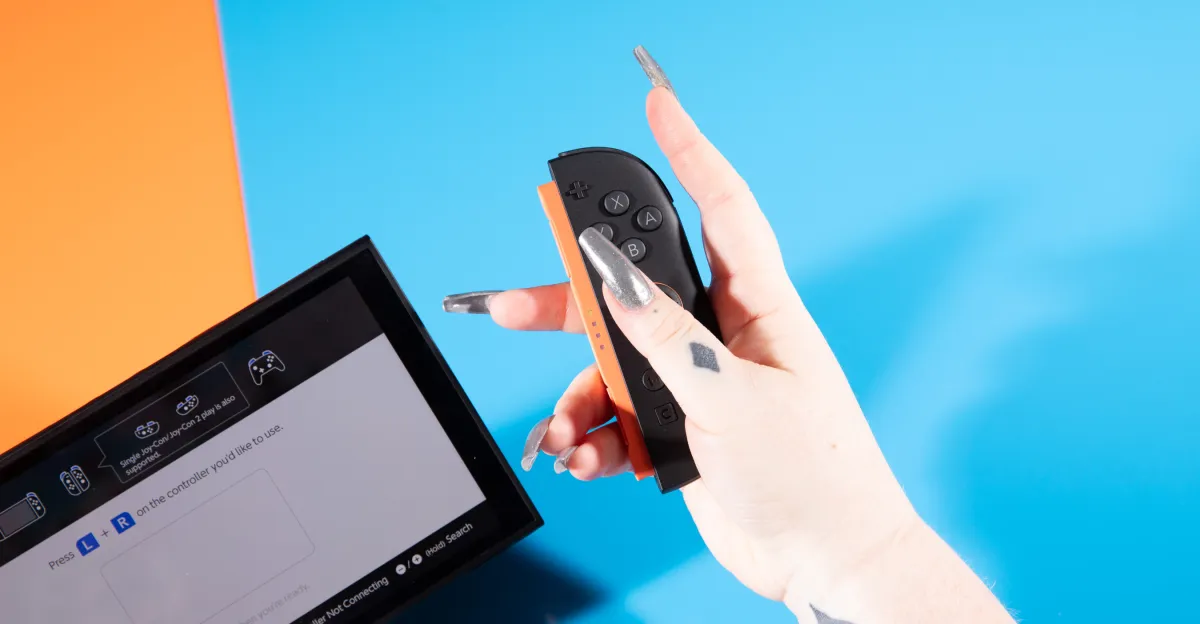
The Nintendo Switch 2 introduces a more comprehensive approach to accessibility, including intuitive setup, controller support, USB keyboard connectivity, and system-level remapping, though some features like text-to-speech and audio customization are limited or inconsistent. Despite these advancements, Nintendo has been quiet about these features pre-launch, which could hinder informed user decisions and accessibility awareness.
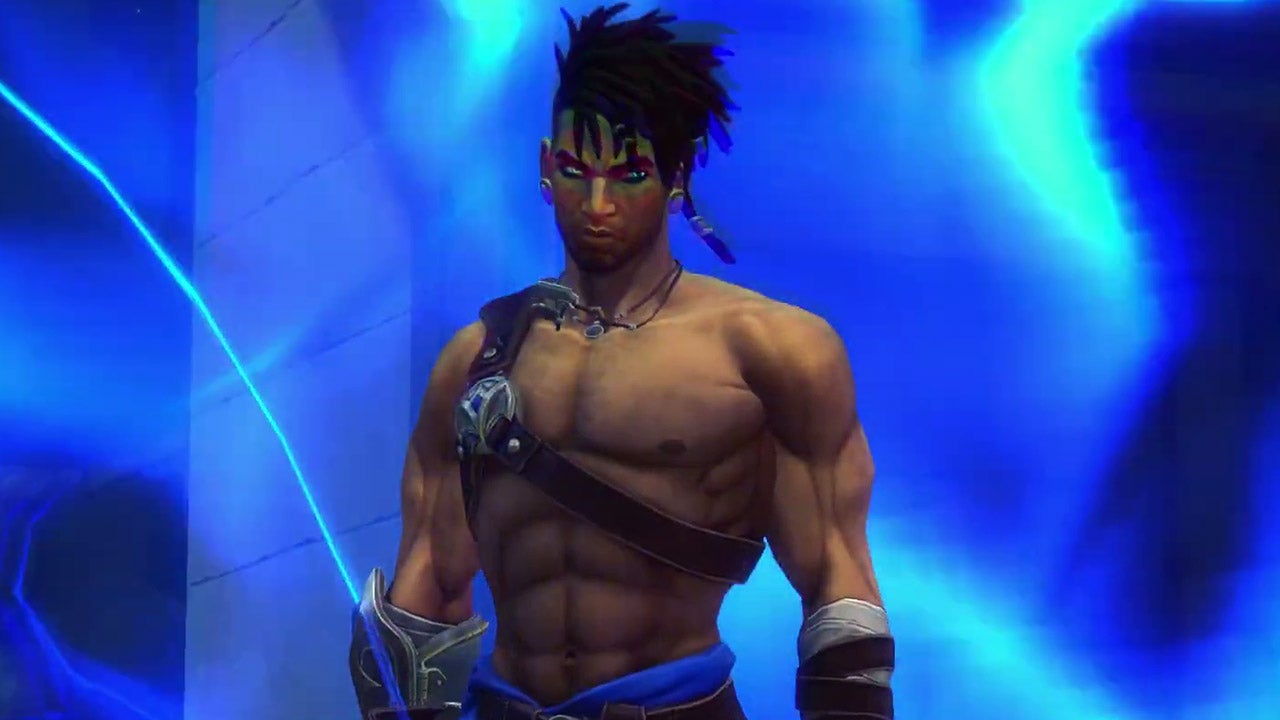
Ubisoft accidentally used a text-to-speech program to voice a character named Kalux in the new Prince of Persia game, "The Lost Crown." This error won't be fixed in the day-one patch but is expected to be addressed in a later update. The game, set to release on January 15, has received positive reviews despite this mishap. The incident highlights the growing use of AI and TTS services in game development, with CD Projekt Red and SAG-AFTRA also exploring AI-enhanced voice acting.
Prince of Persia: The Lost Crown will feature a character voiced by a text-to-speech program at launch due to a mistake by Ubisoft, which forgot to record and add a human voice for the role. The game's production studio, Side UK, denied involvement in the decision. Ubisoft confirmed the error and stated that the text-to-speech lines will be replaced in a future patch. This incident raises concerns about the increasing use of AI in game development and the potential impact on human jobs in the industry.
Microsoft has unveiled a new AI tool called Azure AI Speech, which can generate photorealistic avatars and replicate the appearance and speech of a user. The tool allows users to input a script that can be read aloud by an AI-generated avatar, either preloaded or created from uploaded footage. While concerns have been raised about the potential for misuse and the creation of deepfakes, Microsoft has implemented limits and safeguards to prevent abuse. The company emphasizes its commitment to responsible AI and transparent human-computer interaction. Deepfakes have become a growing concern, particularly in the context of election interference, prompting tech firms like Microsoft and Meta to develop tools to authenticate and verify the legitimacy of videos.
OpenAI's ChatGPT chatbot now has voice capabilities, allowing users to engage in voice conversations with the AI-powered assistant. The new feature also includes the ability to respond to prompts featuring images. OpenAI collaborated with professional voice actors to create human-like voices for the chatbot. These updates come as part of an ongoing AI arms race in the tech sector, with companies like Google and Amazon also introducing AI-powered updates to their products. The new features will be available to paying subscribers of ChatGPT's Plus and Enterprise services within the next two weeks.
Meta has unveiled Voicebox, its generative text-to-speech model that promises to do for the spoken word what ChatGPT and Dall-E, respectfully, did for text and image generation. The system was trained on more than 50,000 hours of unfiltered audio and can generate more conversational sounding speech, regardless of the languages spoken by each party. Voicebox is reportedly capable of actively editing audio clips, eliminating noise from the speech and even replacing misspoken words. Meta's AI reportedly outperformed the current state of the art both in intelligibility and "audio similarity" while operating as much as 20 times faster than today's best TTS systems. However, neither the Voicebox app nor its source code is being released to the public at this time.
The author used AI software to clone his voice and asked family and friends to identify the real and generated paragraphs. The cloned voice was remarkably good, and creating it was surprisingly cheap and easy. Realistic text-to-speech systems like Play.ht are hard to build because human beings pronounce the same word differently depending on the context. The challenge of text-to-speech voice cloning is that it could be misused by criminals and other troublemakers. The most important countermeasure against the misuse of voice cloning may be to make sure the public understands that high-quality voice cloning software exists.